To declutter without drama, adopt the ‘one-touch’ rule: handle items only once, making quick decisions to trash, keep, or put them away immediately. Create designated spots for everyday belongings like keys and mail to save time and stay organized. Establish simple daily routines, such as returning items to their places each day, and stay consistent. If you keep things simple and focus on small habits, you’ll find it easier to maintain order—more tips follow to make it seamless.
Key Takeaways
- Handle each item only once by making immediate decisions—keep, trash, or put away—to prevent repetitive handling and clutter.
- Designate specific spots for daily essentials like keys and wallets to streamline placement and retrieval.
- Sort incoming items immediately into designated drop zones to avoid pile-ups and maintain order.
- Incorporate quick, daily routines like returning items and tidying surfaces to reinforce the One-Touch habit effortlessly.
- Use mindful practices and celebrate small wins to stay motivated and sustain clutter-free habits long-term.

LEVOIT Air Purifiers for Home Large Room Up to 1875 Ft² with Washable Pre-Filter, AHAM VERIFIDE, Air Quality Monitor, HEPA Sleep Mode for Allergies, Pet Hair in Bedroom, Vital 200S-P, White
𝐖𝐇𝐘 𝐂𝐇𝐎𝐎𝐒𝐄 𝐀𝐇𝐀𝐌 𝐕𝐄𝐑𝐈𝐅𝐈𝐃𝐄 𝐏𝐑𝐎𝐃𝐔𝐂𝐓𝐒: AHAM (Association of Home Appliance Manufacturers) is an ANSI-accredited organization that sets strict...
As an affiliate, we earn on qualifying purchases.
Understanding the One-Touch Concept
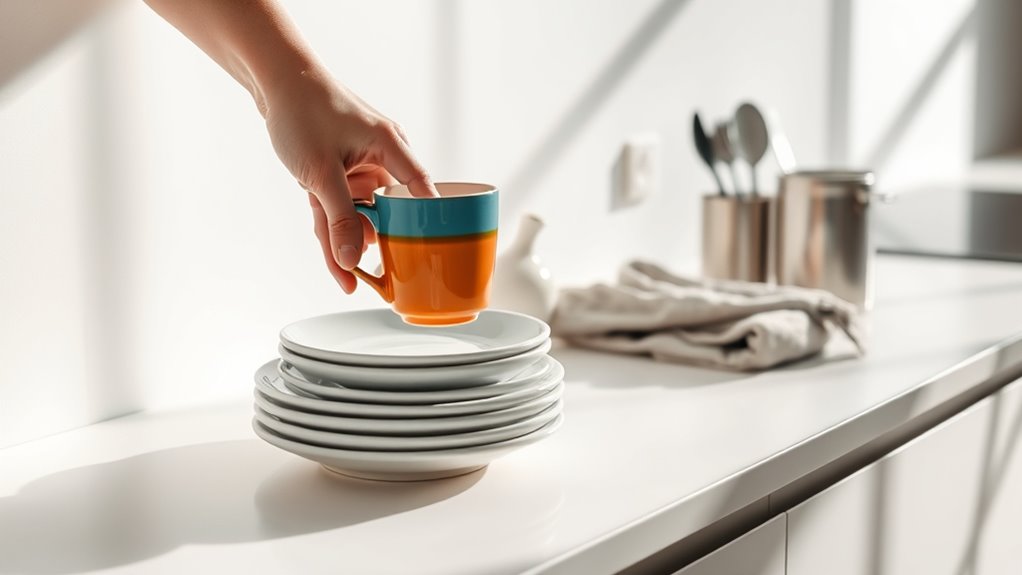
The One-Touch Concept is a simple but powerful approach to decluttering that encourages you to handle items only once. Instead of setting things aside to deal with later, you make a quick decision when you first pick up an item. If it’s trash, toss it immediately. If it’s something you need to keep, put it in its proper place right away. This method prevents the buildup of clutter caused by repeatedly touching the same items. It’s about being intentional and decisive, saving you time and mental clutter. By committing to this rule, you reduce the chances of accumulating unnecessary things and make your space easier to maintain. Incorporating principles from Free Floating can further help you create a clutter-free environment by encouraging natural, unobtrusive organization. Developing a simple system for managing everyday items reinforces the effectiveness of the One-Touch rule and helps sustain your decluttering efforts over time. Additionally, adopting a mindful approach ensures you stay aware of your habits and consistently apply the rule. Moreover, understanding contrast ratio and its impact on visual clarity can inspire you to organize your space in a way that enhances your overall environment. Utilizing appropriate tools, such as proper storage solutions, can make it easier to follow through with the one-touch method.

LEVOIT Air Purifier for Home Large Room Up to 1073Ft² with Air Quality Monitor, AHAM VERIFIDE, Smart WiFi, Washable Pre-Filter, HEPA Sleep Mode for Pets, Allergies, Dust, Pollen, Vital 100S-P, White
𝐖𝐇𝐘 𝐂𝐇𝐎𝐎𝐒𝐄 𝐀𝐇𝐀𝐌 𝐕𝐄𝐑𝐈𝐅𝐈𝐃𝐄 𝐀𝐈𝐑 𝐏𝐔𝐑𝐈𝐅𝐈𝐄𝐑𝐒: AHAM (Association of Home Appliance Manufacturers) is an ANSI-accredited organization that sets...
As an affiliate, we earn on qualifying purchases.
The Benefits of a Daily Routine
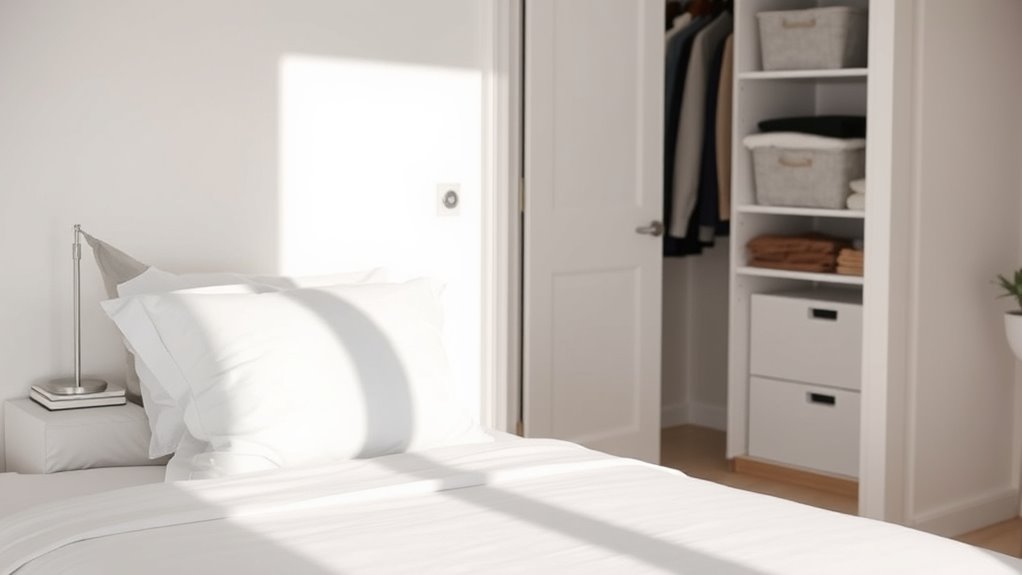
Establishing a daily routine can transform your approach to decluttering by creating consistent habits that keep your space organized. When you incorporate small, daily actions, clutter becomes manageable and less overwhelming. A routine helps you develop a sense of discipline and predictability, making decluttering feel less like a chore. Incorporating regular cleaning and organizing into your routine ensures that your space stays tidy and clutter-free over time. Additionally, maintaining a consistent schedule can prevent clutter from accumulating in the first place. Developing an understanding of clutter management techniques can further enhance your ability to maintain a tidy environment. Recognizing the importance of digital clutter and setting boundaries around screen time can also support your decluttering efforts. Making mindful decisions about what to keep and discard can significantly reduce clutter and simplify your space. Here’s a simple example of what a daily routine might look like:
| Time of Day | Task |
|---|---|
| Morning | Tidy up the kitchen |
| Afternoon | Sort mail and papers |
| Evening | Quick bedroom cleanup |
| Before bed | Return items to their place |
| Weekly | Deep clean and organize |
This steady rhythm ensures clutter doesn’t pile up and becomes easier to manage daily.

KNKA Air Purifier for Home Bedroom Large Room Up to 1,695 Ft² in 1 Hr, HEPA Air Cleaner with Washable Pre-Filter, AQI Display, ECO Mode, Sleep Mode, Pet Mode for Pets, Dust, Pollen, APH4000
𝐇𝐢𝐠𝐡 𝐂𝐀𝐃𝐑 𝐕𝐚𝐥𝐮𝐞: This air purifier provides reliable performance with a Smoke/Dust/PM2.5 CADR of 226 CFM (384 m³/h)...
As an affiliate, we earn on qualifying purchases.
How to Quickly Decide What to Keep or Toss

Once you’ve set up a daily routine for tidying, making quick decisions about what to keep or toss becomes much easier. Grab each item and ask yourself, “Have I used this in the past year?” If the answer is no, it’s probably time to let it go. Consider its value—does it bring you joy or serve a practical purpose? Be honest about whether you really need it. If an item is broken or outdated, toss it without hesitation. Remember, your goal is to clear space and reduce clutter, not hold onto everything just because it’s there. Trust your instincts, and don’t overthink. Making these decisions swiftly keeps the process simple and prevents clutter from piling up again. Incorporating herbal remedies into your routine can also help you feel more centered and focused during tidying sessions.

LEVOIT Air Purifier for Home Allergens Pet Hair in Bedroom, Covers Up to 1073 ft² by 56W High Torque Motor, AHAM VERIFIDE, 3-in-1 Filter with HEPA Sleep Mode, Remove Dust Smoke Odor, Core300-P, White
WHY CHOOSE AHAM VERIFIDE AIR PURIFIERS: AHAM (Association of Home Appliance Manufacturers) is an ANSI-accredited organization that sets...
As an affiliate, we earn on qualifying purchases.
Managing Incoming Items Effectively
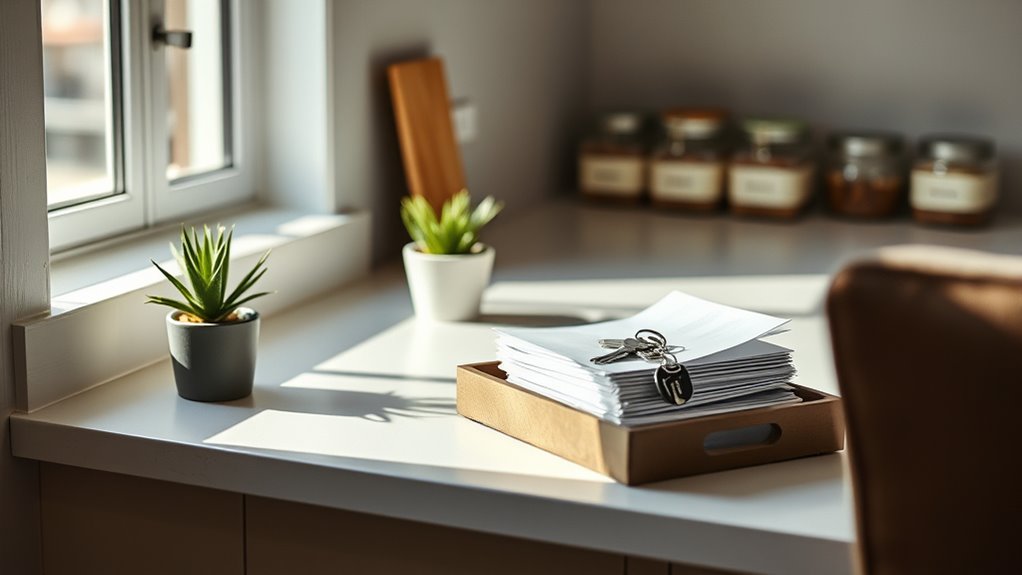
When new items arrive, sort them immediately to determine if they belong elsewhere or need to be kept. Setting up designated drop zones helps prevent clutter from spreading throughout your space. By taking quick action, you keep your home organized and make decluttering easier over time. Incorporating support breakfast options into your morning routine can also motivate you to stay on top of daily organization tasks. Utilizing grocery savings strategies can help you manage your household items more efficiently and reduce unnecessary clutter. Establishing effective organization systems ensures that your efforts are sustainable and that your space remains tidy in the long run. Regularly practicing auditory processing skills can enhance your ability to categorize and manage incoming items more effectively. Additionally, applying principles from deep-sky imaging—such as precise focus and systematic approaches—can inspire you to develop consistent routines that keep your space clear and well-organized.
Sort Items Immediately
To keep clutter at bay, you should sort incoming items immediately rather than letting them pile up. When new things arrive, take a moment to decide their place right away. This prevents clutter from building and keeps your space organized. Use a simple system to categorize items quickly:
| Item Type | Action | Time Needed |
|---|---|---|
| Open, toss or file | 1 minute | |
| Clothes | Fold or hang immediately | 2 minutes |
| Keys/Wallets | Place in designated spot | 10 seconds |
| Gifts | Decide to keep or donate | 2 minutes |
| Miscellaneous | Find a home or discard | 1-3 minutes |
Sorting right away minimizes clutter and saves time later. The key is to act immediately, not postpone. Additionally, consistent organization habits help maintain a clutter-free environment and make sorting a quick, automatic process. Incorporating mindful organization can further enhance your ability to keep clutter under control.
Designate Drop Zones
Creating designated drop zones for incoming items helps you manage clutter before it spreads. Place a basket, tray, or bin near your entryway, kitchen, or workspace to catch mail, keys, and small essentials. This way, you avoid scattering clutter all over your home. When items arrive, take a moment to put them directly into the drop zone instead of setting them down randomly. Make it a habit to check these zones at regular intervals—daily if needed—to sort through items. Keep the zones tidy and clearly labeled so you know exactly where to put different types of items. By establishing these catch-all spots, you streamline your daily routine and prevent clutter from piling up, making your space more organized and manageable. Incorporating aquatic exercise into your routine can also help reduce stress and promote relaxation, making decluttering feel even more manageable. Additionally, regularly reviewing your belongings and diversification strategies can further simplify your space and reduce unnecessary accumulation.
Creating Designated Spots for Belongings

Having designated spots for your belongings makes clutter easier to manage and prevents items from piling up randomly. When each item has a specific place, you save time searching and reduce frustration. Think about where you frequently use certain items—like keys, wallets, or chargers—and assign a clear spot for each. Use containers, hooks, or shelves to keep things organized and accessible. Consistency is key: always return items to their designated spots after use. This habit creates a visual cue that keeps your space tidy. Additionally, understanding essential oils for organization can promote a calm and focused environment that supports maintaining order. Incorporating organized storage solutions can further streamline your setup and make it easier to maintain the system. For example, using storage bins or drawer dividers can help categorize small items and keep them in place. Regularly cleaning and maintaining your storage areas can prevent dust and clutter buildup, ensuring your system remains effective. Developing habits based on effective organization principles can also reduce stress and save time in your daily routine. Plus, it minimizes the chance of losing important items or creating messes that take extra effort to clean up later. Clear, dedicated spots help you maintain order without stress or overthinking.
Incorporating the Rule Into Your Morning and Evening
Incorporating the rule of designated spots into your morning and evening routines can make a big difference in maintaining order. Start by setting aside a few minutes each day to put things back in their assigned places. In the morning, gather items like keys, glasses, and bags, and return them to their spots before leaving. In the evening, make it a habit to clear clutter from surfaces and put belongings away before winding down. This consistent practice prevents buildup and keeps your spaces tidy. By integrating these small actions into your daily routine, you create a seamless flow that minimizes stress and chaos. Over time, this simple shift helps solidify good habits and keeps your home organized without extra effort.
Overcoming Common Obstacles and Procrastination

Understanding your hidden barriers can help you identify why you hesitate to start. Tackling procrastination triggers, like feeling overwhelmed or distracted, makes it easier to move forward. Building simple routines keeps you consistent and prevents obstacles from piling up.
Recognize Hidden Barriers
Often, hidden barriers like fear of change or perfectionism quietly sabotage your decluttering efforts before you even get started. These obstacles keep you stuck, making it harder to take action. Recognizing these barriers is the first step to overcoming them. For example, you might doubt your ability to organize effectively, worry about making mistakes, or feel overwhelmed by the volume of stuff.
To break through these mental blocks, keep in mind:
- Perfection isn’t necessary; progress is what counts.
- Small, manageable steps can build your confidence.
- Accept that some mess is part of the process; perfection isn’t the goal.
Tackle Procrastination Triggers
Procrastination often sneaks in when you encounter familiar triggers like feeling overwhelmed, fearing failure, or doubting your progress. When tasks seem formidable, it’s easy to delay starting, hoping the problem will vanish. Fear of making mistakes can paralyze you, making it hard to take the first step. Doubt about your ability to complete a task can also hold you back, convincing you that effort isn’t worth it. To tackle these triggers, break tasks into smaller, manageable parts. Remind yourself that perfection isn’t necessary; progress matters more. Recognize these patterns early and challenge negative thoughts. By understanding what triggers your procrastination, you can develop strategies to move forward. Taking small, deliberate actions helps you build momentum and reduces the power of these common obstacles.
Build Simple Routines
Ever notice how small, consistent routines can make big tasks feel less intimidating? Building simple routines helps you stay on top of clutter without feeling overwhelmed. When you establish straightforward habits, you reduce the chances of procrastination and avoid the cycle of neglect. To keep routines manageable:
- Start with one small task daily, like sorting mail immediately.
- Set specific, achievable times, such as tidying your workspace every morning.
- Use reminders or cues, like a sticky note, to reinforce habits.
Consistency turns these small actions into automatic habits. Over time, they become part of your daily rhythm, making decluttering feel natural rather than a chore. Keep routines simple, focused, and sustainable to overcome obstacles and stay motivated.
Maintaining Consistency for Long-Term Results

Maintaining consistency is essential if you want your decluttering efforts to last. When you stick to your routines daily, clutter doesn’t have a chance to build up. Make it a habit to handle items as soon as you encounter them—whether that’s putting things away or making quick decisions about what to keep or toss. Set aside a specific time each day for this, so it becomes second nature. Even on busy days, a few minutes can keep clutter from spiraling out of control. Remember, the key is persistence. Small, regular actions add up over time, creating a clutter-free space that sustains itself. Stay committed and remind yourself of the benefits—less stress, more space, and a calmer environment.
Tips for Enlisting Family Support

Getting your family on board can make decluttering much easier and more effective. When everyone participates, the process becomes smoother and less stressful. To encourage support, communicate openly about your goals and explain how decluttering benefits everyone—more space, less stress. Make it easy for family members to contribute by assigning simple, specific tasks. You can also turn decluttering into a team effort, creating a sense of shared achievement. Recognize and praise their efforts to keep motivation high. Here are some tips to enlist support:
- Clearly define roles and responsibilities
- Set small, achievable goals together
- Celebrate progress to boost morale
Adapting the One-Touch Method for Different Spaces

Adapting the One-Touch Method to different spaces requires flexibility and strategic planning. Each area in your home has unique needs and challenges, so customize your approach accordingly. In the kitchen, handle items as soon as you use them—put dishes away immediately or toss out expired food. In the bathroom, keep only daily essentials within reach, and regularly clear out expired products. Your workspace benefits from designated storage zones—sort papers and supplies as they arrive, never letting clutter pile up. Living rooms need simple solutions like baskets or trays for quick tidying. By tailoring your habits to each space, you’ll stay consistent and prevent clutter from accumulating. Flexibility and intentionality make the One-Touch Rule effective across your entire home.
Frequently Asked Questions
Can the One-Touch Rule Work for Digital Clutter?
Yes, the one-touch rule works for digital clutter. When you open an email, file, or app, handle it once—delete, respond, or file it immediately. This prevents backlog and keeps your digital space organized. By making quick decisions, you avoid piling up unread messages or misplaced documents. Consistently applying this rule streamlines your digital life and reduces stress, making your devices more efficient and your mind clearer.
How Do I Handle Sentimental Items Using This Method?
Like a modern Pandora’s box, sentimental items hold both joy and challenge. To handle them, set a timer for a quick review—just a few minutes—to decide if each piece sparks genuine happiness or if it’s time to let go. Take photos of meaningful items before parting with them, preserving memories without the clutter. With this approach, you honor your feelings while maintaining your space’s simplicity.
What if I Forget to Apply the Rule Daily?
If you forget to apply the rule daily, don’t worry. Just pick up where you left off without guilt. Set a reminder or create a visual cue, like a designated basket or tray, to help you remember. Consistency grows over time, so even if you miss a day, it’s okay. Just get back to it the next day, and soon it’ll become a natural part of your routine.
Is This Approach Suitable for Large Families or Shared Spaces?
This approach works well for large families or shared spaces because it encourages everyone to be mindful of their belongings. You can establish clear routines, like designated spots for items, and involve family members in the process. By setting expectations and practicing consistency, everyone can help maintain order without stress. It’s about creating a shared system that makes decluttering manageable and less overwhelming for all involved.
How Can I Adapt the Rule for Work or Office Environments?
To adapt the rule for work or office environments, set clear boundaries for handling documents and supplies. When you receive a paper or task, decide immediately whether to act, file, or discard. Keep your workspace organized by handling each item once, avoiding multiple touches. Encourage colleagues to adopt similar habits, creating a clutter-free, efficient environment. This approach minimizes distractions, saves time, and keeps your workspace tidy daily.
Conclusion
By applying the one-touch rule daily, you’ll see clutter decrease and organization improve. Research shows that people spend up to 55 minutes a day searching for misplaced items—imagine what you could do with that time! Staying consistent with this simple habit not only keeps your space tidy but also reduces stress. So, take control today, and enjoy the calm and clarity that comes with decluttering without drama.