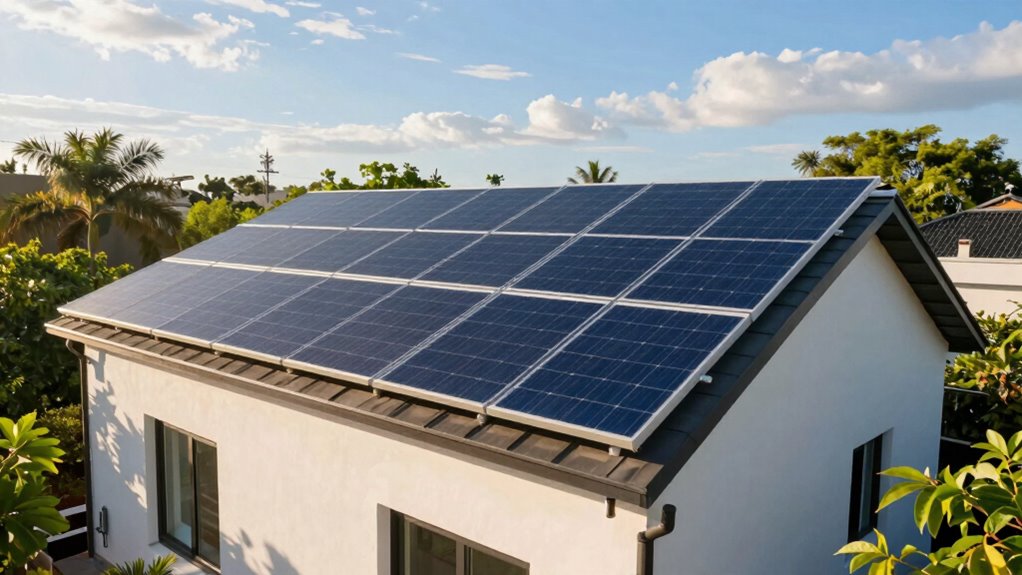
To keep your home solar panels performing well, inspect them monthly for dirt, debris, or shading and clean gently during cooler times to prevent damage. Track system performance with monitoring software and troubleshoot issues early. Regularly tighten connections, replace damaged cables, and upgrade components as needed. Adjust panel angles seasonally and ensure batteries are maintained for ideal storage. Consistent routine upkeep maximizes efficiency and extends lifespan—keep going to discover more expert tips.

Turn your quiet moments into listening time
- Thousands of audiobooks, podcasts and originals
- Listen on your phone, tablet or Echo — also offline
- Cancel anytime
Key Takeaways
- Conduct monthly inspections and clean panels during cooler times to maximize sunlight absorption and prevent dirt buildup.
- Monitor system performance regularly and troubleshoot issues promptly to maintain optimal energy output.
- Tighten connections, replace damaged cables, and upgrade components periodically for reliable system operation.
- Check and maintain batteries and inverter to ensure efficient energy storage and conversion.
- Adjust panel tilt, remove obstructions, and clean seasonally to optimize performance throughout the year.

Ever wondered how to keep your solar panels operating at peak performance? The key lies in establishing a solid routine for solar panel maintenance and optimizing your energy storage solutions. Regular upkeep guarantees that your panels generate maximum power, prevents costly repairs, and extends their lifespan. To start, make it a habit to inspect your solar panels at least once a month. Look for dirt, debris, or leaves that may have accumulated on the surface, blocking sunlight. Cleaning your panels with a soft cloth and a gentle, non-abrasive cleaner is usually enough; avoid harsh chemicals that could damage the surface. When cleaning, do so during cooler parts of the day to prevent rapid evaporation or cracking caused by temperature fluctuations.
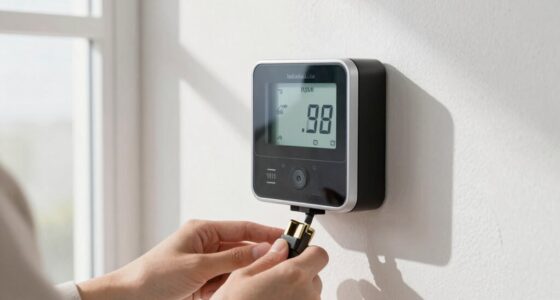
Beyond cleaning, keep an eye on your system’s performance. Most modern solar setups come with monitoring software that provides real-time data on energy production. Use this data to spot any dips in output, which could indicate issues like shading, dirt buildup, or equipment faults. If you notice a significant decline in energy generation, it’s time to troubleshoot or call in a professional. Proper solar panel maintenance also involves inspecting the wiring and connections for corrosion or wear. Tighten loose connections, and replace damaged cables promptly to maintain system efficiency and safety. Additionally, consider upgrading your system components periodically to ensure optimal performance and adapt to new technologies. Staying informed about innovations in energy storage can also help you make smarter decisions for your system. Regularly reviewing your system’s performance data can help you identify potential issues early and prevent system failures.
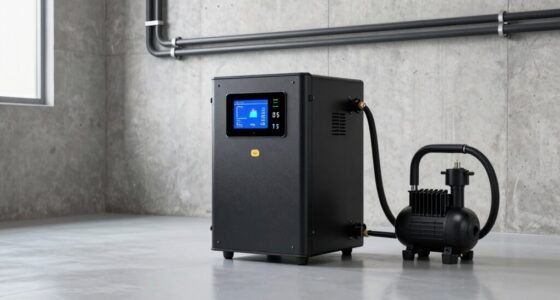
While maintaining your panels is crucial, don’t forget about your energy storage solutions. If your system includes batteries, check their health regularly. Ensure that they are charging correctly and that the battery terminals are clean and free of corrosion. Properly functioning energy storage allows you to maximize your solar power’s value, especially during cloudy days or at night. Keep an eye on battery capacity and replace aging batteries before performance deteriorates. Additionally, make sure your inverter is operating smoothly, as it’s responsible for converting the stored energy into usable electricity. Regularly reviewing system components can help you identify potential issues early and prevent system failures.
Seasonal adjustments are also part of a good routine. As the seasons change, the angle of the sun shifts, affecting your panels’ efficiency. Adjusting the tilt or orientation of your panels can help optimize energy production throughout the year. Regularly cleaning your panels also ensures you remove any dust or snow buildup that could impede sunlight absorption. Lastly, staying informed about new energy storage solutions and upgrades is vital, as innovations can improve your system’s overall efficiency and resilience. Incorporating the latest technology can boost your system’s efficiency and resilience, ensuring you get the most out of your investment. By sticking to this routine, you’ll keep your solar panels in top shape, maximize energy output, and enjoy cleaner, more reliable power for your home.
Products Worth Considering

eufy Security eufyCam C37 4-Camera Kit with 360° Pan and Tilt

eufy Security SoloCam S340 3K Dual-Lens Solar Security Camera

Bose TV Speaker Compact Soundbar with Bluetooth and HDMI-ARC, Black
As an affiliate, we earn on qualifying purchases.
Frequently Asked Questions
How Often Should I Schedule Professional Inspections for My Solar Panels?
You should schedule professional inspections for your solar panels every 1 to 3 years to guarantee peak performance. Regular check-ups help you maximize financial incentives and maintain panel warranties. During inspections, professionals can identify potential issues early, preventing costly repairs. Staying proactive with inspections keeps your system efficient, prolongs its lifespan, and ensures you’re fully benefiting from available incentives and warranty coverage.
What Is the Optimal Time of Day to Clean Solar Panels?
Imagine your solar panels are like a mirror catching sunlight’s reflection. The ideal timing for cleaning is early morning or late afternoon, when the panels are cooler and dust hasn’t settled heavily. Cleaning frequency depends on your environment, but typically, you should clean when dirt or debris accumulates. This guarantees maximum efficiency, just like polishing a mirror when it’s foggy, revealing a clear, bright reflection.
Can I Upgrade My Solar System Without Replacing the Entire Setup?
Yes, you can upgrade your solar system without replacing the entire setup. Consider adding battery storage to store excess energy or upgrading your inverter for better efficiency. Also, check for panel shading issues, which can reduce performance. Upgrades like installing micro-inverters or optimizing panel placement help maximize your system’s output without a full replacement, making upgrades more cost-effective and efficient while improving energy independence.
How Do Seasonal Changes Affect My Solar Panel Efficiency?
Seasonal changes impact your solar panel efficiency due to weather variability and shading issues. In winter, shorter days and overcast skies reduce sunlight, lowering output. Summer brings longer days and more sunlight, boosting energy production. Be mindful of shading issues from trees or buildings that worsen in certain seasons, and regularly clean your panels to maximize efficiency. Adjusting your system or installing tracking mounts can help optimize performance year-round.
What Maintenance Is Needed for the Inverter?
Did you know inverters typically last 10-15 years? To guarantee your inverter’s lifespan and prevent power fluctuation, you should regularly inspect it for signs of wear, keep it clean and dry, and check connections for corrosion. Avoid overloading the system and schedule annual professional maintenance. Proper care helps maintain efficiency, prolongs your inverter’s life, and keeps your solar power system running smoothly.
Conclusion
So, after all that, the best routine for your home solar panels is surprisingly simple: just forget about maintenance, ignore the dirt and debris, and hope the sun keeps shining. Who needs regular checks or cleaning anyway? Surely, a bit of neglect won’t affect your power supply… right? Ironically, a little effort now can save you a lot of trouble later. But hey, if you enjoy surprises, maybe skip the routine altogether!