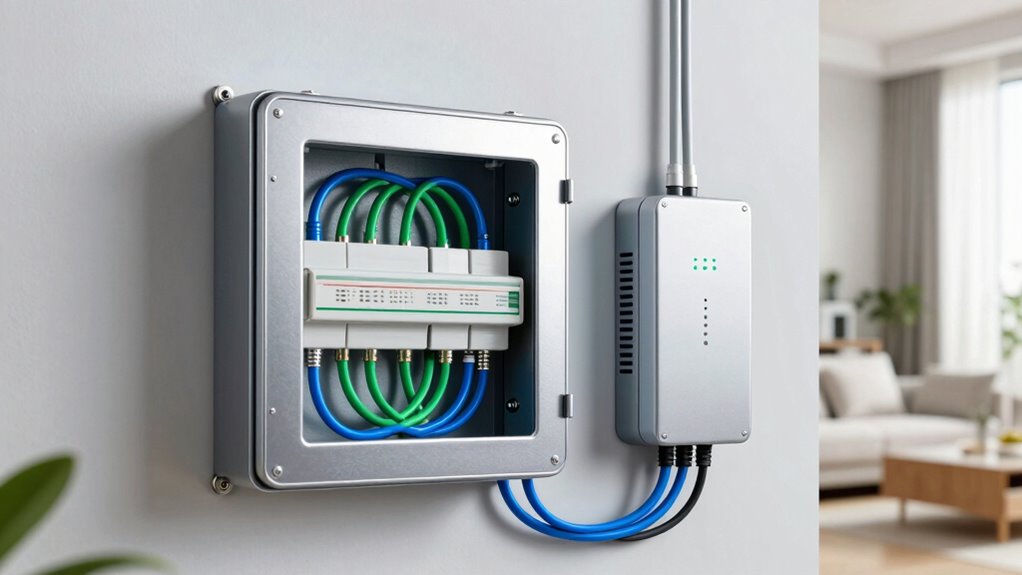
Whole-home surge protection safeguards your entire electrical system by detecting and diverting excess voltage caused by storms or line issues, protecting appliances and electronics from damage. It offers broad coverage, reducing risks of electrical fires, shocks, and costly repairs. However, it can’t prevent extremely powerful surges like lightning strikes or protect external devices. Proper installation and maintenance are essential, and knowing its limits helps you keep your home safe—more insights await if you want to learn how to maximize your protection.
Key Takeaways
- Whole-home surge protectors monitor and divert excess voltage from your entire electrical system, preventing damage to connected devices.
- They are effective against external power surges caused by storms or line disturbances but cannot block extremely powerful events like lightning strikes.
- Installation requires professional setup at the main electrical panel, offering broad coverage but at a higher upfront cost than point-of-use protectors.
- Surge protectors have a limited lifespan and may need replacement over time, especially after large surges or if they show signs of damage.
- They do not protect external appliances, external wiring issues, or internal surges originating from faulty or poorly grounded devices.
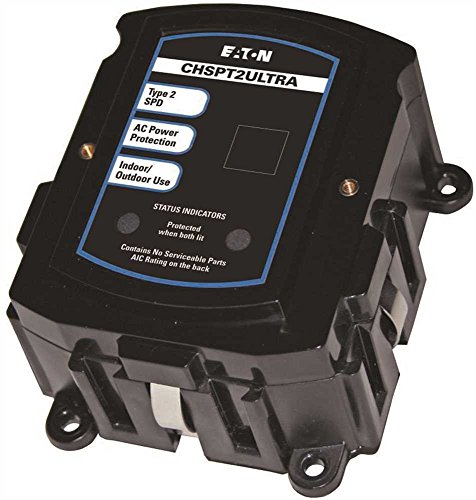
Eaton CHSPT2ULTRA Ultimate Surge Protection 3rd Edition, 2.38" Length, 5.25" Width 7.5" Height
Universally connects to any manufacturer’s load center (breaker box)
As an affiliate, we earn on qualifying purchases.
As an affiliate, we earn on qualifying purchases.
How Whole-Home Surge Protectors Work
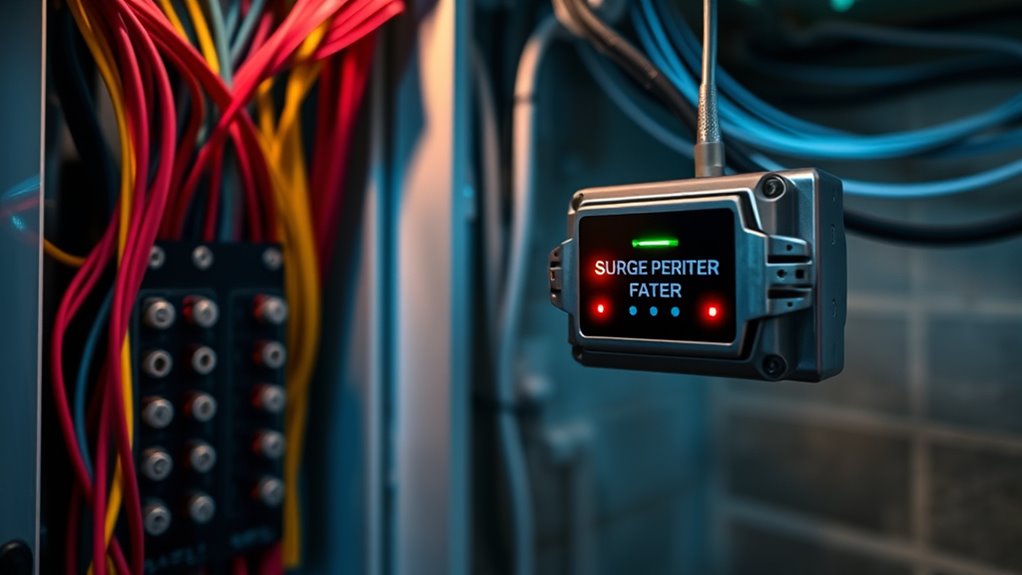
Whole-home surge protectors work by monitoring the electrical current flowing through your home’s wiring and acting quickly to block or divert excess voltage. When a power surge occurs—like during a storm or a power line disturbance—the protector detects the sudden spike. It then redirects the surplus electricity away from your appliances and electronics, preventing damage. These devices are installed at your main electrical panel, giving them a broad view of your entire home’s wiring. They use components like Metal Oxide Varistors (MOVs) or other surge suppression technologies to absorb and dissipate excess energy safely. Proper installation and maintenance are essential to ensure these systems function effectively over time. Regular testing helps confirm that the surge protector remains operational and provides the intended level of protection. Additionally, understanding surge protection technologies can help homeowners choose the right system for their needs. Being aware of installation best practices can further enhance the longevity and effectiveness of your surge protection system. It is also important to remember that whole-home surge protection does not eliminate all kinds of electrical issues, so additional protective measures may sometimes be necessary. By acting swiftly, they minimize the risk of electrical fires, equipment failure, and data loss, keeping your home’s electrical system safer and more reliable.

Square D HEPD80 Universal Whole House Surge Protection Device, 1-Phase, 3-Wire for 120/240V, 80kA
WHOLE HOME SURGE SUPPRESSOR: The Square D Whole Home Electronics Protective Device is a compact surge suppressor designed…
As an affiliate, we earn on qualifying purchases.
As an affiliate, we earn on qualifying purchases.
The Key Benefits of Installing Whole-Home Surge Protection
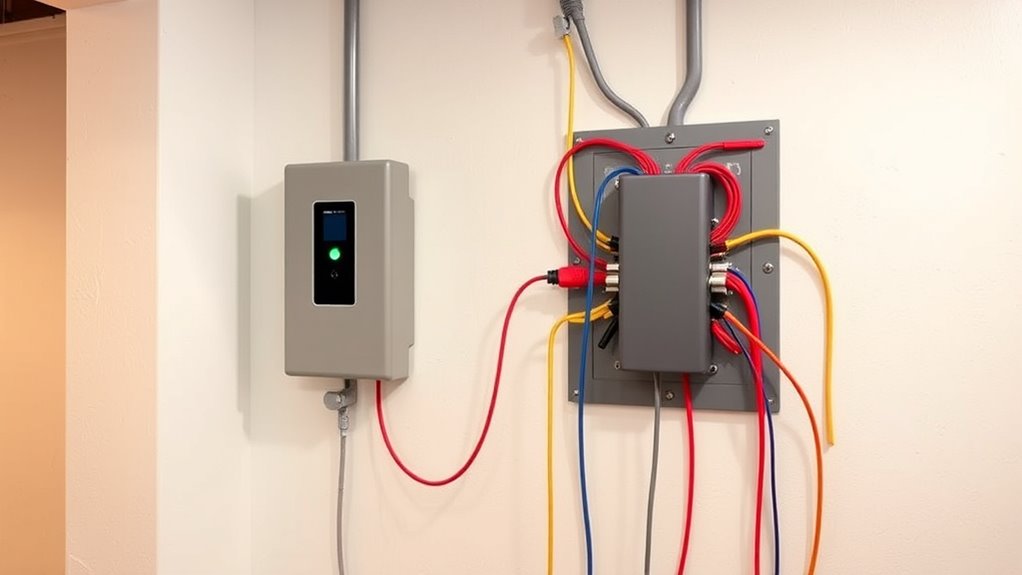
Installing whole-home surge protection enhances your electrical safety by preventing damaging power surges. It also safeguards your sensitive devices, saving you money on repairs and replacements. Plus, it’s a cost-effective way to defend your home against unexpected electrical issues. Additionally, smart electrical safety measures like surge protection can help maintain the longevity of your home’s wiring and appliances. Understanding load calculations and safe installation practices can ensure your system is properly set up for optimal protection. Proper sizing and transfer switch installation are essential for reliable performance and safety. Incorporating European cloud innovation principles can further optimize your energy-efficient home systems for sustainability and security.
Enhanced Electrical Safety
Because power surges can strike unexpectedly, your home’s electrical system becomes vulnerable to damage and safety hazards. Without proper protection, surges can cause electrical faults, increase fire risks, or even lead to appliance failures. Whole-home surge protection acts as a safeguard, reducing the chance of dangerous electrical issues. It stabilizes voltage levels, preventing sudden spikes from harming wiring or circuitry. This added layer of safety helps protect your family by minimizing the risk of electrical fires or shocks caused by damaged components. Installing surge protection ensures your electrical system remains stable and reliable, reducing the likelihood of unexpected failures. Additionally, power quality can be improved with surge protection, leading to smoother operation of sensitive electronics. It also helps prevent electrical noise that can interfere with device performance. Proper installation can also extend the lifespan of your appliances by shielding them from damaging voltage fluctuations and ensuring consistent performance. Implementing whole-home surge protection can also contribute to overall home safety, making it a valuable investment in your property’s protection. Furthermore, understanding the limitations of surge protectors is important to ensure comprehensive electrical safety.
Protects Sensitive Devices
Sensitive electronic devices such as computers, televisions, and home security systems can be highly vulnerable to power surges. Whole-home surge protection acts as a barrier, preventing dangerous voltage spikes from damaging these devices. By installing this system, you safeguard your investments and ensure your tech stays operational. Here’s how it helps:
| Device Type | Vulnerability | Protection Benefit |
|---|---|---|
| Computers | Sudden voltage increases cause data loss | Keeps data safe and system stable |
| Televisions | Power surges can fry internal components | Extends device lifespan |
| Security Systems | Surges can disable alarms and cameras | Maintains security integrity |
| Small Appliances | Damage from unexpected voltage spikes | Prevents costly replacements |
This protection offers peace of mind, knowing your devices are shielded from unpredictable power fluctuations. Voltage regulation is a crucial part of ensuring consistent device performance and longevity, especially as connected technology becomes more prevalent in smart homes. Additionally, whole-home surge protection can help reduce the risk of electrical fires caused by power surges. Incorporating surge protection devices into your electrical system can further enhance safety and durability. Furthermore, understanding the importance of proper installation and maintenance ensures the system functions effectively over time.
Cost-Effective Solution
Whole-home surge protection not only shields your devices but also offers a cost-effective way to prevent expensive repairs and replacements. By installing a surge protector at your main electrical panel, you reduce the risk of damage from power surges caused by storms, grid fluctuations, or lightning strikes. This proactive approach saves you money in the long run, as it minimizes the need for costly repairs to electronics, appliances, and HVAC systems. Additionally, a whole-home solution is more affordable than replacing multiple individual surge protectors for each device. It’s a smart investment that pays off by safeguarding your equipment and providing peace of mind. In the end, the upfront cost is small compared to the potential expenses you avoid, making it a wise, budget-friendly choice. Proper electrical load management ensures your system operates safely and efficiently, maximizing the benefits of surge protection. Implementing a whole-home surge protector also helps maintain the longevity of your electrical system and connected devices. Incorporating vetted wave and wind protection methods further enhances your home’s resilience against sudden power disruptions. Recognizing the importance of natural environmental factors, such as lightning and storms, underscores the value of comprehensive surge protection. Maintaining awareness of power quality issues can help you identify when surge protection might need upgrading or additional measures.
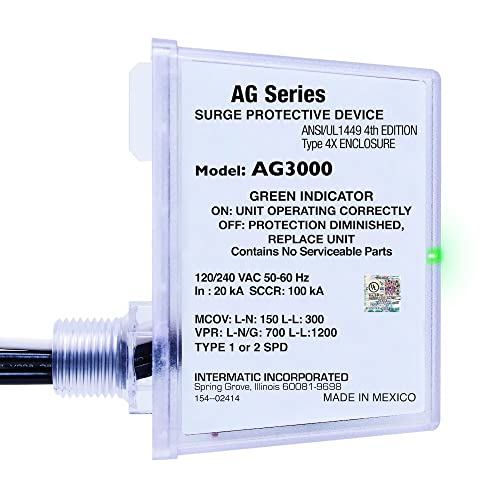
Intermatic AG3000 120/240 VAC Universal HVAC Surge Protective Device – Advanced Surge Protection, TPMOV Tech, Watertight Enclosure – UL Listed for Reliable Safety
COMPREHENSIVE SURGE SHIELD – Secure your HVAC equipment and household devices with Intermatic AG3000 Surge Protective Device, offering…
As an affiliate, we earn on qualifying purchases.
As an affiliate, we earn on qualifying purchases.
Differences Between Whole-Home and Point-of-Use Surge Protectors
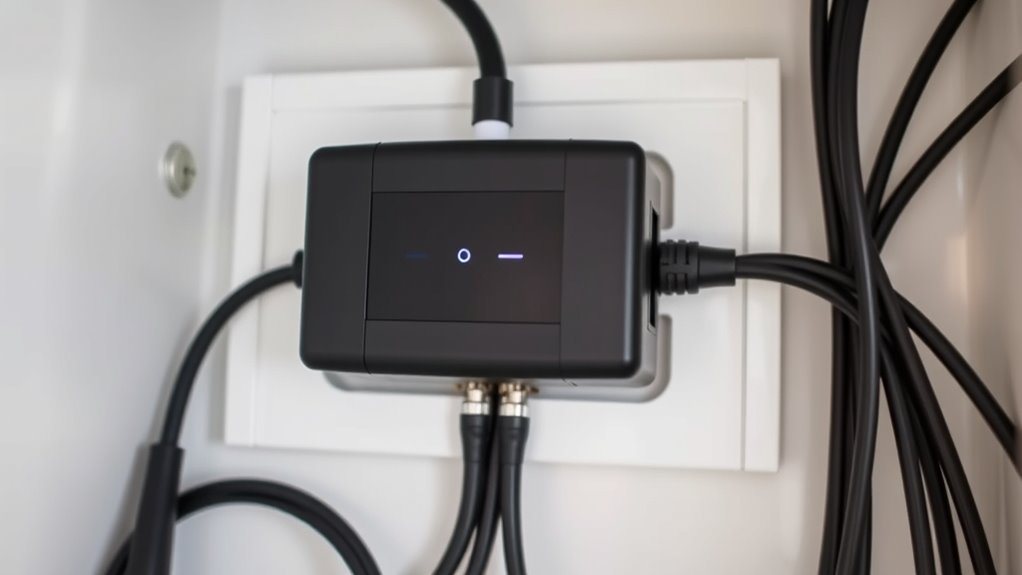
You’ll notice that whole-home surge protectors cover your entire electrical system, while point-of-use devices protect individual appliances. Installation and costs also vary, with whole-home systems typically requiring professional setup and a higher upfront investment. Understanding these differences helps you choose the right protection for your needs. Additionally, outdoor kitchen planning can help you determine the best ways to incorporate surge protection into your overall electrical setup.
Coverage Scope Differences
While point-of-use surge protectors defend specific devices or outlets, whole-home surge protection offers a broader security net by covering your entire electrical system. This means it can respond to large surges before they reach your appliances or electronics. The scope of coverage differs considerably:
- Localized vs. System-wide: Point-of-use protectors guard individual devices, while whole-home systems defend the entire household wiring.
- Protection Level: Whole-home units handle high-voltage surges from external sources, unlike point-of-use devices that target smaller, internal surges.
- Coverage Gaps: Point-of-use protectors may miss surges affecting multiple devices simultaneously, which whole-home systems can prevent by acting as a first line of defense.
Installation & Cost Variances
Installing a whole-home surge protection system typically requires professional electrical work and can involve more extensive modifications to your home’s wiring, which naturally makes it more costly upfront. You’ll likely pay for both the device itself and labor costs for a licensed electrician to install it correctly. In contrast, point-of-use surge protectors are generally plug-in devices you can set up yourself, making them much more affordable initially. Whole-home systems usually have higher installation fees but provide thorough protection for your entire electrical system. Point-of-use protectors focus on individual devices or outlets, offering targeted, lower-cost solutions. While the upfront costs differ considerably, whole-home systems tend to be more effective at preventing damage from large surges, justifying the higher investment for long-term peace of mind.

2 Pack Pipeman's Installation Solution Surge Voltage Protector 1800 Watts, White
APPLIANCE PROTECTION: Specifically designed to safeguard domestic refrigerators, freezers, water coolers, and similar appliances.
As an affiliate, we earn on qualifying purchases.
As an affiliate, we earn on qualifying purchases.
Common Limitations of Whole-Home Surge Protection
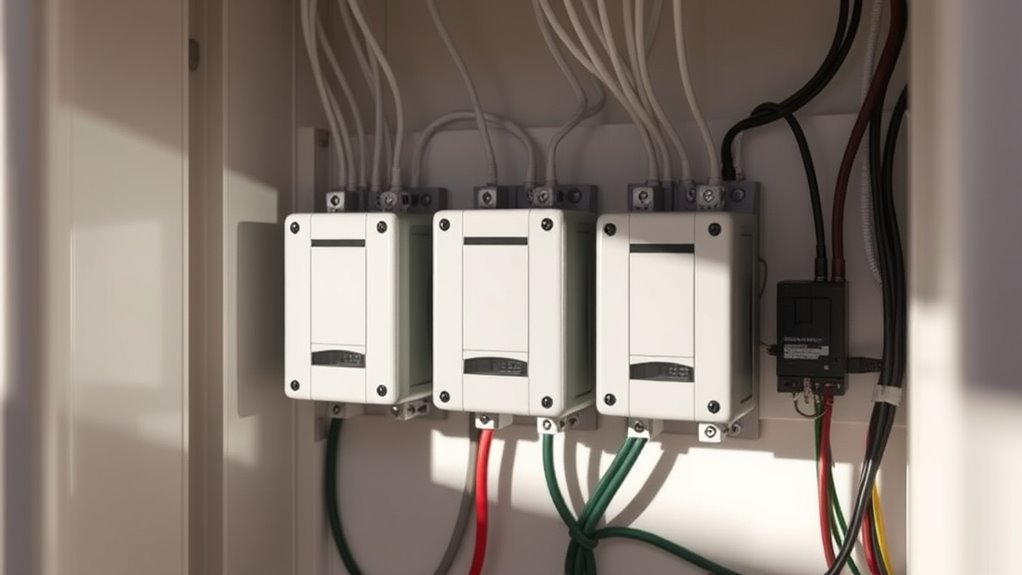
Despite their benefits, whole-home surge protection systems have some limitations that homeowners should be aware of. First, they can’t prevent every surge, especially extremely powerful ones from events like lightning strikes. Second, they wear out over time, meaning you’ll need to replace or upgrade them periodically to maintain protection. Third, these systems only protect connected devices within your home’s electrical system—they don’t shield appliances outside your home or address surges caused by other factors. Recognizing these limits helps you avoid a false sense of security. Remember, surge protection is an important layer of defense, but it’s not foolproof. Regular maintenance and supplementary protections can help ensure your home remains protected against unexpected electrical events.
Situations Where Surge Protectors May Not Fully Prevent Damage

There are certain situations where surge protectors simply can’t prevent damage to your electrical devices. Extremely powerful surges, like a direct lightning strike nearby, can overwhelm even the best whole-home systems. When a sudden, massive spike occurs, the surge may bypass your protection or cause internal damage before the system reacts. Additionally, if your home’s wiring is outdated or poorly maintained, surges may not be effectively diverted. Power fluctuations caused by utility issues or grid instability can also slip past surge protection devices. Finally, surges generated inside your home—such as from large appliances turning on or off—can sometimes escape surge protectors’ reach, especially if the devices aren’t properly grounded or are of inferior quality. In these situations, damage may still occur despite your surge protection efforts.
Proper Installation and Maintenance of Whole-Home Systems
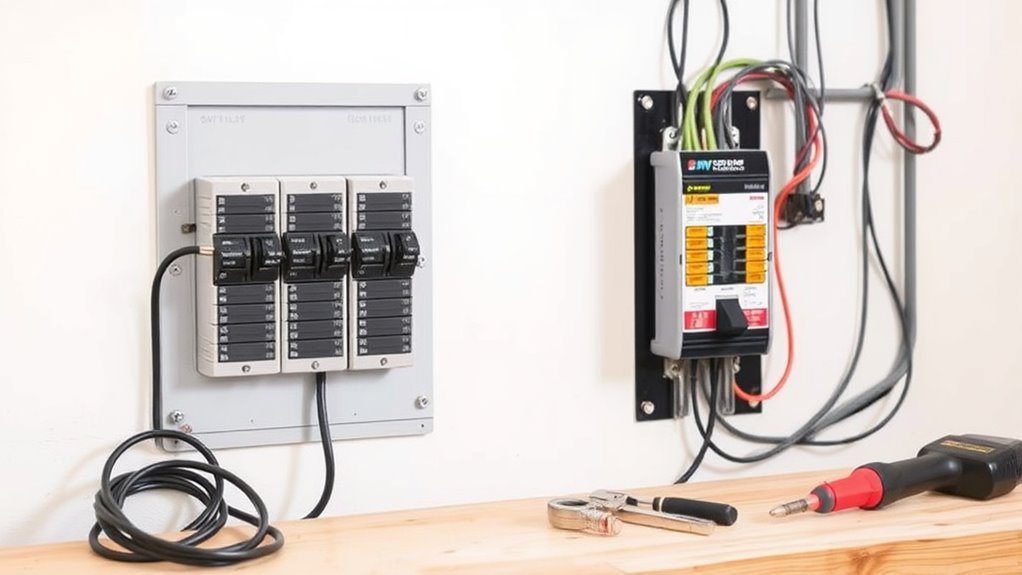
Proper installation and regular maintenance are essential to guarantee your whole-home surge protection system functions effectively. If installed improperly, it may not provide the expected safeguard against power surges, leaving your home vulnerable. To ensure peak performance:
- Hire a qualified professional to install your system, following manufacturer guidelines and local electrical codes.
- Schedule routine inspections to check for wear, corrosion, or damage that could impair protection.
- Test the system periodically using manufacturer-recommended methods to confirm it’s functioning correctly.
Neglecting these steps can reduce the system’s effectiveness, exposing your appliances and electronics to damage. Consistent care ensures your surge protector operates reliably, providing peace of mind and safeguarding your valuable investments.
Additional Measures to Complement Surge Protection
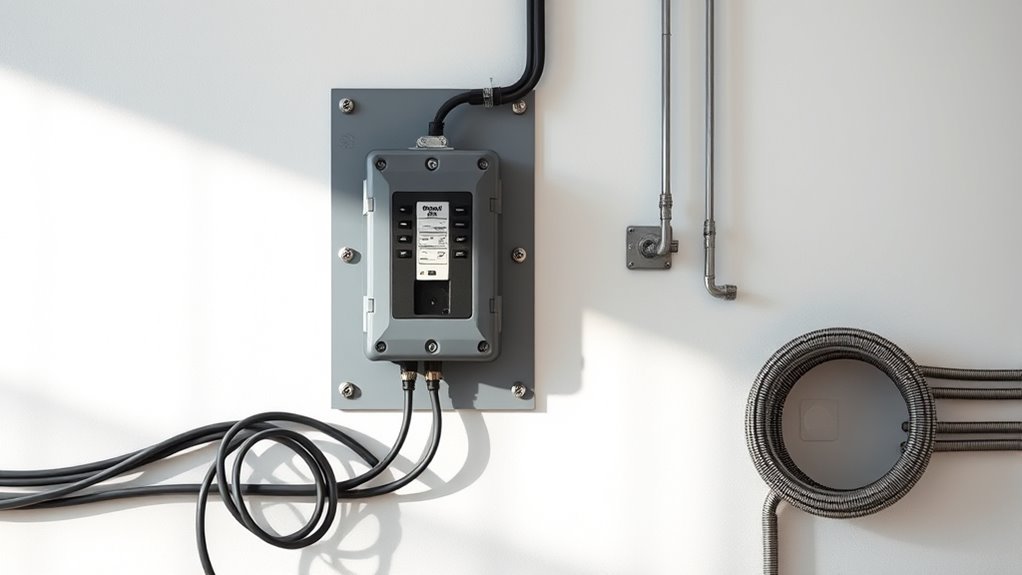
To maximize your home’s protection against power surges, consider implementing additional measures that work alongside your whole-home surge protector. Installing point-of-use surge protectors on sensitive devices adds an extra layer of defense, shielding your electronics from unexpected spikes. Using surge-protected power strips in high-risk areas like the living room or home office can prevent damage to your most valuable gadgets. Regularly inspecting your electrical system and ensuring proper grounding also make a big difference. Remember, surge protection is a team effort—no single solution is foolproof. Here’s a reminder of what’s at stake:
| Protect What Matters | Why It’s Essential |
|---|---|
| Your Computers & Devices | Safeguard your data and memories |
| Your Family’s Safety | Prevent electrical hazards |
Recognizing When to Upgrade or Replace Your Surge Protectors
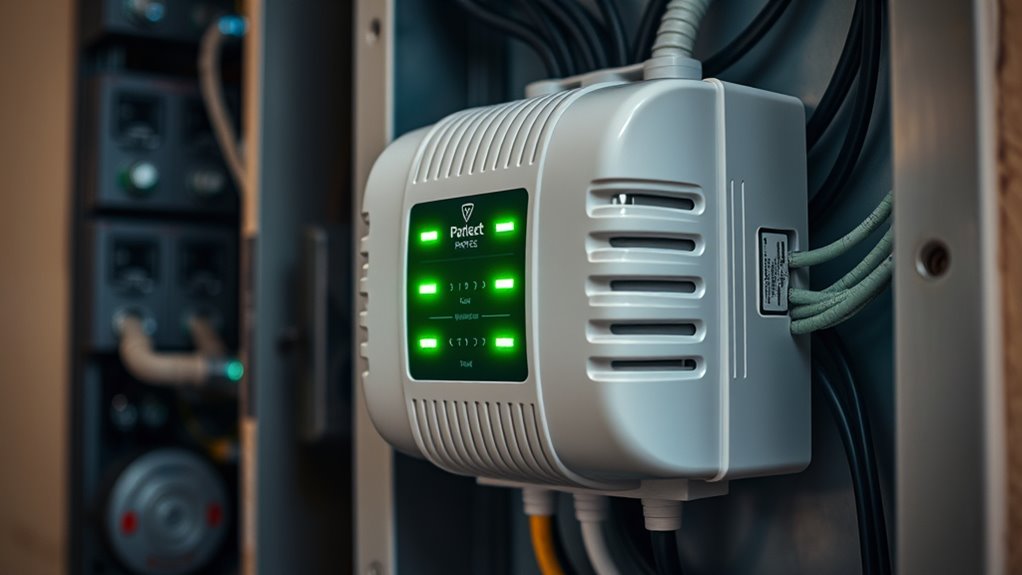
Even with additional surge protection measures in place, it’s important to stay alert to signs that your surge protectors may need upgrading or replacement. Over time, surge protectors wear out and become less effective. Here are key indicators:
- Visible damage or scorch marks on the device or wiring, signaling it’s no longer functioning properly.
- Frequent power surges or electrical issues, which can overwhelm aging protectors and reduce their lifespan.
- The age of your surge protector; most have a lifespan of 5-10 years, after which their ability to protect diminishes.
Frequently Asked Questions
Can Whole-Home Surge Protectors Prevent Damage From Lightning Strikes?
Whole-home surge protectors can reduce the risk of damage from lightning strikes, but they can’t guarantee complete protection. When lightning hits nearby, a surge protector may divert some of that excess voltage, preventing harm to your appliances. However, extremely powerful strikes might still cause damage, especially if they bypass your system or if the surge protector isn’t rated for such surges. Always consider additional safeguards for maximum protection.
Do Whole-Home Surge Protectors Interfere With Electrical Devices?
No, whole-home surge protectors usually don’t interfere with your electrical devices. In fact, they’re designed to work seamlessly, allowing your appliances to operate normally while blocking excess voltage. You might notice no difference at all, which is a coincidence since they’re quietly safeguarding your home. Just make sure they’re properly installed and maintained, so your devices stay protected without any hiccups or interruptions.
How Often Should I Test or Maintain My Surge Protection System?
You should test your surge protection system at least once a year to make certain it’s functioning properly. Check the indicator lights or read the manufacturer’s instructions for specific testing methods. Additionally, schedule professional inspections if you notice any damage or if your system has been hit by a surge. Regular maintenance helps keep your system reliable and protects your home’s electrical devices from unexpected power surges.
Are There Specific Appliances That Benefit Most From Surge Protection?
Think of your electronics as delicate plants that need shielding from harsh weather. You’ll benefit most by protecting sensitive appliances like computers, TVs, and home entertainment systems. These devices are like the most fragile flowers in your garden, easily damaged by power surges. Surge protection helps prevent costly repairs or replacements, so you should prioritize safeguarding these valuable and vulnerable appliances to keep everything running smoothly.
What Factors Influence the Cost of Installing a Whole-Home Surge Protector?
The cost of installing a whole-home surge protector depends on several factors. You should consider the size and amperage of your electrical system, as larger systems require more robust protection. The type of surge protector you choose also impacts the price, with more advanced units costing more. Additionally, installation complexity, local labor rates, and whether you need upgrades to your existing electrical panel can influence overall costs.
Conclusion
Think of your whole-home surge protector as a sturdy castle gate, shielding your valuables from fierce storms. While it defends against most surges, some lightning strikes or underestimated threats can still find their way in. Regular maintenance and additional defenses are your trusted guards, ensuring your home stays safe. Remember, even the strongest gate needs occasional reinforcements—you’re the keeper of your castle’s protection. Stay vigilant, and your home remains a fortress against electrical tempests.