
Power stations and generators differ mainly in size, purpose, and safety risks. Power stations are large, permanent facilities with high-voltage hazards, complex systems, and strict safety protocols. Generators are portable units that pose fuel, ventilation, and fire risks if misused. Knowing these differences helps you stay safe—whether preventing electrical shocks, avoiding fuel spills, or managing noise. If you keep exploring, you’ll discover key safety tips to protect yourself and others effectively.
Key Takeaways
- Power stations handle high-voltage electricity with extensive safety barriers, while generators are portable units with simpler safety protocols.
- Fuel storage and handling safety are critical for generators due to flammability, whereas power stations focus on large-scale fuel management and containment.
- Electrical hazards in power stations require complex protective measures like insulation and barriers, unlike portable generators that need basic grounding and safety checks.
- Noise safety is more significant in generators due to their smaller size and proximity to users, while power stations incorporate noise reduction measures at a larger scale.
- Emergency procedures differ: power stations rely on complex shutdown systems, while generators involve quick fuel shutoff and fire extinguisher use.

Jackery Portable Power Station Explorer 300, 292Wh Backup LiFePO4 Battery, Solar Generator for Outdoors Camping Travel Hunting Blackout (Solar Panel Optional)
SPEED UP YOUR RECHARGEABILITY: It takes only 2 hours to recharge 80% battery of the power station through...
As an affiliate, we earn on qualifying purchases.
Understanding the Basic Differences Between Power Stations and Generators

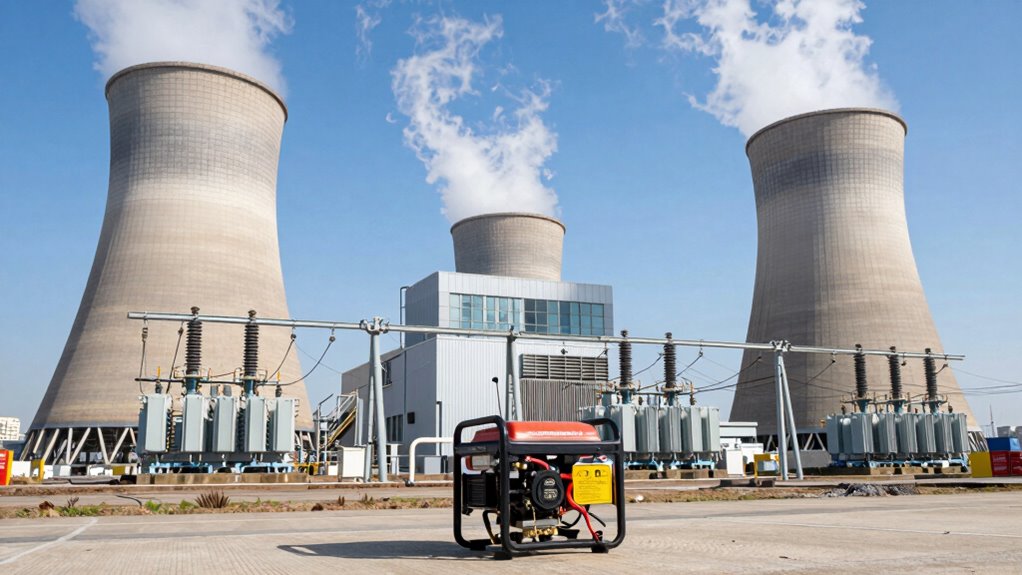
Although power stations and generators both produce electricity, they serve different purposes and operate on distinct scales. Power stations are large facilities that generate electricity continuously, supplying entire cities or regions. They typically use fossil fuels, nuclear energy, or renewables like wind and solar to produce vast amounts of power. Generators, on the other hand, are smaller, portable units designed for backup or temporary use. They can run on gasoline, diesel, or other fuels and provide electricity when the main supply is unavailable. Power stations are complex, fixed installations with extensive infrastructure, while generators are simple, movable devices. Understanding these differences helps you recognize their roles in energy supply and the safety considerations involved. Additionally, the technologies involved in power stations often require rigorous safety protocols due to their scale and complexity. Proper safety measures are essential to prevent accidents and ensure safe operation in both types of power sources.

Anker SOLIX C1000 Gen 2 Portable Power Station, 2,000W (Peak 3,000W) Solar Generator, Full Charge in 49 Min, 1,024Wh LiFePO4 Battery for Home Backup, Power Outages, and Camping (Optional Solar Panel)
49 Min UltraFast Recharging: With upgraded HyperFlash tech, fully recharge at 1,600W—for outage prepping, camping trips, or tailgating...
As an affiliate, we earn on qualifying purchases.
Electrical Safety Hazards and Precautions for Power Stations
You need to be aware of high voltage risks that can cause serious injury or fatalities if not handled properly. Always wear the appropriate protective equipment and follow safety protocols to minimize hazards. Knowing emergency procedures is vital to responding quickly and effectively if an accident occurs. Understanding load‑planning tools can help prevent overloading and reduce the risk of electrical hazards. Proper safety training ensures that personnel are prepared to handle emergencies safely and efficiently. Recognizing ethical considerations in safety practices can also promote a culture of responsibility and vigilance among workers. Incorporating safety culture principles fosters ongoing awareness and proactive risk management in electrical work environments. Additionally, familiarity with essential oils can support stress relief and mental clarity for workers operating in high-pressure safety situations.
High Voltage Risks
High voltage risks in power stations pose significant electrical safety hazards that require strict precautions. When working near high-voltage equipment, you must stay alert to prevent accidental contact or arcing. Always maintain proper clearance zones, and ensure barriers are in place to keep unauthorized personnel away. Use insulated tools and avoid any conductors that aren’t properly grounded. Be cautious of equipment malfunctions or sparks, which can cause severe injuries or fires. Follow established safety protocols, including lockout/tagout procedures, before performing maintenance. Never underestimate the danger of high voltage; a single mistake can be fatal. Regular safety training helps reinforce awareness and proper handling of high-voltage systems, reducing the risk of accidents in these high-stakes environments. Proper equipment setup and maintenance is crucial for preventing electrical failures and ensuring safety. Additionally, understanding natural hazards that can impact electrical infrastructure can help in designing safer power station environments. Recognizing potential electrical failures and their causes is essential for proactive safety management and risk mitigation. Being aware of environmental factors such as weather conditions and natural disasters can further enhance safety protocols and preparedness. Incorporating curiosity-driven inquiry into safety reviews encourages ongoing improvement and vigilance among staff to identify unseen hazards.
Protective Equipment Use
Using the right protective equipment is essential to prevent electrical injuries in power stations. Always wear insulated gloves and flame-resistant clothing to shield against electrical shocks and arc flashes. Safety helmets and face shields protect your head and eyes from flying debris or sparks. Use insulated footwear to reduce the risk of grounding and electrical conduction through your body. Verify your equipment is properly rated for the voltage levels you’re working with. Before starting any task, inspect your gear for damage or wear. Remember, personal protective equipment (PPE) isn’t just a suggestion—it’s a critical barrier against serious injuries. Properly fitting and well-maintained PPE enhances your safety and helps you work confidently in high-risk environments. Understanding PPE requirements is key to ensuring comprehensive protection in these hazardous settings.
Emergency Protocols
In the event of an electrical emergency at a power station, quick and decisive action can prevent injuries and minimize damage. First, alert your emergency response team immediately and activate the station’s alarm system. Shut down affected equipment if it’s safe to do so, following established protocols. Keep a safe distance from energized parts and avoid touching any live conductors. Use insulated tools and wear proper protective gear at all times. If someone is injured or there’s a fire, don’t attempt to handle it alone—call emergency services right away. Remember, staying calm and following your training guarantees you respond effectively while reducing risks. Regular drills strengthen your readiness, helping you act swiftly and safely during actual emergencies. Understanding modern safety protocols can further enhance your response effectiveness during critical situations. Familiarity with safety checklists ensures all necessary precautions are considered before responding to an incident. Additionally, being aware of electrical safety hazards specific to power stations helps prevent further accidents during emergency procedures. Incorporating emergency shutdown procedures into your training can significantly reduce the risk of escalation during crises. Moreover, knowing how to identify potential electrical faults can enable quicker diagnosis and more targeted responses.

BLUETTI Elite 100 V2 Portable Power Station, 1024Wh LFP Battery Backup w/ 4 1800W AC Ports (3600W Surge), 35% Smaller, Fast Charge and UPS Solar Generator for Camping, Road Trip, Outages, Home Backup
[Power 11 Devices] - With a 1024Wh capacity, Elite 100 V2 portable power station delivers 1800W AC output...
As an affiliate, we earn on qualifying purchases.
Fuel-Related Risks and Safety Measures for Generators
Fuel-related risks pose significant safety concerns for generators, especially when proper precautions aren’t taken. Gasoline and diesel are highly flammable, so spills or leaks can quickly lead to fires or explosions. Always store fuel in approved containers, away from heat sources, and avoid overfilling tanks. Never refuel a hot engine, as ignition could occur. Regularly inspect fuel lines for cracks or leaks, and replace damaged components immediately. Keep fire extinguishers nearby, specifically rated for flammable liquids. Be cautious during refueling—turn off the generator and wait for it to cool down. Additionally, proper fuel storage practices are essential to prevent accidental spills and leaks. Implementing proper fuel handling techniques can further reduce the risk of dangerous accidents. Proper ventilation in storage areas also helps prevent the buildup of toxic fumes and reduces fire hazards. Maintaining the chain of custody for fuel storage can help track potential leaks and prevent contamination. Ensuring that fuel containers are properly labeled is crucial for identifying contents quickly, especially in emergency situations. These safety measures help prevent accidents caused by fuel fires or toxic fumes, ensuring your generator operates safely and effectively without risking your safety or property.

Jackery Explorer 1000 v2 Portable Power Station,1070Wh LiFePO4 Battery,1500W AC/100W USB-C Output, 1 Hr Fast Charge, Solar Generator for Camping,Emergency, RV, Off-Grid Living(Solar Panel Optional)
Powerful yet Compact: Boasting a 1,500W AC output and a 3,000W surge peak, the Solar Generator 1000 V2...
As an affiliate, we earn on qualifying purchases.
Ventilation and Placement Considerations for Safe Operation
You need to guarantee proper ventilation to prevent dangerous buildup of fumes and keep the area safe. When placing your generator or power station, follow guidelines that promote good airflow and avoid confined spaces. Always position equipment to prevent exhaust fumes from entering indoor areas or nearby openings. Ensuring proper truck bed ventilation is crucial for safe operation. Additionally, regular monitoring of air quality can help detect harmful fumes before they accumulate to unsafe levels.
Proper Ventilation Requirements
Proper ventilation is essential for safe operation of power stations and generators, as it helps prevent the buildup of dangerous heat, fumes, and exhaust gases. You should guarantee the area has adequate airflow to disperse heat and fumes efficiently. Keep vents unobstructed and position exhaust outlets away from enclosed spaces or air intakes. Installing exhaust fans or ventilation systems can improve airflow and reduce fumes. Avoid tight, enclosed spaces that trap heat and gases, as these conditions increase fire and health risks. Regularly inspect ventilation pathways for blockages or damage. Proper ventilation not only protects your equipment but also safeguards your health by minimizing exposure to harmful fumes. Prioritize good airflow at all times to maintain a safe and functional operating environment.
Safe Placement Guidelines
Ensuring the correct placement of power stations and generators is key to maintaining safe and efficient operation. You should position units outdoors or in well-ventilated areas, avoiding enclosed spaces that trap heat and fumes. Keep them away from windows, doors, or vents to prevent exhaust buildup inside buildings. Consider the following placement factors:
| Factor | Recommendation |
|---|---|
| Ventilation | Place units in open, airy locations |
| Distance from Structures | Maintain at least 10 feet clearance |
| Obstructions | Clear surrounding debris or objects |
Proper placement reduces risks of overheating and guarantees safe operation. Always follow manufacturer guidelines and local codes, emphasizing ventilation and unobstructed airflow for maximum safety.
Avoiding Exhaust Fumes
To prevent dangerous buildup of exhaust fumes, careful ventilation and strategic placement are essential. Always position your generator or power station outdoors or in well-ventilated areas, never indoors or in enclosed spaces. Make certain the unit is placed away from windows, vents, or doors to prevent fumes from entering your home or workspace. Use exhaust extensions if necessary to direct fumes away from populated areas or air intakes. Regularly inspect ventilation systems and keep vents clear of debris. When operating, monitor the area for any signs of fume accumulation, such as fumes or odors. Proper placement and ventilation reduce health risks, prevent carbon monoxide poisoning, and ensure safe, efficient operation. Prioritize airflow and location to keep fumes out of breathing zones at all times.
Noise Levels and Their Safety Implications
Noise levels from power stations and generators can substantially impact safety and health, especially when exposure is prolonged. High noise can cause hearing loss, increase stress, and impair concentration, risking accidents. To protect yourself, consider:
- Persistent noise exposure can lead to irreversible hearing damage over time.
- Sudden loud sounds may startle you, causing accidents or mistakes.
- Chronic stress from loud environments can weaken your immune system.
- Reduced awareness of surroundings increases the risk of injuries or equipment mishaps.
Understanding these dangers helps you stay alert and proactive. Always wear hearing protection in noisy zones, limit exposure time, and maintain safe distances to safeguard your health and safety around power sources.
Handling and Storage of Fuel and Batteries
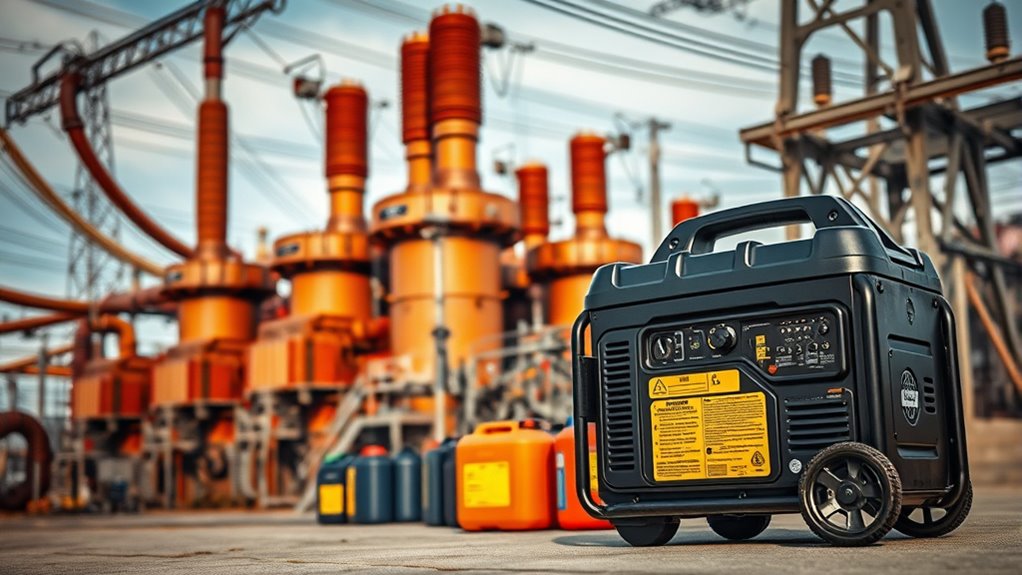
Handling and storing fuel and batteries properly is essential to prevent accidents, leaks, and fires. Always keep fuel in approved, tightly sealed containers away from heat sources, sparks, or open flames. Store batteries in cool, dry places, and ensure they are upright to prevent leaks or spills. When handling fuel, wear protective gloves and eyewear to avoid contact with harmful vapors. Regularly inspect storage areas for leaks or corrosion, and dispose of expired or damaged batteries and fuel safely according to local regulations. Label containers clearly to avoid misapplication. Never mix different types of fuel or batteries, and avoid overfilling storage tanks. Proper handling and storage reduce risks, protect your safety, and help maintain the equipment’s reliability.
Emergency Response and Troubleshooting Safety Tips
Have you ever wondered what to do immediately when a fuel leak or fire occurs? Your quick reaction can make all the difference. First, shut off the power source to prevent sparks or further damage. Second, evacuate the area to protect yourself and others from toxic fumes or flames. Third, call emergency services right away—timely help saves lives. Fourth, use the correct fire extinguisher—never water on fuel fires; instead, use a Class B extinguisher. Stay calm and focused. Remember, rushing in or improvising can escalate danger. Your safety depends on quick, informed actions. Once the situation is under control, follow proper troubleshooting steps to prevent reoccurrence. Being prepared and knowing these safety tips is essential for safeguarding yourself and others.
Long-Term Safety Maintenance and Device Checks
Regular long-term safety maintenance and device checks are essential to guarantee your power station or generator operates reliably and safely over time. You should schedule routine inspections to identify wear, corrosion, or loose connections before they become bigger problems. Check fuel lines, filters, and oil levels regularly, and replace parts as recommended by the manufacturer. For power stations, ensure battery health and inverter performance are ideal. With generators, inspect spark plugs, belts, and cooling systems periodically. Keep a maintenance log to track service dates and repairs. Performing these checks prevents unexpected failures, reduces safety hazards, and extends the lifespan of your equipment. Staying proactive with maintenance ensures your power source remains safe and dependable when you need it most.
Frequently Asked Questions
How Do Power Station Safety Protocols Differ From Portable Generator Safety?
You need to know that power station safety protocols are more complex, involving strict access controls, extensive training, and advanced emergency procedures. Portable generators, on the other hand, require simple safety measures like proper ventilation, avoiding overloads, and keeping them dry. You must follow these protocols closely to prevent accidents, electrical shocks, or fires. Always read the safety instructions and verify your setup is correct before operating either device.
Are There Specific Regulations for Installing Power Stations Versus Generators?
Installing power stations and generators isn’t just a small task; it’s a massive responsibility. Yes, there are specific regulations for each—power stations require compliance with strict environmental and safety standards, often involving permits and detailed planning. Generators, especially portable ones, have simpler rules but still need proper grounding and ventilation. Always check local codes and consult professionals to guarantee safe, legal installation for either.
What Personal Protective Equipment Is Recommended for Operating Each Device?
When operating power stations and generators, you should wear personal protective equipment like insulated gloves, safety goggles, and hearing protection. For power stations, add flame-resistant clothing and respiratory masks if there’s a risk of exposure to hazardous fumes or high heat. Always guarantee your PPE fits well, stays in good condition, and use it consistently to minimize electrical shocks, burns, and other injuries during operation.
How Should Accidental Leaks or Spills Be Safely Managed?
If you encounter accidental leaks or spills, act quickly by isolating the area and wearing appropriate PPE like gloves and goggles. Ventilate the space if possible, and contain the spill with barriers or absorbent materials. Avoid contact with the substance, and never try to clean it up alone if it’s hazardous. Report the incident to the proper authorities immediately and follow established safety protocols to prevent further risks.
What Are the Safety Considerations for Maintenance Personnel Working on These Devices?
Think of maintenance work as walking a tightrope—you need focus and precautions. You should always wear proper protective gear, follow lockout/tagout procedures, and inspect equipment thoroughly before working. Keep a clear space around your work area, and be aware of high voltage areas and moving parts. Communicate with your team constantly, and never rush. Safety is the safety net that keeps you from falling.
Conclusion
Understanding the safety differences between power stations and generators isn’t just technical—it’s vital for your safety. Many believe that all backup power sources are equally safe, but in reality, each has unique risks that require specific precautions. By staying informed and following proper safety measures, you can prevent accidents and ensure reliable operation. Remember, investing in safety isn’t just about equipment; it’s about protecting yourself and those around you every time you power up.