Good indoor air feels crisp, fresh, and clean—like breathing easily in a space where pollutants, dust, and odors are kept at bay. When your environment meets air quality standards, it promotes a sense of comfort and clarity, reducing congestion and fatigue. You’ll notice it as a naturally breathable space that energizes you rather than drains you. To truly understand what contributes to this feeling, stay with us—there’s more to uncover about creating ideal indoor air quality.
Key Takeaways
- Good indoor air feels fresh, clean, and breathable, without noticeable odors or irritants.
- It promotes a sense of clarity, alertness, and overall well-being.
- You experience fewer symptoms like congestion, headaches, or fatigue.
- The environment maintains a comfortable humidity level, preventing mold and dryness.
- It reflects effective ventilation, low pollutant levels, and consistent cleanliness.

Indoor air quality is tricky because it isn’t always directly regulated by the same pollution standards that apply outdoors. However, many organizations and health agencies have guidelines to help you gauge whether your indoor environment is safe and healthy. When your indoor air meets or exceeds these standards, it generally means fewer irritants and pollutants like volatile organic compounds (VOCs), dust, mold spores, and other allergens are present. This results in a space that feels fresher, cleaner, and more comfortable. You might notice that your breathing feels easier, your allergies are less triggered, and your overall energy levels improve. Additionally, choosing the right air purifier models can make a significant difference in maintaining these standards indoors.
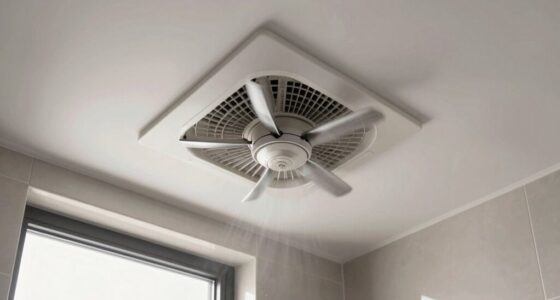
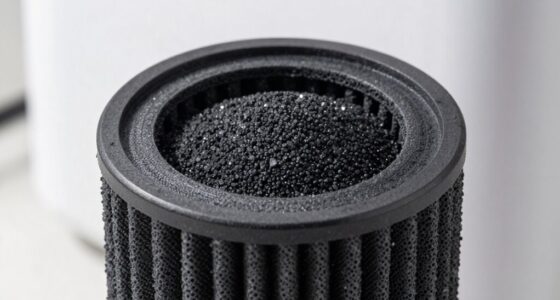
Achieving “good” indoor air isn’t just about meeting specific pollution standards; it’s about creating an environment where pollutants are minimized. Proper ventilation plays a crucial role here—bringing in fresh air and exhausting stale air reduces indoor pollutant levels. Using air purifiers with HEPA filters can also catch tiny particles that might cause discomfort or health issues. Keeping humidity levels in check prevents mold growth, which can otherwise compromise indoor air quality. Regular cleaning routines eliminate dust and allergens from surfaces, reducing the chances of them becoming airborne.
When your indoor air aligns with accepted standards, it doesn’t just mean compliance—it translates into a feeling of well-being. It’s the difference between feeling sluggish or congested and waking up refreshed and breathing freely. You notice fewer headaches, less nasal congestion, and a general sense of clarity in your space. Achieving good indoor air quality isn’t about perfection but about consistent efforts to keep pollutants at bay. It’s about creating an environment that feels naturally fresh, where you can breathe deeply without worry.
Ultimately, calibrating your expectations for “good” air involves recognizing that clean indoor air isn’t just a standard on paper—it’s a tangible feeling. It’s the sense of purity, freshness, and comfort that makes your space a healthier place to live and work. By understanding pollution standards and actively maintaining your indoor environment, you can ensure that the air you breathe in your daily life is as close to ideal as possible.
Frequently Asked Questions
How Is Air Quality Measured Across Different Regions?
You can see how air quality is measured across different regions through regional monitoring stations that use measurement techniques like sensors and air sampling. These stations collect data on pollutants such as PM2.5, ozone, and NO2. The information is then analyzed and reported using air quality indices, helping you understand the air’s cleanliness or pollution level in your area and guiding health advisories and policy decisions.
Can Personal Habits Influence Perceived Air Quality?
Think of indoor pollutants as uninvited guests, and your habits as the host’s choices. Yes, your personal habits can influence perceived air quality by reducing indoor pollutants, lowering your personal exposure. For example, regular ventilation and avoiding smoking indoors can make the air feel fresher. Small changes, like cleaning filters or choosing natural products, help you control your environment, making good air feel more attainable and comfortable.
What Health Effects Are Linked to Various Air Quality Levels?
Poor air quality can cause health issues like allergies, asthma, and respiratory infections. Indoor pollutants and airborne allergens can trigger symptoms and worsen existing conditions. Moderate or good air quality helps you breathe easier, reducing irritation and health risks. When air quality drops, you might experience coughing, headaches, or fatigue. Staying aware of air levels allows you to take steps to protect your health and minimize exposure to harmful indoor pollutants and allergens.
How Often Do Air Quality Standards Change?
Think of air quality standards updates like seasons changing; they happen periodically but not on a strict schedule. Usually, air quality policies are reviewed every few years to reflect new research and health data. Agencies like the EPA monitor conditions and revise standards as needed, often every 3 to 5 years. Staying informed guarantees you’re prepared for shifts, just like adjusting to changing seasons.
Are There Seasonal Variations in What’s Considered “Good” Air?
Yes, seasonal air varies, impacting what’s considered “good.” During winter, you might find clearer air with lower pollution levels, especially in colder regions, while summer can bring increased smog and allergens, affecting regional air quality standards. Your perception of “good” air shifts with seasonal changes and regional variations, so it’s essential to stay updated on local air quality reports year-round, especially if you’re sensitive to pollution or allergies.
Conclusion
Now that you understand what “good” air truly feels like, you can better recognize healthy conditions around you. Think of clean air as a revitalizing breeze on a warm day—invigorating and uplifting. By adjusting your expectations and staying informed, you’ll be more prepared to breathe easier and appreciate the air quality when it’s at its best. Remember, your awareness is like a compass guiding you toward healthier, more comfortable days ahead.