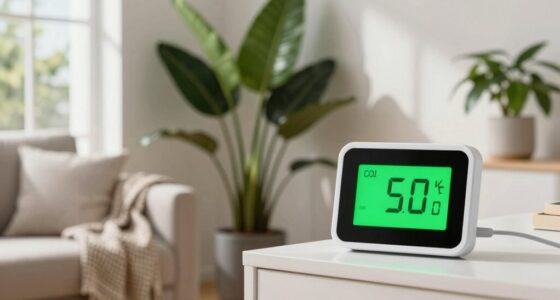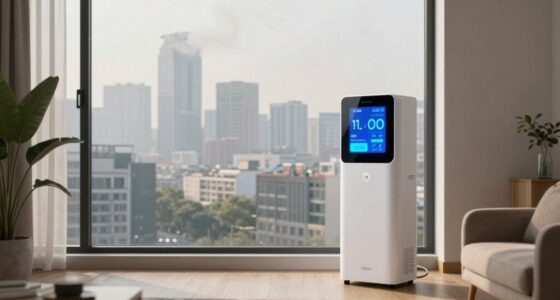
A stale smell often means your home has poor ventilation, trapping indoor pollutants, moisture, and odors. Blocked or dirty vents, inadequate airflow, or high humidity can cause stuffiness and mold risks. Activities like cooking and cleaning release smell and chemicals that linger if your air isn’t properly circulated. To fix this, make certain proper airflow with natural or mechanical methods. Keep exploring to discover practical steps that can refresh your home’s air and eliminate that persistent musty smell.
Key Takeaways
- Poor ventilation causes stale indoor air to accumulate, leading to persistent musty odors.
- Hidden blockages in vents and ductwork restrict airflow, trapping odors inside your home.
- Insufficient or poorly designed ventilation systems fail to exchange indoor air effectively.
- High indoor humidity promotes mold growth and damp odors, contributing to stale smells.
- Lack of regular maintenance and filter replacement reduces airflow, worsening indoor air quality and odors.
Recognizing the Signs of Poor Air Circulation
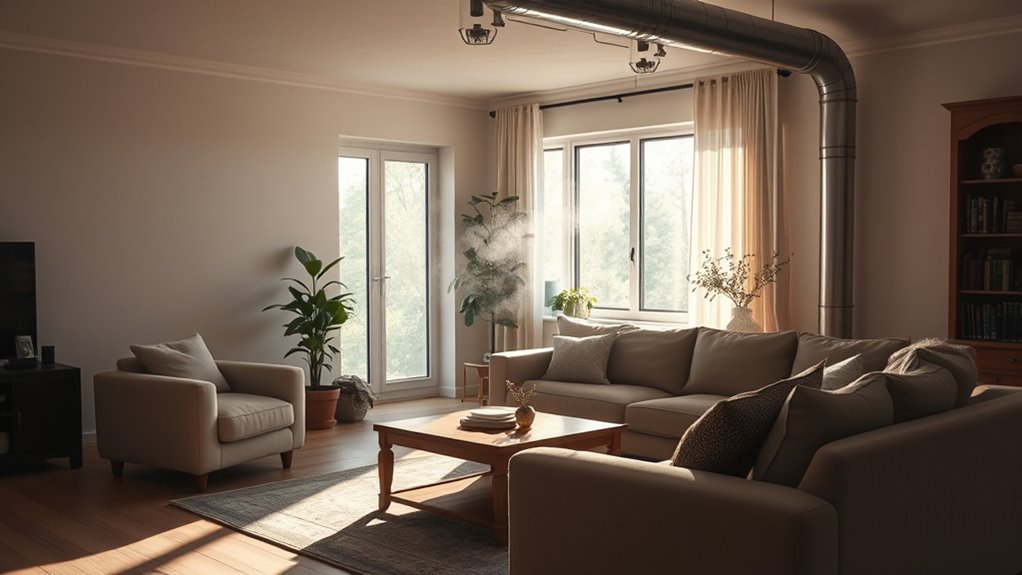
Poor air circulation often goes unnoticed until it starts causing noticeable discomfort or health issues. You might feel stuffy or notice a persistent stale smell that won’t go away. If you find yourself sneezing more often or experiencing headaches, poor airflow could be be the culprit. You may also notice that your home feels unusually humid or damp, which can lead to mold growth. Another sign is uneven temperatures, with some rooms feeling colder or hotter than others, despite the thermostat settings. When fresh air isn’t moving through your space effectively, it creates stagnant air that can affect your breathing and overall comfort. Improving airflow can significantly reduce these issues and promote a healthier living environment. Ensuring proper air exchange helps to maintain a fresh, comfortable atmosphere throughout your home. Additionally, installing or upgrading your ventilation system can help optimize air quality and prevent these common problems. Regularly inspecting and maintaining your ventilation components can also prevent stale indoor air from accumulating over time.
Common Causes Behind Inadequate Ventilation

Hidden air blockages can silently restrict airflow, making your space feel stuffy. Poor ventilation design often causes airflow to be uneven or insufficient, creating pockets of poor air quality. Understanding these common causes helps you address issues more effectively and improve your indoor environment. Additionally, simple strategies can enhance overall airflow, ensuring your home remains fresh and welcoming. Properly designed ventilation systems consider airflow patterns, which can prevent stagnation and promote healthier air circulation throughout your space. Incorporating automatic ventilation controls can further optimize airflow based on real-time conditions, reducing the risk of stale air buildup. Recognizing airflow dynamics allows for better planning and troubleshooting of ventilation issues, leading to a more comfortable home environment.
Hidden Air Blockages
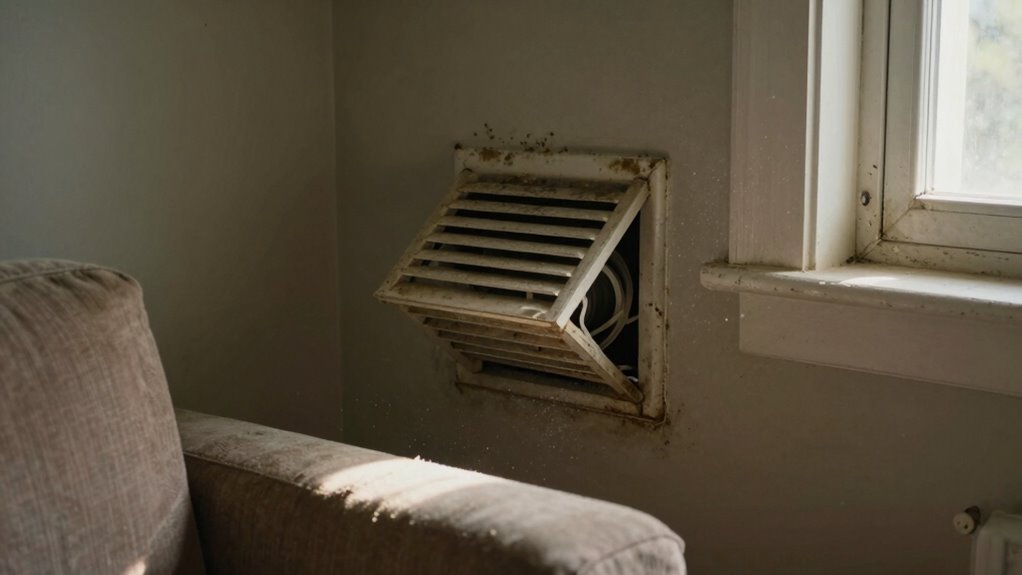
Even when ventilation systems seem to be functioning properly, unseen air blockages can considerably reduce airflow. These hidden obstructions might be dust buildup inside vents, clogged filters, or debris lodged in ductwork. Over time, dirt and grime can accumulate unnoticed, restricting the movement of fresh air into your home and trapping stale air inside. Sometimes, furniture or storage items block air vents, creating a physical barrier that hinders airflow. Additionally, paint or sealant on vents can restrict air passage if not properly maintained. Natural ventilation can be an effective way to supplement mechanical systems and improve overall airflow. These concealed blockages often go unnoticed because they’re out of sight, but their impact is significant, leading to poor air circulation, increased humidity, and that stale, stuffy smell you want to eliminate. Regular inspection and cleaning are vital to prevent these invisible obstacles.
Poor Ventilation Design
While regular cleaning can eliminate many unseen obstructions, some ventilation issues stem from how your system is designed. Poor layout or inadequate planning can block airflow and trap stale air inside. To improve this, look out for these common design flaws:
- Insufficient vents or windows in key areas, limiting fresh air intake.
- Poor placement of exhaust fans that don’t effectively remove indoor air.
- Narrow or blocked ductwork that restricts airflow and reduces ventilation efficiency.
These issues prevent proper air exchange, leading to stale smells and poor indoor air quality. Addressing design flaws requires evaluating your home’s layout and upgrading ventilation features. Properly designed systems ensure fresh air circulates freely, keeping your home smelling fresh and feeling healthier.
The Impact of Indoor Activities on Air Quality
Your indoor activities, like cooking and using cleaning agents, directly affect air quality. These actions can introduce odors, chemicals, and moisture that worsen ventilation issues. Understanding their impact helps you improve your home’s air and stay healthier. Additionally, proper ventilation techniques can significantly reduce indoor pollutants and odors, creating a fresher and safer environment. Incorporating air filtration systems can further enhance air quality by removing airborne contaminants, including volatile organic compounds, which are common indoor pollutants. Regular maintenance of HVAC systems also plays a crucial role in ensuring optimal airflow and indoor air purity. Emphasizing eco-friendly indoor air quality solutions can support sustainable living practices and promote a healthier home environment.
Cooking and Odors
Have you ever noticed how cooking can quickly fill your home with strong odors and airborne particles? These fumes aren’t just unpleasant; they can degrade indoor air quality. When you cook, you introduce various pollutants into the air, including grease, smoke, and volatile organic compounds (VOCs). To minimize their impact, consider these steps:
- Use range hoods or exhaust fans to vent fumes outside.
- Keep windows open during and after cooking for proper air exchange.
- Cover pots and pans to reduce the spread of particles and odors.
Cleaning Agents’ Effects
Cleaning agents are a common part of maintaining a tidy home, but they can substantially influence indoor air quality. Many products release volatile organic compounds (VOCs) that linger in the air long after cleaning. These chemicals can cause headaches, dizziness, or respiratory irritation, especially in poorly ventilated spaces. Some air fresheners and disinfectants contain strong fragrances or chemicals that mask odors but don’t improve air quality. Over time, repeated use of these products can lead to a buildup of indoor pollutants, making your home feel stuffy or stale. To reduce their impact, opt for natural or fragrance-free cleaning options, and always ensure proper ventilation during and after cleaning. Additionally, choosing fragrance-free cleaning products can significantly lessen indoor VOC levels. This simple step helps keep indoor air fresh and healthier for you.
Humidity and Mold
Since indoor activities like cooking, bathing, and laundry release moisture into the air, maintaining proper humidity levels is essential for good air quality. Excess humidity creates a perfect environment for mold growth, which can cause musty odors and health issues. To keep your home safe, consider these steps:
- Use exhaust fans or open windows during activities that add moisture.
- Keep indoor humidity between 30-50% with a hygrometer.
- Fix leaks and address any water intrusion promptly to prevent mold spores from settling.
Controlling humidity not only reduces mold risk but also prevents stale smells. Proper ventilation and humidity management are your best defenses against mold growth and indoor air problems.
How Humidity Levels Affect Your Home’s Freshness
Humidity levels play a essential role in maintaining your home’s freshness. When humidity is too high, it creates a damp environment that fosters mold, mildew, and musty odors, making your home feel stale. Excess moisture also hampers air circulation, trapping odors and pollutants inside. On the other hand, low humidity can dry out your skin and cause dust to become airborne, which can worsen allergy symptoms and diminish air quality. Maintaining balanced humidity—ideally between 40-60%—keeps the air feeling fresh and clean. It helps prevent mold growth and reduces the likelihood of musty smells lingering. Proper humidity levels support natural ventilation processes, making your home feel more comfortable and inviting. Additionally, using water-resistant materials in your home construction can further help control humidity and improve overall air quality. Regularly monitoring humidity levels with a hygrometer is essential for maintaining optimal indoor conditions. An understanding of air exchange rates can help you optimize your home’s ventilation system for better air quality. Adjusting humidity is a simple yet effective step toward a fresher, healthier living space, and ensuring proper ventilation techniques can significantly enhance indoor air quality.
The Role of Natural Ventilation in Maintaining Airflow
Natural ventilation, like cross ventilation, plays a key role in keeping your indoor air fresh and healthy. By creating airflow between openings, you can considerably improve indoor air quality without relying on machines. This simple strategy helps you enjoy a more comfortable and cleaner living environment.
Benefits of Cross Ventilation
Cross ventilation plays a crucial role in maintaining healthy indoor air quality by promoting continuous airflow throughout a space. It helps remove indoor pollutants, reduces humidity, and refreshes stale air naturally. When you open windows on opposite sides of your home, you create a pathway for fresh air to enter and stale air to exit. This process offers several benefits: 1. Improves air circulation, preventing musty odors and mold buildup. 2. Reduces reliance on mechanical systems, saving energy and lowering costs. 3. Balances indoor temperature, making your home more comfortable without extra heating or cooling. Furthermore, curiosity about airflow patterns can inspire you to optimize your home’s ventilation for better health and comfort. Incorporating natural ventilation techniques can also enhance airflow efficiency, ensuring your indoor environment remains fresh and healthy. Additionally, understanding dreams of deceased loved ones can provide emotional comfort, much like good ventilation provides physical relief. Exploring ventilation design principles can help you create an even more effective airflow strategy tailored to your home’s layout.
Enhancing Indoor Air Quality
Maintaining good indoor air quality is essential for your health and comfort, and natural ventilation plays a key role in achieving this. By opening windows and doors regularly, you allow fresh air to circulate, diluting indoor pollutants and reducing humidity levels. This process helps remove airborne irritants like dust, pet dander, and volatile organic compounds that can cause allergies or respiratory issues. To maximize airflow, consider creating a cross breeze by opening windows on opposite sides of your home. Using vents and exhaust fans also supports continuous air exchange. Regularly ventilating your space not only freshens the air but also prevents stale odors from lingering. Incorporating natural ventilation into your routine is a simple, effective way to improve indoor air quality and promote healthier living conditions.
When to Consider Mechanical Ventilation Solutions
Knowing when to contemplate mechanical ventilation solutions is essential for effectively addressing ventilation problems. If you notice persistent stale odors, excessive humidity, or mold growth despite natural ventilation efforts, it’s time to explore mechanical options. Consider these signs:
- Natural ventilation isn’t enough to remove indoor pollutants or control humidity.
- You experience frequent allergy or respiratory issues that improve with better airflow.
- Your home feels consistently stuffy or damp, even after opening windows and doors.
Mechanical systems, like exhaust fans or heat recovery ventilators, can improve air exchange when natural methods fall short. If these signs sound familiar, it’s a clear indication that investing in mechanical ventilation could considerably enhance your indoor air quality and overall comfort.
Simple Steps to Boost Your Home’s Ventilation
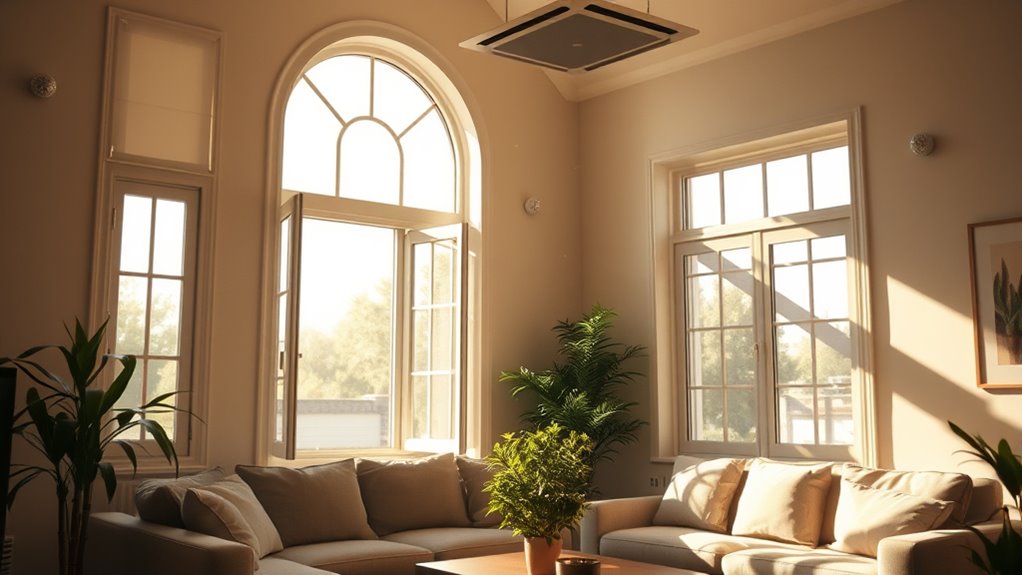
Improving your home’s ventilation doesn’t have to be complicated; simple, everyday actions can make a noticeable difference. Start by opening windows regularly to let fresh air in and stale air out. Use exhaust fans in the kitchen and bathroom to remove excess moisture and odors. Keep interior doors open when possible to promote better airflow between rooms. Consider using ceiling fans or portable fans to circulate air more effectively. If you notice windows that don’t open easily, repair or replace them to improve ventilation options. Additionally, avoid blocking vents or air vents with furniture or curtains. These small steps help refresh indoor air, reduce stale smells, and support a healthier living environment without the need for extensive renovations.
The Relationship Between Ventilation and Indoor Allergens
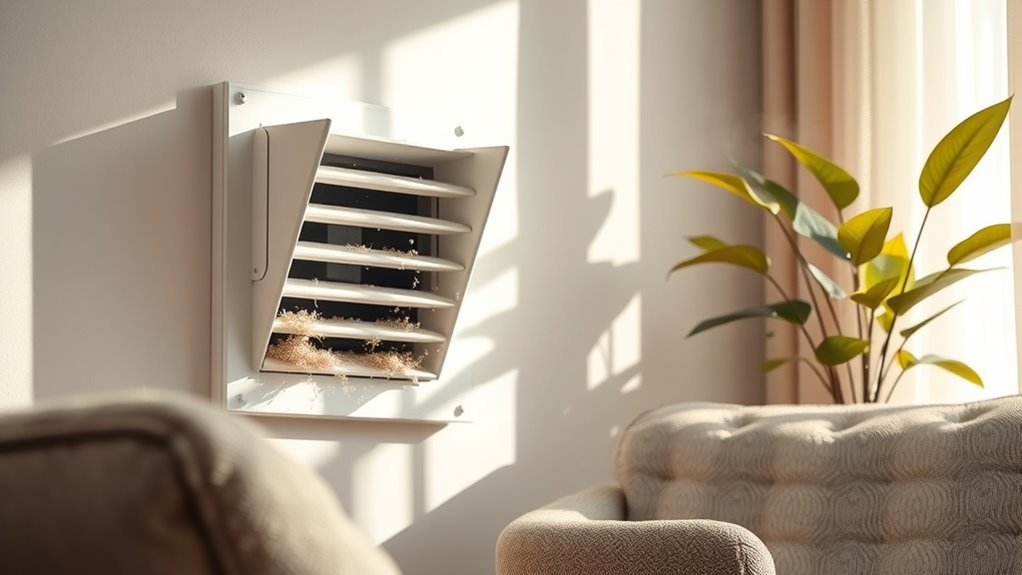
When ventilation is inadequate, indoor allergens like dust, mold, and pet dander can accumulate, making it harder for you to breathe comfortably. Poor airflow traps these allergens, increasing their concentration and worsening allergy symptoms. To reduce this buildup, focus on:
Inadequate ventilation traps allergens, worsening allergy symptoms and indoor air quality.
- Increasing fresh air exchange by opening windows regularly.
- Using exhaust fans in kitchens and bathrooms to remove dampness.
- Maintaining HVAC filters and cleaning vents to prevent allergen buildup.
Proper ventilation helps dilute indoor allergens and remove moisture that fosters mold growth. Without it, allergens linger, increasing your exposure and discomfort. Ensuring good airflow isn’t just about freshness; it’s essential for healthier indoor air quality. Addressing ventilation issues directly reduces allergen levels and creates a more comfortable living environment.
Identifying Hidden Sources of Indoor Air Pollution
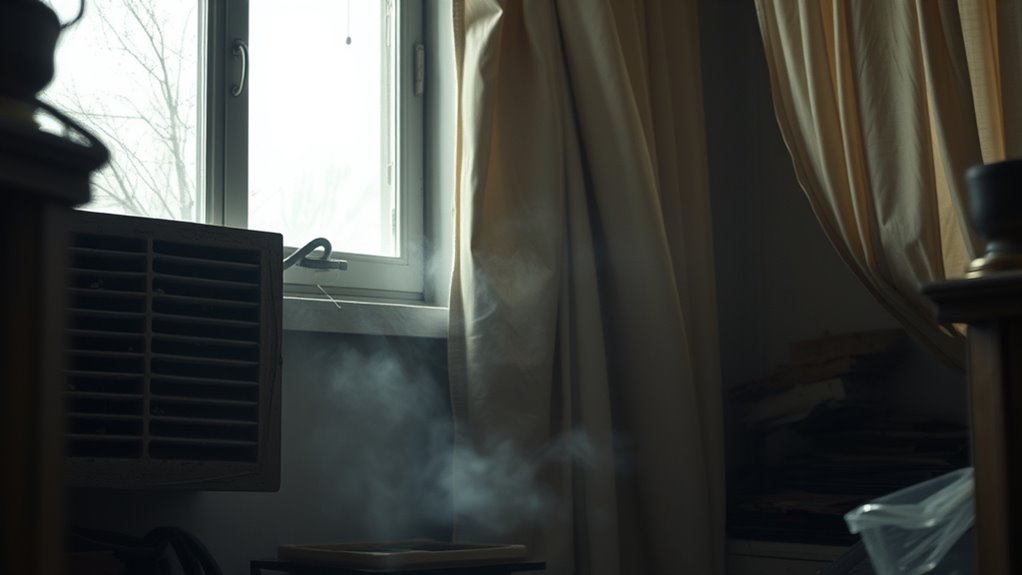
Have you considered that some sources of indoor air pollution might be hidden and easily overlooked? Common items like cleaning products, air fresheners, or scented candles can release volatile organic compounds (VOCs) that quietly degrade your indoor air quality. Building materials such as pressed wood furniture, carpeting, or paint may emit fumes over time. Even appliances like your stove or heater can produce pollutants if not properly maintained. Hidden mold growth behind walls or under flooring can release spores that impact your health. Keep an eye on these subtle sources, as they often go unnoticed but contribute notably to stale air and indoor pollution. Identifying and addressing these hidden offenders is essential to improving your home’s air quality and ensuring a fresher, healthier environment.
Tips for Regular Maintenance of Ventilation Systems

Regular maintenance is essential to keep your ventilation systems functioning effectively and guarantee good indoor air quality. To prevent stale smells and ensure ideal airflow, follow these tips:
- Clean or replace filters regularly: Check filters monthly and replace them every 3 months or as needed to maintain air quality.
- Inspect and clean vents and ducts: Remove dust, debris, or mold buildup by vacuuming or wiping vents and scheduling professional duct cleanings annually.
- Schedule professional check-ups: Have a HVAC technician examine your system annually to identify issues early and ensure it operates efficiently.
Consistent upkeep prevents blockages, reduces allergens, and improves air circulation. Staying proactive with maintenance keeps your home smelling fresh and your ventilation system working at its best.
Frequently Asked Questions
Can Poor Ventilation Cause Long-Term Health Issues?
Yes, poor ventilation can cause long-term health issues. When your home doesn’t circulate fresh air, indoor pollutants like mold, dust, and chemicals can accumulate, leading to respiratory problems, allergies, and even asthma. Over time, these issues may worsen and affect your overall well-being. To protect yourself, guarantee proper ventilation by opening windows regularly, using exhaust fans, and maintaining your HVAC system. Good airflow is essential for your health.
How Does Ventilation Affect Indoor Mold Growth?
You might be surprised to learn that poor ventilation can increase indoor mold growth by up to 50%. When airflow is limited, moisture from daily activities like cooking and showering doesn’t dissipate properly, creating ideal conditions for mold to thrive. To prevent this, regularly open windows, use exhaust fans, and ensure your HVAC system is functioning well. Good ventilation keeps moisture levels in check, reducing mold risk and maintaining healthier indoor air.
Are Air Purifiers Effective Against Stale Indoor Odors?
Yes, air purifiers can be effective against stale indoor odors. They work by trapping airborne particles and neutralizing smells with activated carbon filters or UV light. However, they’re not a complete solution if poor ventilation is the root cause. To truly eliminate stale odors, you should improve airflow by opening windows, using exhaust fans, or upgrading your ventilation system alongside using an air purifier.
What Are the Best DIY Methods to Improve Airflow?
Think of your home as a living organism needing fresh blood—air. To boost airflow, open windows regularly to invite in a breeze, and create cross-ventilation by positioning fans across from each other. Use exhaust fans in kitchens and bathrooms, and keep vents clear of dust and debris. These simple steps act as the heart pumping essential energy through your space, ensuring your home feels alive and fresh.
How Often Should Ventilation Systems Be Professionally Inspected?
You should have your ventilation system professionally inspected at least once a year. Regular inspections guarantee that filters are clean, ducts are free of obstructions, and the system operates efficiently. If your home has high humidity, pets, or if anyone smokes indoors, consider more frequent check-ups. Proper inspection and maintenance keep the air fresh, improve energy efficiency, and prevent potential indoor air quality issues.
Conclusion
Did you know that poor ventilation can cause indoor air to be up to five times more polluted than outside air? By recognizing signs like musty smells and taking simple steps to improve airflow, you can dramatically boost your home’s freshness. Regular maintenance and mindful habits help keep allergens and pollutants at bay. Don’t wait—improve your ventilation today for a healthier, more comfortable living space you’ll love coming home to.