
The ideal humidity range for your comfort and home health is between 30% and 50%. Staying within this range helps prevent dry skin, static, and respiratory issues, while also avoiding mold and dust mites. To keep your indoor environment balanced, monitor humidity levels regularly and use humidifiers or dehumidifiers as needed. If you want to discover simple ways to maintain this comfortable zone, there’s more valuable info ahead.
Key Takeaways
- The ideal indoor humidity range for comfort and health is 30% to 50%.
- Maintaining this range prevents mold growth, dust mites, and bacteria.
- Proper humidity levels reduce dry skin, static, and respiratory issues.
- Monitoring with hygrometers helps keep humidity within the optimal range.
- Using humidifiers or dehumidifiers ensures a balanced and comfortable home environment.
Understanding the Ideal Humidity Range for Comfort and Health

Maintaining the right humidity level is essential for both comfort and health. The ideal range generally falls between 30% and 50%. When humidity is too low, your skin and mucous membranes dry out, leading to irritation and increased susceptibility to colds and respiratory issues. On the other hand, high humidity creates a damp environment that encourages mold growth, dust mites, and bacteria, which can worsen allergies and asthma. Staying within this range helps keep your skin hydrated, supports nasal passages, and prevents both dryness and excess moisture. Proper humidity balance also influences indoor air quality and how comfortable your home feels overall. It contributes to a more comfortable environment, reducing static electricity and helping your home feel cozy without feeling damp or clammy. Maintaining optimal humidity levels can also support the performance of electronic devices like bike generators, preventing damage caused by excess moisture. Additionally, consistent humidity levels can help protect building materials from deterioration caused by moisture fluctuations. Proper humidity balance is key to maintaining your overall well-being at home.
How Humidity Levels Impact Your Home Environment
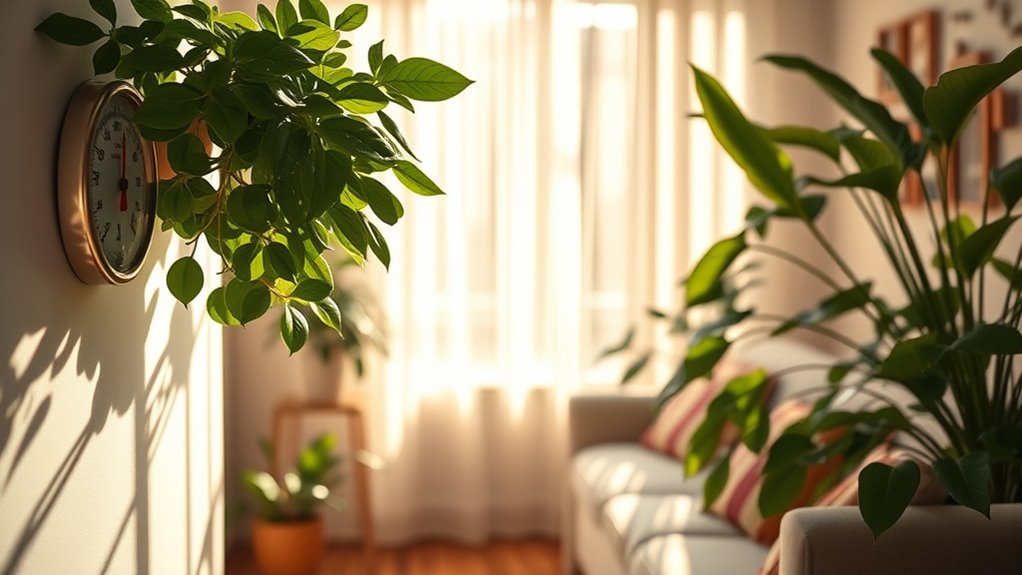
Humidity levels directly influence the comfort, safety, and cleanliness of your home environment. When humidity is too high, it fosters mold growth, dust mites, and musty odors, which can harm your health and damage your belongings. Conversely, low humidity causes dry skin, static electricity, and increases dust circulation. Maintaining the right range helps protect your home’s structure and improves air quality. Proper humidity levels also support indoor air quality, making your home healthier and more comfortable. Ensuring optimal humidity levels can also help prevent mold growth and reduce allergens, creating a safer environment for everyone. Additionally, using hygrometer devices can help you monitor and maintain the ideal humidity range effectively.
Maintaining the correct humidity level is essential for home maintenance, as it can influence the longevity of your home’s materials and furnishings. Here’s how different humidity levels impact your space:
| Humidity Level | Effect on Home Environment | Recommended Action |
|---|---|---|
| Below 30% | Dry air, static, respiratory irritation | Use humidifiers, add houseplants |
| 30-50% | Ideal comfort, mold prevention | Maintain with humidifiers/dehumidifiers |
| Above 50% | Mold, dust mites, musty odors | Use dehumidifiers, improve ventilation |
Signs That Your Humidity Is Too Low or Too High
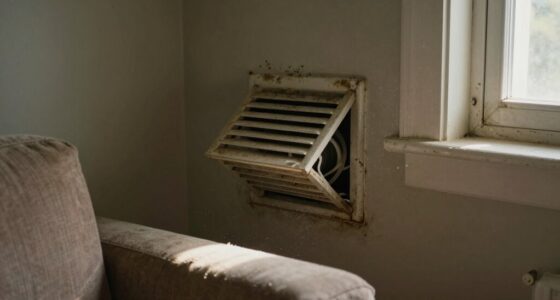
If you notice persistent musty odors or visible mold growth, your home’s humidity levels might be too high. High humidity creates a damp environment that encourages mold and mildew. Conversely, low humidity can cause dry skin, cracked wood, and static shocks. Signs your humidity is off include:
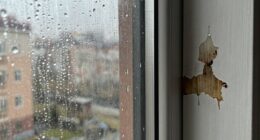
- Excessive condensation on windows
- Persistent dry skin or irritated eyes
- Cracked or peeling wood furniture and floors
- Frequent static shocks
- Musty smells or mold spots
Monitoring these signs helps you identify if your humidity needs adjusting. Proper humidity levels contribute to home comfort and help prevent issues like mold growth and damage. Too much moisture fosters mold, while too little can damage your home and affect your comfort. Recognizing these symptoms early allows you to take corrective steps before problems escalate, such as using a humidifier or dehumidifier to maintain ideal levels. Additionally, understanding the ideal humidity range for your home can help you make informed adjustments and maintain a healthy environment. Maintaining proper humidity levels also supports the building materials in your home, reducing wear and extending their lifespan.
Tips for Maintaining the Perfect Humidity Balance
Finding the right balance in humidity levels can prevent issues like mold, dry skin, and static shocks. To maintain this balance, regularly monitor your home’s humidity with a reliable hygrometer. Keep windows open when weather permits to naturally ventilate and reduce excess moisture or dryness. Use exhaust fans in bathrooms and kitchens to vent humidity outside. During dry seasons, consider using a humidifier to add moisture; in humid weather, run a dehumidifier or air conditioner to remove excess dampness. Keep indoor plants to a healthy level, as they can help regulate humidity naturally. Avoid over-using heating or cooling systems that can swing humidity levels wildly. Incorporating modern smart climate control devices can help automate and fine-tune humidity levels more effectively. Regularly adjusting your system based on environmental conditions can further enhance comfort and health. Being aware of indoor air quality and its impact on humidity levels allows for better overall home management. Understanding HVAC system operation and maintenance can also contribute to more stable humidity control. Being mindful of humidity fluctuations and their effects can help you maintain a consistent indoor environment. Consistent adjustments and awareness of your environment are key to maintaining a comfortable, balanced humidity level.
Tools and Devices to Help You Monitor and Control Humidity
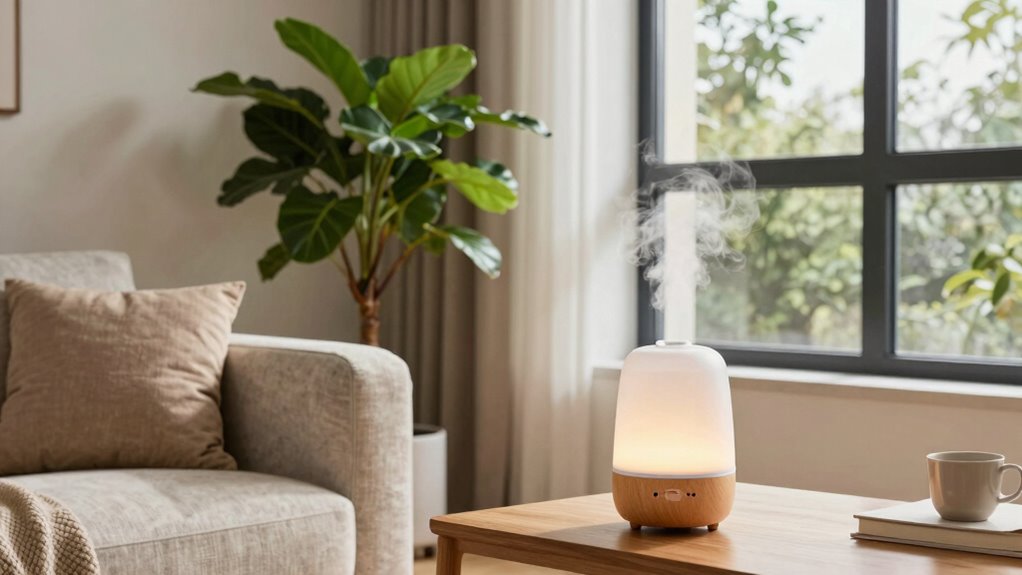
To effectively monitor and control indoor humidity levels, you need the right tools and devices that provide real-time data and easy adjustment options. These tools help you maintain the ideal humidity range, improving comfort and preventing issues like mold or dryness. Consider using a hygrometer to track humidity accurately. A humidifier or dehumidifier can add or remove moisture as needed. Smart thermostats often include humidity controls for seamless adjustments. For convenience, opt for devices with digital displays and remote access. Additionally, choosing devices with user-friendly interfaces can make managing humidity more straightforward. Incorporating energy-efficient technology into your monitoring devices can also help reduce overall energy consumption, aligning with sustainable living practices. Mobile apps for real-time monitoring and adjustments enhance control and convenience. Moreover, understanding indoor humidity levels can help prevent health issues and structural damage in your home.
Frequently Asked Questions
How Does Humidity Affect Indoor Allergy Symptoms?
Humidity levels directly impact your allergy symptoms. When it’s too high, mold, dust mites, and pet dander thrive, worsening allergies. Low humidity can dry out your nasal passages, making you more sensitive to irritants. Keeping humidity between 40-50% helps reduce these allergens and keeps your nasal passages moist, so you breathe easier and experience fewer allergy symptoms. Adjust your home’s humidity to find that comfortable, allergy-friendly balance.
Can Humidity Levels Influence Energy Bills?
Yes, humidity levels can influence your energy bills. When it’s too humid, your air conditioner works harder to cool your home, increasing energy use. Conversely, low humidity makes it feel cooler, so you might lower the thermostat and save money. Maintaining a balanced humidity level reduces strain on your HVAC system, helping you cut costs and stay comfortable. Proper humidity management is a simple way to optimize your energy efficiency.
What Are the Health Risks of Improper Humidity?
If your home’s humidity is too high or low, you might as well invite germs, mold, and dust mites to your personal health party. Low humidity can cause dry skin, sore throats, and breathing issues, while excessive moisture invites mold, which can trigger allergies or asthma. Stay in the sweet spot, or your lungs could start demanding a raise for all the extra work they’re doing defending you.
How Often Should I Check My Home’s Humidity?
You should check your home’s humidity at least once a week to make certain it’s in the ideal range. During seasonal changes or if you notice signs of discomfort, like static electricity or mold, check more frequently. Use a reliable hygrometer for accurate readings. Regular checks help you catch issues early, maintain comfort, and prevent problems caused by too dry or too humid air, keeping your home healthier.
Can Pets Be Affected by Humidity Fluctuations?
Yes, pets can be affected by humidity fluctuations. When it’s too dry, their skin and respiratory systems may suffer, causing discomfort or health issues. Excess humidity can lead to mold, fleas, and other pests that harm your pets. Keep an eye on your pet’s behavior and health, and maintain a stable indoor humidity level. Regularly checking humidity helps make sure your pets stay comfortable and safe.
Conclusion
Finding the right humidity level is like tuning a delicate instrument—you’ll feel the harmony in your home’s comfort and health. When you maintain that sweet spot, it’s as if you’ve revealed a secret to a happier, healthier space where every breath feels just right. Don’t let your indoor air become a wild storm or a desert breeze—keep it balanced, and watch your home thrive like a lush garden in full bloom.