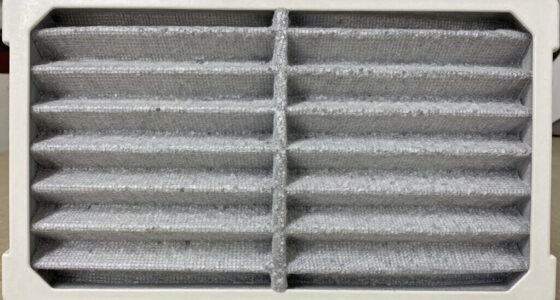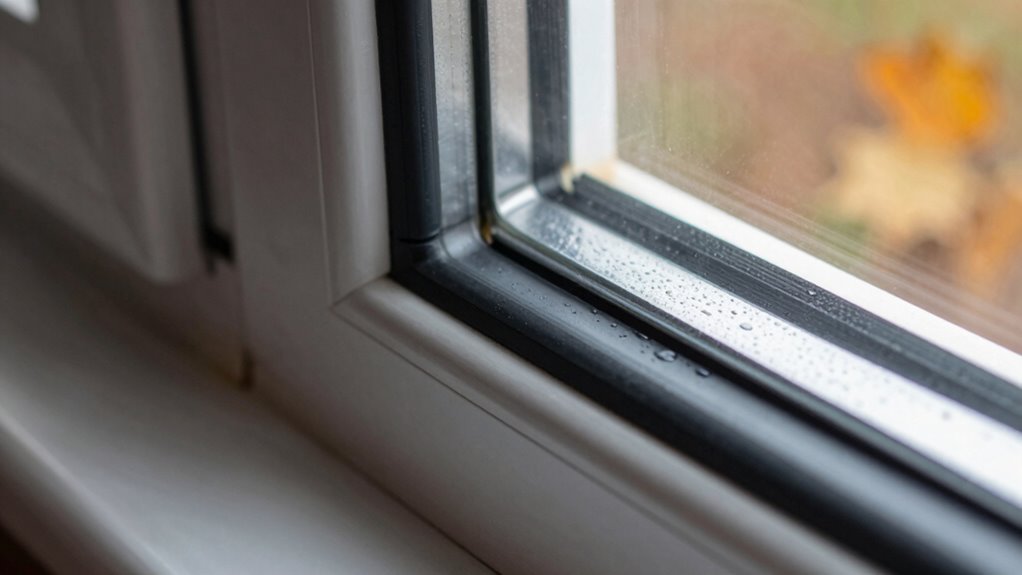

To effectively protect your indoor air during smoke season, choose high-quality weatherstripping like foam tape, rubber, or vinyl that creates a tight seal around windows, doors, and vents. Properly applied, these materials block smoke particles, allergens, and outdoor pollutants from entering your home. Regularly check and maintain your seals for ongoing protection. Keep in mind that sealing is just one part of an all-encompassing indoor air quality strategy—there’s more to learn for a healthier home.

Get books, candles and calm essentials delivered free — and shop member deals
- Fast, free delivery on millions of items
- Access to Prime Big Deal Days deals on October 6–7
- Prime Video, Amazon Music and more included
Key Takeaways
- Use high-quality, durable weatherstripping materials like foam tape, rubber, or vinyl for effective smoke and air leak sealing.
- Seal gaps around windows, doors, vents, and attic hatches to prevent outdoor smoke infiltration.
- Install door sweeps at thresholds of frequently used doors to block smoke entry.
- Regularly inspect and maintain seals to ensure continued effectiveness during smoke season.
- Combine weatherstripping with sealed vents and HEPA air purifiers for optimal indoor air quality.
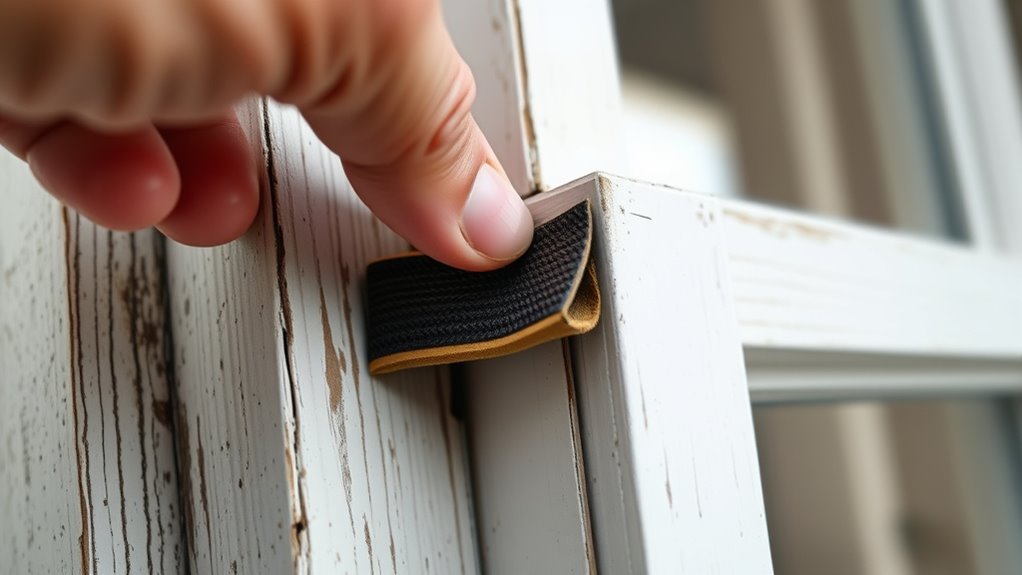
As smoke season approaches, sealing leaks in your home becomes vital to protect indoor air quality. When wildfire smoke drifts into your area, even small gaps around doors, windows, and vents can let in pollutants that compromise the air you breathe daily. Proper air sealing isn’t just about keeping warm or cool air inside; it plays an essential role in enhancing your home’s ventilation strategies and maintaining a healthier indoor environment. By reducing uncontrolled air leaks, you diminish the influx of outdoor smoke and allergens, making it easier to control indoor air quality during this hazardous season. Mastering deep-sky imaging techniques emphasize the importance of a controlled environment, much like sealing your home helps create a cleaner, more stable indoor atmosphere.
Start by inspecting your home for obvious leaks—around windows, door frames, electrical outlets, and attic hatches. Weatherstripping is your first line of defense because it creates a tight seal that prevents outside air from sneaking in. Choose high-quality weatherstripping materials like foam tape, rubber, or vinyl, which are designed to withstand temperature fluctuations and provide a durable seal. When applied correctly, weatherstripping not only blocks smoke particles but also improves your home’s energy efficiency, reducing utility costs during the season when heating or cooling might be less effective due to infiltration.
As you seal leaks, remember that ventilation strategies need to be balanced. While it’s tempting to keep windows closed during smoky days, proper ventilation is key to maintaining indoor air quality. Using mechanical ventilation systems with high-quality filters allows you to bring in fresh air without letting in pollutants. Air purifiers with HEPA filters can also supplement your efforts, capturing microscopic particles and smoke toxins that might still find their way inside. Sealing leaks ensures that these ventilation strategies work more effectively, as you’re controlling the sources of outdoor contaminants entering your living space.
Don’t forget to check and seal gaps around exhaust vents, chimneys, and attic access points, which can serve as entry points for smoke and other outdoor pollutants. For doors that see frequent use, installing door sweeps can eliminate gaps at the threshold, further reducing smoke infiltration. Regularly maintaining and inspecting these seals ensures they continue to perform when you need them most.
weatherstripping foam tape for windows
As an affiliate, we earn on qualifying purchases.
As an affiliate, we earn on qualifying purchases.
Frequently Asked Questions
How Often Should I Replace Weatherstripping for Optimal Smoke Protection?
You should replace your weatherstripping every 1 to 2 years for ideal smoke protection. Regular maintenance is essential, so check your weatherstripping during your annual maintenance schedule. Look for cracks, gaps, or signs of wear, and replace it promptly if you notice any issues. This replacement frequency helps maintain a tight seal, reducing smoke infiltration and improving indoor air quality during smoke season.
Can Weatherstripping Prevent All Outdoor Smoke From Entering My Home?
Weatherstripping considerably reduces outdoor smoke from entering your home, but it can’t prevent all of it. To improve indoor air quality, you should also consider duct sealing to prevent leaks that bring in smoke and pollutants. Regular maintenance of weatherstripping and ductwork ensures peak performance. While these measures help, keep in mind that complete prevention isn’t always possible, so using air purifiers during smoke season adds extra protection.
Are There Eco-Friendly Weatherstripping Options Available?
Yes, eco-friendly weatherstripping options are available. You can choose products made from sustainable materials like silicone, wool, or cork, which are durable and environmentally friendly. Biodegradable options, such as natural rubber or plant-based foam, decompose safely and reduce waste. These eco-conscious choices help you seal gaps effectively while minimizing environmental impact, making them a smart choice during smoke season or year-round home improvements.
How Do I Identify Damaged or Ineffective Weatherstripping?
To identify damaged or ineffective weatherstripping, perform regular inspection tips like feeling for drafts around doors and windows. Look for common damages such as cracks, tears, or gaps in the material. Check if the weatherstripping is loose or missing, which can also indicate it’s no longer effective. If you notice these issues, it’s time to replace the weatherstripping to guarantee a proper seal and maintain energy efficiency.
What Is the Average Cost of Weatherstripping for a Typical Home?
Think of weatherstripping as the armor protecting your home from sneaky drafts. On average, expect to spend between $100 and $300 for a typical house, depending on the material’s durability and your chosen type. Vinyl tends to be budget-friendly, while rubber offers longer-lasting protection. Doing a cost comparison helps you find the best balance of durability and price, ensuring your home stays cozy without breaking the bank.
As an affiliate, we earn on qualifying purchases.
Conclusion
By sealing gaps, blocking drafts, and tightening your home, you create a barrier against smoke, dust, and outdoor pollutants. You reduce leaks, improve comfort, and protect your health. You save energy, lower bills, and gain peace of mind. You prepare your home for smoke season by taking action, preventing intrusion, and securing safety. In sealing your home, you build a fortress against the outside, a refuge within, and a healthier environment for all.
rubber weatherstripping for doors
As an affiliate, we earn on qualifying purchases.
As an affiliate, we earn on qualifying purchases.
As an affiliate, we earn on qualifying purchases.
Fall Picks
fall essentials
As an affiliate, we earn on qualifying purchases.