You might not realize your surge protector is wearing out because internal components like MOVs degrade silently over time, even if the fuse or indicator lights seem fine. Look for signs like warmness during use, physical damage, or if your devices experience unexpected shutdowns. Age also matters; most protectors last around 3 to 5 years. If any of these warning signs show up, it’s time to replace it before your electronics risk damage. Keep going to learn more about protecting your devices.
Key Takeaways
- Internal components degrade silently over time, reducing surge protection even without visible signs.
- Indicator lights may turn off or change color when protection diminishes.
- Physical damage like cracks, scorch marks, or frayed cords signals the need for replacement.
- Frequent power surges or thunderstorms accelerate wear, shortening the device’s lifespan.
- Devices experiencing unexpected shutdowns or inconsistent power indicate compromised surge protection.
Surge protectors play a essential role in safeguarding your devices from power surges, but they don’t last forever. Over time, their ability to protect diminishes, making it important to understand the surge protector lifespan and recognize warning signs that indicate it’s time for a replacement. Many people assume that once a surge protector stops flashing or making noise, it’s still good to go. However, the reality is that internal components can wear out without obvious external signs, reducing your equipment’s safety.
One of the key factors affecting surge protector lifespan is the number of surges it absorbs. Every spike in voltage causes internal components—like metal-oxide varistors (MOVs)—to degrade a little more. After absorbing multiple surges, these components become less effective, even if the protector appears functional. This deterioration often happens gradually, so you might not notice any immediate problems. That’s why paying attention to warning signs is essential. For example, if your surge protector has an indicator light that turns off or changes color, it’s a clear sign that its protective capabilities have diminished. Many models have a status indicator precisely for this purpose. Additionally, if your surge protector feels warm or hot during use, that’s a red flag suggesting internal damage or reduced efficacy.
Warning signs include indicator lights turning off or changing color, and the surge protector feeling warm or hot during use.
You should also consider the surge protector’s age. While many are designed to last several years, the typical recommended lifespan is around three to five years, depending on usage and the number of surges it has absorbed. Frequent power fluctuations or thunderstorms in your area can accelerate this wear. If your surge protector has been in service for many years, it’s wise to replace it proactively, even if it shows no immediate warning signs. This preemptive approach ensures your devices remain protected.
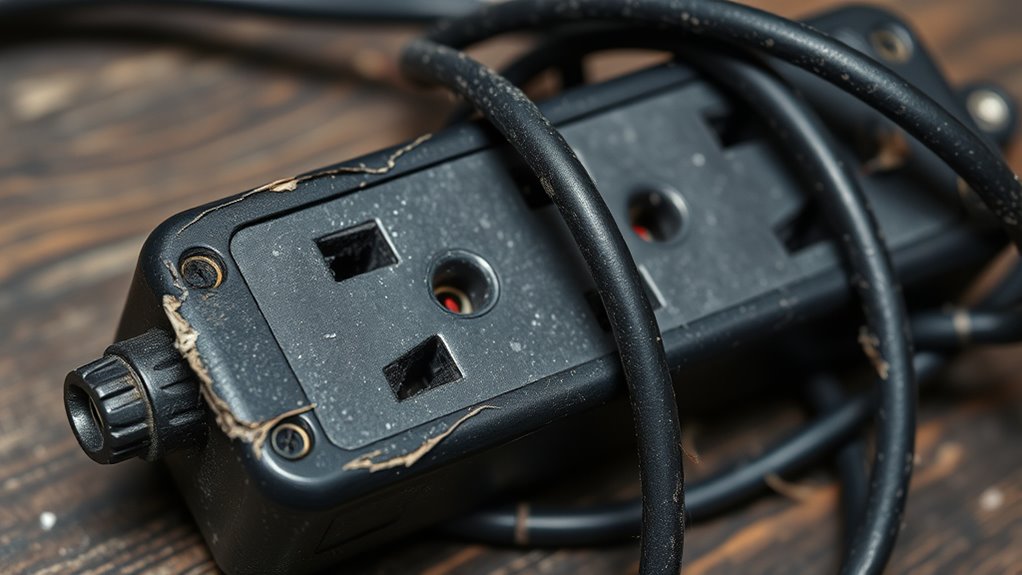
Another warning sign to watch for is physical damage. Cracks, frayed cords, or scorch marks indicate the protector might have been compromised or exposed to electrical faults. Never ignore these signs; using a damaged surge protector puts your electronics at risk. Also, if your surge protector isn’t providing consistent power or if your connected devices experience unexpected shutdowns, it could be a sign that internal components have failed. In such cases, immediate replacement is necessary.
Regular maintenance and inspections can help extend the life of your surge protector, but ultimately, understanding the security zone information and lifespan of your device is crucial for safety. In essence, understanding the surge protector lifespan and paying attention to warning signs can save your valuable electronics from damage. Regularly inspect your surge protector, replace it when it reaches the end of its lifespan, or if any signs of wear or malfunction appear. Doing so ensures you maintain a safe, reliable shield against unexpected power surges.
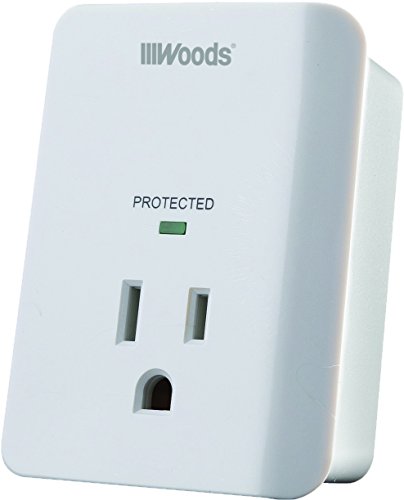
Southwire Woods Surge Protector – 1 Outlet – 1080J Appliance Surge Protection – LED Indicator Light and Alarm – Slim Space Saving Design – White – cULus Listed
Compact Protection: The Southwire Surge Protector offers 1 grounded outlet, 1080J appliance surge protector, and LED safety status…
As an affiliate, we earn on qualifying purchases.
As an affiliate, we earn on qualifying purchases.
Frequently Asked Questions
Can a Surge Protector Fail Without Visible Damage?
Yes, a surge protector can fail without visible damage. Internal corrosion or electrical arcing inside the device can compromise its effectiveness, even if it looks fine externally. Over time, these issues may go unnoticed but still reduce protection. If your surge protector is old or has experienced power surges, it’s wise to replace it to prevent potential damage to your electronics, even if no visible signs of failure are present.
How Often Should I Replace My Surge Protector for Safety?
You should replace your surge protector every 3 to 5 years to guarantee safety. The surge protector lifespan varies depending on usage and power surges, so sticking to a safety replacement schedule helps protect your devices. Regularly check for signs of wear, such as frayed cords or loose outlets, and replace immediately if you notice any damage. Prioritizing timely replacements keeps your electronics safe and maintains peak protection.
Are There Specific Signs Indicating a Surge Protector’s Internal Failure?
You might notice your surge protector’s internal component failure if it stops protecting your devices or emits a burning smell, even if it looks fine externally. While a surge protector’s lifespan varies, these signs are clear indicators of internal issues. Don’t ignore subtle hints—these signs can prevent damage to your equipment and guarantee your surge protector works effectively when you need it most.
Can a Surge Protector Lose Effectiveness Over Time Even if Unused?
Yes, a surge protector can lose effectiveness over time even if unused. Electrical durability diminishes due to aging components and exposure to environmental factors like humidity and dust. Usage impact is minimal when it’s not actively protecting, but the internal parts can still degrade, reducing its ability to absorb surges. To guarantee your devices stay safe, replace your surge protector every few years, regardless of apparent wear or usage.
What Are the Risks of Using an Old or Damaged Surge Protector?
Imagine a shield that’s chipped and cracked—using an old surge protector is just like that. It risks electrical safety, risking fires or equipment damage. Neglecting surge protector maintenance can leave you vulnerable to power surges. Always inspect for damage, replace when worn, and follow electrical safety tips. An outdated or damaged surge protector no longer provides reliable protection, increasing the chance of costly electrical issues.

1Pcs S14K14 AUTO Varistor Resistor Electronic Components
Please select the model you purchased and contact us promptly if you have any questions
As an affiliate, we earn on qualifying purchases.
As an affiliate, we earn on qualifying purchases.
Conclusion
Remember, your surge protector is like a trusty shield that can wear out over time. If you notice frayed cords, frequent tripping, or it feels hot to the touch, it’s time to retire it before it becomes a weak link. Think of it as replacing worn-out armor before it breaks in battle. Staying vigilant guarantees your devices stay safe and your home remains protected. Don’t wait for trouble—know when to replace your surge protector and keep your defenses strong.

PHOENIX CONTACT VAL-MS 230 ST (2798844), 1 Position, 275 VAC, Black, IP20, Surge Protection Plug, Thermal Monitoring, Type 2, Visual Fault Warning, with HIGH-Capacity VARISTOR for VAL-MS Base Element
(2798844)
As an affiliate, we earn on qualifying purchases.
As an affiliate, we earn on qualifying purchases.

Belkin 6-Outlet Power Strip Surge Protector with 3-Foot Power Cord, 300 Joules (F5C047),White
300-joule surge protector guards your devices against surges and spikes
As an affiliate, we earn on qualifying purchases.
As an affiliate, we earn on qualifying purchases.