Many people choose earplugs without considering noise reduction, comfort, or fit, which can ruin sleep. You might pick the wrong material or size, causing discomfort or ineffective noise blocking. Overlooking the importance of a high Noise Reduction Rating (NRR), or struggling with difficult insertion, can also lead to frustration and restless nights. Paying attention to your ear shape, environment, and ease of use helps. Keep exploring to discover how to find the perfect match for your sleep needs.
Open a free Amazon Business account
Business pricing, bulk buying and tax-exempt orders.
As an affiliate, we earn on qualifying purchases.
Key Takeaways
- Ignoring the Noise Reduction Rating (NRR) and choosing earplugs that don’t match the noise level of your environment.
- Selecting uncomfortable materials that cause pressure or irritation, reducing the likelihood of consistent use.
- Failing to try different sizes and shapes, resulting in poor fit and reduced noise cancellation.
- Overlooking ease of insertion and removal, leading to difficulties in regular use.
- Neglecting proper fit and ear canal anatomy, which can compromise comfort and effectiveness.
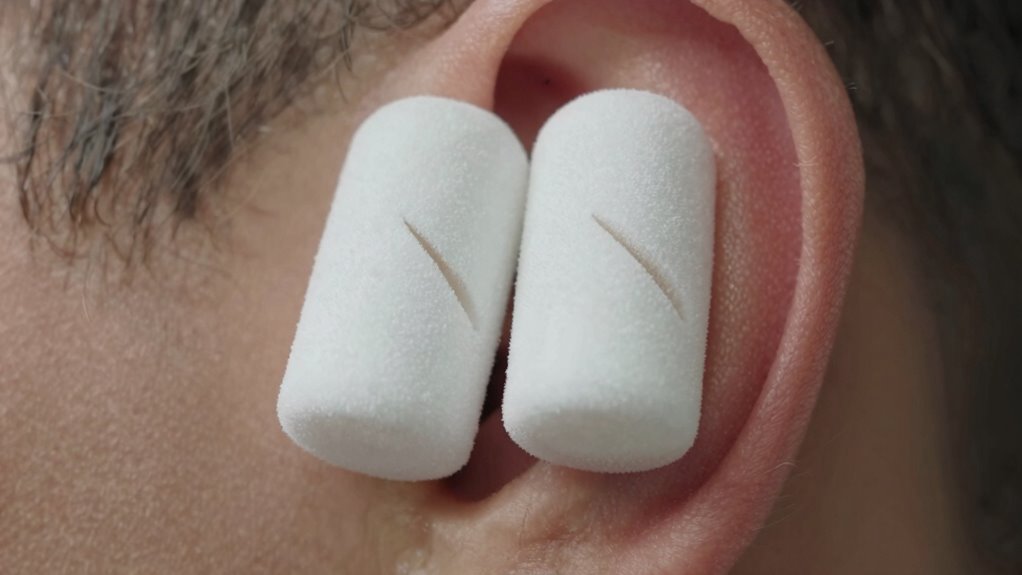
Choosing the right earplugs might seem straightforward, but many people make simple mistakes that can compromise their effectiveness and comfort. One common mistake is not prioritizing noise reduction. When you’re trying to block out sleep-disrupting sounds, you need earplugs that are specifically designed to minimize noise. Not all earplugs offer the same level of sound suppression, so if you pick a pair that’s too thin or made from the wrong material, you might find yourself waking up in the middle of the night. It’s crucial to select earplugs with a high Noise Reduction Rating (NRR) that matches your environment. For noisy surroundings, look for earplugs that provide a higher NRR to ensure you get restful sleep without interruption.
Prioritize high NRR earplugs for effective noise reduction and restful sleep in noisy environments.
Another mistake often made involves ignoring material comfort. You might find a pair that offers excellent noise reduction on paper but feels uncomfortable when worn. If the material is too hard, rough, or causes pressure inside your ears, you’ll be less likely to wear them consistently or comfortably. Comfort should be a top priority, especially if you plan to wear earplugs every night. Soft silicone, foam, or memory foam options tend to mold better to the shape of your ear canal, reducing discomfort and preventing irritation. When you choose earplugs made from comfortable materials, you’re more likely to keep them in all night without discomfort or the urge to remove them prematurely. Additionally, understanding how ear canal shape affects fit can help you select more suitable earplugs, and considering personal comfort preferences can also help you find the most suitable option for long-term use.
Many people overlook the importance of proper fit. Even the best noise-reducing earplugs won’t work well if they don’t fit properly. If they’re too loose, they’ll fall out or let sound seep through. Too tight, and they might cause pain or pressure buildup. It’s worth trying different sizes or shapes to find the best fit for your ears. Properly fitting earplugs ensure maximum noise reduction and comfort, making your sleep more restful. Additionally, understanding your noise environment can help you select the most appropriate level of noise reduction for optimal sleep quality. Being aware of sound levels in your surroundings can guide your choice of earplug type and NRR. Moreover, proper fit can also prevent discomfort and potential ear infections caused by poorly fitting earplugs. Taking into account ear canal anatomy can further enhance the effectiveness of your chosen earplugs.
Lastly, some folks forget to think about ease of use. If earplugs are difficult to insert or remove, you might avoid using them altogether. Look for options that are simple to roll, insert, and remove without fuss. The easier they are to handle, the more consistent your use will be, leading to better sleep quality over time. By paying attention to noise reduction, material comfort, fit, and ease of use, you can avoid common mistakes and find the best earplugs to improve your sleep quality.

Mack's Ultra Soft Foam Earplugs, 50 Pair – 33dB Highest NRR | Made in USA
- Comfortable Material: Super low-pressure, slow release foam
- High Noise Reduction: NRR of 33 decibels for effective noise blocking
- Versatile Use: Suitable for sleeping, studying, travel, and events
As an affiliate, we earn on qualifying purchases.
As an affiliate, we earn on qualifying purchases.
Frequently Asked Questions
Are Foam or Silicone Earplugs Better for Sleep?
Foam earplugs are generally better for sleep because they provide higher noise reduction, helping you block out more sound. They expand to fit your ear canal, offering comfort enhancement and effective noise blocking. Silicone earplugs are softer and reusable, but they might not block noise as well. If quietness is your priority, go with foam; if comfort and reusability matter most, silicone could work better.
How Do I Know if Earplugs Fit Properly?
Ever wondered if your earplugs fit just right? To know, check if they comfortably block noise without causing pain. Soft silicone or foam materials should fit snugly but not press against your ear canal, ensuring maximum noise reduction. If they feel tight or uncomfortable, they might be too big or poorly shaped. Properly fitted earplugs help you sleep peacefully by effectively reducing noise while feeling comfortable all night.
Can Wearing Earplugs Cause Ear Infections?
Yes, wearing earplugs can cause ear infections if you don’t clean or replace them regularly. They can trap moisture and earwax buildup, creating a breeding ground for bacteria. Over time, this can lead to infections or even hearing damage if used improperly. To prevent this, make sure to keep your earplugs clean, avoid sharing them, and remove them carefully to protect your ears’ health.
Are There Hypoallergenic Earplug Options?
Think of hypoallergenic earplugs as a gentle shield, crafted from materials like silicone or soft foam that prevent allergy flare-ups. Yes, there are options designed for allergy prevention, ensuring you sleep peacefully without irritation. These hypoallergenic materials reduce the risk of allergic reactions, making them ideal for sensitive ears. When choosing earplugs, opt for those labeled hypoallergenic to enjoy restful nights without worry or discomfort.
How Often Should I Replace My Sleep Earplugs?
You should replace your sleep earplugs every 3 to 7 days to maintain ideal noise reduction and comfort enhancement. Over time, earplugs accumulate dirt, earwax, and bacteria, which can reduce their effectiveness and cause discomfort or infections. Regular replacement ensures you get the best noise reduction and comfort. If you notice any deterioration, loss of shape, or irritation, replace them sooner to keep your sleep undisturbed and comfortable.

Flents Protechs Quiet Time Foam Ear Plugs, NRR 33, 10 Pair, Purple
- Reduces Background Noise: Dampens conversation, traffic, and sounds
- High NRR Rating: NRR of 33 dB for effective noise reduction
- Soft, Adaptive Foam: Expands to fit various ear shapes comfortably
As an affiliate, we earn on qualifying purchases.
As an affiliate, we earn on qualifying purchases.
Conclusion
Choosing the right earplugs isn’t just about sound blocking; it’s about finding what truly fits your needs. Missed details or overlooked features can make all the difference, often by coincidence—like discovering a pair that’s perfect just when you’re about to give up. So, take your time, compare options, and stay attentive. The right pair might be waiting just around the corner, ready to turn your restless nights into peaceful sleep, unexpectedly.

Mack's Pillow Soft Silicone Earplugs, 12 Pair – The Original Moldable Silicone Putty Ear Plugs for Sleeping, Snoring, Swimming, Travel, Concerts and Studying | Made in USA
- Product Type: Moldable silicone earplugs
- Quantity: 12 pairs per pack
- Made in: USA
As an affiliate, we earn on qualifying purchases.
As an affiliate, we earn on qualifying purchases.

Radians CEP001-R Custom Molded Earplugs – Made in USA – NRR 26 dB – Easy DIY Kit – Red – 1 Pair
- Custom molded for a perfect fit: Soft, permanent, all-day comfort
- User-friendly instructions: Simple and easy to follow
- Safe and hypoallergenic material: Non-toxic, mess-free silicone
As an affiliate, we earn on qualifying purchases.
As an affiliate, we earn on qualifying purchases.
Grilling season Picks
grills
As an affiliate, we earn on qualifying purchases.