

Lowering the noise floor in your environment helps create a calmer space, making it easier to relax and focus. By reducing background sounds from electronics, traffic, or natural sources, you can decrease stress and improve sleep quality. Measuring noise levels with proper tools shows where to make improvements. Using strategies like soundproofing or adding steady, soothing sounds enhances your mood and mental clarity. Keep exploring to learn how to effectively set up a peaceful environment.

Get books, candles and calm essentials delivered free — and shop member deals
- Fast, free delivery on millions of items
- Access to Prime Big Deal Days deals on October 6–7
- Prime Video, Amazon Music and more included
Key Takeaways
- A lower noise floor reduces ambient disturbances, promoting relaxation and mental clarity.
- Measuring background noise helps implement effective soundproofing strategies for peaceful environments.
- Quiet settings decrease stress hormones and support better sleep quality.
- Steady background sounds mask sudden noises, enhancing focus and emotional stability.
- Creating a calm acoustic environment improves overall mental well-being and physical health.
As an affiliate, we earn on qualifying purchases.
Defining the Noise Floor and Its Sources

The noise floor represents the baseline level of background noise present in a system or environment, and understanding its sources is essential for accurate measurements and signal detection. It comes from various origins, including natural environmental sounds like wind, water, or wildlife, and human-made sources such as traffic, electronics, and machinery. These background noises create a constant, low-level sound that can obscure or interfere with signals you want to detect. Electronic components also contribute to the noise floor through thermal noise or electrical interference. Recognizing these sources helps you distinguish between meaningful signals and unwanted background noise, allowing for better control and calibration of audio or measurement systems. Knowing where the noise comes from is the first step toward managing its impact effectively. Additionally, Gold IRA markets are influenced by various factors that can affect the stability and noise levels in investment environments. Understanding environmental noise and its impact on measurement accuracy is crucial for achieving reliable results, especially when considering the electronic noise generated by modern measurement devices. Moreover, implementing noise reduction techniques can significantly improve the clarity and precision of your measurements.
As an affiliate, we earn on qualifying purchases.
How the Noise Floor Influences Mental State

The noise floor around you can shape your mood, making quiet environments feel calming or unsettling. Consistent background sounds help reduce stress and improve focus, while unpredictable ambient noise can increase tension. Understanding how these sounds affect your mental state lets you create spaces that promote relaxation and well-being. Additionally, managing the sound environment of your workspace or living area can enhance your overall mental health and comfort. Being aware of the background noise levels can assist in designing spaces that support mental clarity and emotional balance, especially since ambient noise can influence sleep quality and cognitive performance. Recognizing the acoustic environment is crucial for optimizing your mental resilience and overall wellness, as noise levels directly impact your ability to relax and concentrate.
Ambient Noise and Mood
Ambient noise levels can profoundly shape your mood by subtly influencing your mental state. When the noise floor is low, you often experience calmness and focus, while higher ambient sounds can evoke anxiety or agitation. The type of noise matters: gentle sounds like rain or rustling leaves promote relaxation, whereas loud, unpredictable noises can increase stress. Your environment’s soundscape influences your emotional well-being consistently. Consider this: being aware of ambient noise helps you manage your mental state and create a mood conducive to relaxation or productivity. Recognizing how noise levels fluctuate can empower you to adjust your environment for better mental health. Additionally, incorporating natural sound sources such as birdsong or flowing water can further enhance a tranquil atmosphere. Managing ambient noise effectively can also support mental well-being, especially in environments where seniors or vulnerable individuals reside. Understanding the noise floor can also guide the selection of appropriate home audio equipment to improve auditory comfort and overall sound environment quality.
Quietness and Stress Levels
When ambient noise levels drop, creating a quiet environment, your stress levels often decrease as well. Without constant background noise, your mind can relax more easily, reducing feelings of tension and overwhelm. Silence or near-silence helps your brain recover from sensory overload, allowing you to focus better and feel calmer. Environmental quietness also helps your body conserve energy that would otherwise be used to process unnecessary sounds, promoting overall relaxation. Lower noise floors minimize distractions, making it easier to process thoughts and emotions without interruption. This reduction in sensory stimulation promotes a sense of safety and control, which can considerably improve your mental state. When you experience less noise, your body doesn’t have to work as hard to filter out unnecessary sounds, leading to decreased cortisol levels and a more relaxed mood. Additionally, ambient noise levels can influence sleep quality, further supporting mental and emotional health. Reducing noise exposure can also prevent sensory overload, which is common in noisy environments and can contribute to stress. Moreover, a lower noise floor can enhance your overall sense of well-being by creating an environment conducive to relaxation and mental clarity. Ultimately, a quieter environment fosters mental clarity and emotional stability.
Consistent Background Sounds
Consistent background sounds, such as steady white noise or gentle nature sounds, can substantially influence your mental state by creating a stable noise floor. When these sounds remain steady, they mask sudden disruptions, helping you focus and relax more easily. A predictable auditory environment reduces cognitive load, preventing your brain from constantly reacting to new noises. This auditory stability encourages a more relaxed mental state and enhances overall well-being. A steady noise floor can also prevent sensory overload, helping you sustain a balanced mental state. Maintaining a consistent noise environment can also regulate mood, supporting emotional resilience. Overall, maintaining a steady auditory environment helps regulate your mood by sustaining a balanced noise floor.
As an affiliate, we earn on qualifying purchases.
The Connection Between Ambient Noise and Stress Levels

You might notice that constant background noise can raise your cortisol levels, making you feel more stressed. On the other hand, quiet environments help promote calm and reduce tension. Understanding this connection can help you choose spaces that support relaxation and well-being. Incorporating ambient noise levels such as lavender or frankincense, can further enhance a peaceful atmosphere.
Noise and Cortisol
Have you ever wondered how the noise around you might be affecting your stress levels? Ambient noise triggers your body’s stress response, leading to increased cortisol production. Elevated cortisol levels can make you feel anxious, irritable, and exhausted. Chronic exposure to loud or unpredictable sounds keeps your stress system activated, preventing relaxation. Studies show that even moderate noise levels can raise cortisol, especially during sleep or quiet moments. When your cortisol stays high, it disrupts your immune system, impairs memory, and hampers overall well-being. Recognizing this connection helps you understand why reducing noise exposure can lower cortisol levels. Managing your environment becomes essential for maintaining a healthy stress response, promoting relaxation, and protecting your physical and mental health.
Quietness Promotes Calm
When ambient noise decreases, your body naturally shifts toward relaxation, signaling your nervous system to calm down. Quiet environments reduce stress hormones and lower your heart rate, making it easier to feel at ease. Without constant noise distractions, your mind can focus and unwind, decreasing feelings of anxiety. This calm state improves sleep quality and mental clarity, helping you recharge more effectively. When you’re in silence or near-silence, your brain isn’t overstimulated, allowing your parasympathetic nervous system to dominate. As a result, you experience a sense of peace and stability. Embracing quietness isn’t just about avoiding noise; it’s about actively promoting a calmer, more centered state of being. Quiet environments truly foster relaxation and emotional well-being.
As an affiliate, we earn on qualifying purchases.
Techniques for Measuring and Assessing Noise Environment

Measuring and evaluating the noise environment requires precise techniques that capture both the intensity and variability of sound levels. You typically use a sound level meter or a digital noise analyzer to gather accurate data. These devices measure sound pressure levels in decibels (dB) and often record fluctuations over time, providing a detailed noise profile. To guarantee reliable results, position the equipment at representative locations, away from direct noise sources or reflective surfaces. Conduct measurements during different times of day to account for variability. Data collected helps you identify background noise levels, peak sounds, and patterns. Proper assessment allows you to understand the noise environment thoroughly, forming the basis for informed decisions about noise management or further analysis.
Strategies to Reduce Noise Floor for Better Relaxation
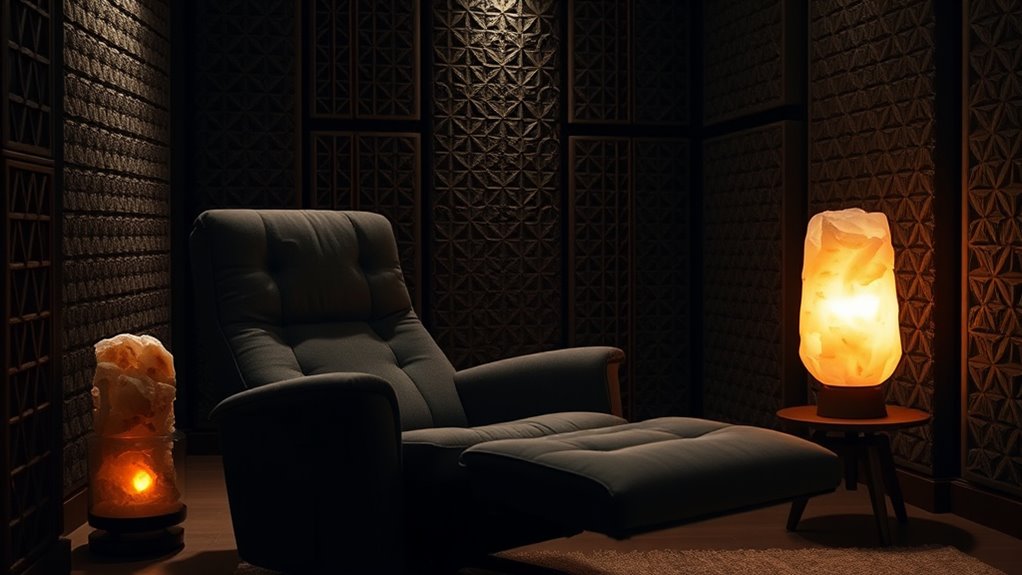
Reducing the noise floor creates a more peaceful environment conducive to relaxation. You can start by identifying and minimizing sources of background noise, such as turning off electronics or closing windows. Use soundproofing techniques like adding thick curtains, rugs, or weather stripping to block external sounds. Consider investing in white noise machines or fans that generate consistent, soothing sounds to mask disruptive noise. Rearranging your space to keep noisy appliances away from your relaxation area makes a difference. Limit noisy activities during your relaxation time, and encourage others around you to keep noise levels down. Combining these strategies helps create a quieter environment, allowing you to unwind more fully and achieve better relaxation. Small adjustments can markedly lower the noise floor, enhancing your overall peace.
Creating a Peaceful Space: Practical Tips and Tools

Have you ever wondered how to transform your space into a sanctuary of calm? Creating a peaceful environment involves simple yet effective tips and tools. First, declutter regularly to eliminate visual chaos. Second, choose calming colors like soft blues or greens to promote relaxation. Third, incorporate sound-absorbing materials such as rugs, curtains, or wall panels to reduce noise. Fourth, add plants for natural air purification and a soothing vibe. Fifth, set up designated relaxation zones with comfortable furniture and minimal distractions. Use soft lighting, like dimmable lamps or candles, to create a cozy atmosphere. These steps help lower the noise floor and foster tranquility, making your space more conducive to relaxation and mental clarity. Small adjustments can considerably enhance your sense of calm.
The Benefits of Lowering the Noise Floor on Well-Being

Creating a peaceful space not only looks inviting but also substantially impacts your overall well-being. When you lower the noise floor, you reduce stress and improve your focus. Less background noise means your brain doesn’t have to work as hard to filter out distractions, leading to better mental clarity. It also helps you relax more deeply, which can improve sleep and boost your mood. Over time, a quieter environment supports lower blood pressure and reduces anxiety. You’ll find it easier to concentrate, communicate, and enjoy moments of calm. In essence, diminishing ambient noise creates a healthier, more balanced space where your mind and body can thrive. The benefits go beyond comfort—lower noise levels truly enhance your quality of life.
Frequently Asked Questions
Can Noise Floor Levels Vary Between Different Times of Day?
Yes, noise floor levels can fluctuate throughout the day. During daytime, you’ll likely notice higher noise floors due to increased activity, traffic, and human presence. At night, the noise floor tends to drop as fewer people are around and activities slow down. These fluctuations can affect audio measurements or recordings, so being aware of the time of day helps you better interpret changes and guarantee accurate results.
Are There Specific Sounds That Contribute Most to the Noise Floor?
Think of the noise floor as a crowded room; certain sounds stand out more than others. You’ll find that steady background noises like traffic, HVAC systems, and distant chatter contribute most to it. These sounds blend into a constant hum, making it harder to detect quieter signals. By understanding which sounds dominate, you can better manage or reduce noise, creating a calmer environment or clearer recordings.
How Does the Noise Floor Impact Sleep Quality?
The noise floor can considerably impact your sleep quality by creating a constant, low-level background noise that disrupts your ability to fall asleep or stay asleep. When the noise floor is high, you might find yourself more easily awakened or experiencing lighter sleep stages. To improve sleep, minimize ambient sounds, use white noise machines, or earplugs to help mask these sounds and promote deeper, more restful sleep.
Can Technology Effectively Eliminate All Background Noise?
Did you know that over 75% of people find complete silence impossible? Technology can’t eliminate all background noise, but it can considerably reduce it. Noise-canceling devices use advanced algorithms to block out most sounds, creating a quieter environment. However, some sounds still slip through, especially sudden or high-frequency noises. While tech improves your sleep environment, expecting perfect silence isn’t realistic—it’s about minimizing disruptions, not eliminating every sound.
What Role Does Personal Perception Play in Noise Sensitivity?
Your personal perception greatly influences your noise sensitivity. If you tend to be more alert or anxious, even subtle sounds may bother you more. Conversely, if you’re relaxed or focused, you might barely notice background noise. Your mood, stress levels, and past experiences shape how you interpret and react to sounds around you. Understanding this helps you manage noise sensitivity better by adjusting your environment or your mindset accordingly.
Conclusion
Reducing your noise floor isn’t just about peace and quiet; it’s about reclaiming your mental space. As you lower ambient sounds, stress melts away, and relaxation takes its place. Imagine a calm room versus a noisy street—one fosters clarity, the other chaos. By taking simple steps, you create a sanctuary where relaxation thrives. Ultimately, quieter surroundings don’t just quiet your environment—they quiet your mind, letting you truly unwind.
Halloween Picks
halloween
As an affiliate, we earn on qualifying purchases.