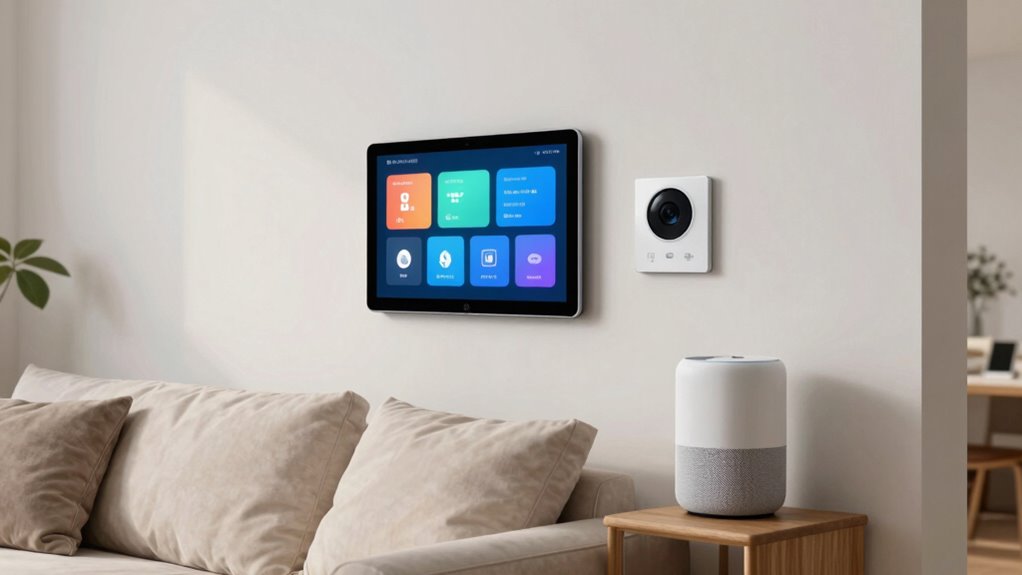

Smart home automation rules are instructions you set to make your devices work together automatically based on triggers like motion, time, or device status. They help create a smarter, more efficient home by responding instantly to your routines and preferences. These rules activate actions such as turning on lights or adjusting your thermostat at the right moment. To learn how to customize and optimize these rules for your home, keep exploring how they operate behind the scenes.
Key Takeaways
- Automation rules set device responses based on specific triggers like motion, time, or device status.
- They operate by quickly executing actions to ensure seamless home responses.
- Conditions and constraints customize triggers for energy efficiency and safety.
- Actions can be scheduled immediately, delayed, or recurring to suit routines.
- Regular testing and refinement optimize rules for reliability and user convenience.
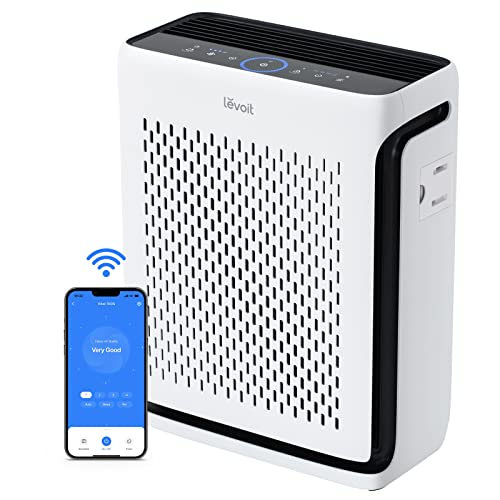
LEVOIT Air Purifier for Home Large Room Up to 1073Ft² with Air Quality Monitor, AHAM VERIFIDE, Smart WiFi, Washable Pre-Filter, HEPA Sleep Mode for Pets, Allergies, Dust, Pollen, Vital 100S-P, White
𝐖𝐇𝐘 𝐂𝐇𝐎𝐎𝐒𝐄 𝐀𝐇𝐀𝐌 𝐕𝐄𝐑𝐈𝐅𝐈𝐃𝐄 𝐀𝐈𝐑 𝐏𝐔𝐑𝐈𝐅𝐈𝐄𝐑𝐒: AHAM (Association of Home Appliance Manufacturers) is an ANSI-accredited organization that sets...
As an affiliate, we earn on qualifying purchases.
What Are Smart Home Automation Rules?
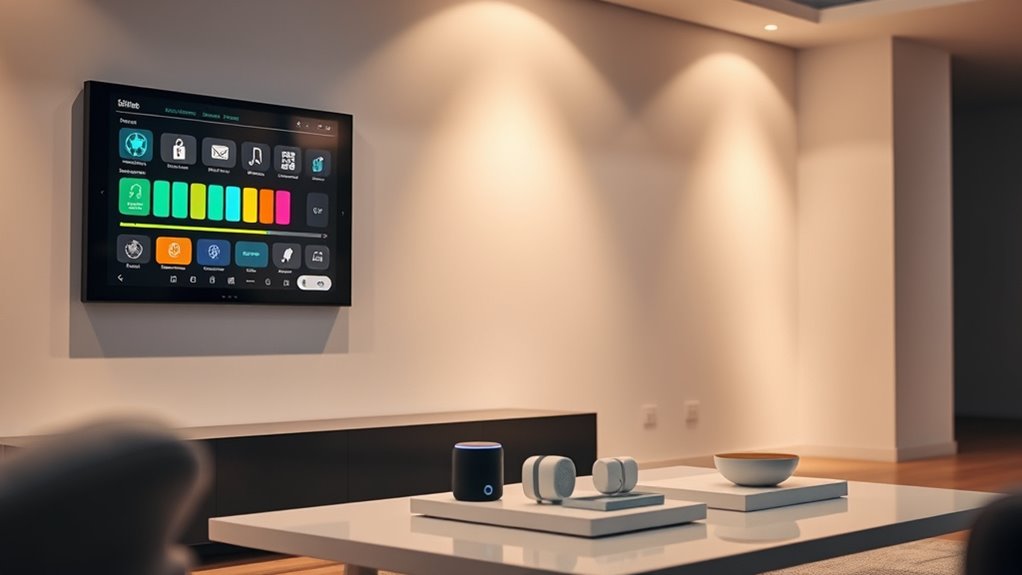
Have you ever wondered how your smart home devices work together seamlessly? Smart home automation rules are the key. These rules are sets of instructions you create that tell your devices how to respond to specific conditions or triggers. For example, you might set a rule so your lights turn on automatically when you enter a room or your thermostat adjusts when you leave the house. These rules are customizable and help streamline your daily routines, making your home more efficient and comfortable. They work behind the scenes, coordinating different devices based on your preferences. By setting up automation rules, you ensure your smart home responds intelligently to your lifestyle, saving you time and effort every day. Smart home integration enables various devices to communicate and work together smoothly, enhancing overall home automation. Additionally, understanding navigation and mapping can improve how robots and automated devices operate within your home environment, especially when combined with smart home rules to optimize device coordination and efficiency.

LEVOIT Air Purifier for Home Allergies Pet Hair in Bedroom, Covers Up to 1073 ft² by 56W High Torque Motor, AHAM VERIFIDE, 3-in-1 Filter with HEPA Sleep Mode, Remove Dust Smoke Odor, Core300-P, White
WHY CHOOSE AHAM VERIFIDE AIR PURIFIERS: AHAM (Association of Home Appliance Manufacturers) is an ANSI-accredited organization that sets...
As an affiliate, we earn on qualifying purchases.
How Do Automation Rules Work?
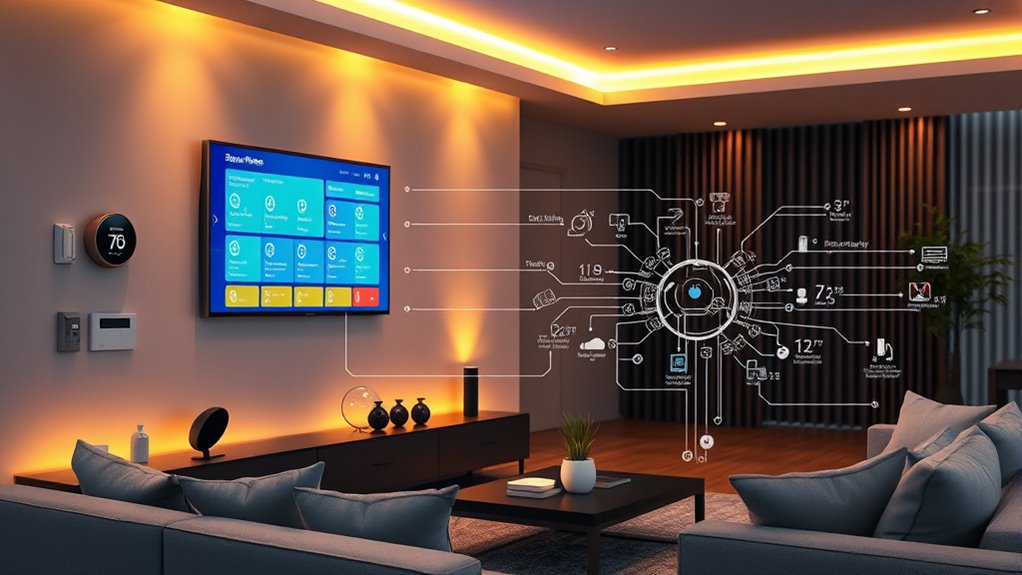
Automation rules start when you set specific trigger conditions, like a sensor detecting motion or a certain time of day. Once triggered, they follow an action execution process that turns your commands into device responses. The timing of rule activation guarantees these actions happen exactly when you want, whether immediately or after a delay. Understanding device responses helps ensure your automation functions reliably and safely. Implementing European cloud solutions can further enhance the security and efficiency of your smart home system. Additionally, compliance standards play a crucial role in maintaining data privacy and system integrity. For example, ensuring proper net worth management can help in planning and maintaining your smart home investments.
Trigger Conditions Defined
Trigger conditions are the specific events or states that activate your smart home automation rules. They tell your system when to spring into action. You can set these conditions based on various factors. For example:
- Motion sensors detect movement in a room, turning on the lights.
- A door opens, triggering a security alert or turning on hallway lights.
- The time reaches a set hour, like 7 AM, to start your morning routine.
These conditions are customizable, so you can combine multiple triggers for more complex automation. You might want the lights to turn on only if it’s dark outside and motion is detected. By defining clear trigger conditions, your smart home becomes more responsive and tailored to your lifestyle. Additionally, understanding automation rules helps you optimize your system’s responsiveness and energy efficiency.
Action Execution Process
Once the specified trigger conditions are met, your smart home system quickly processes the event and determines which actions to perform. It checks your automation rules, matching the trigger to the corresponding actions you’ve set up. The system then sends commands to execute these actions, such as turning on lights, adjusting thermostats, or locking doors. This process happens almost instantly, ensuring your home responds seamlessly to your needs. The system may prioritize actions if multiple are triggered simultaneously, or queue tasks if needed. As it executes each action, it confirms completion before moving on to the next. This smooth, automated response makes your smart home feel intuitive and responsive, providing comfort and convenience without requiring manual intervention. Additionally, understanding the action execution process helps optimize your automation rules for better efficiency and reliability. Recognizing how the system handles concurrent commands can further improve your home’s responsiveness and performance. Moreover, a grasp of the trigger conditions ensures you create more effective and precise automation rules. Being familiar with system prioritization allows you to set up your rules in a way that maximizes performance during complex scenarios. Furthermore, understanding the processing speed of your system can influence how you design your automation sequences for optimal responsiveness.
Rule Activation Timing
After your smart home system recognizes that trigger conditions have been met and begins executing actions, the timing of these rules plays a key role in how smoothly your home responds. You can control when rules activate in three main ways:
- Immediate Activation: Actions happen instantly once conditions are met, ideal for urgent scenarios like turning on lights when you enter a room.
- Scheduled Activation: Rules trigger at specific times, such as lowering blinds at sunset or locking doors at midnight.
- Delayed Activation: Actions occur after a set delay, like waiting five minutes before turning off appliances to save energy.
- Advanced Timing Options: Many systems allow for complex scheduling, enabling you to create nuanced automation sequences based on multiple conditions or external factors. Additionally, some systems can adapt to external cues, allowing for even more dynamic control based on weather or occupancy patterns. Incorporating timing control from reliable systems ensures your automation responds precisely as intended, enhancing safety and efficiency. Moreover, understanding trigger conditions helps optimize the responsiveness and reliability of your automation setup. Incorporating power management techniques can further improve energy efficiency and system performance.

LEVOIT Air Purifiers for Home Large Room Up to 1875 Ft² with Washable Pre-Filter, AHAM VERIFIDE, Air Quality Monitor, HEPA Sleep Mode for Allergies, Pet Hair in Bedroom, Vital 200S-P, White
𝐖𝐇𝐘 𝐂𝐇𝐎𝐎𝐒𝐄 𝐀𝐇𝐀𝐌 𝐕𝐄𝐑𝐈𝐅𝐈𝐃𝐄 𝐏𝐑𝐎𝐃𝐔𝐂𝐓𝐒: AHAM (Association of Home Appliance Manufacturers) is an ANSI-accredited organization that sets strict...
As an affiliate, we earn on qualifying purchases.
Common Types of Automation Triggers
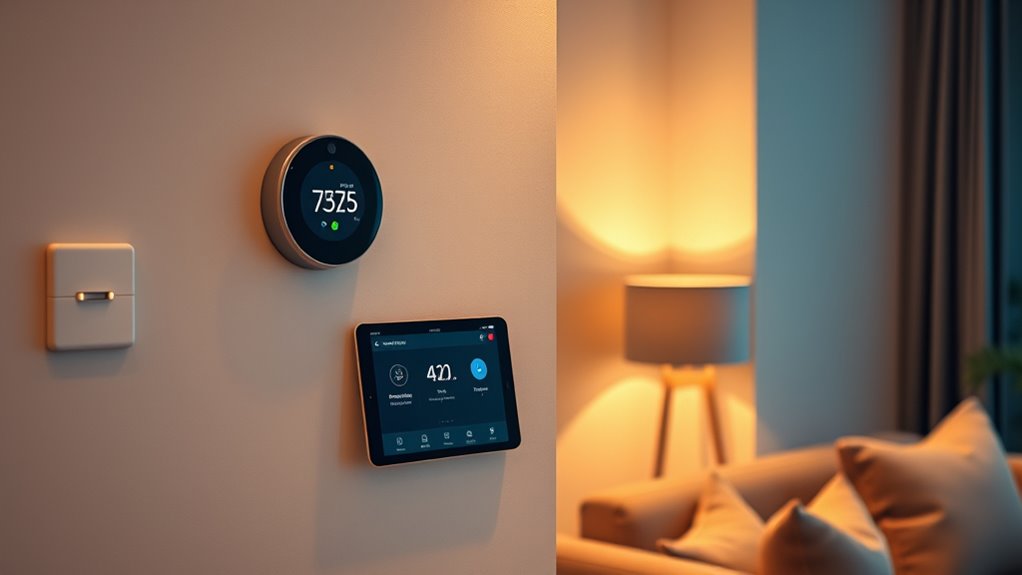
Have you ever wondered what prompts your smart home to act automatically? These triggers are key to making your system responsive. Common triggers include time-based events, like turning on lights at sunset or every evening. You might also use sensor detections, such as motion sensors that activate lights when you enter a room. Another popular trigger is device status changes, like opening a door or disconnecting a device. Voice commands can also serve as triggers, allowing you to activate scenes or routines. Additionally, environmental factors like temperature or humidity levels can prompt actions, such as adjusting thermostats or fans. Understanding these trigger types helps you customize your automation rules effectively, ensuring your smart home responds exactly how you want it to. Exploring thermal behavior and how devices respond to environmental changes can further enhance your automation setup, especially when considering sensor responsiveness and calibration. Recognizing decoding slang in user commands or system alerts can also improve your smart home’s interpretability and responsiveness. Being aware of device interoperability can help you create more seamless automation across different brands and platforms. Moreover, implementing error handling strategies can mitigate issues that may arise from system malfunctions or misinterpretations.

WINIX 5510 Air Purifier (New Generation of 5500-2 with App Support) for Home Large Room Up to 1881 Ft² in 1 Hr, True HEPA, High Deodorization Carbon Filter and Auto Mode, Captures Pet Allergies, Smoke
𝐀𝐇𝐀𝐌 𝐕𝐞𝐫𝐢𝐟𝐢𝐝𝐞 𝐚𝐭 𝟑92 𝐬𝐪 𝐟𝐭.: Also cleans rooms up to 1,882 sq ft in 1 hour (941...
As an affiliate, we earn on qualifying purchases.
Conditions and Constraints in Rules
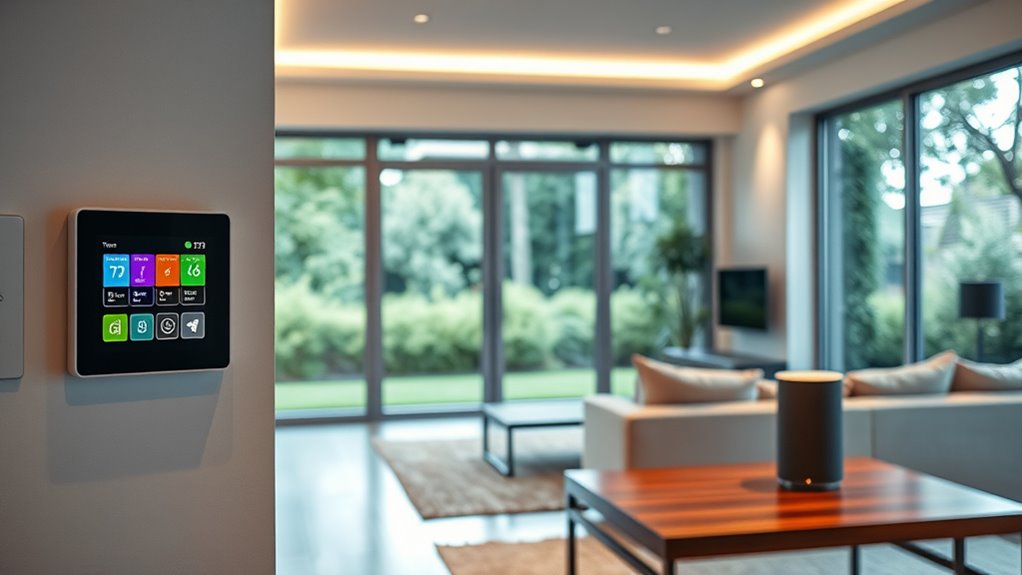
Understanding trigger conditions helps you create smarter automation rules that respond accurately to your environment. Setting effective constraints guarantees these rules activate only when you want them to, avoiding unnecessary actions. By mastering these elements, you can make your smart home both more efficient and reliable. Utilizing Free Floating concepts can further enhance flexibility in your automation setups.
Trigger Conditions Explained
Trigger conditions are the specific criteria that activate your smart home rules, and they play an essential role in ensuring your automation runs smoothly and accurately. They determine exactly when your devices respond, making your system reliable and personalized. Here’s what you need to know:
- Time-based triggers: Automate actions at certain times, like turning on lights at sunset or when you wake up.
- Sensor triggers: Use motion, temperature, or door sensors to activate rules when specific conditions are met.
- Device state triggers: Respond to changes in device statuses, such as when a smart lock is disengaged or a camera detects movement.
Setting Effective Constraints
How can you guarantee your smart home rules activate only when truly appropriate? The key is setting effective constraints—conditions that fine-tune when rules run. For example, add a time constraint so lights turn on only after sunset, or an occupancy condition so the thermostat adjusts only when you’re home. Use multiple constraints together to create precise scenarios. Avoid vague settings; specify exact times, device states, or environmental factors. Regularly review and adjust constraints to keep rules relevant as your routines change. Properly set constraints prevent false activations and save energy. They ensure your smart home responds intelligently, only when needed. With well-crafted conditions, your automation becomes seamless, reliable, and truly useful.
Creating and Managing Automation Rules
Creating and managing automation rules is the foundation of making your smart home truly responsive to your needs. You’ll want to start by defining clear triggers, such as time, motion, or device status. Next, set specific actions for each trigger, like turning on lights or adjusting thermostats. Finally, test and refine your rules to guarantee they work seamlessly and don’t conflict with one another. Here’s how to approach it:
Automate smart home triggers and actions for seamless, personalized living experiences.
- Identify the key events that should activate your automation.
- Specify precise actions, including timing and conditions.
- Regularly review and update rules to adapt to changing routines or preferences.
Examples of Popular Automation Rules
Popular automation rules help streamline daily routines and enhance home comfort by automating common tasks. For example, you can set lights to turn on automatically at sunset, ensuring your home is always well-lit when you arrive. Another popular rule is scheduling your thermostat to adjust temperatures based on your daily schedule, saving energy and maintaining comfort. You might also automate security cameras to activate when you leave the house, providing peace of mind. Smart locks can be programmed to access for family members or trusted visitors at specific times. Additionally, you can create rules for turning off appliances or lights when nobody’s in a room, helping reduce energy bills. These examples simplify your life while making your home smarter and more efficient.
Tips for Optimizing Your Automation Rules
To get the most out of your automation rules, focus on fine-tuning their triggers and conditions to match your daily routines accurately. This guarantees your smart home responds exactly when you need it. Here are some tips:
- Test your triggers regularly to confirm they activate at the right times and under the correct conditions.
- Use multiple conditions for precise control, like combining time, location, and sensor data for smarter responses.
- Review and adjust rules periodically to eliminate false activations and improve efficiency as your habits change.
Frequently Asked Questions
Can Automation Rules Be Customized for Multiple Users?
Yes, you can customize automation rules for multiple users. Most smart home systems let you create individual profiles or assign permissions, so each person’s preferences are respected. You can set specific rules based on user identity, like adjusting lighting or temperature when a particular person arrives home. This way, everyone gets a personalized experience, and you maintain control over your system’s automation, making your home more comfortable and efficient.
How Secure Are Smart Home Automation Rules Against Hacking?
You might think your smart home is as safe as houses, but it’s not foolproof. Smart home automation rules can be vulnerable if not properly secured, making hacking a real concern. However, if you keep your software updated, use strong passwords, and enable two-factor authentication, you can keep potential intruders at bay. Stay vigilant—think of it as locking your doors and windows, but in the digital world.
Do Automation Rules Work During Power Outages or Internet Failures?
Automation rules often don’t work during power outages or internet failures unless you’ve set up backup systems. If your smart home devices rely solely on Wi-Fi or cloud services, they’ll likely stop functioning when power or internet goes out. However, if you have a local hub or backup power supply, your automation rules can still run smoothly. Check your device settings to verify you’ve enabled these fail-safes for uninterrupted convenience.
Can Automation Rules Integrate With Third-Party Devices or Services?
Yes, automation rules can integrate with third-party devices or services. You typically connect these through compatible platforms or APIs, allowing your smart home to communicate with various brands and services. Make sure your devices are supported and configured correctly. This integration enhances your automation capabilities, enabling you to create more complex, seamless routines that work across multiple devices and services, making your smart home more efficient and personalized.
How Do I Troubleshoot Automation Rule Failures Effectively?
To troubleshoot automation rule failures, start by checking the rule’s conditions and actions for errors or conflicts. Make certain all devices are online and properly connected. Review logs or notifications for clues. Test each device individually to confirm they’re responsive. Disable and re-enable the rule to reset it. If issues persist, update firmware, restart your hub, or reset affected devices. Keep your software up-to-date to prevent future problems.
Conclusion
Now that you understand how smart home automation rules work, you’re better equipped to tailor your setup to fit your lifestyle. With a little tinkering, you can turn your home into a seamless, efficient space. Remember, Rome wasn’t built in a day—start small, experiment, and refine your rules over time. Before you know it, you’ll be reaping the benefits of a truly smart home that’s just right for you.