VOCs are invisible indoor pollutants from products like paints, cleaning supplies, furniture, and personal care items that can cause headaches, respiratory issues, and long-term health problems. You can control their levels by choosing low- or no-VOC products, increasing ventilation, using air purifiers, and adding houseplants. Keeping the air fresh and clean is easier than you might think, and learning more ways to reduce VOCs can help you breathe easier every day.
Key Takeaways
- VOCs are emitted from household products, furniture, and cleaning supplies, but their levels can be managed through proper ventilation.
- Using low-VOC or VOC-free products and storing chemicals properly reduces indoor VOC concentrations.
- Increasing airflow with open windows, exhaust fans, or air purifiers helps remove VOCs and improve air quality.
- Maintaining indoor humidity between 30-50% minimizes VOC emissions and mold growth.
- Regularly monitoring indoor air quality and choosing certified low-VOC products supports a healthier indoor environment.
What Are VOCs and Where Do They Come From?
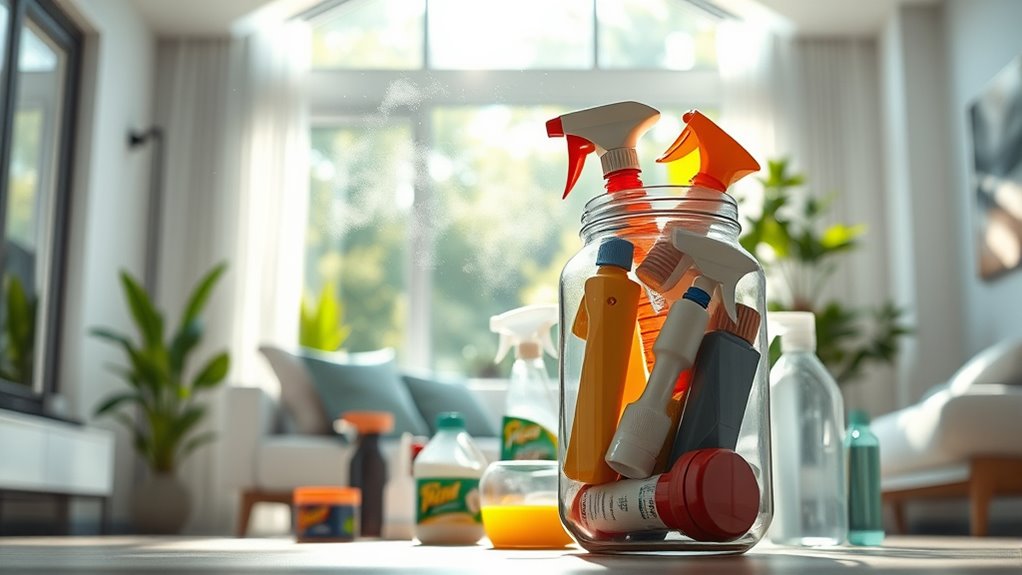
VOCs, or volatile organic compounds, are a group of chemicals that easily evaporate into the air at room temperature. You’ll find them released from many common household items and building materials. For example, paints, paint thinners, and cleaning products emit VOCs as they dry or are used. New furniture and carpets often off-gas these compounds, especially during the first few days after installation. Some personal care products, like hairsprays and perfumes, also release VOCs when you use them. Even indoor appliances such as printers and air fresheners contribute to VOC levels. Because they readily turn into airborne gases, VOCs can accumulate indoors, affecting your air quality. Understanding indoor pollutants helps you recognize the importance of controlling VOC sources to maintain healthier air. Understanding where they come from helps you identify potential sources and take steps to minimize your exposure. Indoor air quality can be significantly impacted by VOCs, making it essential to implement effective air quality management strategies. Additionally, European cloud innovation can support efforts to monitor and improve indoor air quality through advanced data solutions.
Recognizing the Signs of Indoor VOC Exposure
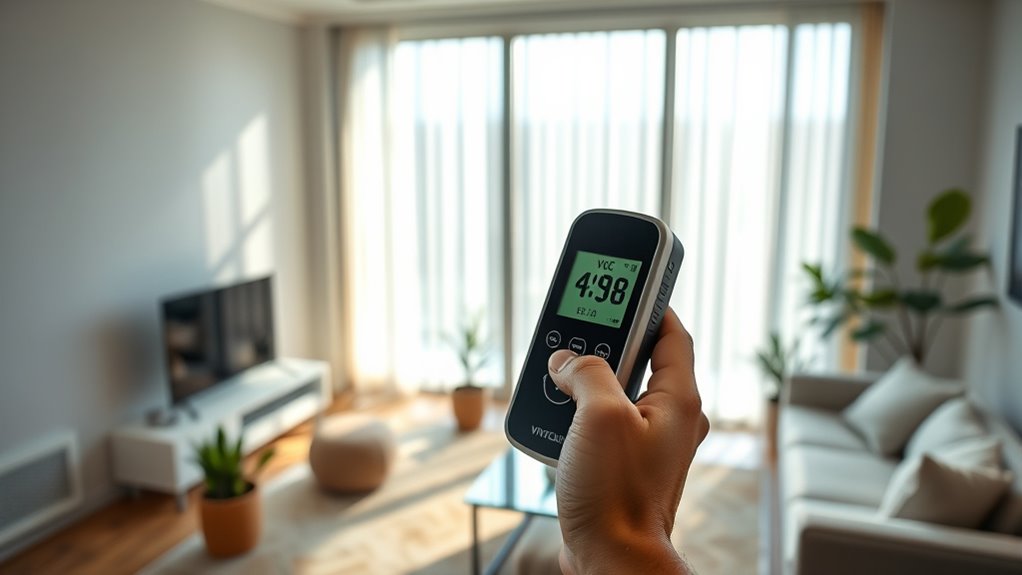
You might notice symptoms like headaches, dizziness, or irritated eyes that seem to come and go. Unfamiliar odors lingering in your home can also signal VOC presence. Additionally, persistent health changes, such as fatigue or respiratory issues, could point to ongoing indoor exposure. Being aware of indoor air quality can help you identify and address these invisible pollutants more effectively. Regularly monitoring air quality levels can further aid in recognizing potential VOC sources before symptoms develop. Incorporating smart detection technology can provide real-time insights into your indoor environment, helping you maintain safer air quality standards. Understanding VOC emission sources in your home enables targeted strategies to reduce exposure and improve overall health. Recognizing these signs early and understanding your indoor environment empowers you to take proactive steps towards healthier living spaces, as air quality awareness is crucial for preventing long-term health issues.
Common Symptom Indicators
Recognizing the signs of indoor VOC exposure is essential for safeguarding your health. If you notice frequent headaches, eye irritation, or a runny nose, these could be early indicators of VOC presence. You might also experience fatigue, dizziness, or difficulty concentrating, especially after being indoors for extended periods. Skin irritation or a persistent cough can also signal exposure. These symptoms often develop gradually and may seem unrelated, but paying attention to them helps you identify potential issues. If symptoms improve when you leave your home or ventilate your space, VOCs could be the cause. Being aware of these indicators allows you to take steps like increasing ventilation or reducing sources of VOCs to protect yourself and your family.
Unusual Odor Clues
Unusual odors often serve as early warnings of indoor VOC contamination. If you notice a persistent chemical smell—sharp, sweet, or pungent—it could indicate the presence of VOCs in your environment. These odors may come from new furniture, freshly painted walls, cleaning products, or air fresheners. Don’t dismiss them as normal; strong or lingering smells can signal that VOC levels are elevated. Pay attention to smells that seem out of place or are different from usual household odors. Ventilate your space immediately by opening windows and doors. If the smell persists despite airing out, it’s a sign you should investigate further, possibly identifying and removing the source of VOCs. Recognizing these odor clues early helps you take action before health effects develop. Being aware of Free Floating pollutants can help you understand how they disperse and linger in indoor spaces, making it easier to manage their presence.
Persistent Health Changes
Persistent health changes can be subtle but important indicators of indoor VOC exposure. You might notice symptoms that linger or worsen over time, signaling that something’s amiss. These signs can include:
- Frequent headaches or migraines that won’t go away
- Persistent coughing or throat irritation
- Unexplained fatigue or dizziness
- Skin rashes or irritation
If these symptoms appear or persist without clear cause, indoor VOCs could be the culprit. Your body often gives quiet warnings before more serious health issues develop. Paying attention to these signals can prompt you to improve ventilation, reduce sources of VOCs, and take control of your indoor environment. Recognizing these signs early helps prevent long-term health effects and keeps your home a safer, healthier space. Proper ventilation and source reduction are essential steps in managing indoor VOC levels, especially since many sources are common household items.
The Impact of VOCs on Your Health
VOCs can irritate your respiratory system, causing symptoms like coughing, sneezing, or shortness of breath. Over time, exposure may lead to more serious health issues, including asthma or lung problems. Understanding these risks helps you take steps to protect your long-term well-being. Proper use of air purifier maintenance can help reduce indoor VOC levels effectively. Additionally, being aware of your leasing options and understanding how to manage potential costs can help you make better decisions for your vehicle needs. Incorporating knowledge about indoor air quality can also guide you in choosing the right strategies to minimize VOC exposure indoors. Research indicates that security system integration with smart devices can improve overall home safety and monitoring efforts, contributing indirectly to healthier indoor environments. Engaging with music therapy integration practices, such as calming music, may also provide complementary support for stress reduction associated with poor indoor air quality.
Respiratory System Risks
Since inhaling indoor pollutants can directly affect your respiratory health, exposure to volatile organic compounds (VOCs) may lead to a range of breathing problems. You might notice symptoms like coughing, wheezing, or shortness of breath. VOCs can irritate your airways, making breathing uncomfortable and increasing your susceptibility to infections. Imagine inhaling:
- A persistent, chemical-like smell that irritates your nose
- A feeling of tightness in your chest after spending time indoors
- Sudden coughing fits triggered by new furniture or cleaning products
- A sensation of throat dryness or soreness
These signs indicate your respiratory system is reacting to VOCs. Continuous exposure can worsen these issues, especially if you have allergies or asthma. Recognizing these risks helps you take steps to improve your indoor air quality.
Long-term Health Effects
Prolonged exposure to indoor pollutants can have serious long-term health consequences that go beyond immediate breathing issues. Over time, VOCs can contribute to chronic respiratory problems, such as asthma or persistent coughs. They may also affect your immune system, making you more vulnerable to illnesses. Some VOCs are linked to neurological issues, including headaches, dizziness, and difficulty concentrating. Certain compounds are classified as carcinogens, increasing your risk of developing cancers after years of exposure. Kids, pregnant women, and the elderly are especially at risk. Even if you don’t notice symptoms now, continuous exposure can silently damage your health. Taking steps to reduce VOC levels in your home is essential for safeguarding your long-term well-being.
Common Household Items That Release VOCs

Many common household items release volatile organic compounds (VOCs) into the air, often without you realizing it. These items include everyday products that seem harmless but emit pollutants over time. When you use or store them, VOCs can off-gas into your living space. Imagine opening a can of paint and releasing fumes, or spraying air fresheners that linger in the air. Other items to watch out for are:
- Cleaning supplies like disinfectants and sprays
- Air fresheners and scented candles
- New furniture or carpets with chemical treatments
- Dry-cleaned clothes and fabric softeners
These items contribute to indoor VOC levels without obvious signs. Being aware of their presence helps you make informed choices and reduces your indoor exposure to harmful pollutants.
Simple Strategies to Reduce VOC Levels
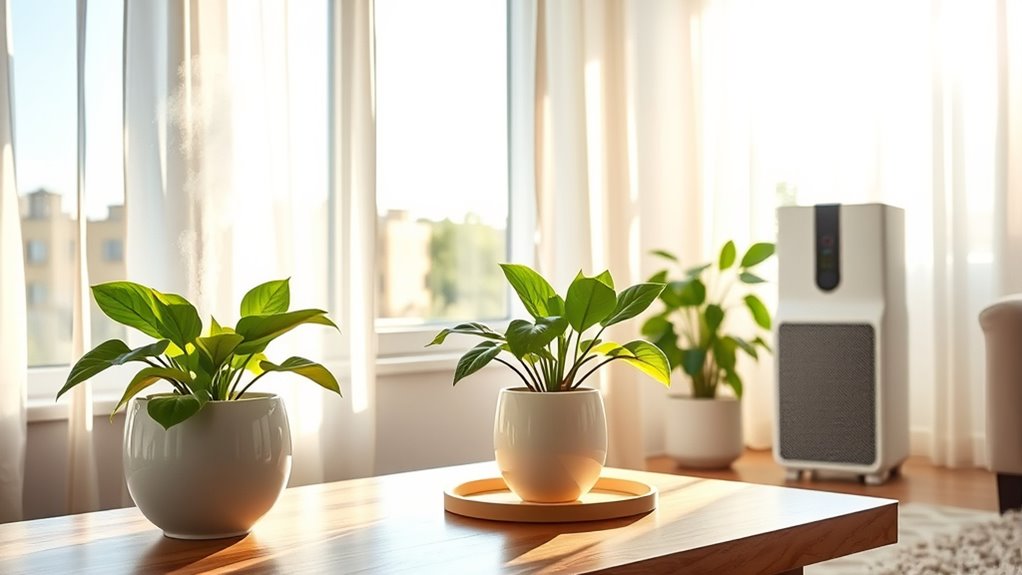
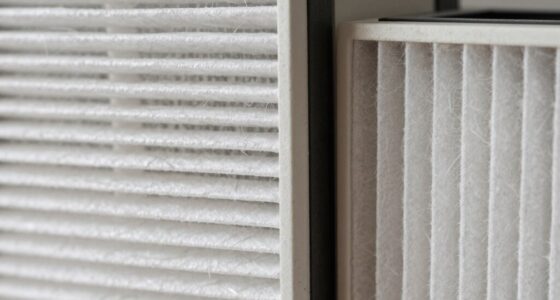
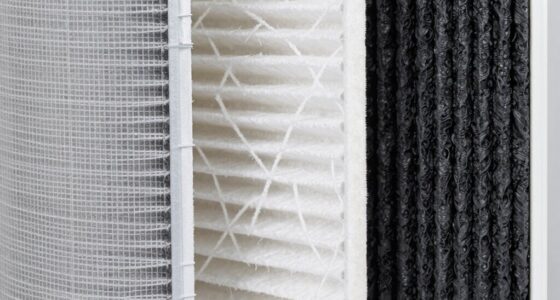
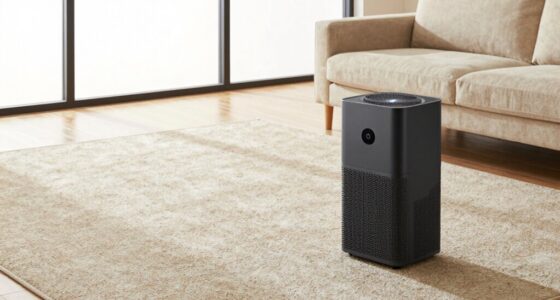
Reducing indoor VOC levels starts with simple, proactive steps you can take around your home. First, choose low-VOC or VOC-free products whenever possible, like paints and cleaning supplies. Regularly air out rooms by opening windows and doors, especially after using products that emit VOCs. Keep humidity levels in check to prevent mold, which can worsen VOC effects. Use air purifiers with activated carbon filters to adsorb VOCs effectively. To help visualize, consider this table:
| Action | Benefit |
|---|---|
| Switch to low-VOC products | Less chemical emissions |
| Increase ventilation | Dilutes indoor pollutants |
| Use air purifiers | Removes airborne VOCs |
| Control humidity | Prevents mold, reduces VOC effects |
| Store chemicals properly | Limits VOC release in your home |
Additionally, maintaining proper ventilation systems is crucial for consistently reducing indoor pollutant levels. Implementing building ventilation improvements can further enhance air circulation and pollutant removal. Ensuring proper air exchange rates can also significantly impact VOC reduction efforts. Proper ventilation helps to continuously replace contaminated indoor air with fresh outdoor air, further reducing VOC concentrations.
How Proper Ventilation Helps Keep Your Air Clean
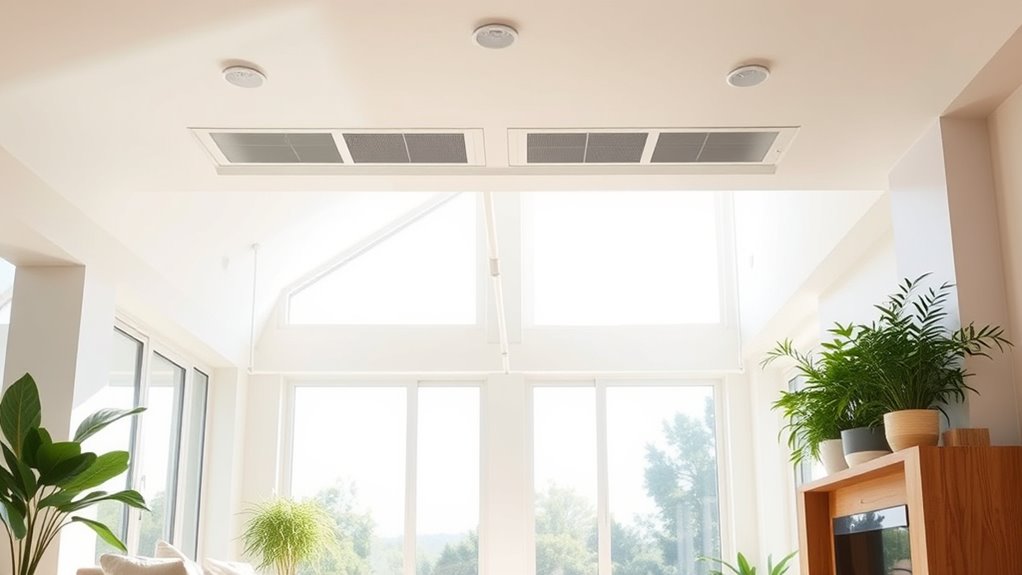
Proper ventilation is essential for maintaining clean indoor air because it helps to quickly remove VOCs and other pollutants that can accumulate inside your home. When you open windows or use exhaust fans, fresh air replaces stale indoor air, diluting harmful chemicals. Good airflow prevents VOCs from lingering in your space, reducing exposure. Imagine:
Proper ventilation removes indoor pollutants, keeping your air fresh and safe.
- Fresh breezes sweeping through open windows, pushing out indoor pollutants
- Exhaust fans pulling VOCs from kitchens and bathrooms
- Air purifiers working alongside ventilation to improve quality
- Regularly ventilated rooms feeling brighter and less stuffy
- Effective airflow plays a key role in preventing the buildup of indoor pollutants, supporting better sleep and overall health. Additionally, understanding air exchange rates can help optimize your ventilation strategies for maximum effectiveness. Incorporating smart ventilation systems can further enhance air quality by automatically adjusting airflow based on pollutant levels and occupancy. Properly managing ventilation efficiency ensures that your space remains well-ventilated without unnecessary energy consumption.
Choosing Low-VOC and No-VOC Products

Choosing low-VOC and no-VOC products is one of the most effective ways to minimize indoor air pollution. These products release fewer harmful chemicals, helping you breathe easier and protect your health. When selecting paints, cleaners, or furnishings, look for labels indicating low or zero VOC content. This simple choice reduces the amount of volatile compounds released into your home over time. To help you make informed decisions, consider this table:
| Product Type | Benefits of Low/No-VOC | Certification to Look For |
|---|---|---|
| Paints | Less odor, fewer toxins | Green Seal, GREENGUARD |
| Cleaning Supplies | Safer for skin and lungs | EPA Safer Choice |
| Flooring | Reduced chemical emissions | FloorScore, CARB compliant |
| Furniture | Less formaldehyde release | CertiPUR-US, FSC |
| Sealants & Adhesives | Minimized off-gassing | GREENGUARD Gold |
The Role of Houseplants in Improving Indoor Air Quality

Houseplants can play a significant role in enhancing indoor air quality by naturally filtering pollutants and increasing oxygen levels. They absorb VOCs and toxins through their leaves and roots, helping to clear the air you breathe. Imagine lush greenery filling your space, with leaves that trap airborne chemicals. Think of vibrant foliage providing a fresh aroma, while roots work silently below to break down harmful substances. Visualize a variety of plants—each with unique features—that brighten your environment and improve air quality simultaneously. You might see:
Houseplants naturally filter pollutants and boost oxygen, transforming your space with lush, vibrant greenery.
- Broad, glossy leaves capturing VOCs effectively
- Hanging plants adding aesthetic charm while filtering air
- Tall, leafy palms increasing oxygen production
- Small succulents fitting comfortably on desks or shelves
Maintaining a Healthier Indoor Environment Over Time
To maintain a healthier indoor environment over time, regular care and vigilance are essential. Keep your space well-ventilated by opening windows daily, and use exhaust fans in kitchens and bathrooms to reduce VOC buildup. Regularly clean surfaces with non-toxic, low-VOC cleaning products to prevent dust and chemical residues from accumulating. Monitor indoor humidity levels, aiming for around 30-50%, to minimize mold growth and reduce VOC emissions from damp materials. Inspect your home for sources of VOCs, like new furniture or paints, and allow them to off-gas in well-ventilated areas before bringing them inside. Stay proactive by replacing filters in air purifiers and HVAC systems periodically to guarantee ideal air quality. Consistent maintenance helps you enjoy a safer, healthier indoor environment over time.
Frequently Asked Questions
How Long Do VOCS Stay in Indoor Air Before Dissipating?
VOCs usually stay in indoor air for a few hours to several days, depending on their type and concentration. You can speed up dissipation by increasing ventilation, like opening windows or using fans. Keep in mind that some VOCs cling to surfaces and fabrics, releasing slowly over time. Regularly airing out your space and using air purifiers with activated carbon filters can help remove VOCs more quickly.
Are There Specific Seasons When VOC Levels Tend to Spike Indoors?
Yes, VOC levels often spike in winter and summer. During winter, you might notice higher VOCs because you keep windows closed and use heating systems, trapping pollutants inside. In summer, increased use of air conditioning and outdoor activities can introduce or concentrate VOCs indoors. To reduce exposure, guarantee proper ventilation during these seasons, use air purifiers, and choose low-VOC products whenever possible.
Can VOC Exposure Affect Pets Differently Than Humans?
Yes, VOC exposure can affect pets differently than humans. Pets tend to have a more sensitive sense of smell, making them more aware of VOCs, and their shorter respiratory tracts can lead to quicker absorption. You might notice your pets acting oddly, like sneezing or scratching, more often than you do. It’s essential to guarantee good ventilation and reduce VOC sources to protect your furry friends from indoor air pollution.
What Are the Long-Term Health Effects of Low-Level VOC Exposure?
Imagine breathing in low-level VOCs daily; over years, this may lead to chronic respiratory issues, headaches, or fatigue. Long-term health effects can include asthma development, immune system weakening, or even increased cancer risk. Even at low levels, consistent exposure can subtly impact your well-being, making it essential to improve ventilation, choose low-emission products, and reduce VOC sources in your home to protect yourself over time.
Are There Any Government Regulations on VOC Emissions From Household Products?
Yes, there are government regulations on VOC emissions from household products. Agencies like the Environmental Protection Agency (EPA) and the Consumer Product Safety Commission (CPSC) set standards to limit VOC levels in paints, cleaning supplies, and air fresheners. These regulations aim to reduce indoor air pollution and protect your health. Always check product labels for VOC content, and choose low-VOC or VOC-free options whenever possible to minimize exposure.
Conclusion
By understanding VOCs, recognizing their sources, and taking simple steps like ventilating, choosing low-VOC products, and adding houseplants, you can actively improve your indoor air quality. You can reduce exposure, protect your health, and create a safer home environment. You can breathe easier, live healthier, and enjoy cleaner air every day. Taking action today guarantees a safer, healthier tomorrow—because your indoor air quality is within your control.