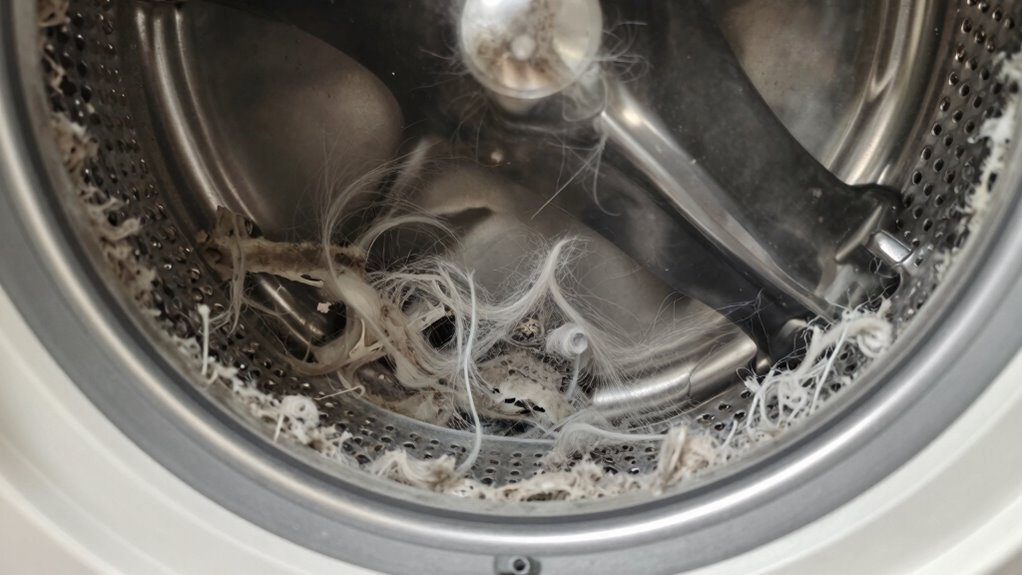

To prevent dryer lint fires, it’s essential to check hidden spots where lint hides beyond the lint trap. Lint can accumulate inside the vent hose, behind the dryer, or in the wall cavity, often out of sight. Regularly disconnect and clean the vent hose, inspect the exterior vent cap, and look behind the appliance for lint buildup. Staying vigilant and maintaining these areas helps keep your home safe—more tips await if you continue exploring.
Listen free for 30 days with Audible
Thousands of audiobooks and originals — cancel anytime.
As an affiliate, we earn on qualifying purchases.
Key Takeaways
- Regularly clean the lint trap after each load to prevent lint buildup and improve airflow.
- Inspect behind the dryer for lint accumulation inside the vent opening and exhaust hose.
- Disconnect and clean the vent hose with a brush or vacuum to remove hidden lint deposits.
- Check the exterior vent cap for debris or lint blockages to ensure proper airflow.
- Schedule professional vent cleaning annually to remove hidden lint in hard-to-reach areas.
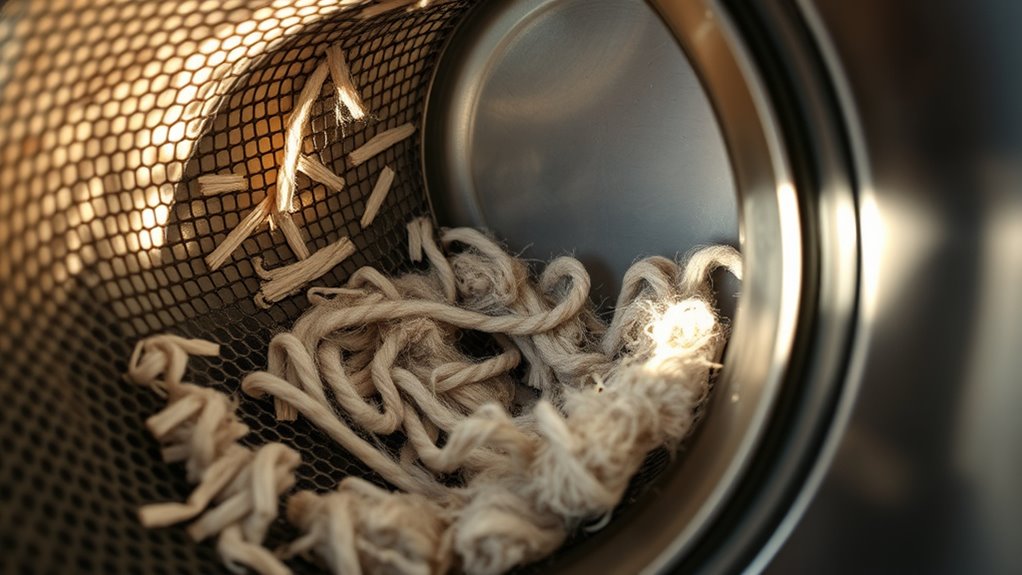
Dryer lint fires are a common but preventable hazard in many households. These fires often start when lint accumulates in places where it shouldn’t, creating a highly combustible environment. To reduce the risk, you need to understand where lint hides and how to keep it in check. Regular dryer vent cleaning is essential because it removes lint buildup from the ductwork that can block airflow and increase fire danger. Many homeowners overlook the importance of cleaning their dryer vent, but neglecting it can lead to dangerous blockages that trap heat and cause fires. Schedule professional dryer vent cleaning at least once a year or more often if you do frequent laundry loads. This guarantees lint doesn’t have a chance to accumulate deep within the vent system.
In addition to vent cleaning, maintaining your lint trap is a simple yet vital step. After every load, you should carefully remove the lint trap and clear away any lint build-up. Even if the lint looks minimal, small amounts can quickly add up over time, restricting airflow and causing the dryer to work harder and generate more heat. Make a habit of cleaning the lint trap thoroughly every time you dry clothes. Use a brush or your fingers to remove stubborn lint that gets embedded in the trap’s mesh. Keeping the lint trap clean not only prevents fire but also improves your dryer’s efficiency, saving you energy and money. Additionally, inspecting the area around the dryer for lint buildup can help prevent potential hazards before they escalate.
Lint often hides in unexpected places, so you should be diligent about inspecting areas around the dryer. For instance, check behind the dryer for lint buildup in the vent opening or around the exhaust hose. Sometimes, lint sneaks past the lint trap and accumulates in the vent hose or even inside the wall cavity. This hidden buildup can be hazardous because it’s out of sight and out of mind. Regularly disconnect the vent hose and clean it with a vent brush or vacuum attachment to remove any lint deposits. Also, examine the exterior vent cap to ensure it’s clear of debris and lint blockages, which can cause poor airflow and increase fire risk. Incorporating vent system maintenance into your routine can greatly reduce the chance of lint fires.
As an affiliate, we earn on qualifying purchases.
Frequently Asked Questions
How Often Should I Have My Dryer Vent Professionally Cleaned?
You should have your dryer vent professionally cleaned at least once a year to ensure proper dryer maintenance and prevent fire hazards. Regular vent inspection helps identify lint buildup and other obstructions that can cause your dryer to overheat or become inefficient. If you notice longer drying times or a musty smell, consider scheduling a cleaning sooner. Staying proactive with vent inspection and maintenance keeps your dryer running safely and efficiently.
Can Certain Fabrics Increase the Risk of Lint Fires?
Certain fabrics do increase your risk of lint fires because their fabric flammability is higher, and they tend to produce more lint. Items like towels, fleece, and denim create more lint accumulation in your dryer vent and lint trap. To stay safe, avoid overloading the dryer with these fabrics, clean the lint filter regularly, and have your vent professionally inspected and cleaned to reduce the chance of a fire.
What Safety Devices Can Alert Me to Lint Buildup?
You can use safety device options like lint buildup detection alarms to stay alert. These devices monitor airflow or temperature changes caused by lint accumulation, alerting you before a fire risk develops. Installing a lint buildup detector in your dryer vent or lint trap provides peace of mind. Regularly checking and maintaining your dryer’s vent system also helps prevent dangerous lint buildup, keeping your home safe.
Are There Specific Dryer Models Less Prone to Lint Fires?
You should consider the Whirlpool Cabrio as a safer dryer model, thanks to its advanced lint trap design and better dryer model safety features. For example, a homeowner with this model noticed fewer lint buildup issues and fewer fire risks. These dryers are engineered to minimize lint accumulation in hidden areas, reducing fire hazards. Always check for models with improved lint trap design and safety features to protect your home effectively.
How Can I Tell if My Dryer Vent Is Clogged?
You can tell if your dryer vent is clogged by feeling for excessive heat or slow drying times. Check for lint accumulation around the lint trap and listen for unusual noises during operation. Conduct a vent inspection by disconnecting the vent hose and inspecting it for debris or lint buildup. Regularly cleaning and inspecting your vent helps prevent clogs, reducing fire risks and keeping your dryer running efficiently.
As an affiliate, we earn on qualifying purchases.
Conclusion
To keep your home safe, don’t overlook the hidden spots where lint loves to hide. Some believe lint buildup isn’t as dangerous as it seems, but history shows fires often start in overlooked areas. Regularly clean behind the dryer, inside vents, and around lint traps. By staying vigilant and investigating these hidden spots, you can prevent fires before they start. Remember, a little extra effort today can save your home tomorrow.
As an affiliate, we earn on qualifying purchases.
dryer vent hose vacuum attachment
As an affiliate, we earn on qualifying purchases.
As an affiliate, we earn on qualifying purchases.
Fall yard work Picks
leaf blowers
As an affiliate, we earn on qualifying purchases.