
To remove limescale without scratching fixtures, use gentle, natural solutions like vinegar or lemon juice applied with a soft cloth or sponge. Soak or spray the area and wait at least 30 minutes to break down deposits, then scrub gently. Baking soda paste or eco-friendly cleaners work well too. Avoid abrasive scrubbers or steel wool, and always use soft tools to protect your fixtures. For more tips, keep exploring these safe and effective techniques.
Key Takeaways
- Use natural acids like vinegar or lemon juice applied with soft cloths or sponges to dissolve limescale gently.
- Apply baking soda directly or as a paste, then scrub with non-abrasive tools to prevent scratching delicate surfaces.
- Soak fixtures in vinegar using plastic bags secured with rubber bands to avoid direct abrasive contact.
- Avoid steel wool or abrasive scrubbers; opt for soft brushes or cloths to preserve fixture finishes.
- Regular maintenance with eco-friendly solutions minimizes buildup and prolongs fixture lifespan without damage.
Limescale buildup is a common problem that can affect your appliances and fixtures, reducing their efficiency and lifespan. When tackling this stubborn mineral deposit, you want solutions that are effective yet gentle enough to avoid scratching or damaging surfaces. The good news is that eco-friendly solutions and DIY removal methods are available, allowing you to clean your fixtures safely without harsh chemicals or abrasive tools.
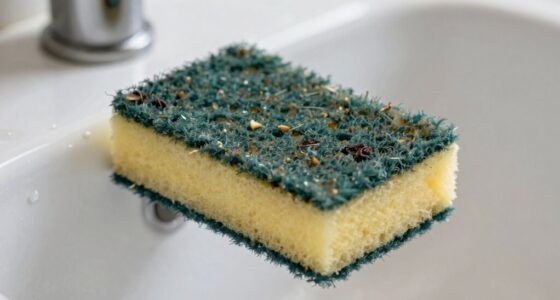
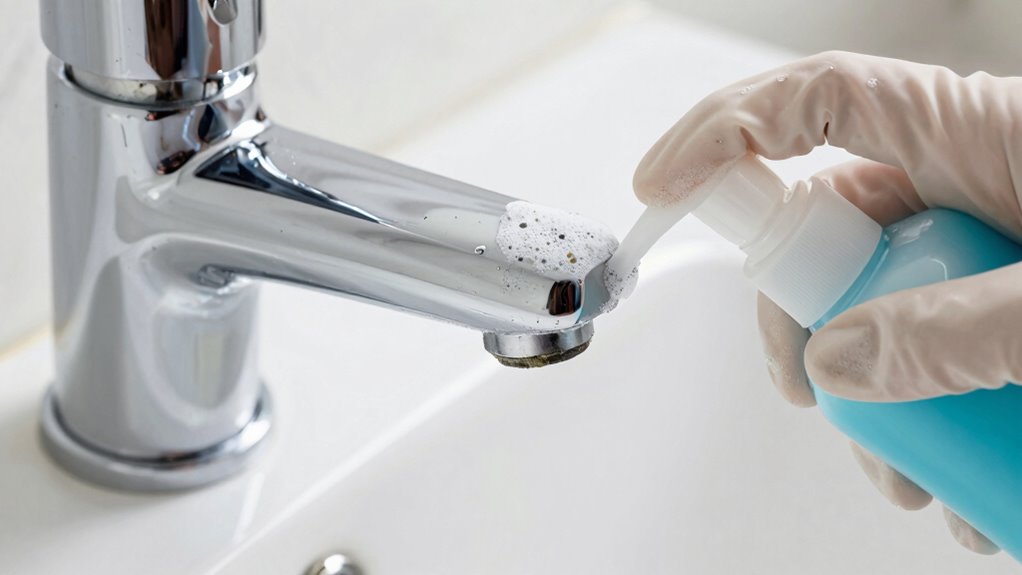
First, consider using vinegar or lemon juice, both of which are natural acids that dissolve limescale effectively. These options are not only eco-friendly but also inexpensive and readily available. To use them, soak a cloth or sponge in heated vinegar or lemon juice and apply it directly to the affected area. Let it sit for at least 30 minutes to allow the acid to break down the scale. Afterward, gently scrub with a soft-bristled brush or cloth. This method minimizes the risk of scratching because it relies on mild acids and soft tools, making it perfect for delicate fixtures like taps or showerheads.
Use vinegar or lemon juice to gently dissolve limescale without scratching delicate fixtures.
Another DIY approach involves baking soda combined with vinegar. Sprinkle baking soda onto the limescale and then spray or pour vinegar over it. The mixture will fizz, helping to lift and loosen the deposits. After allowing it to sit for about 15-20 minutes, scrub gently with a soft cloth or sponge. Rinse thoroughly with water. This natural remedy is safe, eco-friendly, and effective for removing limescale buildup in kettles, coffee makers, and other household appliances without causing damage.
For stubborn deposits, you might try a paste made from baking soda and water, applied directly to the affected area. Let it sit for a while before scrubbing softly with a non-abrasive sponge or cloth. Always test on a small, inconspicuous spot first to ensure the surface won’t be scratched. When cleaning fixtures like showerheads and faucets, you can also fill a plastic bag with vinegar, secure it around the fixture with a rubber band, and leave it overnight. This DIY removal method allows the vinegar to soak and dissolve limescale without any scratching or harsh scrubbing. Regular maintenance and surface protection can further help prevent heavy buildup and keep your fixtures in good condition.
Throughout the process, it’s important to avoid abrasive scrubbers or steel wool, which can scratch and damage surfaces. Stick to soft cloths, brushes, and gentle scrubbing motions. Regular maintenance using these eco-friendly solutions and DIY removal methods can prevent heavy buildup, making future cleaning easier and safer. By choosing natural, gentle techniques, you can keep your fixtures clean and functional without compromising their integrity or harming the environment.

ECOVER (UK) Limescale Remover 500ml
Fresh plant based fragrance
As an affiliate, we earn on qualifying purchases.
As an affiliate, we earn on qualifying purchases.
Frequently Asked Questions
Can Vinegar Damage Certain Types of Fixtures?
Vinegar can cause corrosion on certain fixtures, especially if they aren’t compatible with acidic substances. You should check fixture compatibility before applying vinegar, as it may damage finishes or cause corrosion over time. To avoid issues, test a small area first or use diluted vinegar. While vinegar is effective for limescale, understanding fixture material and avoiding prolonged contact helps prevent damage and guarantees safe, effective cleaning.
How Often Should Limescale Be Removed?
You should remove limescale every 4 to 6 weeks to maintain a clean and efficient fixture. Establishing a regular cleaning schedule helps prevent buildup and extends the life of your appliances. If you notice more deposits, increase the removal frequency. Consistent upkeep guarantees your fixtures stay shiny and functional, avoiding tougher stains and damage. Adjust your cleaning routine based on water hardness and usage to keep limescale under control effectively.
Are There Eco-Friendly Limescale Removal Options?
Did you know that over 60% of people prefer eco-friendly solutions? Yes, eco-friendly limescale removal options are available and effective. You can use natural remedies like white vinegar or lemon juice, which are safe for your fixtures and the environment. These natural remedies dissolve limescale without scratching surfaces, making them a smart choice for anyone seeking sustainable cleaning methods. Give them a try for a greener, gentler approach.
What Are the Signs of Limescale Buildup?
You’ll notice signs of limescale buildup like white or chalky deposits on fixtures, tiles, or inside appliances. If your water feels hard, it indicates low water softness, which promotes scale formation. You might see reduced water flow or appliance efficiency. To prevent scale, use water softeners or descalers and regularly clean surfaces. Recognizing these signs early helps you take action to prevent damage and keep your fixtures functioning smoothly.
Can Limescale Buildup Cause Plumbing Issues?
Think of limescale buildup as a creeping tide inside your pipes, slowly narrowing the pathway. It can lead to plumbing corrosion and pipe blockages, causing your plumbing system to strain and eventually fail. Over time, this buildup weakens pipe walls, risking leaks or bursts. Regular maintenance and limescale removal help keep the water flowing freely, preventing these silent threats from turning into costly plumbing issues.

SimpleNature 80% Vinegar (32 fl oz) – Super Concentrated Vinegar for Heavy-Duty Cleaning Power for Home & Patio, Limescale Removal & DIY Formulas – Dilutes Easily – Free of Dyes or Fragrance
NATURE'S POWERFUL CLEANER – Ditch caustic chemicals like bleach and ammonia. SimpleNature 80% Vinegar delivers serious cleaning results…
As an affiliate, we earn on qualifying purchases.
As an affiliate, we earn on qualifying purchases.
Conclusion
Now that you know how to tackle limescale without scratching your fixtures, you’ll save time and avoid unnecessary damage—no need to call upon a wizard’s wand or a knight’s sword. Just stick to gentle, effective methods, and your surfaces will stay pristine. Remember, patience is a virtue, even in this modern age of technology. With these tips, you’ll conquer limescale like a seasoned alchemist, transforming your space into a gleaming sanctuary that even Merlin would envy.
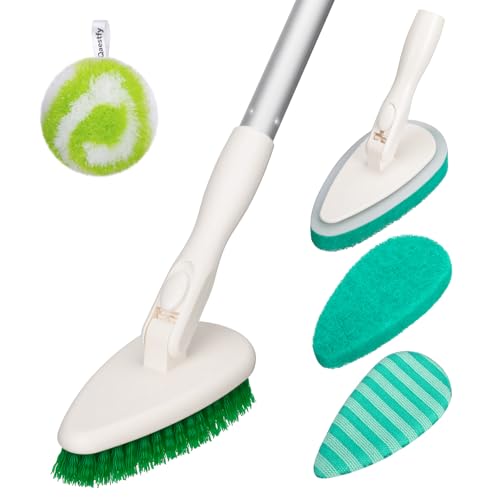
Qaestfy 4-in-1 Tub and Tile Shower Scrubber, 51'' Bathtub Cleaning Brush with Long Handle, Soft & Stiff Bristles Bathroom Scrub Brush, Non-Scratch Shower Cleaner Brush for Cleaning
【4-IN-1 SHOWER CLEANER BRUSH】Includes 1 stiff bristle brush, 1 round ball brush, 1 non-scratch scrubber pad, 1 scrubber…
As an affiliate, we earn on qualifying purchases.
As an affiliate, we earn on qualifying purchases.
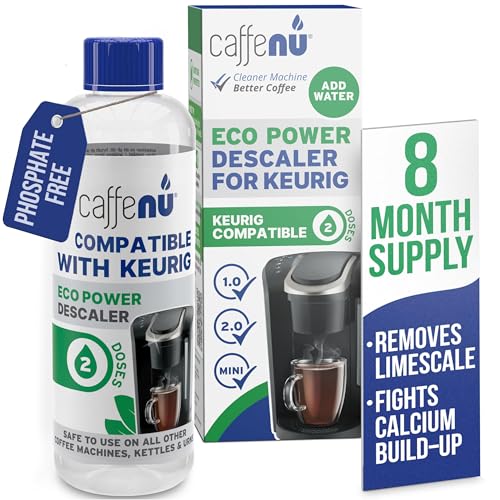
Keurig Compatible Descaling Solution. 1 Bottle of Descaler Solution. Descaling Kit Removes Limescale For Hotter Coffee. 2 Uses Descaler For Keurig Coffee Makers.
CLEAN YOUR MACHINE & EXTEND ITS LIFE: Our Concentrated Descaling Solution formula removes limescale and mineral deposits from…
As an affiliate, we earn on qualifying purchases.
As an affiliate, we earn on qualifying purchases.