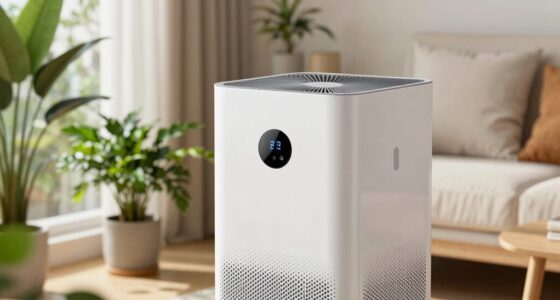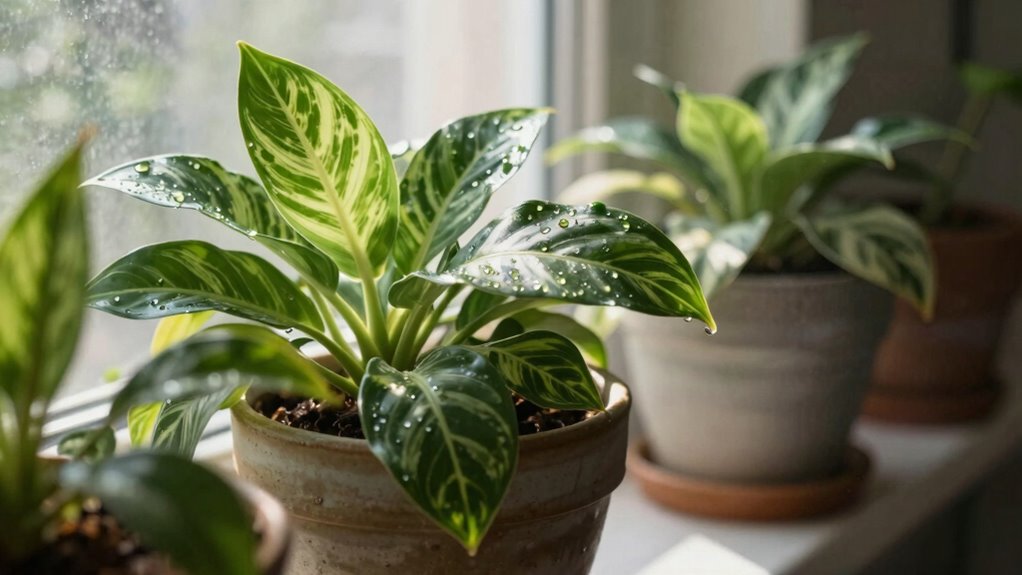

Houseplants do more than look good—they actively improve your indoor environment by boosting air quality, balancing humidity, and trapping dust. They absorb pollutants, releasing fresh oxygen and making your home healthier. Plus, their presence can lift your mood and reduce stress, creating a calming space. If you want to discover how these green friends can make your home more comfortable and clean, there’s plenty more to explore below.
Open a free Amazon Business account
Business pricing, bulk buying and tax-exempt orders.
As an affiliate, we earn on qualifying purchases.
Key Takeaways
- Houseplants naturally improve indoor air quality by removing pollutants and releasing oxygen, leading to fresher, cleaner environments.
- They boost mood and reduce stress, creating a calming ambiance that enhances overall well-being.
- Houseplants help regulate indoor humidity levels, which supports comfort and respiratory health.
- Leaves trap airborne dust particles, helping to keep homes cleaner and reducing allergy triggers.
- Integrating plants enhances indoor aesthetics while promoting healthier air circulation and physical health.

Houseplants have made a remarkable comeback, transforming our living spaces into lush, inviting retreats. They’re more than just pretty decor; they actively improve the air quality around you. Many houseplants are natural air purifiers, capable of removing common indoor pollutants like formaldehyde, benzene, and trichloroethylene. When you incorporate plants into your home, you’re not only adding visual interest but also creating a healthier environment. Their leaves absorb toxins and release oxygen, making the air you breathe fresher and cleaner. This air purification benefit is especially valuable if you spend a lot of time indoors, working or relaxing in spaces that tend to trap dust and pollutants. By choosing the right plants, you can reduce airborne irritants, leading to fewer allergies and respiratory issues over time. Plus, their presence can help balance humidity levels, which is *essential* for comfort and health, especially in dry climates or heated indoor environments.
Beyond the health perks, houseplants serve as natural aesthetic enhancements that elevate your living space’s overall vibe. They soften stark interiors, add texture, and introduce a touch of nature that complements any decor style. Whether you prefer sleek succulents, lush ferns, or vibrant flowering varieties, each plant adds its own charm. They can be positioned on shelves, window sills, or even hanging from the ceiling, allowing you to craft a personalized green oasis. This visual appeal is more than superficial; it influences your mood and sense of well-being. Just gazing at a thriving plant can reduce stress, boost creativity, and improve concentration. As you care for your houseplants, you’ll find that tending to them becomes a calming ritual, helping you unwind after a busy day. Incorporating plants can also contribute to improved air circulation, which is beneficial for indoor air quality.
Maintaining a healthy indoor environment also means managing dust. Houseplants help trap airborne dust particles on their leaves, preventing them from settling on your furniture and surfaces. This natural dust control can make your home cleaner and reduce the need for frequent cleaning. Plus, the presence of plants encourages better airflow, which can diminish stale indoor air and promote a fresher atmosphere. When you select plants suited to your space and care for them properly, you create a balanced environment that supports both your physical health and aesthetic preferences. Overall, integrating houseplants into your home is a simple, effective way to boost air purification, enhance your decor, and foster a more inviting, healthier living space.

Hihealer Meditation Cushion, Traditional Tibetan Meditation Pillow Velvet Cover - Large Floor Cushion Seating for Adults - Yoga Buckwheat Bolster for Women、Moms
- Comfort and Support: Ergonomic design for extended meditation
- Premium Velvet Cover: Soft, luxurious cover adds elegance
- Buckwheat Filling: Natural hulls for customizable firmness
As an affiliate, we earn on qualifying purchases.
Frequently Asked Questions
How Do Houseplants Improve Indoor Air Quality Long-Term?
Houseplants improve indoor air quality long-term through air purification and pollutant absorption. As you care for them, they naturally filter out toxins like formaldehyde and benzene, reducing harmful pollutants in your space. Their ongoing process of absorbing these substances keeps the air cleaner over time. By maintaining healthy houseplants, you create a healthier environment, making your home safer and more comfortable for you and your family.
Which Plants Are Best for Allergy Sufferers?
Imagine a sanctuary where airborne allergens take a backseat—certain plants can make that happen. For allergy sufferers, the best plant selection includes low-pollen options like snake plants, pothos, and areca palms. These plants naturally filter out dust and reduce airborne allergens without aggravating your allergies. By choosing carefully, you transform your indoor space into a gust of fresh air, making your home both beautiful and allergy-friendly.
Can Houseplants Help Reduce Indoor Mold Growth?
Houseplants can help reduce indoor mold growth through effective mold prevention, but only if you maintain them properly. Regularly cleaning your plants, avoiding overwatering, and providing good airflow prevent excess moisture that fosters mold. By paying attention to plant maintenance, you create an environment less inviting to mold spores. Keep your plants healthy and dry, and you’ll contribute to a cleaner, mold-free indoor space.
How Often Should I Water Different Types of Houseplants?
Picture your houseplants thriving, their lush leaves reaching toward the light. You should water your plants based on their specific care needs, which vary by type. For example, succulents need infrequent watering, about once every 2-3 weeks, while ferns prefer consistent moisture, about once a week. Check soil moisture regularly, and adjust your watering frequency to keep each plant healthy and happy.
Are There Plants That Boost Mental Health Beyond Mood Enhancement?
Yes, certain plants offer plant therapy that boosts mental clarity beyond just mood. For example, lavender and rosemary are known for their calming and focus-enhancing effects, helping you reduce stress and think clearly. By incorporating these into your space, you create a soothing environment that supports mental well-being. Regularly caring for these plants can also improve your overall mental health, making your home a true sanctuary for clarity and relaxation.

Retrospec Sedona Meditation Cushion, Buckwheat Pillow, Meditation Pillow
- Natural Buckwheat Filling: Supports spine and hips during meditation
- Customizable Firmness: Unzip to add or remove hulls
- Eco-Friendly Cotton Cover: Machine washable and microplastic-free
As an affiliate, we earn on qualifying purchases.
Conclusion
As you bring more houseplants into your space, you might notice unexpected benefits—like fresher air or a calmer mood—almost as if they’re quietly working alongside you. Sometimes, it’s the little coincidences, like how a plant’s gentle presence seems to lift your spirits during busy days, that reveal nature’s subtle magic. So, keep nurturing them; these small green companions might just surprise you with their quiet, genuine impact on your home and well-being.

Brocoliano Meditation Cushion – Ergonomic Zafu Pillow for Yoga and Mindfulness – Washable Cover, Natural Buckwheat Fill, Premium Fabric (Cotton Blend/Polyester Variant) (Steel Gray, Medium)
- Ergonomic Wedge Design: Relieves back pain during meditation
- Adjustable Buckwheat Fill: Customize height for comfort
- Two Washable Cover Options: Charcoal polyester or steel cotton-linen
As an affiliate, we earn on qualifying purchases.
Back to school Picks
back to school
As an affiliate, we earn on qualifying purchases.