
Dust mites are tiny pests that live in your bedding, carpets, and furniture, feeding on dead skin cells. They thrive in warm, humid environments and can cause allergy symptoms like sneezing, itchy eyes, and asthma. To reduce them, wash bedding regularly, keep humidity below 50%, vacuum with a HEPA filter, and use allergen-proof covers. Keep going to discover more ways to keep your home dust mite-free.
Key Takeaways
- Dust mites are tiny arachnids that feed on human and pet skin flakes, thriving in warm, humid environments like bedding and carpets.
- They commonly inhabit bedding, upholstery, carpets, and rugs, especially in areas with high humidity and poor ventilation.
- Dust mite allergens can trigger allergies, asthma, and skin reactions like eczema, causing symptoms such as sneezing, itchy eyes, and congestion.
- Reducing dust mites involves washing bedding weekly in hot water, using allergen-proof covers, and maintaining indoor humidity below 50%.
- Regular cleaning with HEPA vacuums, controlling humidity, and ventilating rooms help minimize dust mite populations and improve indoor air quality.

Shark Navigator Lift-Away Vacuum, HEPA, Carpet and Pet Hair, Blue, NV360
- Powerful Multi-Surface Suction: Cleans carpets and hard floors effectively
- Lift-Away for Above-Floor Cleaning: Detachable pod for stairs and furniture
- Pet Hair Removal: Specialized tools for pet hair cleanup
As an affiliate, we earn on qualifying purchases.
As an affiliate, we earn on qualifying purchases.
What Are Dust Mites?
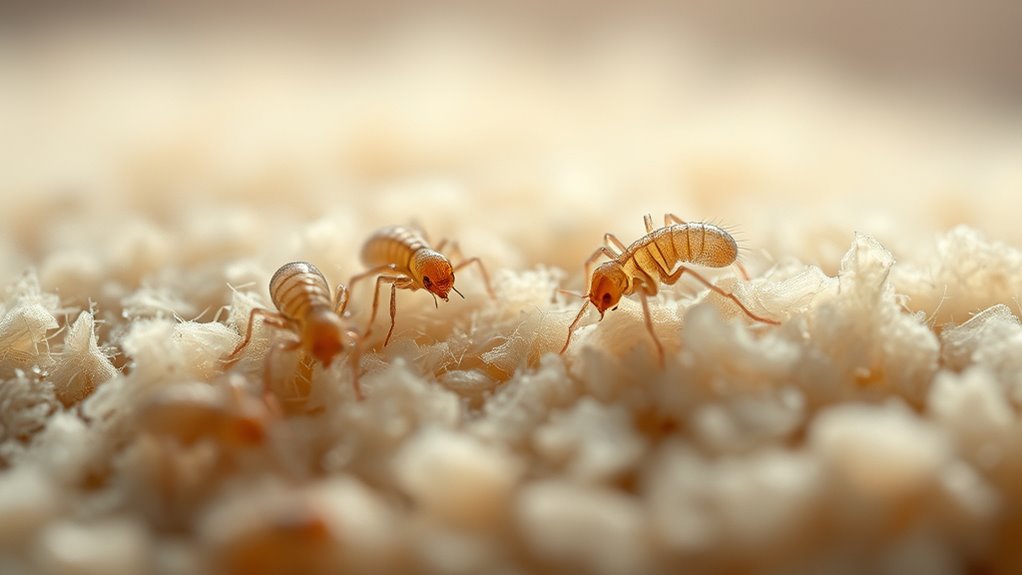
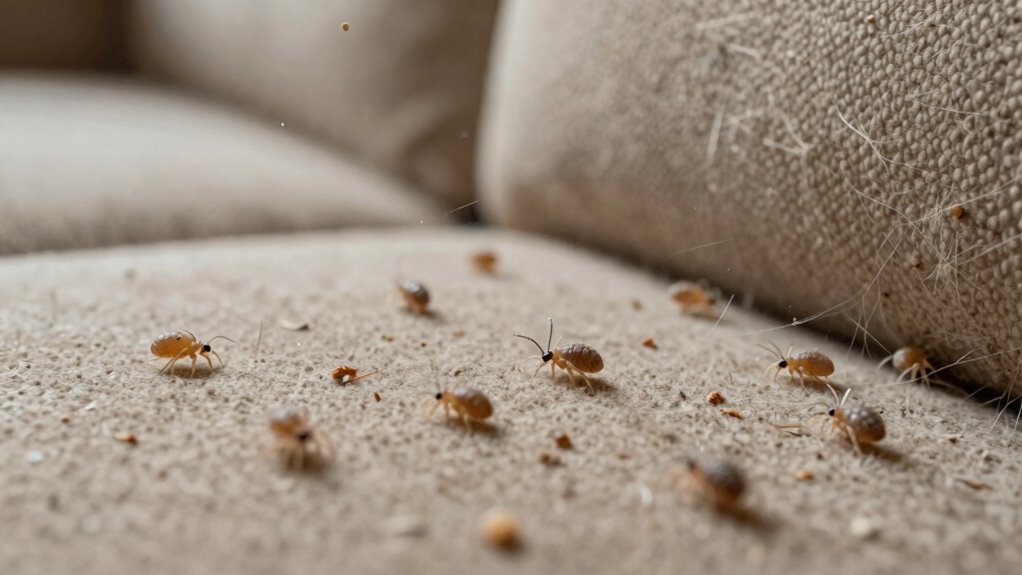
Have you ever wondered what dust mites really are? These tiny creatures are microscopic arachnids, related to spiders and ticks. You can’t see them with the naked eye, but they’re everywhere—in your bedding, pillows, and carpets. Dust mites feed on dead skin cells shed by humans and pets, making your home their perfect habitat. They thrive in warm, humid environments, multiplying rapidly if conditions are right. While they’re harmless to most people, their waste particles and body fragments can trigger allergies and asthma. Understanding what dust mites are helps you realize why cleaning and controlling humidity are essential. Humidity control is crucial in limiting their proliferation and reducing allergen levels. Regular cleaning of bedding and upholstery can significantly decrease dust mite populations and improve indoor air quality. Maintaining optimal indoor humidity levels can significantly hinder dust mite growth and reduce allergen presence. Additionally, implementing effective cleaning techniques can further reduce dust mite allergens and improve overall home health. Despite their small size, they can considerably impact your indoor air quality and comfort. Interestingly, research on Youngster Choice reveals how effective personal and environmental management can be in reducing dust mite populations.

Utopia Bedding Queen Size Mattress Protector Zippered, 100% Waterproof
- 360° Mattress Coverage: Fits 60×80 inch mattresses up to 15 inches deep
- Soft, Durable Fabric: Knitted polyester for comfort and longevity
- Secure Zipper Closure: Wrap-around zipper ensures a snug fit
As an affiliate, we earn on qualifying purchases.
As an affiliate, we earn on qualifying purchases.
The Habitats of Dust Mites
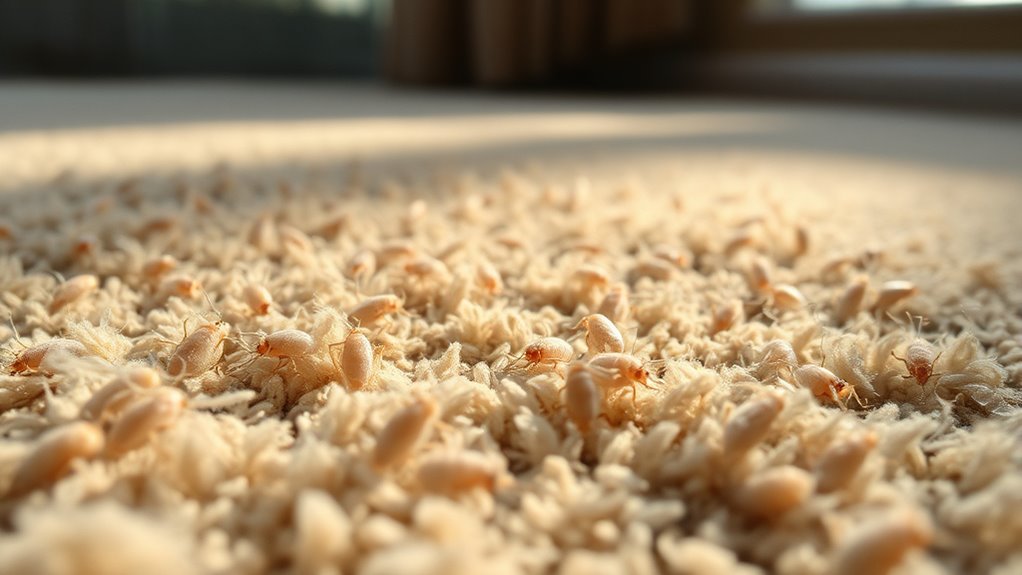
Dust mites thrive in your bedding and mattresses, where they feed on skin flakes and warm environments. You’ll also find them hiding in upholstered furniture and deep within carpets and rugs. Understanding these habitats helps you target areas that need more frequent cleaning to reduce mite populations. Additionally, ethical hacking insights can inform better cleaning technologies that detect and eliminate dust mite hotspots. Recognizing the sheltering environments that support dust mite survival can lead to more effective eradication strategies. Addressing humidity levels in your home is also crucial, as dust mites thrive in humid conditions, making dehumidifiers a helpful tool in control efforts. Maintaining a clean and dry environment is essential for long-term dust mite reduction and improving indoor air quality. Employing dedicated cleaning tools designed specifically for mite removal can further enhance your efforts to keep these pests at bay.
Bedding and Mattress Areas
Your bedding and mattress areas provide the perfect environment for dust mites to thrive. They love the warmth, moisture, and skin flakes found here. To reduce their presence, consider these steps:
- Wash your sheets and pillowcases weekly in hot water (130°F or higher) to kill mites.
- Use allergen-proof covers on your mattress and pillows to create a barrier.
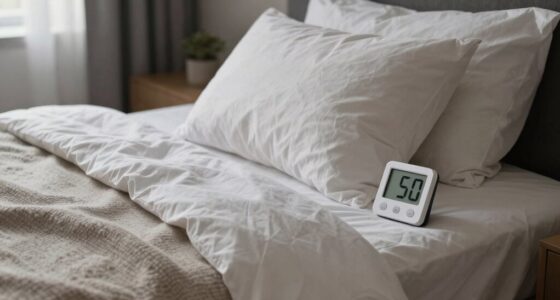
- Keep humidity levels below 50%, as dust mites need moisture to survive.
- Incorporate natural cleaning techniques that minimize chemical use and help maintain a healthier environment.
- Ensuring proper ventilation can also reduce humidity levels and discourage dust mite growth.
Regular cleaning removes dust and skin cells, reducing food sources for mites. Avoid clutter around your bed to minimize dust accumulation. These habits help create a less hospitable environment, making it harder for dust mites to thrive in your bedding and mattress areas.
Upholstered Furniture Spots
Upholstered furniture, like sofas and armchairs, can become hidden homes for dust mites, especially when they’re not cleaned regularly. These surfaces trap skin flakes, sweat, and dust, providing ideal conditions for mites to thrive. Over time, dust mites settle deep into the fabric and cushioning, making it difficult to eliminate them completely. If you don’t vacuum and clean your furniture regularly, you’re allowing dust mites to multiply and persist. Using a high-efficiency particulate air (HEPA) vacuum and washing removable covers can help reduce their numbers. Avoid letting clutter pile on furniture, as it can increase dust accumulation. Regular maintenance minimizes dust mite habitats, improving your indoor air quality and reducing allergy symptoms linked to these tiny pests. Additionally, understanding ventilation considerations can help control indoor humidity levels, further discouraging dust mite growth. Proper indoor air quality management is essential for creating an environment less hospitable to these allergens. Incorporating humidity regulation techniques can further reduce dust mite populations and improve overall comfort indoors. A well-ventilated space promotes air circulation, which can help prevent excess moisture build-up that supports dust mite proliferation. Implementing targeted dehumidification strategies can significantly diminish dust mite habitats and contribute to better health.
Carpets and Rugs
Have you ever wondered why carpets and rugs often harbor dust mites? These soft surfaces trap skin flakes, which are their main food source, creating an ideal environment for mites to thrive. To minimize their presence, consider these steps:
- Regular vacuuming with a high-efficiency particulate air (HEPA) filter to remove dust and mites.
- Washing rugs and carpets frequently in hot water (at least 130°F) to kill mites and remove allergens.
- Using allergen-proof covers or removing carpets from bedrooms to reduce harboring areas.
- Ensuring proper filtration and regular maintenance of your cleaning appliances can further reduce dust mite populations.
- Incorporating cleaning appliance quality into your routine can significantly improve dust mite control efforts.
- Additionally, maintaining low humidity levels in your home inhibits dust mite proliferation and can make your environment less hospitable.

BEDRED Dehumidifier, 95OZ Dehumidifier for Home 1000 sq ft – Quiet with Auto Shut Off & Relaxing 7 Color Ambient Light, Ideal for Livingroom, Bedroom, Basement (Black)
- Cooling Technology: Thermoelectric dehumidification for moisture removal
- Auto Shutoff: Automatically powers down when tank is full
- Ambient Lighting: 7-color soothing LED light for ambiance
As an affiliate, we earn on qualifying purchases.
As an affiliate, we earn on qualifying purchases.
How Dust Mites Affect Your Health
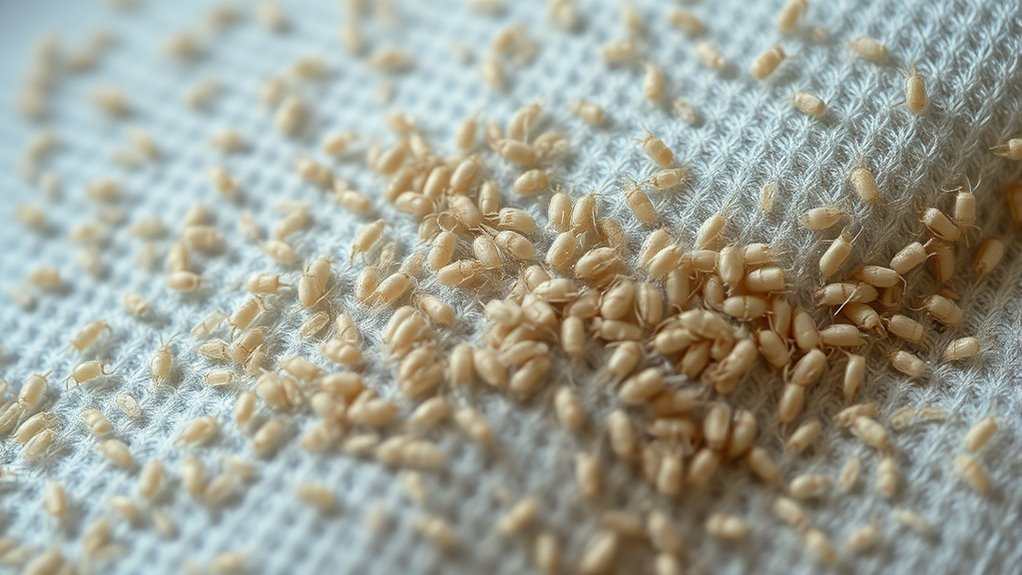
Dust mites can trigger a range of health issues, especially for those with allergies or asthma. When you’re exposed, your immune system reacts, causing symptoms like sneezing, coughing, or wheezing. In some cases, dust mite allergens can worsen asthma attacks or lead to sinus infections. To understand their impact better, consider this table:
| Effect on Your Health | Explanation |
|---|---|
| Allergic Rhinitis | Causes sneezing, runny nose, and itchy eyes |
| Asthma Exacerbation | Worsens breathing problems and asthma symptoms |
| Skin Reactions | Can lead to eczema or skin irritation |
| Sinus Infections | Chronic exposure may cause sinus issues |
| Overall Well-being | Reduces sleep quality and increases discomfort |
Reducing dust mites can considerably improve your health and comfort. Incorporating dust mite prevention techniques into your routine can make a significant difference in managing these health issues. Additionally, understanding allergen sensitivity can help you take targeted steps to minimize exposure and protect your health, especially through the use of effective home security systems that can help maintain a cleaner indoor environment. Being aware of air filtration methods can further enhance your efforts to reduce airborne dust mite particles and allergens, which is especially important for creating a calmer, more organized home.

HOSPITOLOGY PRODUCTS Mattress Encasement – Zippered Bed Bug Dust Mite Proof Hypoallergenic – Sleep Defense System – Queen – Waterproof – Stretchable – Standard 12" Depth – 60" W x 80" L
- Fits Queen Mattresses: Stretchable to 12-18 inch depth
- Full Waterproof Protection: Lab-tested, waterproof on all sides
- Breathable and Comfortable: Soft polyester knit fabric with waterproof membrane
As an affiliate, we earn on qualifying purchases.
As an affiliate, we earn on qualifying purchases.
Common Signs of Dust Mite Allergies
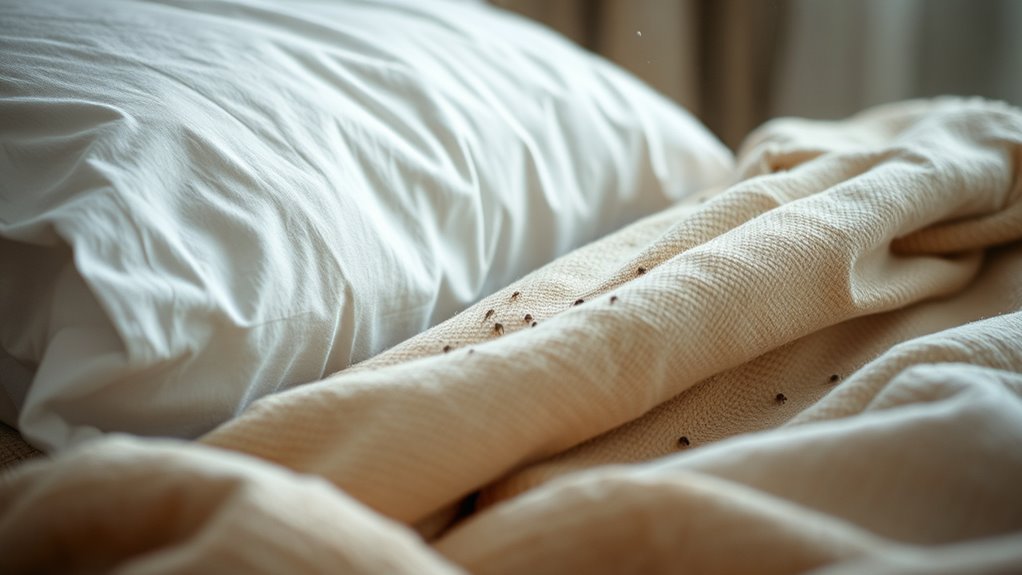
Recognizing the signs of dust mite allergies can help you identify and manage your symptoms more effectively. You might notice frequent sneezing, especially in the morning or when cleaning. Itchy, watery eyes often become a persistent annoyance. You could also experience congestion, leading to a runny nose or sinus pressure.
Recognizing dust mite allergy signs helps manage symptoms and reduce exposure effectively.
Here are some common signs to watch for:
- Recurrent coughing or wheezing, especially at night
- Skin irritation, such as rashes or eczema flare-ups
- Persistent nasal congestion and post-nasal drip
These symptoms tend to worsen in dusty environments or after prolonged exposure to bedding and upholstery. Being aware of these signs can prompt you to take steps to reduce dust mite exposure and alleviate your allergy symptoms.
Identifying Items Infested With Dust Mites
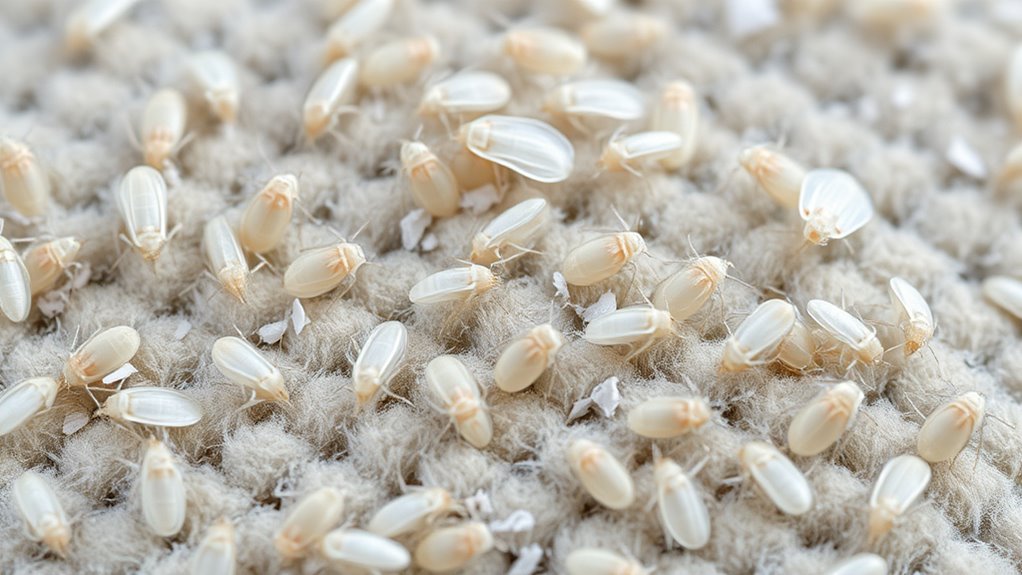
To identify items infested with dust mites, start by inspecting areas where they thrive most—such as bedding, upholstered furniture, and plush toys. Look for signs like visible dust buildup or a musty smell. Bedding often harbors the most mites, especially if it isn’t washed regularly. Check mattresses, pillowcases, and blankets for signs of dust accumulation or discoloration. upholstered furniture and cushions can also be infested if they’re rarely cleaned or vacuumed. Plush toys, especially those kept in bedrooms, can trap dust and mites inside. Use a flashlight to spot tiny specks or dust particles. If items are visibly dusty, or if you notice symptoms worsening around these items, it’s a good indication they’re infested and need cleaning or replacement.
Effective Cleaning Strategies to Minimize Dust Mites
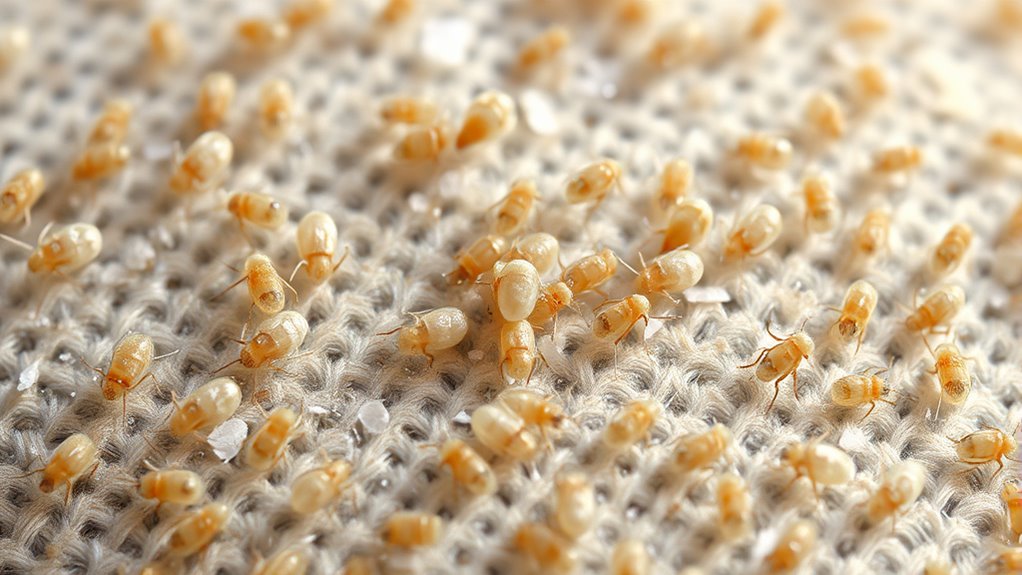
Regularly cleaning your living space is the most effective way to reduce dust mite populations. Focus on thorough, consistent efforts to keep their environment less hospitable. First, vacuum carpets, rugs, and upholstery with a HEPA filter to trap dust mites and their debris. Second, wash bedding, pillowcases, and curtains weekly in hot water (at least 130°F) to kill mites and remove allergens. Third, dust surfaces with a damp cloth to prevent dust from becoming airborne. Additionally, consider using allergen-proof covers on mattresses and pillows. These strategies help eliminate dust mites and prevent their return. Staying diligent with cleaning routines minimizes dust accumulation, creating a less inviting habitat for dust mites and alleviating allergy symptoms.
Tips for Controlling Humidity and Temperature
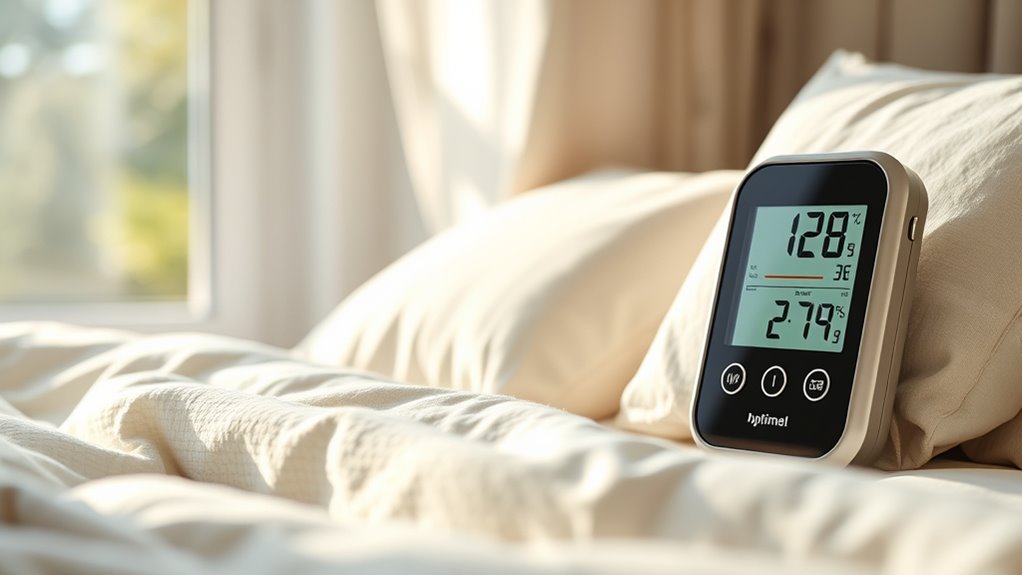
Controlling humidity and temperature is essential for keeping dust mites at bay, as these pests thrive in warm, humid environments. To reduce humidity, use a dehumidifier or air conditioner to keep indoor levels below 50%. Ventilate rooms regularly, especially bathrooms and kitchens, to prevent excess moisture. Fix leaks and address damp areas promptly. Keep your thermostat set between 65-70°F, as dust mites prefer warmth. Use fans to circulate air and maintain consistent temperatures. Avoid over-watering houseplants or letting indoor air become stagnant. By maintaining a dry, cool environment, you make your home less inviting for dust mites, reducing their numbers and minimizing allergy symptoms. Simple adjustments to humidity and temperature can considerably impact dust mite control efforts.
Choosing Dust Mite-Resistant Bedding and Textiles
Choosing bedding and textiles made from dust mite-resistant materials can substantially reduce your exposure to these allergens. Look for covers labeled “ allergen-proof” or “mite-proof,” which have tightly woven fabrics that prevent mites from passing through. When selecting bedding, consider these key features:
- Use hypoallergenic pillow and mattress encasings to create a barrier against dust mites.
- Opt for washable covers that can be cleaned regularly at high temperatures to eliminate mites.
- Choose bedding made from synthetic fibers like microfiber or tightly woven cotton, which are less hospitable to mites.
These choices help minimize mite accumulation and allergen exposure, making your sleeping environment safer and more comfortable. Regularly updating your bedding with these materials can markedly improve your allergy symptoms.
Long-Term Measures for a Dust Mite-Free Home
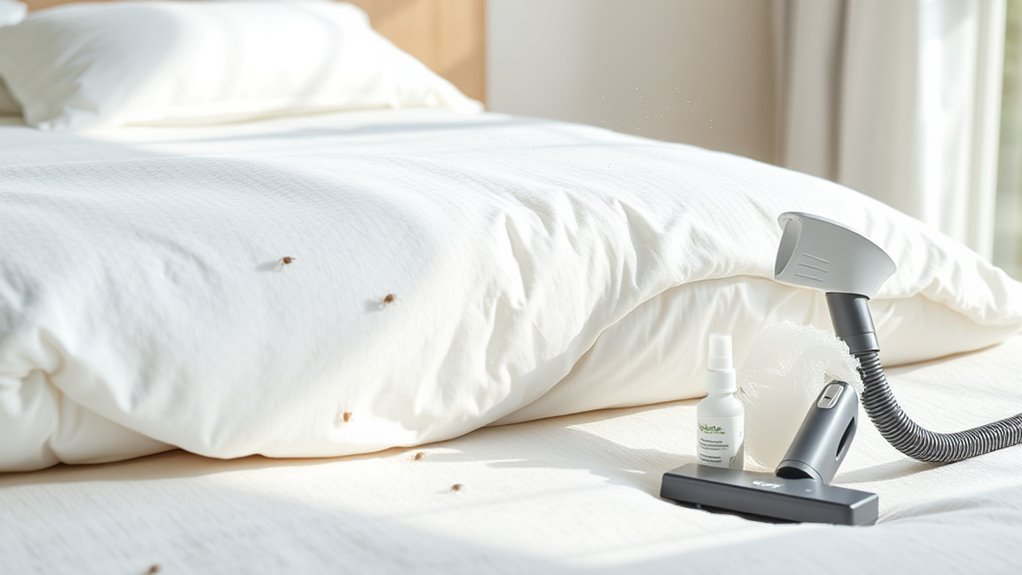
Maintaining a dust mite-free home requires consistent, long-term strategies beyond initial bedding choices. Regularly vacuum your carpets, rugs, and upholstery with a HEPA filter vacuum to remove mites and their allergens. Wash bedding, curtains, and plush toys weekly in hot water to kill mites and eliminate dust. Keep indoor humidity below 50%, ideally around 40%, using dehumidifiers or air conditioners, as mites thrive in humid environments. Declutter your home to reduce dust accumulation and avoid items that trap dust, like heavy drapes or stuffed animals. Use allergen-proof covers on mattresses and pillows continuously. Maintain good ventilation by opening windows when possible, and consider air purifiers with HEPA filters to improve air quality. Consistency in these practices is key to reducing dust mite populations long-term.
Frequently Asked Questions
Can Dust Mites Survive in Outdoor Environments?
No, dust mites can’t survive well outdoors. They thrive in warm, humid indoor environments with lots of dust and skin flakes to feed on. Outside, conditions are usually too dry and variable for them to live long. If you’re concerned about dust mites, focus on keeping your indoor spaces dry and clean. Ventilate rooms regularly and control humidity to make your home less inviting for them.
Are Certain Breeds of Pets More Likely to Carry Dust Mites?
Certain breeds of pets are more likely to carry dust mites, especially those with long, thick fur like Ragdolls, Maine Coons, or Persian cats, and some dog breeds with dense coats like Golden Retrievers or Newfoundlands. These breeds tend to shed more dander and hair, providing ample habitat for dust mites. Regular grooming, frequent cleaning, and maintaining low humidity can help reduce dust mite presence in your home.
Do Dust Mites Only Infest Bedding and Upholstery?
Dust mites are like tiny, invisible invaders that don’t limit themselves to bedding and upholstery; they also creep into carpets, curtains, and even plush toys. You might think they’re confined, but they’re more like whispers in every fabric. To keep them at bay, regularly vacuum, wash bedding in hot water, and reduce clutter. Think of your home as a fortress, defending against these microscopic foes everywhere they hide.
How Long Can Dust Mites Live Without Food or Water?
Dust mites can survive for about a month without food or water, but their lifespan varies depending on environmental conditions like humidity and temperature. If you reduce humidity and keep your living space clean, you’ll limit their survival chances. Regularly washing bedding and vacuuming carpets can help cut down their numbers, even if they can live briefly without sustenance. Staying proactive is key to managing dust mite populations.
Are There Natural Remedies to Eliminate Dust Mites Effectively?
Yes, natural remedies can help reduce dust mites effectively. Studies show that frequent washing at high temperatures can eliminate up to 95% of mites. You can try using essential oils like tea tree or eucalyptus, which have antimicrobial properties, by adding a few drops to your laundry or diffusing them. Regularly vacuum with a HEPA filter and dust with damp cloths to minimize mite populations naturally.
Conclusion
By understanding dust mites and taking proactive steps, you can turn your home into a fortress against these tiny invaders. Regular cleaning, controlling humidity, and choosing mite-resistant bedding act like a shield, keeping allergens at bay. Remember, maintaining a dust mite-free environment is like tending to a garden—you need consistent care to keep it flourishing. With these strategies, you’ll breathe easier and enjoy a healthier, happier home.