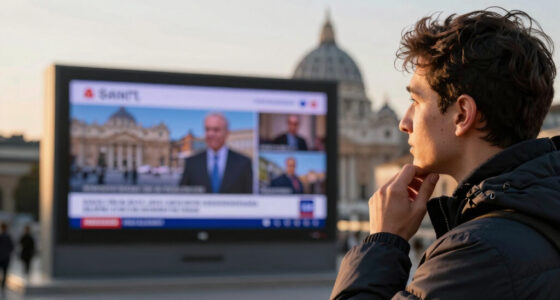

TL;DR
A new survey shows that many Gen Z adults are avoiding church attendance, with concerns over Trump’s political influence cited as a primary reason. The trend raises questions about faith, politics, and generational values.
Generation Z adults are significantly reducing their church attendance, according to a recent survey, with many citing disapproval of former President Donald Trump and his association with certain religious groups as key reasons. This trend highlights shifting attitudes toward religion and politics among younger Americans, potentially impacting religious institutions and community engagement.
The survey, conducted by LGBTQ Nation, found that more than 60% of Gen Z respondents reported avoiding churches or religious gatherings because of their views on Trump and the political climate surrounding him. Many respondents expressed concern that churches associated with or sympathetic to Trump’s policies and rhetoric do not align with their values. Experts note that this decline in church attendance among young adults is part of a broader trend of decreasing religious affiliation in the United States, but the specific influence of Trump appears to be a significant factor for this demographic. The survey also indicates that younger adults are seeking alternative community spaces and spiritual practices outside traditional churches, reflecting a shift in how faith and community are experienced by Gen Z.Impact of Trump’s Influence on Youth Religious Engagement
This trend matters because it signals a potential decline in traditional religious participation among a key demographic. As Gen Z becomes a larger voting and social force, their reduced engagement with churches could influence the future of religious institutions, political alignment, and community cohesion. It also underscores the ongoing intersection of politics and religion, especially how political figures like Trump shape cultural and spiritual identities. The shift may lead to changes in how faith-based organizations approach outreach and inclusion, particularly toward younger generations who are increasingly skeptical of political associations with religious groups.
Hihealer Meditation Cushion, Traditional Tibetan Meditation Pillow Velvet Cover – Large Floor Cushion Seating for Adults – Yoga Buckwheat Bolster for Women、Moms
- Comfort and Support: Ergonomic design for extended meditation
- Premium Velvet Cover: Soft, luxurious cover adds elegance
- Buckwheat Filling: Natural hulls for customizable firmness
As an affiliate, we earn on qualifying purchases.
As an affiliate, we earn on qualifying purchases.
Shifting Religious Trends and Political Polarization Among Youth
Over the past decade, religious affiliation in the U.S. has declined overall, especially among younger people. The rise of secularism, increased skepticism toward institutional religion, and cultural shifts have contributed to this decline. The political landscape, notably the influence of Donald Trump, has further complicated this relationship, with many young people perceiving a disconnect between Trump’s rhetoric and traditional religious values. Previous studies have shown that younger Americans are more likely to identify as spiritual but not religious, and many are disillusioned with organized faith communities that they see as aligned with political agendas they oppose. This survey adds to the evidence that Trump’s presidency and subsequent political climate have had a tangible impact on youth religious engagement, specifically in distancing themselves from churches perceived as supportive or sympathetic to his policies.“Many young adults see a clear link between their disapproval of Trump and their reluctance to participate in traditional religious institutions, which they associate with political partisanship and exclusivity.”
— Dr. Emily Carter, Sociologist of Religion at State University

Energy Healing Copper Pyramid Kit – 100% Pure Copper Connectors for ½ Inch (12.7mm) Pipes – Meditation, Reiki, Vastu – Includes 4 Base + 1 Top Connector – Heavy-Duty
- Energy Amplifying Copper Pyramid: Enhances meditation and healing practices
- Universal Size Compatibility: Fits worldwide pipe sizes and connectors
- Easy Tool-Free Assembly: Includes connectors for quick setup
As an affiliate, we earn on qualifying purchases.
As an affiliate, we earn on qualifying purchases.
Extent and Long-Term Impact of the Trend
It is not yet clear how persistent this disengagement will be over time or whether it will lead to a broader decline in religious affiliation among all age groups. The survey captures current attitudes but does not predict future behaviors or the potential for churches to adapt their messaging to re-engage younger adults. Additionally, the specific ways in which political perceptions influence individual faith choices remain complex and varied across different communities.
The Production of Alternative Urban Spaces (Regions and Cities)
As an affiliate, we earn on qualifying purchases.
As an affiliate, we earn on qualifying purchases.
Monitoring Future Religious Engagement and Political Attitudes
Researchers and religious organizations will likely observe whether this trend continues as Gen Z ages and as political and cultural climates evolve. Future surveys may explore whether younger adults shift their views or if new community models emerge that better resonate with their values. Additionally, faith communities may consider how to address political polarization and inclusivity to reconnect with disaffected youth. Policy discussions around religion and politics could also influence this dynamic in upcoming years.
Spiritual but Not Religious: The Search for Meaning in a Material World
As an affiliate, we earn on qualifying purchases.
As an affiliate, we earn on qualifying purchases.
Key Questions
Why are Gen Z adults avoiding churches related to Trump?
Many Gen Z adults associate churches that support or are sympathetic to Donald Trump with political partisanship and values they oppose, leading to their distancing from these religious institutions.
Is this trend unique to religious groups or broader?
The survey suggests this is particularly pronounced among religious communities, but it also reflects broader shifts in youth attitudes toward authority, tradition, and political figures.
Could this change over time?
It remains uncertain whether this disengagement will persist or if future political or cultural shifts will alter young adults’ attitudes toward religion and community participation.
How might churches respond to this trend?
Religious institutions may need to reconsider their messaging, focus on inclusivity, and address political polarization to reconnect with younger generations.
Does this trend affect all religious groups equally?
Current data suggest variations across denominations and communities, with some more affected than others, depending on their political associations and cultural climate.
Source: fediverse