Finding the best dehumidifier for your basement involves balancing capacity, energy efficiency, and ease of maintenance. The 5000 Sq. Ft Dehumidifier stands out for its high capacity and quiet operation, making it ideal for large spaces. The AEOCKY 4500 Sq.Ft ENERGY STAR Model is notable for its energy efficiency and smart features, perfect for those looking to save on running costs. However, most options involve tradeoffs between size, noise level, and price. Continue reading for a detailed breakdown of these models and what to consider when choosing the right dehumidifier for your basement.
Key Takeaways
- Capacity varies significantly; larger basements need models with at least 70+ pints per day to effectively control humidity.
- Energy efficiency, especially ENERGY STAR ratings, can reduce long-term operating costs, making it worth prioritizing for frequent use.
- Smart features like humidistats and automatic drainage simplify maintenance and optimize performance, especially in larger or humid spaces.
- Noise level matters; quieter models are better suited for finished basements used as living or workspace areas.
- Price often correlates with capacity and smart features, but premium options may not always be necessary for smaller or less humid basements.


More Details on Our Top Picks
5000 Sq. Ft Dehumidifier with 95 Pint/Day Capacity, Smart Humidity Control, Drain Hose, Quiet Operation
This model stands out for its high capacity of 95 pints per day, making it ideal for extensive basements or open-concept areas. It compares favorably to smaller units like the B0DXKRFFGM, which is better suited for smaller rooms. Its automatic humidity control and continuous drainage make it convenient for long-term basement moisture management, but its size and weight require good space planning. The plastic build isn’t as durable as metal units, a tradeoff for affordability and lighter weight. This pick makes the most sense for those who need serious moisture removal without frequent emptying.Pros:- Massive moisture removal for large spaces
- Quiet operation suitable for living areas
- Automatic humidity control and continuous drainage
Cons:- Relatively bulky and heavy
- High power consumption at 230 watts
- Plastic casing less durable
Best for: Homeowners with large, damp basements needing powerful moisture control.
Not ideal for: Small apartments or spaces under 500 sq. ft. where capacity is excessive and portability matters.
- Floor Area:5000 Square Feet
- Dehumidification Capacity:95 Pints per Day
- Tank Capacity:1.72 Gallons
- Wattage:230 watts
- Operation Mode:Automatic
- Auto Shutoff:Yes
Bottom line: Best suited for large, moisture-prone basements where capacity and quiet operation are priorities.
AEOCKY 4500 Sq.Ft ENERGY STAR Most Efficient 2025 Dehumidifier, 80 Pint/Day Smart Compressor with Drain Hose, Intelligent Humidistat for Basement, Bedroom, Home, Bathroom
The AEOCKY RHEA-001 is crafted for energy-conscious buyers who want powerful moisture control without high electricity costs. Its ENERGY STAR Most Efficient 2025 certification places it ahead of the 74 Pint Energy Star version, offering enhanced efficiency and lower operating costs. It operates quietly at just 44 dB, even at high settings, and performs well in low temperatures, making it perfect for basements with chillier environments. However, its heavier weight of 31 lbs makes it less portable than smaller units like the B0DXKRFFGM. The complex drainage setup may deter those seeking a plug-and-play experience. This model is ideal for users prioritizing energy savings and quiet operation in large spaces.Pros:- Exceptional energy efficiency with latest certification
- Quiet operation suitable for bedrooms and living areas
- Effective in low-temperature environments down to 65℉
Cons:- Heavier and less portable
- Higher price point due to advanced features
- Complex installation process for drainage
Best for: Eco-minded homeowners seeking an efficient, quiet dehumidifier for large basements or living spaces.
Not ideal for: Renters or users needing a lightweight, portable unit with simple setup.
- Dehumidification Capacity:80 pints/day
- Coverage Area:4500 sq.ft
- Noise Level:44-50 dB
- Energy Certification:ENERGY STAR Most Efficient 2025
- Weight:31 lbs
- Drain Hose Included:Yes
Bottom line: A smart choice for energy-efficient, quiet basement moisture control where cost is less of a concern.
Dehumidifier, 95 OZ Compact Home Dehumidifier for 1000 Sq.Ft – Quiet with Auto Shut Off & 7-Color Ambient Light
This compact dehumidifier is well-suited for small to medium-sized rooms up to 1000 sq.ft., making it a practical choice for bedrooms, small living rooms, or RVs. Its small size and stylish 7-color ambient light add a cozy touch, and the auto shutoff feature ensures safety when the water tank fills. Compared to larger units like the 95 Pint Capacity model, it’s less suited for large or very damp basements, but it excels in quiet operation and aesthetic appeal. The thermoelectric cooling system, while energy-efficient, might struggle in high humidity environments, leading to less effective moisture removal in such conditions.Pros:- Compact and stylish design
- Quiet operation with sleep mode
- Color-changing ambient light creates a relaxing atmosphere
Cons:- Limited to small/medium rooms
- Less effective in very humid environments
- Frequent emptying of water tank required
Best for: Homeowners seeking a quiet, stylish dehumidifier for small spaces or bedrooms.
Not ideal for: Large basements or spaces over 1000 sq.ft. where higher capacity is needed.
- Capacity:95 OZ
- Coverage Area:1000 sq.ft
- Auto Shutoff:Yes
- Sleep Mode:Yes
- Ambient Light:7-color
Bottom line: A charming, quiet option for small spaces where subtle moisture control is sufficient.
74 Pint Energy Star Version 6.0 Dehumidifier with Smart Humidistat and Drain Hose for Basement, Bedroom, Home, Bathroom
This model stands out for its impressive capacity of 74 pints per day and energy-efficient design, thanks to its Energy Star Version 6.0 certification. Compared to the Waykar 80 Pint model, it offers slightly less moisture removal but excels in quieter operation and cold environment reliability, thanks to its auto-defrost system. Its smart humidistat ensures precise control, making it ideal for basements that fluctuate in humidity. However, at 31 pounds and with a somewhat complex setup, it may be less suitable for users seeking portability or simple plug-and-play units. Still, its energy savings and reliable performance make it a solid choice for larger, colder spaces that require consistent moisture management.
Pros:- Energy Star Version 6.0 certified ensures low energy bills
- Smart humidity control provides accurate moisture management
- Auto-defrost system makes it reliable in cold environments
- Quiet operation suitable for bedrooms and living spaces
Cons:- Heavy and bulky for small or portable needs
- Complex setup might challenge non-technical users
- Higher price compared to basic models
Best for: Homeowners with large, cold-basements seeking energy-efficient, precise humidity control
Not ideal for: Users needing lightweight, portable units or quick, simple setup in small spaces
- Dehumidification Capacity:74 pints/day
- Coverage Area:4500 sq.ft
- Energy Star Version:6.0
- Size:14.4″D x 8.6″W x 23.3″H
- Weight:31 lbs
- Noise Level:44-50 dB
Bottom line: This dehumidifier is best suited for large, cold-basements where energy efficiency and precise control justify a higher price.
Waykar 80 Pints Energy Star Dehumidifier for Up to 5,000 Sq. Ft., Basement and Home
The Waykar 80 Pint Dehumidifier makes a compelling case for extensive coverage, managing up to 5,000 sq.ft., and removing moisture at a robust rate of 80 pints per day. Compared with the 74 Pint Energy Star model, it offers a higher capacity, making it ideal for larger, more humid basements or multiple rooms. Its quiet operation and multiple drainage options, including continuous drain, appeal to users looking for convenience and minimal noise disruption. However, it weighs 31 pounds, which could challenge portability, and requires regular filter cleaning to maintain efficiency. This pick is well-suited for homeowners with large, humid spaces who value high capacity paired with energy efficiency and ease of use.
Pros:- High moisture removal capacity suitable for large spaces
- Energy Star certified for cost savings
- Quiet operation enhances comfort in living areas
- Multiple drainage options for convenience
Cons:- Heavy to move without casters or handles
- Requires regular filter cleaning to prevent efficiency loss
- Tank may need frequent emptying in high humidity
Best for: Large basement spaces or homes needing high moisture removal with quiet, continuous operation
Not ideal for: Apartment dwellers or users seeking ultra-light, portable units for small spaces
- Capacity:80 pints/day
- Tank Volume:1.14 gallons
- Coverage Area:up to 5,000 sq.ft
- Wattage:580 watts
- Noise Level:Lower dB with quiet design
- Features:Auto Defrost, Automatic Moisture Removal
Bottom line: This dehumidifier is perfect for large, humid spaces where capacity and quiet operation are priority, despite its weight and maintenance needs.
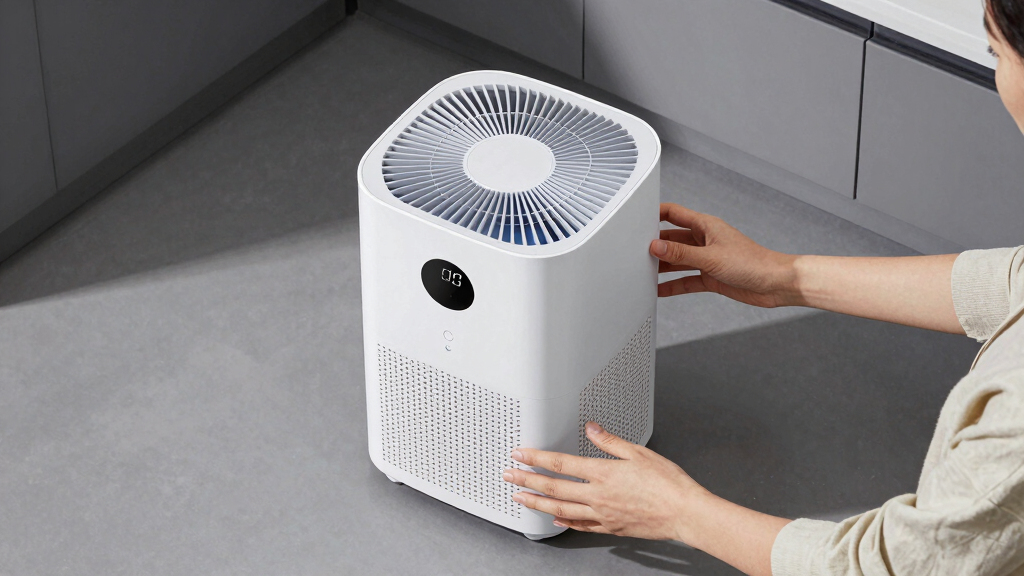
How We Picked
Our evaluation focused on performance, capacity, energy efficiency, user-friendliness, and durability. We prioritized models with sufficient pint capacity for typical basements, emphasizing those with smart features and easy maintenance options. Cost-effectiveness was also a key factor, alongside noise levels—since many use basements as living spaces. To rank these products, we compared their specs, user reviews, and overall value, aiming to recommend options suitable for different needs and budgets. The top picks balance power and convenience without unnecessary complexity, ensuring practicality for most homeowners.
Factors to Consider When Choosing Best Dehumidifier For Basement
Choosing the best dehumidifier for your basement requires understanding several critical factors. Capacity determines how effectively the unit handles your space’s humidity, while energy efficiency impacts ongoing costs. Ease of maintenance, noise levels, and additional features like smart controls can significantly influence daily usability. By considering these factors, you can avoid common pitfalls such as undersized units or models with high operating costs. Here are key points to keep in mind:Capacity and Coverage Area
Matching the dehumidifier’s capacity to your basement size is essential. Units are rated by pints per day, indicating how much moisture they can remove. For larger spaces, a model with at least 70-80 pints per day is advisable to keep humidity levels in check. Choosing a unit with too low a capacity can result in persistent dampness, mold, and musty odors. Conversely, an oversized dehumidifier may run inefficiently and cost more upfront. Always measure your space and consider humidity levels to select the right capacity.
Energy Efficiency and Operating Costs
Energy-efficient models, especially ENERGY STAR rated units, can significantly reduce electricity bills over time. While they might cost more initially, their lower power consumption makes them cheaper to run daily. For basements that require continuous dehumidification, investing in an efficient model pays off in the long run. Keep an eye on features like auto shut-off and adjustable humidistats, which can help optimize energy use without sacrificing performance.
Ease of Use and Maintenance
Look for models with straightforward controls and automatic drainage options to minimize manual emptying. Humidistats that allow precise humidity level settings help maintain a healthy environment without over-drying. Maintenance tasks like filter cleaning or replacing should be simple, with clear indicators for when action is needed. Units with washable filters or long-lasting components tend to offer better overall value and less hassle.
Noise Levels and Placement
Since many basements serve as living or working areas, noise can be a deciding factor. Quieter models, operating at around 50-55 decibels, are preferable for occupied spaces. Consider the placement of your dehumidifier as well—placing it in a corner or behind furniture can help dampen noise further. If noise is a major concern, look for units specifically designed with noise reduction features or quieter compressors.
Additional Features and Price
Features like smart controls, digital displays, and automatic shut-off add convenience but often come at a higher price. Basic models may lack these extras but still effectively control moisture. Weigh your needs against your budget—if you want a set-it-and-forget-it solution, investing in a premium model with smart features makes sense. For smaller or less humid basements, a simpler, less expensive unit might suffice.
Frequently Asked Questions
How do I determine the right capacity for my basement?
To find the appropriate capacity, measure your basement’s square footage and consider its humidity level. A space around 1,000 square feet typically needs a dehumidifier with at least 50-70 pints per day. Larger or more humid basements require units with higher capacity, such as 70-80 pints or more. Using a hygrometer can help monitor humidity levels, ensuring your chosen dehumidifier maintains a comfortable and healthy environment without overworking.
Is energy efficiency worth paying extra for?
Energy efficiency can significantly cut ongoing costs, especially if the dehumidifier runs continuously in a damp basement. ENERGY STAR rated models are designed to use less power for the same moisture removal, which can save you money over time. While they might have a higher upfront price, the savings on electricity bills often offset this difference within a year or two. For long-term cost savings, prioritizing an energy-efficient model makes sense.
Can I leave my dehumidifier running all the time?
Yes, many modern units are designed for continuous operation, especially those with automatic humidity control and shut-off features. Setting the humidistat to maintain a target humidity level (around 50%) can help prevent over-drying and reduce energy use. However, it’s important to ensure proper drainage or emptying capabilities to avoid overflow or water damage. Regular maintenance and monitoring are key to safe, efficient operation.
How noisy are basement dehumidifiers?
Noise levels vary between models, with quieter units operating around 50-55 decibels—comparable to background conversation. If your basement doubles as a living space, look for models marketed as quiet or with noise reduction features. Placement also matters; positioning the unit away from seating or work areas can help minimize disturbance. For extremely quiet operation, some premium models use advanced compressors designed to run more silently.
When should I replace my dehumidifier?
Dehumidifiers typically last 8-10 years with proper maintenance. Signs that it’s time for replacement include persistent failure to dehumidify despite cleaning, excessive noise, or frequent breakdowns. If the unit consumes more electricity than usual or if repair costs approach the price of a new one, replacing it may be more economical. Regularly inspecting and maintaining your unit prolongs its lifespan but eventually, wear and tear will necessitate a new model.
Conclusion
Choosing the right dehumidifier depends on your specific needs. The Best Overall pick is the model offering a balanced mix of capacity, efficiency, and ease of use, suitable for most typical basements. For those prioritizing value, models with solid performance at a lower price point make the most sense. Best for Beginners are simple, straightforward units that require minimal setup, while Premium options with smart features cater to tech-savvy users who want automation and remote control. For large or particularly humid basements, investing in a high-capacity unit ensures effective moisture control. Tailor your choice based on your space, budget, and how much convenience matters to you.