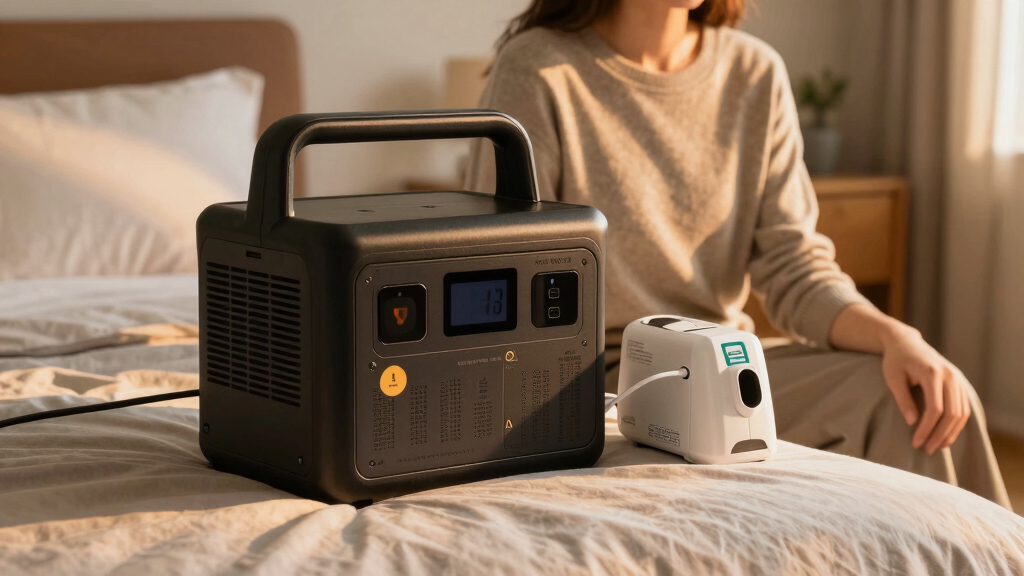

For anyone relying on a CPAP machine, having a dependable backup power source is essential. The best rated power stations for CPAP backup combine capacity, portability, and compatibility, but each option balances these factors differently. The Jackery Explorer 300 stands out for its portability, while the Anker SOLIX C1000 offers massive power for longer outages. Buyers face tradeoffs between size, weight, and capacity, making it crucial to pick a station tailored to their specific needs. Continue reading for a detailed breakdown of the top choices that can keep your CPAP running when it matters most.
Key Takeaways
- The most reliable power stations for CPAP backup tend to have at least 300Wh capacity, balancing portability with enough runtime.
- LiFePO4 batteries, like in the Anker SOLIX C300 and C1000, offer longer lifespan and safer chemistry compared to traditional lithium-ion options.
- While smaller units are easier to carry, they often provide limited runtime, making larger models better for extended outages or multiple devices.
- Compatibility with different CPAP models varies; choosing a station with adjustable output options can prevent power issues.
- Price often correlates with capacity and build quality, but a higher upfront cost can mean better reliability and longevity over time.


More Details on Our Top Picks
Jackery Explorer 300 Portable Power Station, 293Wh Lithium Battery, Solar Generator for Camping and Outdoors
The Jackery Explorer 300 stands out for its portability and ease of use, making it a top choice for those who need reliable backup power for CPAP during outdoor trips or emergencies. Compared with larger options like the Anker SOLIX C300, it offers less capacity but excels in weight and quick recharging, which can be vital when mobility is a priority. Its 293Wh battery and 300W continuous output cover most CPAP models, though it might fall short if extended power without recharging is needed. The multiple ports, including USB-C and AC outlets, ensure compatibility with various devices, and its 2-hour recharge time is impressively fast. A notable tradeoff is that its solar panel is sold separately, and its limited capacity makes it unsuitable for prolonged power needs without frequent recharging. Overall, this makes the most sense for users who prioritize portability and quick recharge over sheer capacity.
Pros:- Extremely lightweight at 7.1 pounds, ideal for portability
- Fast recharge time of just 2 hours via wall outlet
- Multiple output ports including USB-C PD and AC outlets
Cons:- Limited to 300W output, unsuitable for high-power appliances
- Solar panel sold separately, adding to overall cost
- Battery capacity may require frequent recharging for longer trips
Best for: Hikers, campers, and outdoor enthusiasts who need a lightweight, quick-charging backup for CPAP during short trips or emergencies.
Not ideal for: Users seeking extended, multi-night CPAP backup without recharging or those needing to power additional high-wattage devices simultaneously.
- Wattage:300 watts
- Battery Capacity:293Wh
- Weight:7.1 pounds
- Input Charging Time:2 hours (80% via wall outlet)
- Ports:2 AC outlets, 1 USB-C PD, 1 Fast Charge 3.0, 1 USB-A, 1 DC car port
- Voltage:120 Volts
Bottom line: Best suited for outdoor adventurers who need a portable, quick-charge CPAP backup with modest power capacity.
EASYLONGER ES960 CPAP Battery Backup, 297.6Wh High-Capacity Power Supply for AirSense 11/10, AirCurve10/11, AirMini, DreamStation/2, and More
The EASYLONGER ES960 earns its spot by offering over two nights of reliable CPAP support, especially when humidifier and heated tube features are disabled. Its high-capacity 297.6Wh LiFePO4 battery ensures a longer, more dependable backup, which outperforms smaller units like the Jackery Explorer 300 for long-term use. The multiple output ports, including 7 different connections and 10W wireless charging, support a variety of devices beyond CPAPs, adding to its versatility. While its weight and size are more substantial, this tradeoff favors durability and extended power. The 6-8 hour recharge time, depending on the charger, is reasonable given its capacity. Its long cycle life over 3000 cycles makes it a strong choice for daily or emergency use over many years.
Pros:- Provides over two nights of CPAP power without humidifier
- Supports multiple devices with various output ports
- Long cycle life with over 3000 charge cycles
Cons:- Heavy and relatively large for portable use
- Requires longer recharge times, especially with lower wattage chargers
- Package packaging may be minimal, risking transport damage
Best for: CPAP users who need dependable, multi-night backup power with versatility for other devices, especially for travel and outdoor use.
Not ideal for: Those seeking a compact, ultra-lightweight backup or only occasional emergency power without frequent recharging.
- Capacity:297.6Wh
- Compatible Devices:ResMed S9, AirSense 10/11, AirCurve 10/11, AirMini, DreamStation 1/2, Luna G3
- Output Ports:7 ports + 10W wireless charging
- Recharge Time:6-8 hours with 60W charger
- Battery Type:LiFePO4
Bottom line: Best suited for those needing a durable, long-lasting CPAP backup with extra device support for travel and emergencies.
Anker Portable Power Station SOLIX C300, 288Wh LiFePO4 Battery, 300W (600W Surge) Solar Generator
The Anker SOLIX C300 offers a slightly lower capacity at 288Wh but makes up for it with a robust 300W continuous and 600W surge power, making it ideal for portable CPAP backup in outdoor settings. Its multiple charging ports, including USB-C and AC outlets, rival the Jackery Explorer 300 but with a larger power output capacity, making it suitable for users who need more wattage for longer or multiple devices. Its rapid 50-minute recharge via wall outlet enhances usability during short stops, and its compact design supports spontaneous adventures. However, the lack of specified weight and dimensions limits assessment of portability, and it’s incompatible with some solar panels like the Anker SOLIX PS30, which could impact solar recharging options. This pick makes the most sense for those prioritizing high surge power and portability.
Pros:- High 300W continuous power with 600W surge capacity
- Fast recharge in just 50 minutes via wall outlet
- Multiple versatile charging ports including USB-C and AC outlets
Cons:- Weight and dimensions not specified, affecting portability assessment
- Incompatibility with some solar panels (e.g., Anker SOLIX PS30)
- Requires separate straps for carrying, adding complexity
Best for: Outdoor enthusiasts or travelers needing a powerful, portable, and fast-recharge power source for CPAP and other devices.
Not ideal for: Users seeking a larger capacity for multi-night backup or those with specific solar panel compatibility needs.
- Battery Capacity:288Wh
- Continuous Power:300W
- Surge Power:600W
- Charging Ports:3 AC outlets, 1 car socket, 2 USB-C, 1 USB-A
- Recharge Time:50 minutes
Bottom line: Ideal for active users needing a compact, high-power portable solution with quick recharging for CPAP and other devices.
Anker SOLIX C1000 Gen 2 Portable Power Station, 2000W (Peak 3000W), 1024Wh LiFePO4 Battery, Solar Generator for Home Backup and Camping
The Anker SOLIX C1000 Gen 2 stands out for delivering robust power with a 1024Wh LiFePO4 battery and 2000W continuous output, making it well-suited for backup of CPAP devices along with other household essentials. Its rapid 49-minute recharge via AC or solar is a significant advantage over smaller units like the Jackery Explorer 300, especially during power outages. While its weight and higher price point might deter casual users, its durable build and multiple ports make it a favorite for those who need reliable, versatile power on the go or at home. However, the need for compatible solar panels and some uncertainty about the exact weight are minor considerations compared to its performance benefits.
Pros:- Fast recharge time of just 49 minutes via AC or solar
- High capacity with 1024Wh and 2000W continuous power
- Supports multiple devices with 10 ports and pure sine wave inverter
- Durable, portable design suitable for various outdoor and emergency scenarios
Cons:- Price is higher than smaller or less capable models
- Exact weight not specified, which could impact portability for some users
- Requires compatible solar panels for off-grid recharging
Best for: Homeowners and campers who prioritize high capacity, rapid recharging, and durability for medical and daily use
Not ideal for: Travelers seeking ultra-lightweight, budget-friendly options or those with tight space constraints
- Wattage:2000 watts
- Peak Wattage:3000 watts
- Battery Capacity:1024Wh
- Recharge Time (AC):49 minutes
- Recharge Time (Solar):1.8 hours
- Ports:10
- Material:Metals, Plastics, LiFePO4
- Weight:Not specified
- Recommended Uses:Camping, Home Backup, Off-grid Living
Bottom line: This pick makes the most sense for users who need dependable, high-capacity backup power with fast recharging and are willing to invest in quality.

How We Picked
To evaluate the best power stations for CPAP backup, I focused on key criteria that impact real-world use. Capacity was the primary factor, ensuring the station can power a CPAP for the needed duration. Usability, including ease of charging, portability, and compatibility with CPAP devices, played a significant role. Build quality and battery chemistry influenced long-term reliability, while value was assessed based on price relative to features. The rankings reflect a balance between performance, durability, and cost, prioritizing options that provide trustworthy backup power in emergency or travel situations.Factors to Consider When Choosing Top Rated Power Station For Cpap Backup
Selecting the right power station for CPAP backup involves understanding several critical factors. Buyers should consider their typical usage duration, portability needs, and device compatibility. Making the wrong choice can lead to insufficient runtime or inconvenient size, so understanding these factors helps make a smarter investment. Here are some key considerations to keep in mind:Capacity and Runtime
Capacity, measured in watt-hours (Wh), directly impacts how long your CPAP can run during an outage. For most users, a station with at least 300Wh provides a full night’s sleep. Larger capacities, like 1000Wh or more, can power CPAPs and additional devices for multiple nights, but often come with increased size and weight. Consider your typical sleep duration and whether you need to power other electronics to choose the right capacity without overburdening portability.
Battery Chemistry and Longevity
LiFePO4 batteries, found in models like the Anker SOLIX C300 and C1000, are known for longer cycle life and enhanced safety. They degrade more slowly over time, making them a better long-term investment for frequent use. Traditional lithium-ion batteries may be less expensive upfront but tend to have shorter lifespans and require more careful handling. Weigh the importance of durability versus initial cost when selecting your power station.
Portability and Size
The weight and dimensions of a power station matter if you plan to travel or carry it around daily. Smaller units like the Jackery Explorer 300 excel in portability but may lack sufficient capacity for multiple nights. Larger models like the Anker SOLIX C1000 provide extensive power but are bulkier. Decide how portable your backup needs to be against the capacity and runtime you require.
Output Options and Compatibility
CPAP machines typically require a stable 110V AC outlet, but some models may work with DC or USB outputs. Choosing a station with adjustable AC, DC, and USB ports ensures compatibility across different CPAP brands and other devices. Additionally, look for units with pure sine wave inverters for cleaner power, which is easier on sensitive electronics like CPAPs.
Price and Long-Term Value
While higher-capacity and premium batteries cost more initially, they often provide better reliability and longer service life. Cheaper models may save money upfront but could require frequent replacements or struggle to power your CPAP during extended outages. Evaluate your budget against the expected longevity and performance of the power station to avoid costly surprises.
Frequently Asked Questions
Can a power station fully replace my home backup generator for CPAP use?
Most power stations are designed for portability and short-term backup, making them suitable for powering a CPAP for overnight use. However, they generally lack the capacity and runtime of a home generator, especially during prolonged outages. If you need continuous, multi-day backup power for multiple devices, a larger, more robust system or generator may be necessary. For most users, a power station provides enough power for a single night, offering a compact and quiet alternative.
How do I know if a power station is compatible with my CPAP machine?
Compatibility depends on the power station’s output specifications and your CPAP’s power requirements. Check your device’s voltage, wattage, and whether it needs a pure sine wave output. A station with adjustable AC outlets and pure sine wave technology will work with most CPAPs safely. Always verify the maximum wattage the station can supply to ensure it can handle your machine’s startup surge and continuous power needs.
Is a higher capacity power station worth the extra cost?
Higher capacity stations do cost more upfront but can power your CPAP longer and support additional devices during outages. If you experience frequent power interruptions or need to ensure multiple nights of backup, investing in a larger capacity makes sense. Conversely, if your needs are sporadic or short-term, a smaller, less expensive unit could suffice. Consider your typical usage patterns to decide if the added capacity justifies the expense.
How portable are the larger power stations like the Anker SOLIX C1000?
While the Anker SOLIX C1000 offers impressive capacity, it is significantly heavier and bulkier than smaller models, making it less ideal for frequent travel or daily carry. It’s better suited for home backup or car use where portability is less critical. If portability is a priority, smaller units such as the Jackery Explorer 300 may be more practical, even if they provide less power.
What maintenance does a lithium-based power station require?
Most lithium-based power stations are low maintenance but benefit from regular charging and proper storage to prolong battery life. Avoid completely discharging the battery frequently and store the unit in a cool, dry place. Periodic use and charging help prevent capacity loss over time. If your station uses LiFePO4 batteries, it generally offers longer cycle life and less frequent maintenance needs compared to traditional lithium-ion models.