
In your smart home, you collect and share personal data—like habits, voice recordings, and device usage—which can pose privacy risks if not managed properly. Make certain you understand each device’s data collection and adjust privacy settings accordingly. Use strong passwords, keep software updated, and isolate devices on secure networks. Voice assistants and always-on devices add extra privacy concerns. Staying informed about your rights and security best practices helps protect your privacy—if you continue exploring, you’ll learn more about keeping your smart home safe.
Key Takeaways
- Review and understand privacy policies and user rights related to smart devices to stay informed about data collection and sharing practices.
- Adjust privacy settings and disable features like voice recording and always-on listening to limit data collection.
- Secure your network by changing default passwords, using strong encryption, and isolating smart devices on separate networks.
- Keep device firmware and software updated to patch security vulnerabilities and prevent unauthorized access.
- Be aware of potential privacy risks from data breaches, third-party sharing, and ambient recording, and take steps to mitigate them.
Understanding Data Collection in Smart Devices
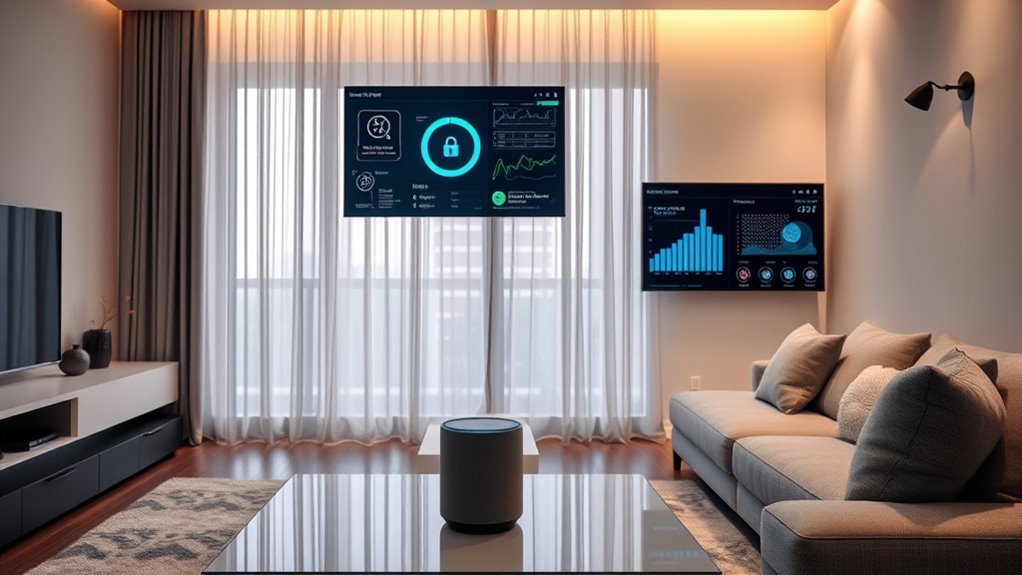
Smart devices in your home constantly gather data to function effectively, from your daily routines to your device preferences. They observe when you turn lights on or off, adjust thermostats, or play music, collecting this information to improve performance. These devices often record voice commands, recognize faces, or track movement, all to enhance user experience. This process allows your smart home to respond quickly and personalize services, but it also raises privacy concerns. Understanding what data is being collected and how it’s used is vital for protecting your privacy. Being aware of data collection practices helps you make informed decisions about your smart home setup. Additionally, knowing how data is stored and secured is crucial for ensuring your information remains protected. Recognizing the extent of data sharing with third parties is also important in safeguarding your personal information. Being aware of privacy policies can further help you understand your rights and options regarding your data. Regularly reviewing device permissions can help prevent unnecessary data collection and enhance your privacy.
Types of Personal Data Gathered by Smart Home Technologies
Smart home technologies collect a variety of personal data to tailor their functions to your needs. You might not realize the extent of information gathered to optimize your experience. This data includes:
- Voice recordings from virtual assistants
- Video footage from security cameras
- Usage patterns of smart appliances
- Location data from connected devices
- Personal habits like sleep and activity schedules
Each piece of data helps improve device performance but also raises privacy concerns. For example, voice recordings reveal your conversations, while video footage captures your daily routines. Usage patterns and habits provide insights into your lifestyle. Recognizing the types of data collected helps you understand the privacy implications and consider appropriate safeguards to protect your personal information. Data collection practices and emerging trends in nanotechnology could also influence future privacy considerations through advanced data collection tools.
Risks of Data Breaches and Unauthorized Access

Because these devices are connected to the internet, they can be vulnerable to cyberattacks that compromise your personal data. Hackers may exploit security flaws to access sensitive information like your routines, preferences, or even security cameras. Unauthorized access can lead to identity theft, stalking, or theft of physical property. If your smart home system isn’t properly secured, intruders might manipulate devices or disable security features. Data breaches can occur through weak passwords, outdated software, or phishing attacks. Once compromised, your private information could be exposed or used maliciously. It’s essential to stay vigilant, regularly update your devices, and use strong, unique passwords to reduce these risks. Understanding dark psychology tactics can help you recognize and defend against manipulation attempts targeting your privacy. Additionally, being aware of smart home vulnerabilities can help you implement more effective security measures to protect your data. Protecting your data helps maintain your privacy and keeps your home secure from cyber threats. Being proactive about these issues can also involve security audits to identify potential weaknesses in your system.
The Role of Encryption and Security Protocols
Encryption and security protocols are essential for protecting your smart home data. End-to-end encryption guarantees your information stays private from device to device, while secure communication protocols prevent eavesdropping. Implementing these measures helps keep your home network safe from unauthorized access. Additionally, understanding thermal behavior of connected devices can aid in optimizing security settings and preventing potential vulnerabilities.
End-to-End Data Encryption
End-to-end data encryption plays a crucial role in safeguarding your smart home’s sensitive information from unauthorized access. It ensures that data transmitted between your devices and servers remains private and intact. When properly implemented, only you and trusted parties can decrypt the information, preventing hackers or eavesdroppers from intercepting it. This layer of security protects your personal data, like voice commands, camera feeds, and automation settings. To maximize protection, make sure your devices support robust encryption standards. Keep firmware updated to address vulnerabilities. Use strong, unique passwords for device access. Regularly review security settings and enable multi-factor authentication where available. Additionally, understanding navigation and mapping processes can help you identify how your devices collect and utilize spatial data, further informing your security practices. Being aware of encryption standards can guide you in choosing devices with the best security features. Staying informed about security protocols can also enhance your ability to recognize and respond to potential threats. For example, familiarizing yourself with common encryption algorithms used in smart devices can help you evaluate their security level. Remember, end-to-end encryption is a key tool in maintaining your smart home’s privacy and security. Incorporating security best practices can further strengthen your overall protection against emerging vulnerabilities.
Secure Communication Protocols
Secure communication protocols are the backbone of maintaining privacy in your smart home. They guarantee that data exchanged between devices remains confidential and tamper-proof. When you use strong protocols like TLS or WPA3, you protect your network from eavesdropping and unauthorized access. Encryption plays a vital role here, transforming your data into unreadable code that only authorized devices can decode. You should also verify that your smart devices support current security standards, avoiding outdated or vulnerable protocols. Regularly updating firmware and changing default passwords further strengthens your defenses. Additionally, understanding vetted – wave and wind helps ensure your connection remains resilient against interference and cyber threats. Proper implementation of application-specific security measures can further enhance your home’s defenses. Implementing robust security protocols is essential for preventing unauthorized access and maintaining data integrity. By prioritizing secure communication protocols, you reduce the risk of data leaks and cyberattacks, keeping your personal information safe and your smart home functioning securely.
Privacy Policies and Terms of Service Agreements
Have you ever wondered what rights and responsibilities you agree to when signing up for a smart home service? Your privacy policies and terms of service outline how your data is collected, used, and protected. It is crucial to read these documents carefully because they specify what the company can do with your information, including data sharing and retention policies. These agreements often contain legal language that can be confusing, so take your time to understand them. Key points to watch for include:
- Data collection practices
- User rights and control over data
- Privacy and security measures
- Data sharing with third parties
- Procedures for account termination
Being informed helps you make better decisions and protect your privacy in your smart home environment. Additionally, understanding privacy policies can help you recognize how your data is managed and what measures are in place to safeguard it. Remember that some policies may also include data breach procedures, so it’s beneficial to know how your provider plans to respond if your data is compromised. Familiarizing yourself with privacy policies and terms of service can empower you to better advocate for your privacy rights.
Managing Data Sharing With Third Parties
Managing data sharing with third parties is a critical aspect of safeguarding your privacy in a smart home. You should carefully review which companies have access to your data and understand their purposes. Always read privacy policies to see how your information is used, shared, or sold. Limit data sharing whenever possible by choosing device settings that restrict third-party access. Consider asking providers about their data practices and opt-out options. Use secure connections and strong passwords to prevent unauthorized access to your data during sharing processes. Regularly check your account permissions and revoke access for any third parties you no longer trust. Staying vigilant helps ensure your personal information remains protected and reduces the risk of misuse.
User Control and Customization of Privacy Settings
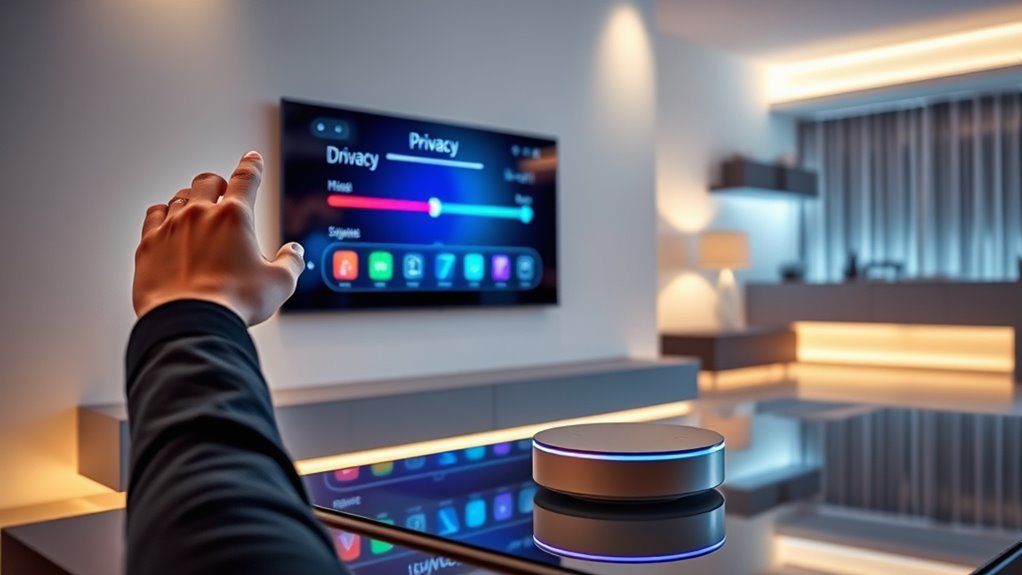
You should be able to adjust your privacy preferences easily to fit your comfort level. Custom access permissions let you control who can see or use your data. By customizing these settings, you maintain control over your personal information in your smart home.
Adjustable Privacy Preferences
To truly empower you in smart homes, adjustable privacy preferences are essential, allowing you to tailor your privacy settings according to your comfort levels. These preferences give you control over what data is collected, shared, or hidden. With customizable options, you can decide which devices or sensors have access to your personal information. This flexibility helps you maintain your privacy without sacrificing convenience. You can set different profiles for work, family, or guests, ensuring appropriate levels of data sharing. Additionally, adjustable preferences enable you to quickly modify settings as your comfort or circumstances change.
- Control data collection for specific devices
- Set different privacy modes for various situations
- Enable or disable voice recognition features
- Limit data sharing with third parties
- Adjust privacy settings on the fly
Custom Access Permissions
Custom access permissions put you in the driver’s seat by allowing you to specify who can interact with your smart home devices and access your data. With these permissions, you can create tailored user profiles, granting different levels of access based on trust and necessity. For example, you might allow family members to control lights and thermostats but restrict guest access to security cameras. Many smart home platforms let you set specific permissions for each user, giving you control over sensitive information. This way, you can prevent unauthorized access and maintain your privacy. Regularly reviewing and updating these permissions ensures only trusted individuals have access, helping you stay in control of your smart home environment.
The Impact of Voice Assistants and Always-On Devices
Voice assistants and always-on devices have transformed the way we interact with our homes, offering convenience and automation at the tap of a button or a simple voice command. However, their constant listening capabilities raise privacy concerns. Your conversations could be inadvertently recorded or accessed by third parties, even when you don’t intend it. Data collected is often stored in the cloud, making it vulnerable to hacking or misuse. Additionally, these devices may share information with third-party services, risking your privacy. You should be aware of how your data is being used and take steps to control it.
- Devices may record ambient conversations unintentionally
- Data is stored remotely on cloud servers
- Third-party sharing can compromise privacy
- Voice recordings are often retained indefinitely
- Privacy settings vary across brands and models
Best Practices for Securing Your Smart Home Network
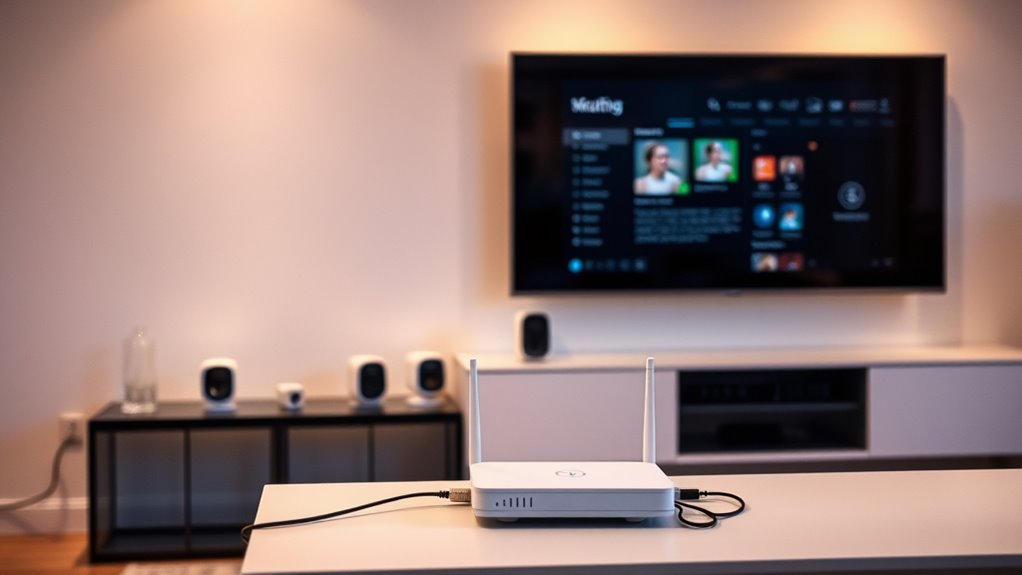
Securing your smart home network is essential to protect your privacy and prevent unauthorized access. Start by changing the default passwords on your devices and router to strong, unique ones. Keep your firmware and software up to date, as updates often include security patches. Use a strong encryption method, like WPA3, for your Wi-Fi network. Consider setting up a separate network for your smart devices, isolating them from your primary devices and computers. Disable remote management features unless absolutely necessary, and turn off unused services on your devices. Regularly review connected devices and remove any unknown or suspicious ones. By implementing these best practices, you markedly reduce the risk of cyber threats and maintain better control over your smart home’s security.
Staying Informed About Privacy Rights and Regulations
Staying informed about your privacy rights and relevant regulations is essential as smart home technology continues to evolve. Knowing your legal protections helps you make smarter choices and pushes companies to prioritize your privacy. Keep up with updates on data collection, storage, and sharing policies. Understand your rights under laws like the GDPR or CCPA, which may apply to your location. Regularly review privacy policies of smart devices before purchase or updates. Join online forums or subscribe to newsletters focused on digital privacy to stay current. Engage with advocacy groups or government resources for the latest regulations and best practices. Staying proactive ensures you retain control over your personal information and creates a safer, more transparent smart home environment.
- Monitor privacy legislation updates regularly
- Read device privacy policies thoroughly
- Participate in digital privacy communities
- Advocate for stronger privacy protections
- Use reputable sources for privacy news
Frequently Asked Questions
How Can I Detect if My Smart Devices Are Secretly Spying on Me?
You can start by checking your device permissions and reviewing app access regularly. Look for unusual activity or data usage on your network, which might indicate spying. Update your firmware and software often to patch vulnerabilities. Disable features you don’t need, like always-on microphones or cameras. Use strong, unique passwords and enable two-factor authentication. If you suspect a device is spying, disconnect it and consult a cybersecurity expert for further investigation.
What Legal Rights Do I Have Over My Smart Home Data?
You have the right to access and control your smart home data under laws like the GDPR and CCPA. Surprisingly, 65% of users aren’t fully aware of their data rights. You can request data copies, ask for data deletion, and limit how your information is used. Keep in mind, companies must honor these rights, so stay informed and exercise them when necessary to protect your privacy.
Are There Privacy-Focused Smart Home Device Alternatives Available?
Yes, there are privacy-focused smart home device alternatives available. You can choose products from companies that prioritize data security and transparency, often open-source or with strong privacy policies. Look for devices that offer local control, minimal data collection, and clear privacy settings. Doing thorough research and reading reviews helps you find options that align with your privacy concerns, giving you more control over your data and peace of mind in your smart home.
How Does Data Retention Duration Affect My Privacy?
If your smart home device retains data for a long time, your privacy is at risk. Imagine a hacker accessing your stored footage or conversations from months ago, using it against you or selling it. Longer data retention means more sensitive info is vulnerable to breaches or misuse. To protect yourself, choose devices that limit data storage durations and regularly delete unnecessary data, reducing potential privacy threats.
Can I Completely Disable Data Collection on My Smart Devices?
You can often disable data collection on your smart devices, but it depends on the device and manufacturer. Check the privacy settings or app options; many allow you to turn off data sharing or collection. Keep in mind, disabling data collection might limit functionality or features. Always review the privacy policies and settings carefully to guarantee your preferences are applied. If options aren’t clear, contact support for detailed guidance.
Conclusion
As you navigate your smart home, remember that over 60% of devices collect personal data, making security vital. Stay informed about privacy settings, use strong passwords, and keep devices updated. By understanding how your data is used and implementing best practices, you can enjoy the convenience of smart technology without compromising your privacy. Protecting your personal information isn’t just smart — it’s indispensable in today’s connected world.