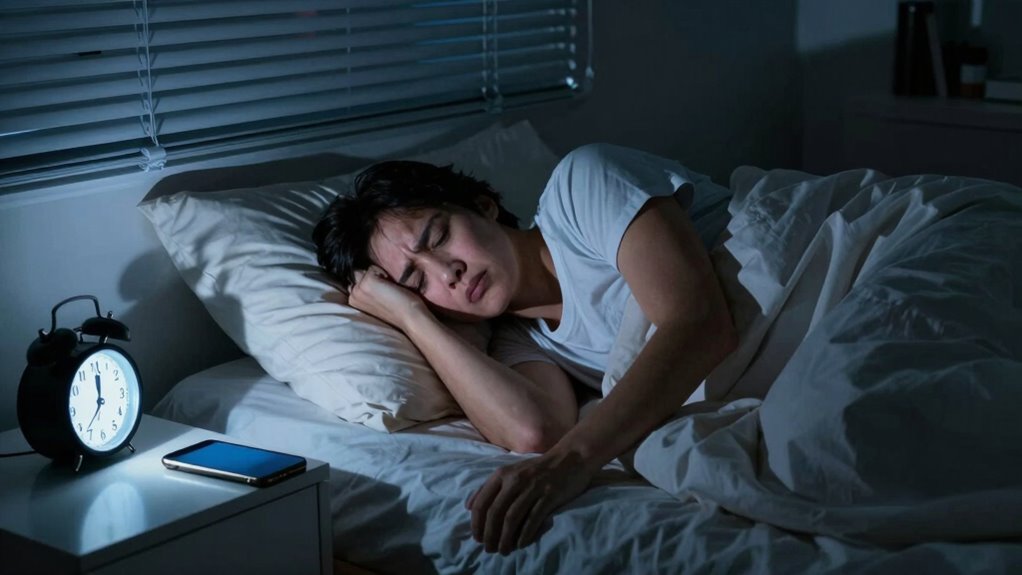

If you notice persistent sleep problems like difficulty falling or staying asleep, or wake up feeling exhausted, it’s time to seek help. Watch out for sudden changes in your sleep patterns, frequent nighttime awakenings, or signs of sleep disorders such as loud snoring or choking during sleep. If lifestyle changes don’t improve your sleep, or if you experience symptoms like anxiety or mood swings, consulting a professional is essential. Keep going to discover more about when to get help.
Key Takeaways
- Persistent sleep disruptions despite lifestyle changes indicate the need for professional evaluation.
- Frequent nighttime awakenings and difficulty staying asleep warrant medical attention.
- Symptoms like loud snoring, choking, or gasping suggest sleep apnea requiring prompt assessment.
- Exhaustion in the morning and cognitive issues may signal underlying sleep disorders needing diagnosis.
- Sleep problems lasting over a month or worsening over time should prompt consultation with a healthcare professional.
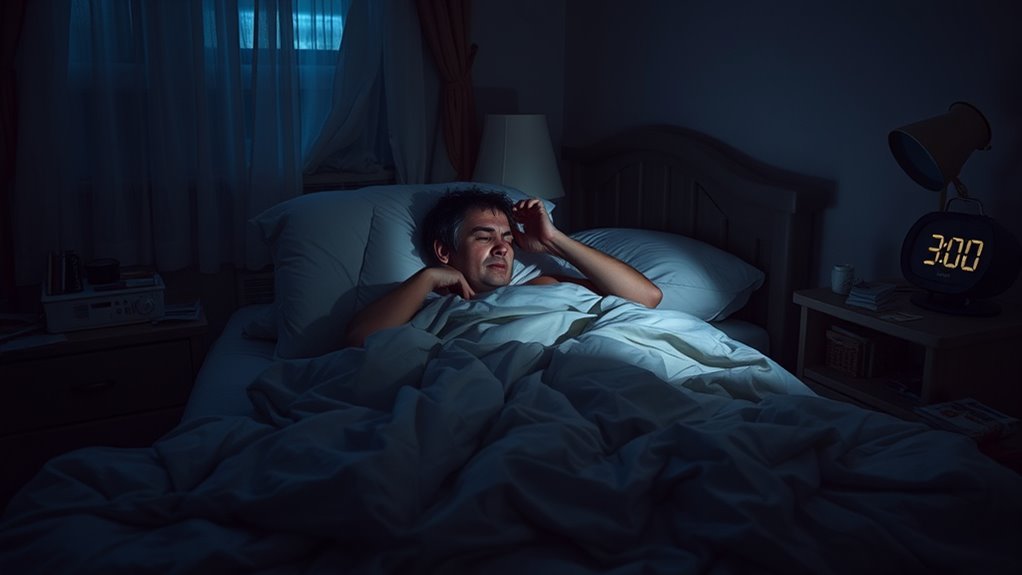
If you’re constantly struggling to fall asleep or stay asleep, it’s a sign that you might need professional help. Your sleep pattern is essential for overall health, and disturbances can indicate underlying issues. If you notice your sleep is irregular or disrupted regularly, it’s time to pay attention. Persistent nighttime awakenings, especially those that happen multiple times during the night, can fragment your sleep cycle and prevent you from reaching restorative stages. These interruptions can leave you feeling exhausted in the morning, affecting your daily functioning and mood.
You might also find yourself waking up in the middle of the night and having difficulty falling back asleep. This pattern of nighttime awakenings can be caused by stress, anxiety, or medical conditions like sleep apnea or restless leg syndrome. If this happens frequently, it’s a clear red flag that your sleep quality is compromised, and professional intervention might be necessary. Ignoring these signs can lead to long-term health problems, including weakened immunity, weight gain, and increased risk of cardiovascular disease.
Frequent nighttime awakenings signal compromised sleep and may require professional evaluation.
Another indicator that it’s time to see a professional is if your sleep issues persist despite making lifestyle adjustments. For example, reducing caffeine intake, establishing a regular bedtime routine, or limiting screen time before sleep are good first steps. However, if these efforts don’t improve your sleep pattern or reduce nighttime awakenings, then a deeper investigation is warranted. Sometimes, sleep disturbances are symptoms of underlying conditions that require medical diagnosis and treatment. Additionally, poor sleep can impact cognitive function and overall quality of life, making professional consultation even more important.
You should also consider seeking help if your sleep problems are impacting your mental health. Chronic sleep deprivation can lead to increased anxiety, depression, and cognitive difficulties. If you notice mood swings, difficulty concentrating, or feelings of hopelessness correlating with poor sleep, don’t hesitate to consult a healthcare professional. They can help identify underlying causes and recommend appropriate therapies or interventions.
Lastly, if you’re experiencing symptoms like loud snoring, choking, or gasping during sleep, these may be signs of sleep apnea — a condition that often goes unnoticed but can be dangerous if untreated. A professional sleep evaluation can determine whether you need specialized treatment, such as a CPAP machine or other therapies. Recognizing these sleep disorder symptoms early can significantly improve your health outcomes.

Difiney Advanced Anti Snoring Device 4.0: FDA-Cleared Snoring Solution – Adjustable Snore Stopper Mouth Guard for Men & Women – Anti Snoring Mouthpiece to Improve Sleep – Reusable Night Use
FDA-Cleared Snoring Solution – Backed by FDA 510(k) clearance, Difiney 4.0 offers peace of mind with proven safety…
As an affiliate, we earn on qualifying purchases.
As an affiliate, we earn on qualifying purchases.
Frequently Asked Questions
How Can I Differentiate Between Normal Sleep Issues and Serious Problems?
You can tell if sleep issues are serious by paying attention to patterns like frequent nightmares or trouble staying asleep, which may require professional help. Dream analysis might reveal underlying stress or anxiety, while poor sleep hygiene—like irregular schedules or screen time before bed—can worsen problems. If these issues persist despite good habits, or if you experience daytime fatigue, it’s time to consult a professional for tailored solutions.
Are Sleep Disturbances a Sign of Underlying Health Conditions?
Think of sleep disturbances as a warning light on your dashboard—if they persist, they often signal underlying health issues. You might turn to sleep medication or improve your sleep hygiene, but ignoring ongoing problems can hide serious conditions like sleep apnea or depression. If your sleep issues continue despite these efforts, it’s time to see a professional. Addressing them early can prevent bigger health risks down the road.
What Initial Steps Can I Take Before Consulting a Professional?
You can start by keeping a sleep diary to track your sleep patterns, habits, and any disturbances. Also, establish a consistent bedtime routine to signal your body it’s time to wind down. Avoid caffeine and screens before bed, and create a comfortable sleep environment. These steps help identify potential issues and provide useful information to share with a healthcare professional when you’re ready to seek advice.
How Long Should Sleep Troubles Persist Before Seeking Help?
If sleep troubles last longer than a few weeks despite maintaining consistent sleep duration and bedtime routines, it’s time to seek help. Persistent issues like difficulty falling asleep, staying asleep, or feeling unrefreshed suggest you shouldn’t wait. Trust your body’s signals—ongoing sleep problems can impact your health. Consulting a professional ensures you get tailored advice and effective treatment, preventing further disruptions and promoting better sleep quality.
Can Lifestyle Changes Eliminate the Need for Professional Intervention?
Lifestyle adjustments and good sleep hygiene can profoundly improve your sleep, but they might not eliminate all issues. If you’ve tried consistent sleep routines, limiting screen time, and managing stress without results, it’s time to seek professional help. Persistent sleep problems could indicate underlying health issues that require targeted treatment. Don’t rely solely on lifestyle changes if sleep troubles continue—consult a specialist to ensure you get proper diagnosis and support.
Difiney Advanced Anti Snoring Device 4.0: FDA-Cleared Snoring Solution – Adjustable Snore Stopper Mouth Guard for Men & Women – Anti Snoring Mouthpiece to Improve Sleep – Reusable Night Use
FDA-Cleared Snoring Solution – Backed by FDA 510(k) clearance, Difiney 4.0 offers peace of mind with proven safety…
As an affiliate, we earn on qualifying purchases.
As an affiliate, we earn on qualifying purchases.
Conclusion
Ignoring sleep issues might seem harmless, just a temporary inconvenience. But beneath that simplicity, unresolved problems can hide serious health risks. Sometimes, the difference between a night of restless tossing and a diagnosis that transforms your life is just a conversation with a professional. Don’t wait for chaos to become unavoidable—recognize the red flags early. Because in sleep, as in life, addressing problems promptly can turn exhaustion into renewal, and confusion into clarity.

Garmin Index Sleep Monitor, Smart Sleep Band with Advanced Sleep Tracking and Recovery Metrics, S-M
Worn on the upper arm, this lightweight and breathable smart sleep band is available in two sizes for…
As an affiliate, we earn on qualifying purchases.
As an affiliate, we earn on qualifying purchases.
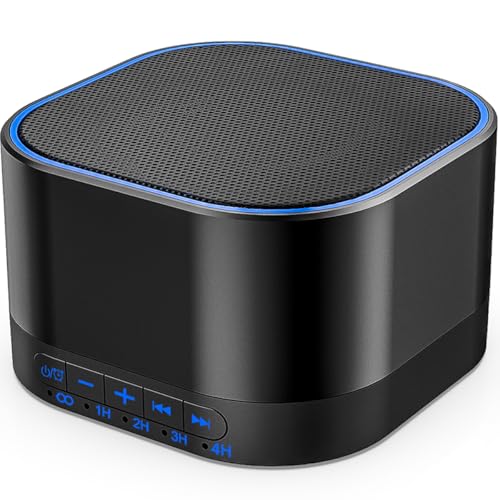
Magicteam White Noise Machine with 20 Non Looping Natural Soothing Sounds Memory Function 32 Levels of Volume Powered by AC or USB and Sleep Sound Timer Therapy for Baby Kids Adults Black
❤20 Non-Looping Sleep Sounds: White noise ,Brown noise, pink noise, blue noise, fan,brook, rain, ocean,bird and Bonfire,suitable for…
As an affiliate, we earn on qualifying purchases.
As an affiliate, we earn on qualifying purchases.