
To avoid wrecking your night’s sleep, keep your naps between 10 to 20 minutes in the early afternoon. This length boosts your energy and focus without causing sleep inertia or interfering with your regular sleep cycle. Avoid napping late in the day, as it can disrupt your rest at night. Planning your naps carefully guarantees they recharge you without negative effects, and if you want to learn more, there’s still plenty to explore.
Key Takeaways
- Keep naps between 10-20 minutes to boost energy without deep sleep, minimizing grogginess.
- Schedule naps early in the afternoon, ideally before 3 PM, to avoid disrupting nighttime sleep.
- Avoid lengthy naps over 90 minutes, as they increase chances of waking from deep sleep and causing sleep inertia.
- Create a dark, quiet, and cool environment to enhance nap quality and prevent disturbances.
- Align nap timing with natural energy dips to optimize alertness and support better nighttime sleep.

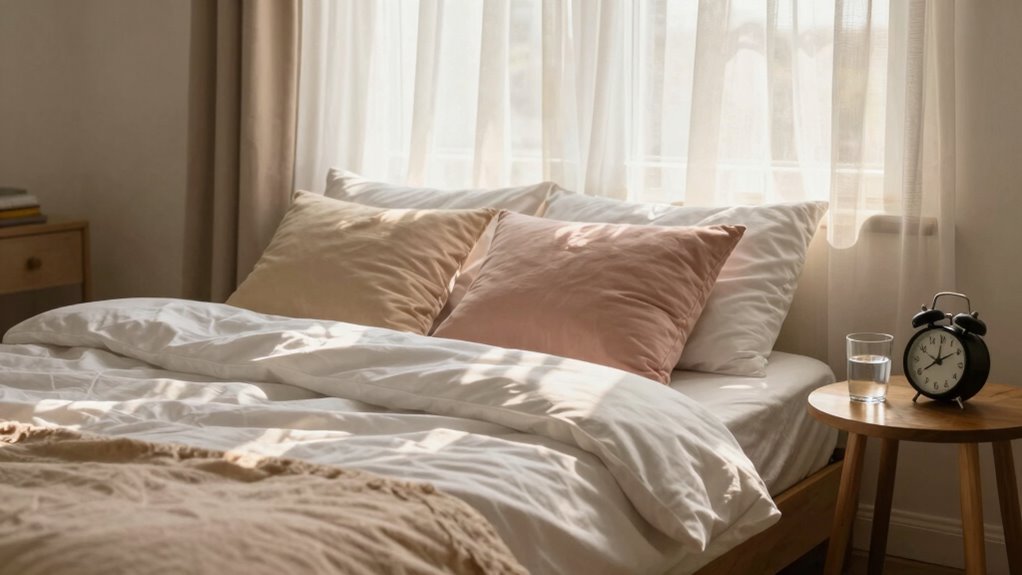
Have you ever wondered how a short nap can boost your energy and focus? It’s a simple trick that can make a big difference in your day, but there’s a fine line between feeling refreshed and feeling groggy. That grogginess, known as sleep inertia, can leave you feeling worse than before if you don’t nap correctly. Sleep inertia happens when you wake up from a deep sleep stage, leaving you sluggish and disoriented. To avoid this, you need to pay attention to your nap environment and how long you sleep during your break. Creating the perfect nap environment is essential. Find a quiet, dark place where you won’t be disturbed. Dim lighting signals to your brain that it’s time to rest, and a comfortable surface helps you relax faster. Keep your room cool; a slightly cooler temperature promotes better sleep. If noise is unavoidable, consider using earplugs or white noise machines. The goal is to minimize distractions so your body can slip into a light sleep stage quickly, allowing you to wake up feeling alert instead of groggy. Planning your nap around your natural sleep cycle can help optimize its restorative effects. Timing your nap is just as important as setting the environment. Short naps, around 10 to 20 minutes, are ideal if you want a quick energy boost without entering deep sleep. These brief naps keep you in lighter sleep stages, which means waking up is easier and less likely to cause sleep inertia. If you have a little more time, a 90-minute nap can be beneficial because it allows your body to complete a full sleep cycle, including REM sleep. This can help improve memory, creativity, and overall alertness. But beware: longer naps can sometimes lead to waking up from deep sleep, making you feel more tired initially. The key is to plan your nap so it doesn’t interfere with your nighttime sleep. Avoid napping late in the afternoon or evening, as this can disrupt your usual sleep schedule. Instead, aim for early afternoon, when your energy naturally dips. This way, you can enjoy the benefits of a restorative nap without wrecking your night’s sleep.
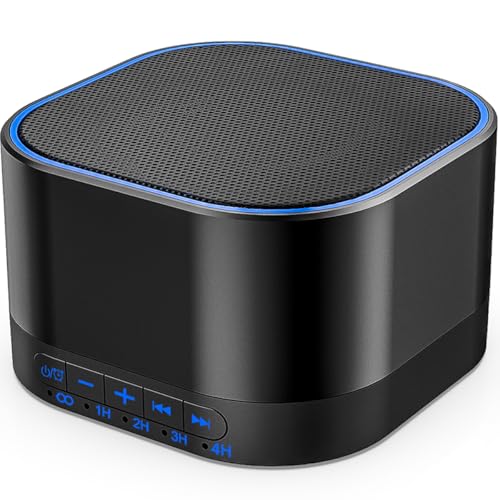
Magicteam Sound White Noise Machine with 20 Non Looping Natural Soothing Sounds and Memory Function 32 Levels of Volume Powered by AC or USB and Sleep Sound Timer Therapy for Baby Kids Adults
❤20 Non-Looping Sleep Sounds: White noise ,Brown noise, pink noise, blue noise, fan,brook, rain, ocean,bird and Bonfire,suitable for…
As an affiliate, we earn on qualifying purchases.
As an affiliate, we earn on qualifying purchases.
Frequently Asked Questions
How Do Naps Affect Overall Sleep Quality?
Naps can improve your overall sleep quality if timed correctly, but they might disrupt your sleep cycles if too long or late in the day. Short naps, around 20 minutes, help avoid deep sleep, making you feel refreshed. Be mindful of caffeine interaction; consuming caffeine before naps can delay sleep onset or reduce nap benefits. Properly managed, naps boost alertness without harming your night’s rest.
Can Napping Help With Chronic Insomnia?
Like a knight battling dragons, you can use napping to fight chronic insomnia. Short naps, around 20 minutes, improve your sleep hygiene without disrupting your night’s rest. Proper nap duration helps reset your sleep cycle and reduces daytime fatigue. However, long or late naps might make insomnia worse. By practicing mindful napping, you give yourself a powerful tool to regain control over your sleep and conquer those restless nights.
Are There Differences in Nap Needs for Age Groups?
Yes, your nap needs vary by age, influenced by age-specific routines and developmental stages. For example, infants often nap several times a day, toddlers need about 1-3 naps, while school-aged children usually shift to just one nap or none. Adults typically require less daytime sleep, and older adults may experience changes in sleep patterns. Adjust your naps according to your age to support ideal rest and overall well-being.
What Are the Best Environments for Effective Napping?
Did you know that a dark, quiet sleep environment can boost nap effectiveness by up to 50%? For ideal napping, choose a calm nap setting with minimal noise and light. Use a comfortable chair or bed, and consider eye masks or white noise machines. A consistent sleep environment helps your body relax quickly, making your naps more restorative and helping you feel refreshed afterward.
How Do Naps Impact Athletic Performance and Recovery?
Napping boosts athletic performance and recovery by providing quick energy boosts through power naps, which can enhance focus, strength, and endurance. Short naps help your body repair muscles and reduce fatigue, leading to better athletic gains. Incorporate 20-minute power naps into your routine to optimize recovery and performance without disrupting nighttime sleep. Properly timed naps support your training goals and keep you energized for peak performance.

YFONG Weighted Sleep Mask, Women Men 3D Blocking Lights Sleeping Mask (4.2oz/120g), Pressure Relief Night Sleep Eye Mask with Adjustable Strap, Eye Cover Blindfold for Travel Nap Yoga, Black
[ Perfect Weight for Sleep Faster & Deeper ] Slightly weighted (with 4.2 oz beads, right amount for…
As an affiliate, we earn on qualifying purchases.
As an affiliate, we earn on qualifying purchases.
Conclusion
Now that you know how to master the art of napping, don’t let it throw your nighttime sleep off course. Keep your naps short and well-timed, and you’ll find it easier to stay energized without sacrificing your sleep quality. Remember, it’s all about finding that sweet spot—strike the right balance, and you won’t be caught between a rock and a hard place. With a little planning, you’ll nap like a pro and enjoy better overall rest.

PlayHot Portable Handheld Turbo Fan with Ice Cooling, Rechargeable Personal Fan, Up tp 12Hrs Cooling, 5 Speed 25550RPM Powerful Portable Fan for Travel, Outdoor, Camping, Hiking (Black)
One Touch Cooling to 60°F – The PlayHot hand hald fan can lower the surface temperature to 60°F…
As an affiliate, we earn on qualifying purchases.
As an affiliate, we earn on qualifying purchases.

Mack's Ultra Soft Foam Earplugs, 50 Pair – 33dB Highest NRR, Comfortable Ear Plugs for Sleeping, Snoring, Travel, Concerts, Studying, Loud Noise, Work | Made in USA
ULTRA COMFORTABLE – Made with super low-pressure, slow release, Comfy Cush Comfort Foam. Their user preferred color is…
As an affiliate, we earn on qualifying purchases.
As an affiliate, we earn on qualifying purchases.