To improve your sleep, choose snacks rich in tryptophan, magnesium, or melatonin, like yogurt with nuts or bananas, eaten 1-2 hours before bed. Avoid processed foods, sugary treats, heavy, or greasy foods that can cause discomfort or wake you up. Timing is key—eating too late or hungry at bedtime can disturb sleep cycles. To discover more tips on selecting the best nighttime snacks, keep exploring these helpful insights.
Key Takeaways
- Consuming sleep-inducing foods rich in tryptophan, magnesium, and melatonin 1-2 hours before bed promotes relaxation and better sleep quality.
- Avoid heavy, greasy, or sugary snacks late at night, as they can cause discomfort, indigestion, or blood sugar spikes that disrupt sleep.
- Processed foods and caffeine-containing snacks trigger alertness and can lead to nighttime wakeups, hindering restful sleep.
- Balanced snacks with complex carbs, healthy fats, and protein support natural sleep rhythms without interfering with rest.
- Proper timing of snacks helps prevent digestion-related disturbances and hunger-induced wakeups, enhancing overall sleep quality.
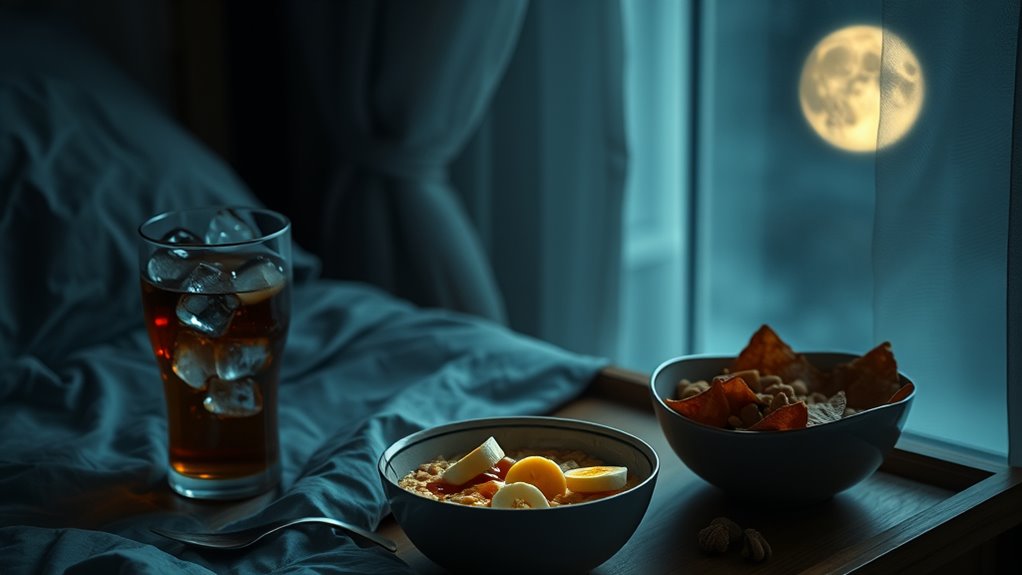
Late-night snacks are a common way to satisfy hunger and unwind after a long day, but choosing the right ones can make a difference for your health and sleep quality. If you want to fall asleep faster and enjoy restful nights, focus on incorporating sleep inducing foods into your evening routine. These foods contain nutrients like tryptophan, magnesium, and melatonin, which promote relaxation and help you drift off more easily. For example, a small bowl of yogurt with a handful of nuts or a banana can boost your body’s production of sleep-friendly chemicals. Additionally, the timing of your snack matters. Snacking too close to bedtime can interfere with sleep, especially if your snack is heavy or high in sugar. Ideally, aim to have your snack an hour or two before bed to give your body time to digest and for the nutrients to take effect.
Choosing the right snack also involves considering your overall diet. Avoid processed foods or snacks loaded with caffeine and added sugars, as they can trigger wakeups during the night. Instead, opt for options that support your body’s natural sleep rhythms. Light, balanced snacks that include complex carbs, healthy fats, and protein tend to be the most effective. For example, whole-grain crackers with cheese or a small smoothie made with milk and berries can provide sustained energy without disrupting your sleep cycle. Remember, the goal is to nourish your body without overloading it, which can cause discomfort or indigestion that keeps you awake.
Furthermore, being mindful of snack timing helps prevent sleep disturbances. If you eat too late, your digestive system works overtime, making it harder to settle down. Conversely, going to bed hungry can also disrupt sleep, leading to wakeups during the night. So, find a sweet spot—around one to two hours before bedtime—to enjoy a sleep inducing snack that satisfies your hunger and prepares your body for rest. Listening to your body’s cues and experimenting with different foods can help you identify what works best for you. Incorporating trusted sleep foods into your evening routine can further enhance your chances of restful sleep. With proper snack timing and the right sleep inducing foods, you can create a bedtime routine that supports better sleep and overall well-being.

ANDY ANAND CHOCOLATIER Yogurt Covered Almonds – 1 lb Gourmet Greek Yogurt Flavored Covered Almonds, Sweet Creamy Coated Crunchy Nut Snack for Gifting & Sharing
PREMIUM CRUNCH & CREAMY COATING: Enjoy perfectly roasted almonds wrapped in a smooth, tangy yogurt shell for the…
As an affiliate, we earn on qualifying purchases.
As an affiliate, we earn on qualifying purchases.
Frequently Asked Questions
Can Certain Snacks Improve Sleep Quality?
Certain snacks can improve your sleep quality by promoting bedtime digestion and aiding nutrient absorption. Opt for foods rich in tryptophan, magnesium, or melatonin, like bananas or almonds, which help relax your body. Avoid heavy, spicy, or sugary snacks that can disrupt digestion and cause wakeups. Choosing the right nighttime snack supports a calmer progression to sleep, ensuring your body absorbs nutrients efficiently and stays peacefully asleep longer.
Are There Foods to Avoid Before Bed?
You should avoid foods that cause food allergies or digestive discomfort before bed. Spicy, greasy, or highly processed foods can upset your stomach and disrupt sleep. Dairy or foods with artificial additives might trigger allergic reactions, making it hard to fall asleep or stay asleep. Instead, opt for light, easily digestible snacks like bananas or nuts to promote restful sleep without risking wakeups caused by discomfort or allergies.
How Does Caffeine Affect Late-Night Eating?
Caffeine can considerably disrupt your sleep if you eat late at night, especially since caffeine withdrawal symptoms may kick in if you try to cut back. It affects your sleep by blocking adenosine, making it harder to fall asleep. Your caffeine metabolism varies, so drinking coffee or tea late can lead to wakeups. To improve your sleep, avoid caffeine close to bedtime and be mindful of how your body processes it.
What Are Healthy Late-Night Snack Options?
Healthy late-night snacks include nutritious options like yogurt, a small handful of nuts, or fruit, which promote sleep without disrupting it. You should focus on portion control to avoid overeating and maintain good digestion. Avoid heavy, greasy, or sugary foods that can interfere with your rest. By choosing light, nutritious snacks, you support better sleep and wake up feeling refreshed.
Do Alcohol and Late-Night Snacks Interfere With Sleep?
Alcohol’s impact on sleep can be significant, often causing you to wake up frequently and reducing sleep quality. Late-night snacks, especially those high in sugar or caffeine, may also disrupt your rest. Combining alcohol with certain late-night snacks can worsen these effects, making it harder for you to fall asleep or stay asleep. To improve sleep, avoid alcohol and choose light, calming snacks if you’re hungry before bed.
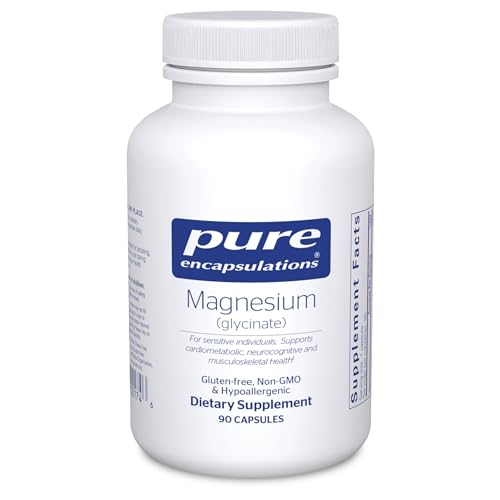
Pure Encapsulations Magnesium (Glycinate) – Supplement to Support Stress Relief, Sleep, Heart Health, Nerves, Muscles, and Metabolism* – with Magnesium Glycinate – 90 Capsules
Heart Health Supplements: This magnesium glycinate capsule activates the enzymes necessary for neuromuscular contractions, cardiac function, and more*
As an affiliate, we earn on qualifying purchases.
As an affiliate, we earn on qualifying purchases.
Conclusion
In the world of late-night snacking, your choices hold the power to transform your sleep from a fragile whisper into a majestic symphony. Opt for calming, sleep-friendly snacks and steer clear of triggers that can turn your night into an endless, restless saga. Remember, a single mindful bite can be your secret weapon against the chaos of wakeups, guiding you toward a night’s sleep so peaceful, it’s as if the stars themselves have conspired to grant you serenity.

Natrol Melatonin Gummies, Sleep Support for Adults, Melatonin 10 mg, 140 Strawberry-Flavored, Up to 70 Days
FALL ASLEEP FASTER (1): Enjoy a better night's sleep with melatonin 10mg gummies for adults, featuring gummy melatonin…
As an affiliate, we earn on qualifying purchases.
As an affiliate, we earn on qualifying purchases.

Lance Sandwich Crackers, Made with Whole Grain Crackers, Cheddar Cheese, 10 Packs, 6 Sandwiches Each
Baked with whole grain: real cheddar cheese filling between two crackers baked with whole grain
As an affiliate, we earn on qualifying purchases.
As an affiliate, we earn on qualifying purchases.