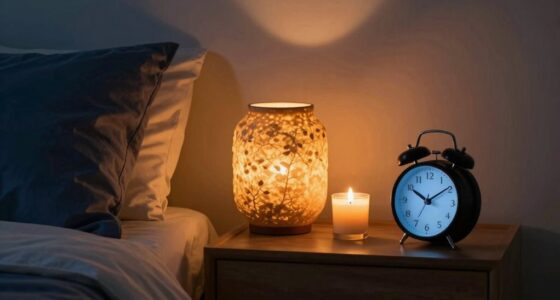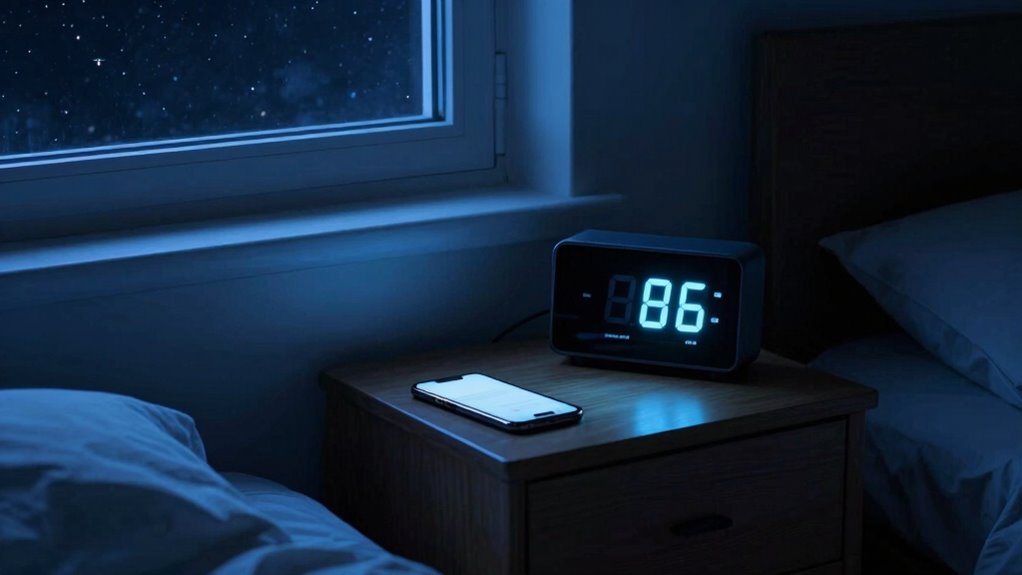

While blue light can hinder melatonin production and delay sleep, many other factors also keep you awake. Stress and anxiety ramp up cortisol levels, making it harder to relax, while your diet and caffeine intake influence sleep quality and timing. Your sleep environment, including noise, temperature, and light pollution, plays a big role too. Understanding how circadian rhythms, lifestyle habits, and overall health impact sleep helps you get a better rest—if you keep exploring, you’ll find even more ways to improve your sleep.
Key Takeaways
- Light pollution from outdoor and indoor sources can disrupt melatonin production beyond just blue light exposure.
- Stress and anxiety increase cortisol levels, which interfere with sleep and melatonin regulation.
- Irregular sleep schedules confuse the circadian clock, impairing melatonin release and sleep quality.
- Caffeine and heavy meals before bed delay sleep onset and reduce overall sleep quality.
- Environmental factors like room temperature, noise, and external light significantly influence sleep beyond blue light effects.
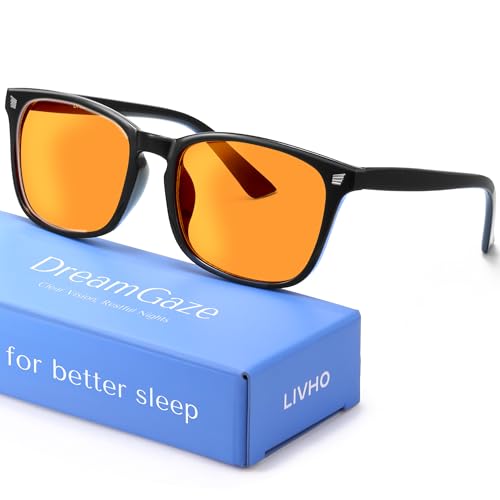
livho Gaming Blue Light Blocking Glasses for Better Sleep, Premium Night Driving, Computer Blockers for Man & Woman
REDUCE EYE STRAIN: These glasses for computer eye strain limit your blue-light exposure and alleviate eye strain, headaches,…
As an affiliate, we earn on qualifying purchases.
As an affiliate, we earn on qualifying purchases.
The Role of Circadian Rhythms in Sleep-Wake Cycles

Circadian rhythms are the body’s internal clock that regulates your sleep-wake cycle over a roughly 24-hour period. These rhythms tell your body when to feel alert and when to prepare for rest. Light exposure, especially natural sunlight, helps synchronize these rhythms with the outside world. When your circadian clock is aligned, you fall asleep easily and wake up feeling refreshed. Conversely, disruptions—like irregular sleep schedules or exposure to artificial light at night—can throw this clock off. Your circadian rhythms influence hormone production, body temperature, and other essential functions that determine your sleep quality. Maintaining a consistent light-dark cycle is crucial for supporting your circadian health and overall sleep quality. Recognizing circadian misalignment can help you identify and correct factors that disturb your sleep patterns. Additionally, understanding the circadian timing system can empower you to make lifestyle choices that promote better sleep and overall well-being, especially by reducing exposure to disruptive blue light in the evening.
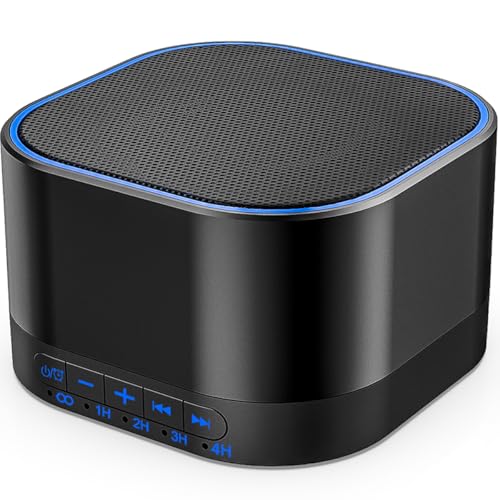
Magicteam Sound White Noise Machine with 20 Non Looping Natural Soothing Sounds and Memory Function 32 Levels of Volume Powered by AC or USB and Sleep Sound Timer Therapy for Baby Kids Adults
❤20 Non-Looping Sleep Sounds: White noise ,Brown noise, pink noise, blue noise, fan,brook, rain, ocean,bird and Bonfire,suitable for…
As an affiliate, we earn on qualifying purchases.
As an affiliate, we earn on qualifying purchases.
How Stress and Anxiety Disrupt Rest
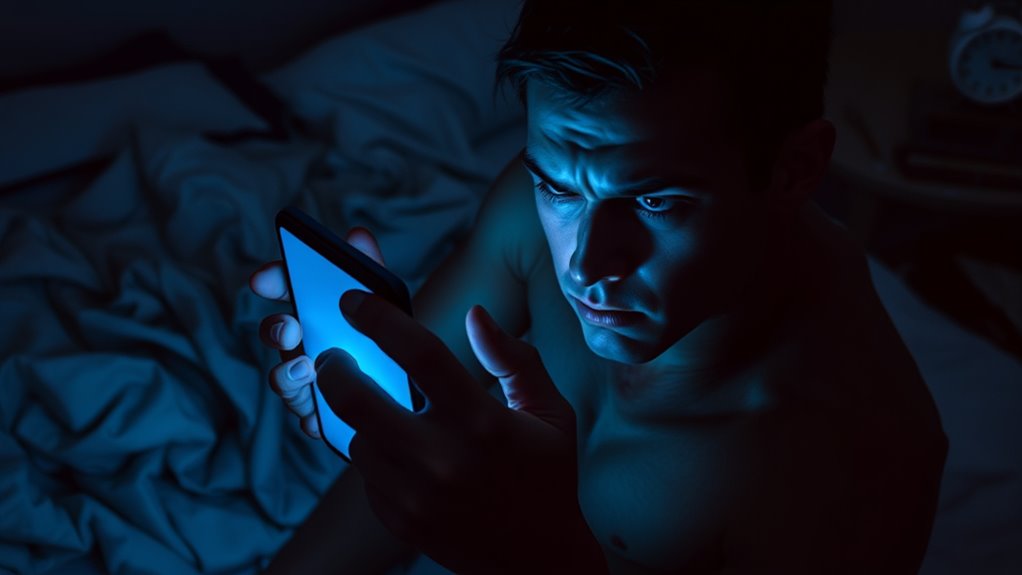
Stress and anxiety can considerably interfere with your ability to fall asleep and stay asleep, often creating a cycle that worsens over time. When you’re anxious or stressed, your body releases hormones like cortisol, which heighten alertness and make relaxation difficult. This state activates your sympathetic nervous system, keeping you from entering deep sleep stages. Over time, lack of rest worsens stress levels, perpetuating the problem. To illustrate, consider the following:
| Stress/Anxiety Effects | Sleep Disruption Consequences |
|---|---|
| Increased cortisol | Difficulty falling asleep |
| Heightened alertness | Reduced REM sleep |
| Worry thoughts | Frequent awakenings |
Understanding Feature Buddies can also offer insights into various stress management tools and techniques. Incorporating breathing exercises or mindfulness practices into your nightly routine can further ease stress and promote restful sleep. Additionally, exploring stress-reduction methods can be beneficial in creating a more peaceful sleep environment. For example, practicing progressive muscle relaxation has been shown to reduce physical tension and improve sleep quality. Engaging in regular physical activity during the day can also help decrease stress hormones, supporting better sleep at night.

MZOO Luxury Sleep Eye Mask for Side Sleeper Men Women, Zero Eye Pressure 3D Sleeping Mask, Light Blocking Patented Design Night Blindfold, Soft Eye Shade Cover for Travel, Black
Zero Eye Pressure: The Deepest 13mm arc-shaped widened eye cups provide makeup-safe space and allow natural blinking
As an affiliate, we earn on qualifying purchases.
As an affiliate, we earn on qualifying purchases.
The Impact of Diet and Caffeine on Sleep Quality
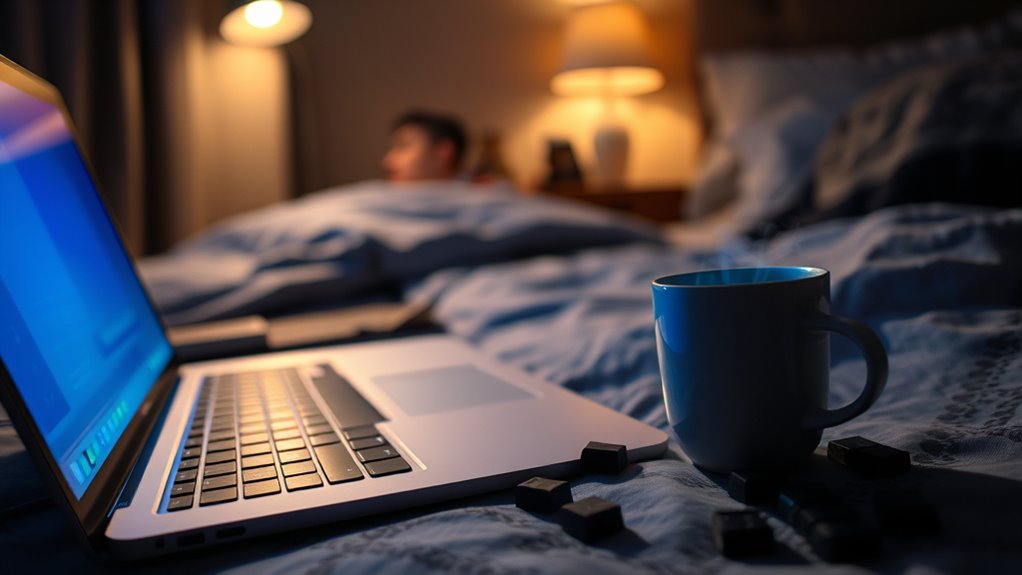
What you eat and drink can considerably affect your sleep quality. Consuming caffeine late in the day can make it harder to fall asleep, while certain foods may promote rest or interfere with it. Paying attention to your dietary choices and caffeine intake can help you enjoy more restorative sleep. Incorporating healthy dining options such as balanced meals with whole foods can further improve sleep quality. Additionally, being aware of sleep-disrupting ingredients in your diet can help you make better choices for restful nights. Understanding how nutritional balance impacts sleep can also help you develop better eating habits that support overall restfulness, just as choosing the right Best Airless Paint Sprayer can influence the quality of your home project.
Caffeine’s Sleep Disruptions
Caffeine, a common stimulant found in coffee, tea, and many soft drinks, can considerably disrupt your sleep if consumed later in the day. It blocks adenosine receptors in your brain, which normally promote sleepiness, making you feel more alert. Even if you don’t feel jittery, caffeine can delay your sleep onset and reduce overall sleep quality. It also shortens the duration of deep sleep stages, leaving you less rested. The effects vary depending on your sensitivity and how much you consume, but generally, drinking caffeine six hours before bed can impair your sleep. To improve your sleep quality, it’s best to limit caffeine intake in the afternoon and evening, allowing your body to wind down naturally.
Dietary Choices and Rest
Your dietary choices can profoundly influence how well you rest at night. What you eat and drink impacts your sleep quality more than you might realize. Consider these key points:
- Avoid heavy meals before bedtime: They can cause discomfort and indigestion, making it harder to fall asleep.
- Limit sugar and processed foods: These can spike your energy levels and disrupt your sleep cycle.
- Incorporate sleep-friendly foods: Foods rich in magnesium, like nuts and leafy greens, promote relaxation and improve sleep quality.
- Creating a calming sleep environment, including lighting conditions, can further enhance your rest and support your dietary efforts. Paying attention to sleep hygiene practices, such as maintaining a consistent bedtime, can also significantly improve your sleep quality. Additionally, being mindful of your overall lifestyle habits can help foster better sleep patterns.
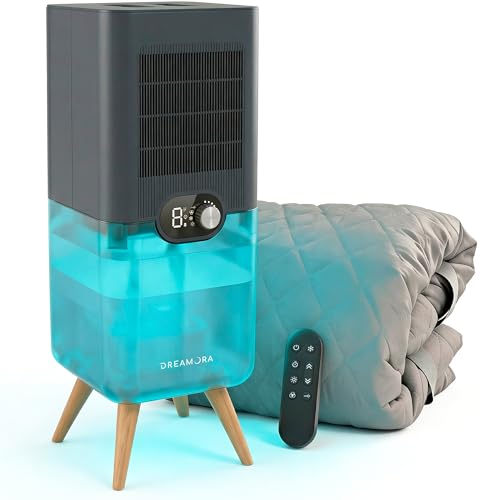
DREAMORA Luna – Water-Cooled Bed Cooling System – Elegant & Compact Bed Cooler for Hot Sleepers, Deep, Restorative Sleep – Dual-Sided Cooling Mattress Pad & Precise Temperature Control
INTELLIGENT WATER COOLING / COOL WITHOUT THE UNPLEASANT COLD FEEL: Luna circulates chilled water through soft silicone tubes…
As an affiliate, we earn on qualifying purchases.
As an affiliate, we earn on qualifying purchases.
Physical Activity and Its Effect on Sleep Patterns

Engaging in regular physical activity can considerably improve sleep patterns, helping you fall asleep faster and enjoy more restorative rest. Exercise increases your body’s temperature, and the subsequent drop signals your brain that it’s time to sleep. It also reduces stress and anxiety, which often interfere with sleep quality. Even moderate activities like walking or yoga can make a difference. Timing matters: exercising too late in the day might make it harder to fall asleep, so aim for earlier workouts. Consistency is key—developing a routine helps regulate your internal clock. Remember, physical activity not only tires you out physically but also releases endorphins that promote relaxation. Incorporating regular exercise into your day can lead to deeper, more restful sleep, improving your overall health and well-being. Additionally, ensuring proper ventilation in your sleeping environment can enhance sleep quality by maintaining comfortable air quality. Regular physical activity also supports your internal clock, helping to sync your sleep-wake cycle naturally. Moreover, understanding the market trends in sleep technology can help you choose the most effective tools to improve your sleep environment. Incorporating a variety of exercise types can further optimize the benefits for your sleep health.
Melatonin Production Beyond Blue Light Exposure

Even if you limit blue light exposure, other factors can still influence your melatonin levels. Light pollution from outdoor sources or indoor lighting can disrupt your natural sleep cycle, while lifestyle choices like diet and stress also play a role. Understanding these influences helps you protect your melatonin production beyond just managing blue light. Additionally, lighting design can significantly impact how much light pollution affects your sleep environment, and incorporating sleep-friendly lighting practices can further support healthy melatonin levels.
Light Pollution Effects
While blue light is a well-known factor in disrupting melatonin production, light pollution from other sources also plays a significant role. Excess outdoor lighting, neon signs, and streetlights can interfere with your sleep cycles even if you’re indoors. This ambient light can:
- Suppress melatonin production, making it harder to fall asleep.
- Disrupt your circadian rhythm, leading to poorer sleep quality.
- Increase alertness levels at night, reducing your overall sleep duration.
Even small amounts of light pollution can have cumulative effects over time, throwing off your natural sleep-wake cycle. Reducing exposure by using blackout curtains or turning off unnecessary lights can help protect your melatonin production and improve sleep quality.
Natural Melatonin Cycles
Beyond blue light exposure, your body’s natural melatonin cycles are influenced by a range of factors, including your overall sleep schedule, diet, physical activity, and exposure to environmental cues. Consistent sleep and wake times help regulate melatonin production, signaling your body when it’s time to sleep and wake. Eating habits also matter; foods rich in tryptophan or melatonin can support healthy levels. Regular physical activity promotes better sleep, indirectly supporting your melatonin rhythm. Additionally, exposure to natural light during the day reinforces your circadian clock, helping your body produce melatonin at the right times. These factors work together to maintain a balanced melatonin cycle, independent of artificial light, ensuring you feel sleepy when it’s time to rest and alert when it’s time to wake.
Lifestyle Influences
Your lifestyle choices can considerably influence your melatonin production, affecting how well your body regulates sleep beyond just exposure to blue light. Several habits can disrupt or support your natural rhythms.
- Caffeine intake: Consuming caffeine late in the day can delay melatonin release, making it harder to fall asleep.
- Irregular sleep schedules: Going to bed and waking up at inconsistent times confuses your internal clock, reducing melatonin effectiveness.
- Stress levels: Chronic stress increases cortisol, which can suppress melatonin and interfere with sleep quality.
The Influence of Evening Habits and Routine
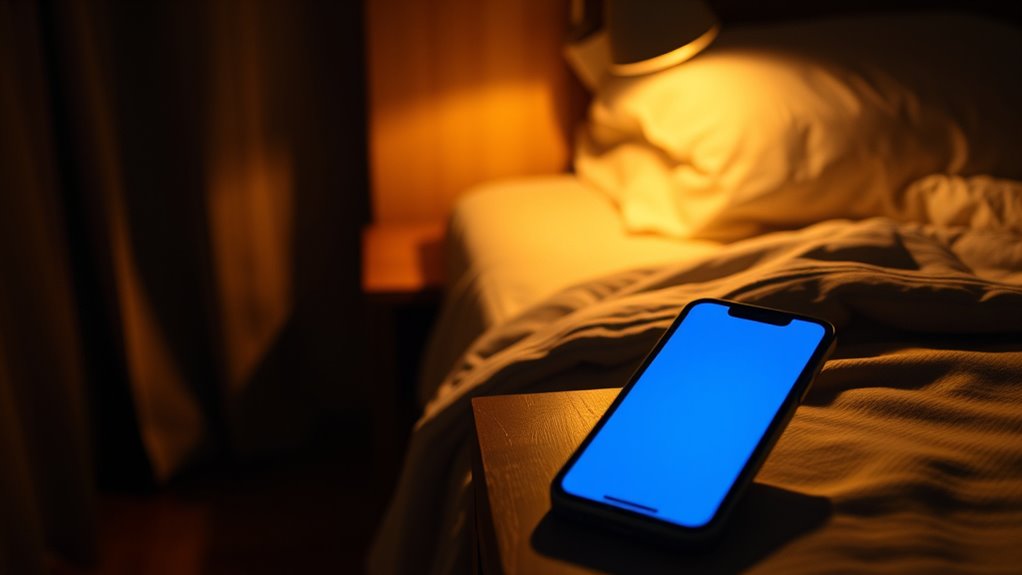
Evening habits and routines markedly influence how well you sleep, especially in the context of blue light exposure. If you wind down with screens right before bed, the blue light can suppress melatonin production, making it harder to fall asleep. Establishing a calming routine signals to your body that it’s time to rest. Activities like reading a book, practicing relaxation techniques, or taking a warm bath can promote sleepiness. Consistency is key, so try to go to bed and wake up at the same time daily. Avoid caffeine or vigorous exercise late in the evening, as they can interfere with your ability to unwind. Small adjustments to your nightly routine can significantly improve your sleep quality and help you fall asleep faster.
Environmental Factors That Affect Sleep Environment
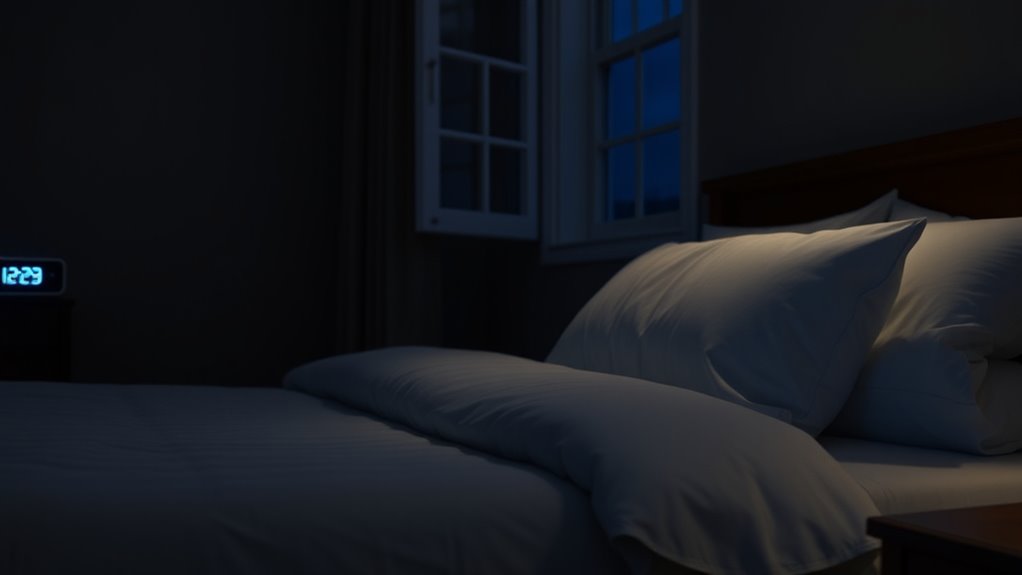
Your sleep quality can be affected by environmental factors like room temperature, noise, and light pollution. Keeping your bedroom at a comfortable temperature helps you fall asleep faster, while minimizing noise creates a peaceful setting. Reducing light pollution ensures your sleep isn’t disrupted by unwanted light sources, promoting better rest.
Room Temperature Control
Maintaining an ideal room temperature is essential for achieving restful sleep, as your body’s internal temperature naturally drops when you prepare to rest. To optimize your sleep environment, consider these key tips:
- Keep your room between 60-67°F (15-19°C), which supports your body’s cooling process.
- Use a thermostat or fan to regulate temperature consistently throughout the night.
- Avoid sudden temperature changes by closing windows or adjusting heating before bedtime.
A comfortable temperature helps your body shift into deep sleep phases more efficiently. Overly warm rooms can cause discomfort and disrupt your sleep cycles, while too cold environments may lead to waking up feeling chilled. Balancing room temperature creates the ideal setting for restorative sleep.
Noise Levels Management
Managing noise levels is essential for creating a sleep-friendly environment, as loud or unpredictable sounds can easily disturb your rest. Sudden noises, like traffic or loud neighbors, break your sleep cycle and make it harder to fall back asleep. To minimize disruptions, consider using earplugs or a white noise machine to mask disruptive sounds. Keeping your bedroom as quiet as possible helps your brain associate the space with calmness and relaxation. If external noise is frequent, installing soundproof curtains or sealing gaps around windows and doors can make a noticeable difference. Avoid ceiling fans or appliances that produce constant buzzing, as even steady sounds can disturb deep sleep stages. Managing noise effectively ensures that your sleep remains uninterrupted and restorative.
Light Pollution Reduction
Light pollution from streetlights, electronic devices, and outdoor signage can substantially disrupt your sleep environment. Excess artificial light suppresses melatonin production, making it harder to fall asleep and stay asleep. To reduce light pollution, consider these steps:
- Use blackout curtains or sleep masks to block out external light sources.
- Turn off or cover unnecessary electronic devices and outdoor signage at night.
- Install outdoor lighting with shielded or downward-facing fixtures to minimize light spill.
Taking these actions helps create a darker, more conducive sleep environment. Dimming or eliminating ambient light signals your body that it’s time to rest, promoting better sleep quality and overall health. Managing light pollution is a simple yet effective way to improve your nightly rest.
The Connection Between Sleep and Mental Health

Research shows that sleep and mental health are deeply interconnected, with poor sleep often triggering or worsening conditions like anxiety and depression. When you don’t get enough restful sleep, your brain struggles to regulate emotions, making you more vulnerable to stress and negative thoughts. Conversely, mental health issues can disrupt your sleep patterns, creating a vicious cycle. Lack of sleep alters brain chemistry, affecting neurotransmitters that influence mood and cognition. This means that consistently poor sleep can lead to increased feelings of sadness, irritability, and anxiety. Prioritizing quality sleep is essential not only for physical health but also for maintaining emotional stability. Recognizing and addressing sleep problems can profoundly improve your mental well-being over time.
Common Sleep Disorders and Their Causes

Many people unknowingly suffer from sleep disorders that disrupt their nightly rest, often without realizing the underlying causes. These disorders can stem from various factors, making it hard to identify the root problem. Some common sleep disorders include:
- Insomnia, which makes falling or staying asleep difficult due to stress, anxiety, or medical issues.
- Sleep apnea, where breathing repeatedly stops and starts, often caused by obesity or anatomical factors.
- Restless Legs Syndrome, characterized by uncomfortable sensations in your legs that urge movement, frequently linked to iron deficiency or nerve conditions.
Understanding these conditions helps you recognize when sleep issues aren’t just occasional trouble but signs of deeper health concerns. Identifying causes is the first step toward better sleep health.
Strategies for Improving Sleep Without Solely Focusing on Blue Light
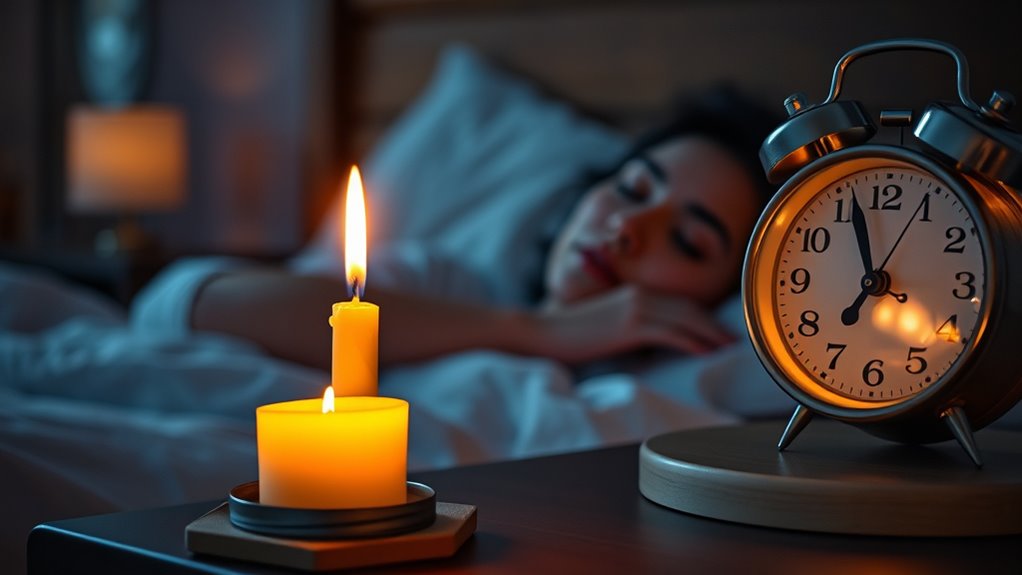
While understanding sleep disorders and their causes is important, improving sleep quality often requires addressing multiple factors beyond just blue light exposure. You can adopt habits that promote better rest, such as maintaining a consistent sleep schedule, creating a relaxing bedtime routine, and optimizing your sleep environment. These strategies help signal to your body that it’s time to wind down.
| Strategy | Benefit |
|---|---|
| Limit caffeine before bed | Reduces sleep disruptions |
| Keep a cool, dark room | Enhances melatonin production |
| Exercise regularly, early in the day | Promotes deeper sleep |
Frequently Asked Questions
How Does Temperature Influence Sleep Quality and Duration?
Temperature directly affects your sleep quality and duration. When your bedroom is too hot or too cold, your body struggles to reach and maintain the ideal temperature for restful sleep, which can cause frequent awakenings and lighter sleep stages. Keep your room cool, around 60-67°F (15-19°C), to help your body relax and stay in deep sleep longer. Proper temperature regulation makes it easier for you to fall asleep and stay asleep through the night.
Can Certain Medications Interfere With Sleep Patterns?
Medications can definitely interfere with your sleep patterns, acting like unwelcome guests at your bedtime. Some drugs contain stimulants that boost alertness, making it hard to fall asleep. Others may cause side effects like insomnia or restless legs. Always check the side effects and talk to your doctor if you notice sleep disturbances. Remember, your medication’s effects are like ripples—small changes can cause big shifts in your sleep quality.
What Role Do Genetics Play in Sleep Disorders?
Genetics play a significant role in sleep disorders, influencing your risk and how your body regulates sleep. If close family members have insomnia, sleep apnea, or restless legs syndrome, you’re more likely to experience similar issues. Your genes can affect your sleep-wake cycle, hormone production, and brain chemistry. Knowing your family history helps you understand potential sleep problems and seek tailored treatments, improving your overall sleep quality.
How Does Alcohol Consumption Affect Sleep Cycles?
Alcohol affects your sleep cycles like a mischievous puppeteer, pulling strings that disrupt rest. It may help you fall asleep faster, but it fragments your REM and deep sleep stages, leaving you tired and unrefreshed. As your body metabolizes alcohol, you often wake up frequently, making restorative sleep difficult. So, while a nightcap might seem relaxing, it actually hampers the quality of your sleep and overall restfulness.
Are There Specific Sleep Needs Based on Age or Gender?
Yes, your sleep needs vary by age and gender. As you age, you might find that you need less sleep, but quality matters more. Women generally require a bit more sleep than men, especially during pregnancy or hormonal changes. Teenagers need the most, around 8-10 hours, while adults should aim for 7-9 hours. Pay attention to your body’s signals and adjust your sleep schedule accordingly to stay rested and alert.
Conclusion
You might think blue light is the main sleep disruptor, but often, it’s the little things—stress, diet, or environmental noise—that secretly keep you awake. Sometimes, a late-night snack or a restless mind causes more disruption than you realize. So, next time you struggle to sleep, consider all these factors. It’s funny how small changes can make a big difference—maybe, just maybe, the secret to better sleep is closer than you think.