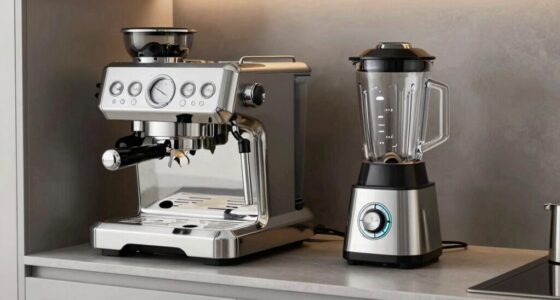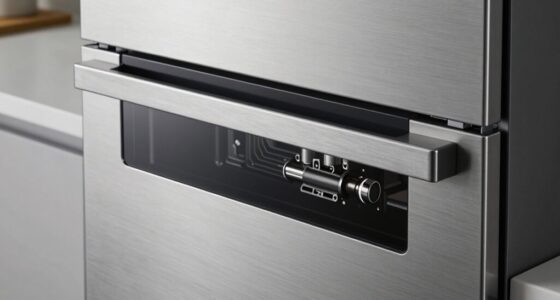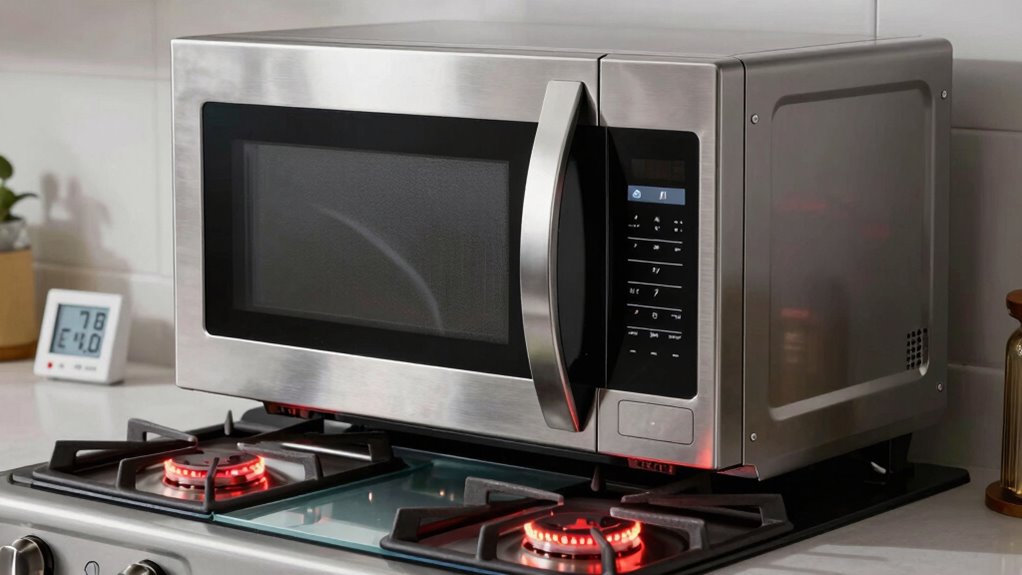

Thermal management in kitchen appliances is vital for safety, efficiency, and durability. It involves regulating heat using technologies like cooling fans, heat sinks, insulation, and thermal sensors to prevent overheating and damage. Proper heat dissipation helps keep your appliances running smoothly and extends their lifespan. Safety features like thermal cutoffs and regular maintenance guarantee peak performance. If you want to discover how to enhance your appliances’ thermal systems, keep exploring.
Key Takeaways
- Utilizes heat dissipation techniques like cooling fans, heat sinks, and heat pipes to prevent overheating.
- Incorporates insulation materials such as ceramic, foam, and reflective foils to enhance thermal efficiency.
- Implements active temperature control systems with thermostats and sensors for self-regulation.
- Ensures safety through thermal cutoffs, fuses, and circuit breakers to prevent fire hazards.
- Conducts regular maintenance and inspections to optimize heat management and prolong appliance lifespan.
The Significance of Thermal Regulation in Modern Kitchen Devices
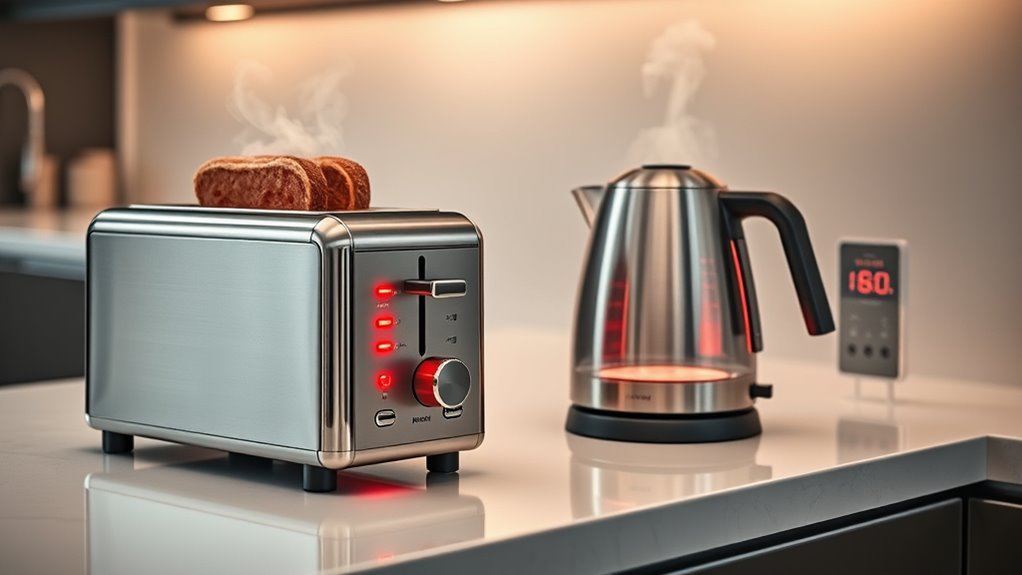
Thermal regulation plays a crucial role in ensuring the safety, efficiency, and performance of modern kitchen appliances. When properly managed, it enhances thermal comfort by maintaining the right temperatures for cooking and food storage. You’ll notice that efficient heat transfer is key to achieving this balance; it allows heat to move quickly and evenly, preventing hotspots or cold spots. This not only preserves the quality of your food but also reduces energy consumption. Without effective thermal regulation, appliances could overheat, risking damage or safety hazards, or underperform, leading to longer cooking times. By controlling heat transfer precisely, modern devices deliver consistent results, protect their components, and keep your kitchen environment safe and comfortable. thermal behavior is fundamental to designing appliances that can adapt to different cooking modes and user preferences. Proper heat transfer mechanisms also contribute to prolonging the lifespan of appliances by minimizing thermal stress on their parts. Additionally, understanding thermal dynamics helps in optimizing energy efficiency and safety features across various appliance models. Recognizing the importance of thermal regulation in appliance design can lead to innovations that further enhance safety and performance. Moreover, advancements in thermal management technologies are enabling smarter and more adaptive kitchen appliances that respond dynamically to user needs.
Key Technologies Used in Managing Heat in Appliances
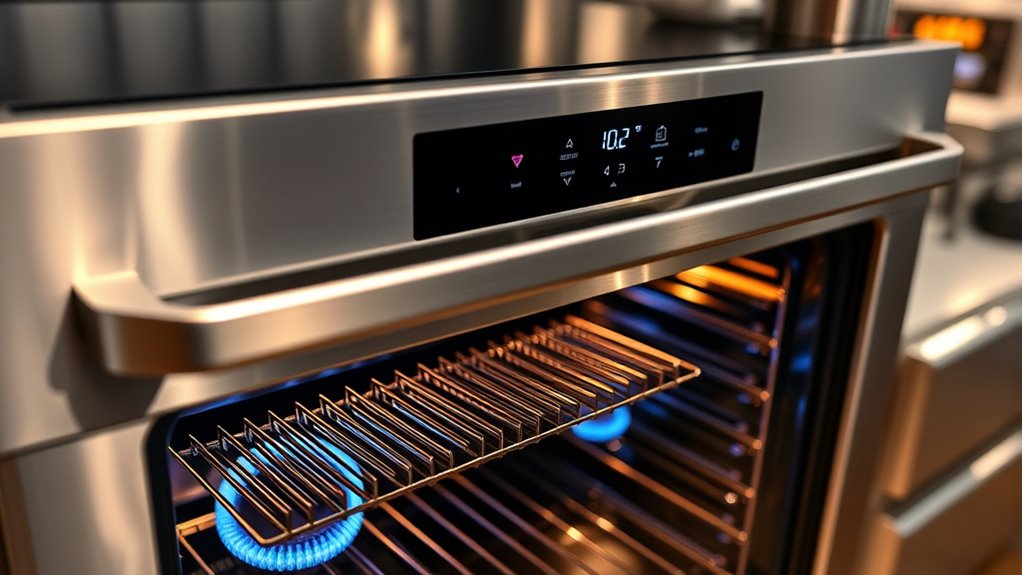
You’ll find that effective heat dissipation techniques help appliances stay cool and operate safely. Insulation materials play a vital role in keeping heat contained or away from sensitive components. Active temperature control systems, like thermostats, automatically adjust heating levels to maintain ideal performance. Additionally, energy-efficient cooling solutions contribute to reducing overall power consumption and enhancing appliance longevity. Innovations in Gold IRA Markets have also led to the development of advanced cooling technologies in high-end appliances, ensuring durability under demanding conditions. Employing thermal management techniques is essential for preventing overheating and extending appliance lifespan. Properly designed thermal insulation strategies further optimize heat flow and improve overall system efficiency, supported by advanced materials that improve heat resistance and durability.
Heat Dissipation Techniques
Effective heat dissipation is essential for maintaining the performance and safety of kitchen appliances. You rely on cooling fans to actively move air across hot components, preventing overheating during operation. These fans are crucial in appliances like ovens or mixers that generate significant heat. Heat sinks also play a critical role by absorbing and spreading heat away from sensitive parts, ensuring they stay within safe temperature ranges. Made of conductive materials like aluminum or copper, heat sinks increase the surface area for heat transfer. Combining cooling fans and heat sinks allows for efficient heat removal, prolonging appliance lifespan and maintaining ideal performance. Properly implemented heat dissipation techniques help you avoid malfunctions, reduce fire hazards, and ensure your appliances operate safely and reliably. Incorporating smart‑home integrations can also optimize the operation of these cooling systems, providing real-time monitoring and automatic adjustments to maintain optimal temperatures. Utilizing thermal management practices is vital for preventing damage caused by excessive heat buildup.
Insulation Materials Used
Insulation materials play a vital role in managing heat within kitchen appliances by reducing heat transfer and maintaining safe operating temperatures. You’ll find several effective options, including:
- Ceramic insulators, which offer high heat resistance and durability, preventing heat from escaping or entering critical areas.
- Foam barriers, lightweight and easy to install, providing excellent thermal resistance and minimizing heat loss.
- Fiberglass insulation, often used in oven walls, to withstand high temperatures while blocking heat flow. Additionally, fiberglass insulation is fire resistant, enhancing safety in appliance design.
- Reflective foils, which reflect radiant heat away, enhancing overall thermal efficiency. Proper insulation installation is essential to maximize these materials’ effectiveness and ensure safety.
These materials work together to keep appliances safe, efficient, and energy-saving. Choosing the right insulation depends on temperature needs and thermal management considerations, ensuring ideal heat control and safety.
Active Temperature Control
Active temperature control systems are essential for maintaining ideal heat levels in kitchen appliances, ensuring safety and efficiency. You rely on cooling fan technology to regulate heat, preventing overheating by increasing airflow when needed. Proper thermal sensor placement is critical; sensors should be positioned where temperature fluctuations are most significant, enabling accurate readings. When the thermal sensors detect rising temperatures, the system activates the cooling fan to dissipate heat quickly. This responsive mechanism helps maintain consistent oven, refrigerator, or cooktop temperatures, reducing energy consumption and prolonging appliance lifespan. By integrating effective sensor placement with advanced fan technology, active temperature control provides precise heat management, safeguarding both your appliance and your safety during everyday use. Understanding aviation regulations can also help in designing more reliable and compliant thermal management systems. Regular maintenance of thermal sensors ensures ongoing accuracy and optimal performance of the active control system, which is vital for energy efficiency. Incorporating thermal management strategies into appliance design can further enhance safety and prolong operational life, especially when considering system redundancy for critical components.
Common Thermal Challenges Faced by Kitchen Equipment
You’ll often face overheating risks that can damage your appliances or cause safety concerns. Insufficient heat dissipation can also lead to inefficient operation and shortened lifespan of your kitchen equipment. Understanding these challenges helps you better manage heat and prevent costly issues. Proper heat management strategies are essential for maintaining appliance performance and safety. Implementing thermal regulation techniques can further improve the durability and safety of your appliances over time. Recognizing the importance of self-regulation in appliances can help prevent both overheating and underperformance, ensuring safe operation.
Overheating Risks in Appliances
Overheating remains a common challenge in kitchen appliances, often causing malfunctions or safety hazards. If the cooling fan isn’t working properly, heat can build up rapidly, risking damage or fires. Thermal sensors monitor temperature levels and trigger safety shutoffs when needed. To prevent overheating, consider these points:
- Ensure the cooling fan operates smoothly and isn’t blocked.
- Regularly check thermal sensors for accurate readings.
- Avoid overloading appliances, which increases heat output.
- Maintain proper ventilation around your equipment.
Ignoring these risks can lead to appliance failure or safety issues. By keeping cooling fans clean and thermal sensors functional, you reduce overheating risks and extend your appliances’ lifespan. Staying vigilant helps protect your kitchen and ensures safe operation.
Insufficient Heat Dissipation
Insufficient heat dissipation is a common challenge that can cause kitchen appliances to operate inefficiently or break down prematurely. When heat isn’t effectively removed, components can overheat, reducing lifespan and performance. To combat this, a cooling fan often helps by increasing airflow around heat-sensitive parts. Additionally, a well-designed heat sink absorbs and disperses heat away from critical components, preventing overheating. Without these thermal management features, your appliance may run hot, risking damage or failure. Regular maintenance, such as cleaning cooling fans and ensuring heat sinks are free of dust, keeps heat dissipation ideal. Understanding the importance of proper heat management helps you maintain appliance efficiency and longevity, avoiding costly repairs or replacements caused by thermal issues.
Design Strategies for Effective Heat Dissipation
Effective heat dissipation is essential for maintaining the performance and safety of kitchen appliances. To optimize heat flow, consider these design strategies:
Effective heat dissipation ensures safety and longevity of kitchen appliances.
- Use innovative cooling techniques like heat pipes or fans to improve heat transfer.
- Incorporate heat sinks or fins that increase surface area for better cooling.
- Select materials with high thermal conductivity, such as aluminum or copper, to facilitate heat dissipation.
- Design airflow paths that maximize natural convection and prevent heat buildup.
These strategies ensure efficient heat flow, preventing overheating and prolonging appliance lifespan. By integrating innovative cooling methods and optimizing component placement, you can enhance thermal management without sacrificing performance. Focus on balancing heat dissipation with user convenience and energy efficiency for the best results.
Safety Measures and Standards for Thermal Management

Implementing proper safety measures and adhering to established standards are essential steps in managing heat within kitchen appliances. Fire safety protocols help prevent accidents caused by overheating or electrical faults, reducing the risk of fires. Making certain of compliance with electrical standards guarantees that appliances are designed to handle thermal loads safely and reliably. You should use thermal cutoffs, fuses, and circuit breakers to protect against overheating. Proper insulation and ventilation also play a crucial role in minimizing heat buildup and preventing heat transfer to other components. Regular inspections and maintenance are necessary to identify potential hazards early. By following these safety measures and standards, you help ensure your appliances operate safely, protecting both your household and your investment.
Best Practices for Maintaining and Enhancing Thermal Performance
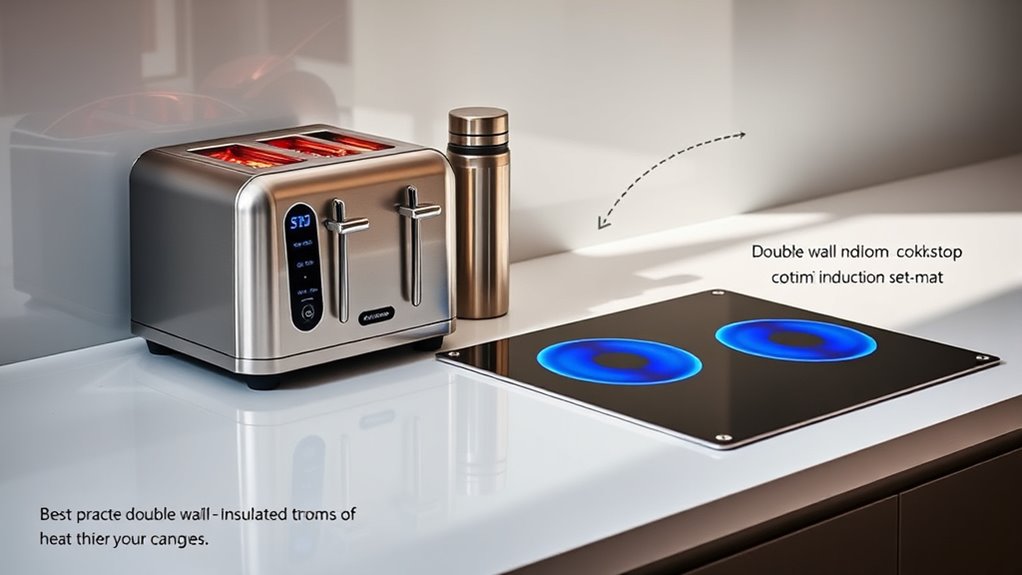
Maintaining ideal thermal performance in kitchen appliances requires consistent attention to detail and proactive care. To maximize efficiency, consider these best practices:
Consistent maintenance and thoughtful upgrades keep kitchen appliances running at peak thermal efficiency.
- Regularly inspect and upgrade thermal insulation to prevent heat loss.
- Clean heat pipe technology components to ensure optimal heat transfer.
- Use reflective surfaces or heat shields to direct heat where needed.
- Schedule routine maintenance to identify and fix insulation gaps or thermal leaks early.
Frequently Asked Questions
How Do Different Materials Affect Heat Insulation in Kitchen Appliances?
Different materials impact heat insulation based on their properties like thermal conductivity and density. You should choose materials with low thermal conductivity, such as foam or fiberglass, for better insulation. These materials enhance insulation techniques by reducing heat transfer, keeping appliances efficient and safe. When selecting materials, consider their ability to trap air and resist heat flow, which directly affects the appliance’s overall thermal performance and energy efficiency.
What Role Does User Behavior Play in Thermal Efficiency?
Your user habits and usage patterns directly impact thermal efficiency. When you use appliances consistently and follow recommended practices, you help maintain peak heat management. For instance, avoiding frequent opening of oven doors or overloading appliances reduces heat loss and strain on the system. By being mindful of how you operate your kitchen appliances, you can improve their thermal performance and prolong their lifespan, saving energy and ensuring better cooking results.
Are There Eco-Friendly Options for Thermal Management in Appliances?
Yes, eco-friendly options for thermal management include using biodegradable insulators that reduce environmental impact and adopting renewable energy sources like solar or wind power to operate appliances more sustainably. By choosing appliances with biodegradable insulators, you help decrease plastic waste, and utilizing renewable energy minimizes carbon footprints. These options allow you to enjoy efficient thermal management while supporting eco-conscious practices in your daily life.
How Can Smart Technology Optimize Heat Regulation Automatically?
Think of your appliance as a vigilant guardian, quietly balancing heat with smart technology. AI algorithms analyze real-time data, while sensor integration acts like its senses, detecting temperature fluctuations instantly. This synergy allows your appliance to automatically optimize heat regulation, preventing overheating or undercooking. By trusting this intelligent system, you guarantee energy efficiency and consistent performance, turning your kitchen into a domain where technology and intuition work seamlessly together.
What Are Future Innovations in Thermal Management for Kitchen Devices?
You’ll see future innovations like phase change materials that absorb and release heat efficiently, maintaining ideal temperatures. Heat pipes will become more compact and effective, transferring heat quickly and evenly across surfaces. Smart sensors will detect temperature fluctuations in real-time, adjusting cooling or heating automatically. These advancements will make kitchen devices safer, more energy-efficient, and precisely controlled, enhancing your cooking experience with smarter, more reliable thermal management.
Conclusion
Effective thermal management in your kitchen appliances is like a well-orchestrated symphony, ensuring everything runs smoothly and safely. By understanding key technologies, addressing thermal challenges, and following best practices, you can keep your devices performing at their best. Proper heat regulation not only prolongs appliance life but also keeps your kitchen safe and efficient. Stay proactive, and your appliances will work like a finely tuned engine, delivering ideal performance every time.