
Home temperature zoning lets you control different areas of your house independently, using thermostats and dampers in the ductwork. This system adjusts airflow based on each zone’s needs, increasing comfort and saving energy by heating or cooling only occupied spaces. It’s ideal for customizing comfort and reducing utility bills. With various system types and smart options available, you can choose what suits your home best. Keep exploring to learn more about making zoning work for you.
Key Takeaways
- Home temperature zoning divides the house into separate areas controlled independently for customized comfort.
- Dampers in ductwork open or close based on zone thermostats to regulate airflow and temperature.
- Zoning systems improve energy efficiency by heating or cooling only occupied zones, reducing utility costs.
- Components include thermostats, dampers, and control panels, with options for single or multiple zones.
- Smart and wireless zoning technologies enable remote control, easier installation, and personalized climate management.
What Is Home Temperature Zoning?

Have you ever wondered how some homes stay comfortable in every room without wasting energy? That’s where home temperature zoning comes in. It’s a system that divides your house into different areas, or zones, each with its own thermostat. This setup allows you to control the temperature independently in each zone, so you don’t have to heat or cool the entire house equally. Instead, you can focus on the rooms you’re using most, saving energy and money. Zoning systems typically involve installing dampers in your ductwork and multiple thermostats throughout your home. This way, you customize comfort, reduce energy waste, and create a more efficient heating and cooling process. home temperature zoning is an effective way to optimize energy consumption and maintain consistent comfort in every part of your home. Additionally, understanding Youngster Choice insights can help homeowners make informed decisions about energy-efficient upgrades. Incorporating reliable backup systems can further enhance home comfort during power outages or extreme weather events.
How Does a Zoning System Work?

A zoning system works by dividing your home into separate areas, each controlled independently to maintain desired temperatures. You install dampers within your ductwork that open or close based on your thermostat settings. Each zone has its own thermostat, allowing you to set different temperatures for different parts of your home. When a zone calls for heat or cooling, the system activates the damper for that area, directing airflow accordingly. The central HVAC unit responds to these signals, adjusting operation to meet each zone’s needs. This targeted control prevents energy waste by avoiding unnecessary heating or cooling of unoccupied spaces. Additionally, energy-efficient technology helps optimize system performance, reducing overall energy consumption. Incorporating advanced dampers and sensors further enhances the system’s ability to maintain precise temperature control. Proper system design and zone layout are essential to ensure balanced airflow and comfort throughout your home. As a result, your home stays comfortable, and your energy bills decrease. The system continuously monitors and adjusts airflow, ensuring each zone maintains its set temperature efficiently.
Benefits of Implementing Zoning in Your Home

Implementing zoning in your home offers numerous advantages that enhance comfort and efficiency. With zoning, you can customize temperatures in different areas, ensuring each space feels just right. This targeted control prevents overheating or overcooling rooms that aren’t in use, saving energy and lowering utility bills. Zoning also reduces wear and tear on your HVAC system because it doesn’t have to work as hard to maintain consistent temperatures across the entire house. Additionally, zoning provides greater flexibility, allowing family members to set personalized comfort levels. It also helps accommodate specific needs in different rooms, making your home more adaptable. Incorporating smart home integration can further optimize zoning systems for maximum energy savings and convenience. Proper ventilation systems are essential to ensure air quality and system efficiency in zoned areas. Understanding HVAC zone control is key to designing an effective zoning system that maximizes comfort and efficiency. Overall, zoning helps you enjoy consistent comfort, increased energy savings, and reduced maintenance costs, making it a smart upgrade for any home.
Types of Zoning Systems and Components
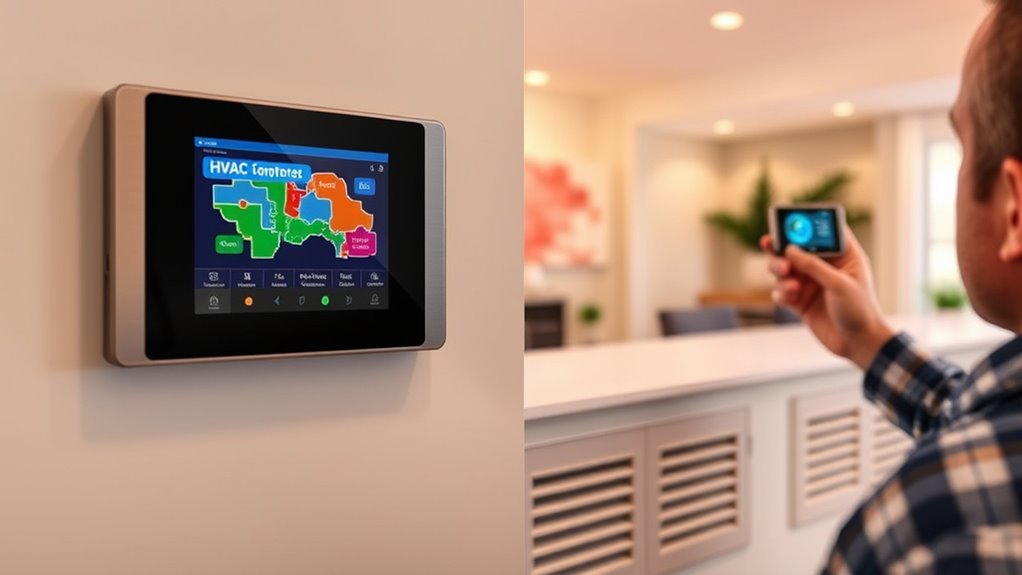
Understanding the different types of zoning systems and components is essential to choosing the right setup for your home. There are mainly three types: single-operator, multi-operator, and multi-zone systems. Single-operator systems control one zone with a single thermostat, suitable for smaller homes. Multi-operator systems use multiple thermostats but share one control panel, ideal for homes with separate living spaces. Multi-zone systems feature individual thermostats for each zone, offering precise temperature control and energy efficiency. Components include zone dampers, which direct airflow; thermostats that monitor temperature; and control panels that manage the system’s operation. Each component plays a pivotal role in maintaining comfort and efficiency across different zones, helping you customize your home’s climate effectively. Additionally, green‑chemistry principles can inform the selection of environmentally friendly components and materials used within your zoning system. Incorporating energy-efficient technologies can further enhance the system’s performance and reduce your overall energy consumption. Implementing smart controls can further optimize system performance and energy savings by adapting to your household’s routines. Emphasizing proper installation and maintenance ensures your zoning system operates at peak efficiency and longevity.
Factors to Consider Before Installing Zoning

Before installing a zoning system, it’s important to evaluate your home’s layout, heating and cooling needs, and overall lifestyle. Consider how many zones you want and the specific temperature preferences for each area. Think about high-traffic spaces versus rarely used rooms, as this impacts zone setup. Assess your existing HVAC system’s compatibility with zoning components. Keep in mind your budget, since quality zoning systems can vary in cost, and installation complexity may influence expenses. Also, reflect on future changes—if you plan to remodel or add rooms, zoning might require adjustments. Additionally, consider system sizing to ensure your zones are appropriately configured for your home’s demands. Proper evaluation ensures your zoning system will enhance comfort and optimize energy use, especially when integrated with smart home gym technology to create a comfortable and connected environment. Moreover, understanding aviation regulations can help you plan for long-term upgrades and compliance, making your system more reliable and efficient. Finally, researching energy efficiency standards can help you select a zoning system that maximizes savings and performance over time.
How to Maintain and Troubleshoot Your Zoning System
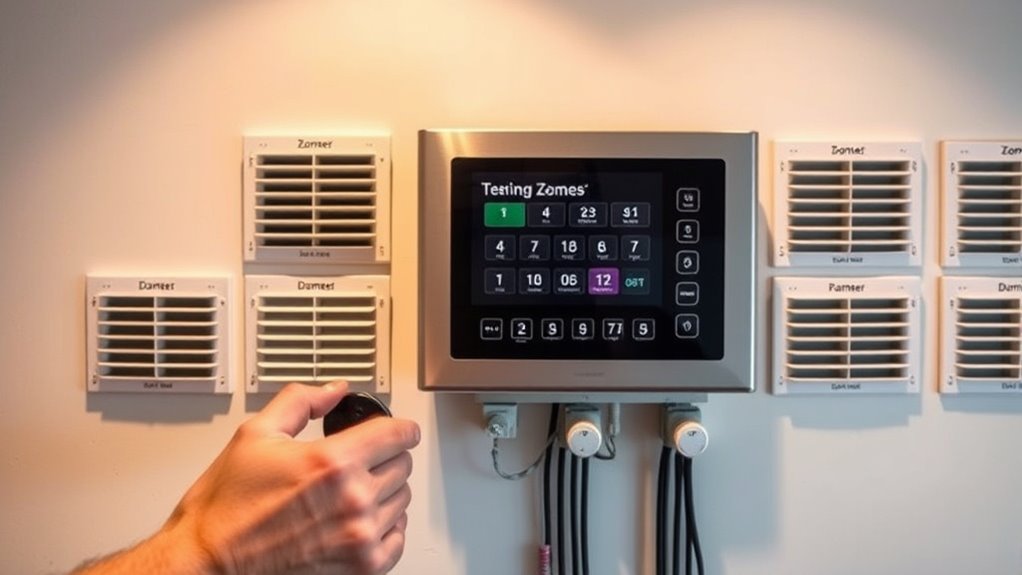
To keep your zoning system running smoothly, regular maintenance is essential. When issues arise, quick troubleshooting can save you time and prevent bigger problems. Understanding common problems helps you fix minor glitches before they become costly repairs. Additionally, inspecting sensor calibration regularly ensures accurate temperature control and system efficiency. Regularly checking system diagnostics can also help identify potential issues early and improve overall performance. Incorporating proper maintenance practices based on manufacturer guidelines can extend the lifespan of your system and prevent unexpected failures. Implementing creative storytelling techniques can also enhance your understanding of system features and troubleshooting steps, making maintenance more engaging for users. Using high-quality essential oils in your maintenance routine can further enhance system longevity and air quality.
Regular System Maintenance
Regular maintenance is essential to keep your zoning system functioning smoothly and prevent costly issues down the line. You should routinely check and replace air filters to guarantee proper airflow and efficiency. Keep vents and dampers clean and unobstructed for peak operation. Additionally, inspect your thermostats and zone controls for accuracy and proper communication with the system. Regularly testing the system’s response helps identify potential problems early.
- Change filters every 1-3 months or as needed
- Lubricate moving parts, like dampers, to reduce wear
- Verify electrical connections for corrosion or looseness
Performing these simple tasks can extend your system’s lifespan and maintain comfort throughout your home. Staying proactive with maintenance ensures your zoning system runs reliably and efficiently, saving you time and money in the long run.
Troubleshooting Common Issues
Even with proper maintenance, zoning systems can encounter issues that disrupt comfort and efficiency. If you notice uneven temperatures, check your dampers to ensure they open and close properly. Sometimes, a stuck damper or faulty actuator causes airflow problems. If your system isn’t responding to thermostat commands, verify the wiring connections and replace any damaged components. A common issue is incorrect zone sensor placement or malfunction, so test sensors for accuracy and replace if needed. Also, listen for unusual noises, which can indicate mechanical problems. Regularly reset your system to clear glitches, and keep filters clean to prevent airflow restrictions. If troubleshooting doesn’t resolve the issue, consult a professional to diagnose more complex problems and avoid further damage.
The Future of Home Temperature Zoning Technologies

The future of home temperature zoning will likely focus on smarter, more integrated systems that adapt seamlessly to your lifestyle. You’ll see more smart thermostats that connect with your devices and use AI to optimize comfort and energy savings. Wireless zoning systems will become more reliable and easier to install, giving you greater control with less hassle.
Smart Thermostat Integration
As technology advances, smart thermostats are transforming how you manage home temperature zones. They offer seamless integration with your existing home systems, making adjustments more intuitive and efficient. With features like remote control via smartphones, learning algorithms, and customizable schedules, you can optimize comfort and energy savings effortlessly. Smart thermostats also connect to other smart devices, creating a cohesive home automation experience. To maximize their potential, consider these aspects:
- Compatibility with your HVAC system and other smart home devices
- Learning capabilities that adapt to your lifestyle over time
- Data analytics providing insights into energy usage patterns
These features ensure you gain precise control, improved comfort, and reduced utility bills, making smart thermostats an essential component of modern home zoning.
AI-Driven Climate Control
AI-driven climate control is revolutionizing home temperature zoning by enabling systems to learn, predict, and automatically adjust settings based on your habits and preferences. It uses data from sensors, weather forecasts, and your routines to optimize comfort efficiently. This technology reduces energy waste, lowers utility bills, and enhances your daily comfort without manual input. As AI models adapt over time, your home’s climate becomes smarter and more personalized. Here’s a quick look at some core ideas:
| Feature | Benefit | Example |
|---|---|---|
| Learning Algorithms | Personalizes settings | Adjusts temperature based on your schedule |
| Predictive Adjustments | Prepares environment ahead | Pre-cools before you arrive home |
| Data Integration | Optimizes energy usage | Balances comfort with efficiency |
Wireless Zoning Systems
Wireless zoning systems are transforming how homeowners control indoor temperatures by eliminating the need for extensive wiring and manual installation. With these systems, you can easily set different temperatures for various zones without complex setup. They rely on Wi-Fi or Zigbee technology, making installation straightforward and flexible. This allows you to upgrade or reconfigure zones without drilling holes or running cables. Wireless systems also enable remote control via smartphone apps, giving you real-time temperature adjustments from anywhere. You can integrate them with voice assistants for added convenience.
- Simplify installation and reduce costs
- Enable seamless system upgrades
- Provide remote access and control
Frequently Asked Questions
Can Zoning Systems Be Integrated With Smart Home Technology?
Yes, zoning systems can be integrated with smart home technology. You can connect your zoning controls to your smart thermostat or home automation hub, allowing you to manage different zones remotely via smartphone or voice commands. This integration provides greater convenience, energy efficiency, and personalized comfort. Just make certain your zoning system is compatible with your smart home platform, and you’ll enjoy seamless control over your home’s temperature zones.
What Is the Typical Cost Range for Installing Zoning Systems?
You’ll typically spend between $2,000 and $5,000 to install a zoning system, and that’s just the start of huge savings. Imagine cutting your energy bills dramatically while enjoying perfect comfort in every room—it’s like turning your house into a smart, energy-efficient paradise. The cost varies depending on the size of your home and the complexity of the system, but the benefits make it well worth the investment.
How Long Does It Take to Install a Zoning System?
It usually takes about one to three days to install a zoning system in your home. The exact time depends on your home’s size, existing ductwork, and the complexity of the system. You’ll want to make sure your contractor has enough time to set up dampers, thermostats, and controls properly. Planning ahead and scheduling during a less busy time can help speed up the installation process.
Are Zoning Systems Suitable for All Types of Heating and Cooling Systems?
Like a conductor orchestrating a symphony, zoning systems can harmonize with many heating and cooling setups, but not all. You’ll find they work great with central HVAC units, ducted systems, and heat pumps. However, if your system uses radiators, baseboard heaters, or mini-splits, zoning might not be suitable without additional modifications. Always consult a professional to guarantee compatibility and ideal performance for your specific system.
What Are Common Signs Indicating My Zoning System Needs Repairs?
You’ll notice your zoning system needs repairs if certain signs appear. If some rooms stay too hot or cold despite adjustments, or if your system frequently cycles on and off, it’s a clear indicator. Unusual noises, uneven temperatures, or increased energy bills also point to potential issues. Don’t overlook these signs; addressing them promptly ensures your system works efficiently and keeps your home comfortable.
Conclusion
Remember, a stitch in time saves nine. By understanding and investing in home temperature zoning, you can enjoy personalized comfort, save energy, and avoid costly repairs down the line. Properly maintained systems adapt to your lifestyle, making your home more efficient and comfortable. Don’t wait until small issues become big problems—take control now and reap the long-term benefits. With the right zoning system, you’re well on your way to a smarter, cozier home.