Vacuum filtration systems use filters like HEPA to trap tiny particles and improve air quality, but they aren’t the whole story. HEPA filters are highly effective at removing 99.97% of particles as small as 0.3 microns, yet they don’t filter gases or odors. Other filter types, maintenance needs, and proper assessment are essential for peak performance. To truly understand how filtration impacts your air, explore the details behind these systems and their limitations.
Key Takeaways
- HEPA filters are certified to remove 99.97% of 0.3-micron particles, but filtration efficiency depends on filter quality and maintenance.
- Filtration involves multiple mechanisms—diffusion, interception, and impaction—beyond just particle size.
- HEPA certification ensures high performance for particles, but doesn’t guarantee odor or gas removal capabilities.
- Regular filter inspection and replacement are essential to maintain effective vacuum filtration and indoor air quality.
- Other filter types, like activated carbon, complement HEPA filters by removing odors and gases not captured by particle filters.
Understanding Vacuum Filtration Systems

Have you ever wondered how scientists quickly separate solids from liquids in the lab? Vacuum filtration systems make this process fast and efficient. They use a vacuum pump connected to a filter flask to create negative pressure, pulling the liquid through a filter membrane. You place the mixture in a funnel with a filter paper or membrane, and as the vacuum pulls, the liquid passes through, leaving solids behind. This setup speeds up filtration compared to gravity methods and helps prevent handling hazardous or sensitive substances. The system is versatile, used in chemical, biological, and environmental labs. By understanding how vacuum filtration systems work, you can appreciate their importance in obtaining clear filtrates and isolating solid materials reliably. Additionally, selecting the appropriate filter membrane technology impacts the efficiency and accuracy of the filtration process. Incorporating energy-efficient components in vacuum filtration systems can further enhance sustainability and reduce operational costs. Moreover, awareness of market options can help investors choose reliable suppliers with high-quality products. Proper piercing care and hygiene ensure the longevity and safety of body piercings, much like maintaining a well-functioning filtration system for optimal results. Understanding visual and auditory cues can also aid in troubleshooting and optimizing filtration procedures to achieve better results.
What Does HEPA Really Mean?
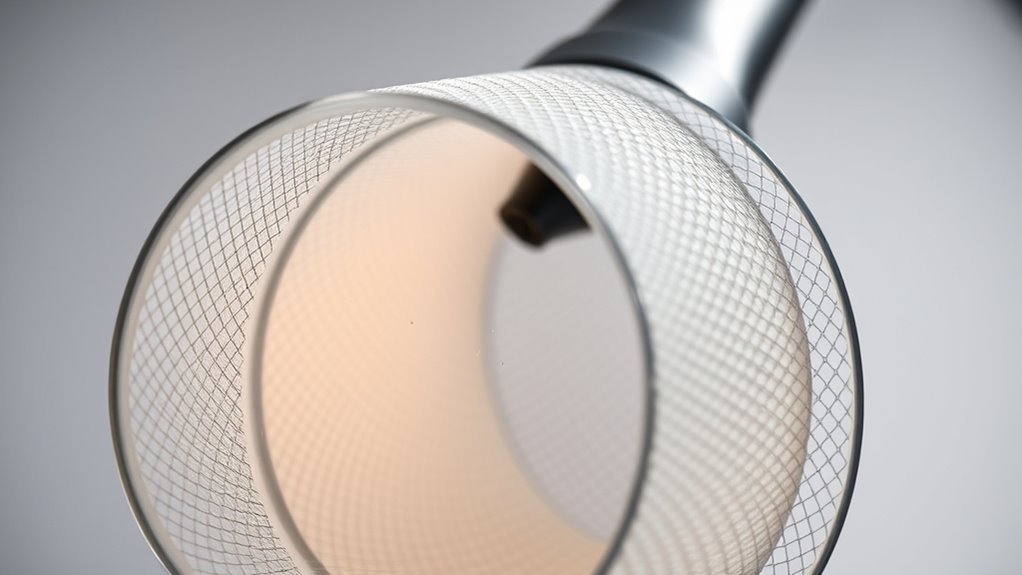
When you hear about HEPA filters, it’s important to understand their standards for particle size capture and certification. These filters are tested to meet strict criteria, ensuring they trap tiny particles effectively. Knowing what HEPA really means helps you choose the right filtration for your needs. Additionally, understanding the air purification process can help you determine which filter types are most effective for specific pollutants or allergens. Recognizing the role of filter efficiency ratings can further assist in making informed decisions about air quality options. Moreover, awareness of performance standards can help you compare different filter models and their effectiveness.
HEPA Filtration Standards
HEPA, which stands for High-Efficiency Particulate Air, is a standard that defines the effectiveness of air filters in trapping tiny particles. To qualify as HEPA, a filter must remove at least 99.97% of particles that are 0.3 microns in size. This standard was established in the 1950s and is regulated by organizations like the U.S. Department of Energy and the Institute of Environmental Sciences and Technology. These standards ensure that HEPA filters consistently meet high-performance criteria across different products and manufacturers. When shopping for a filter, understanding these standards helps you determine its reliability and effectiveness. Keep in mind, standards focus on particle removal efficiency, not necessarily on the filter’s lifespan or airflow capacity.
Particle Size Capture
Ever wonder what it really means for a filter to be “HEPA”? It’s all about the size of particles it can trap. HEPA filters are designed to capture at least 99.97% of particles 0.3 microns in diameter. That’s tiny—about 1/300th the width of a human hair. But why 0.3 microns? It’s considered the most penetrating particle size, meaning particles of this size are hardest to catch. Smaller particles, like bacteria or some viruses, are often captured more easily through diffusion, while larger particles are filtered by interception and impaction. Understanding filtration helps to clarify how different types of filters perform against various airborne contaminants. Additionally, filter efficiency depends on factors like airflow and filter design, which influence overall performance. So, when you see “HEPA,” know it’s not just about filtering big debris—it’s about efficiently trapping microscopic particles, including many allergens and pollutants that affect your air quality.
Certification and Testing
Understanding what “HEPA” really means requires looking beyond the label to how filters are tested and certified. HEPA certification involves rigorous testing to ensure filters meet strict standards. During testing, particles as small as 0.3 microns are streamed toward the filter, and the percentage of particles captured is measured. To qualify as HEPA, a filter must remove at least 99.97% of these particles. Certification agencies, like the U.S. Department of Energy or the European Committee for Standardization, verify these results through standardized procedures. Keep in mind, some products claim “HEPA-like” or “HEPA-type,” but they often don’t undergo the same testing. Knowing the certification process helps you assess whether a filter can truly deliver the high level of filtration you need.
The Limitations of HEPA Filters
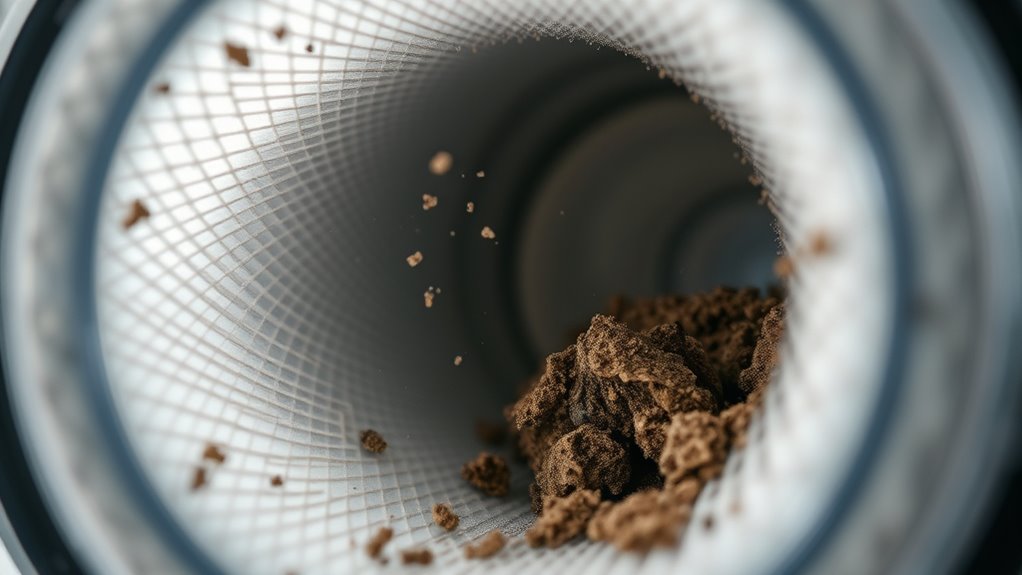
While HEPA filters are highly effective at trapping airborne particles, they do have notable limitations. First, they don’t remove odors or gases, so smells may persist even after filtration. Second, HEPA filters can clog quickly if the air contains large amounts of dust or debris, reducing their efficiency. Third, they only trap particles; they don’t kill bacteria or viruses, which can still be present on surfaces or in the air. Additionally, HEPA filters require regular replacement to maintain performance, and improper handling can release trapped particles back into your environment. Vetted – Textile Line This highlights the importance of complementary filtration methods for comprehensive air purification. While they excel at capturing small particles, these limitations mean they aren’t a complete solution for all filtration needs. Understanding these flaws helps you choose the right filter for your specific situation. Proper filter maintenance and considering additional air purification technologies can enhance overall air quality, especially when combined with advanced filtration systems designed to target gases and microbes.
Other Types of Vacuum Filters
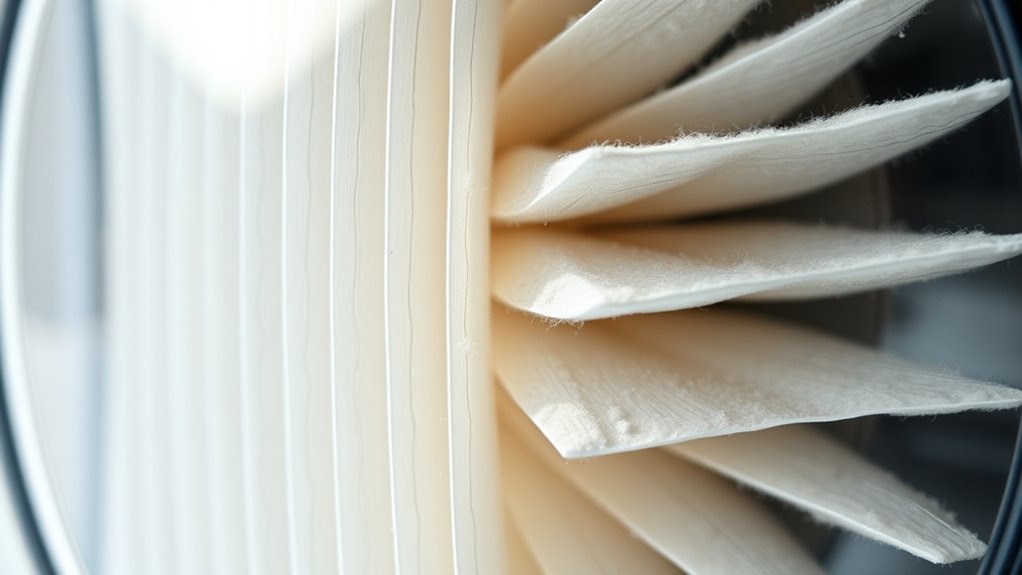
Besides HEPA filters, there are several other types of vacuum filters designed to meet different cleaning needs. One common type is foam filters, which trap larger particles and are often washable for repeated use. Electret filters use electrostatic charges to attract dust and allergens, offering good filtration in lightweight designs. Additionally, some models incorporate carbon filters that absorb odors and fumes, making them ideal for homes with pets or smokers. Micron filters, also known as ULPA filters, target finer particles than HEPA filters, providing even more thorough cleaning. Each filter type serves a specific purpose: foam for durability, electrostatic for efficiency, carbon for odor control, and ULPA for ultra-fine particle removal. When considering a vacuum, it’s important to evaluate vacuum filter efficiency to ensure optimal performance for your environment. Understanding air filtration technology can help consumers select the most suitable filter for their needs, especially considering the electric power output of some vacuum models, which can influence performance. Additionally, filter maintenance plays a crucial role in maintaining the overall effectiveness of your vacuum’s filtration system.
How to Assess a Vacuum’s Filtration Effectiveness

To guarantee your vacuum filters work effectively, start by checking their ratings to see if they meet your needs. Next, inspect the filter condition regularly for signs of damage or clogging. Additionally, test the air quality to confirm that the filtration is removing particles and pollutants as expected. Understanding the different types of filters, such as HEPA and activated carbon, can help you choose the most suitable option for comprehensive air purification. Moreover, considering Vetted options like Berkley Vallone can provide insight into highly recommended products and their performance standards. Knowing about the net worth of individuals involved in related fields can also offer perspective on the value and reputation of top-tier filtration products.
Check Filter Ratings
How can you determine if a vacuum’s filter is effective? Start by checking the filter’s ratings, which are usually printed on its label or packaging. These ratings provide a quick snapshot of filtration performance. Look for these key numbers:
- MERV Rating – Indicates how well the filter traps particles, with higher numbers meaning better filtration.
- HEPA Certification – Confirms the filter meets strict standards, capturing 99.97% of particles 0.3 microns or larger.
- Micron Size – Shows the smallest particle size the filter can trap; lower microns mean finer filtration.
Additionally, understanding filtration standards can help you better interpret these ratings and choose the most effective vacuum filter for your needs. Recognizing filter efficiency ratings can also guide you in selecting filters that effectively reduce allergens and pollutants in your home.
Inspect Filter Condition
Inspecting your vacuum’s filter condition is essential to guarantee it continues to perform effectively. Regular visual checks help you identify dirt buildup, tears, or clogging that can reduce filtration efficiency. Remove the filter carefully and examine it closely; look for visible dust, debris, or signs of damage. If the filter appears clogged or dirty beyond a light coating, it’s time to clean or replace it. A worn or damaged filter can allow particles to bypass filtration, decreasing air quality and straining your vacuum’s motor. Make this inspection part of your routine maintenance, especially after heavy use or cleaning dusty areas. Keeping filters in good condition ensures your vacuum maintains *ideal* airflow and filtration performance, protecting your indoor air quality and extending the device’s lifespan. Proper filter maintenance is crucial for ensuring optimal filtration and device longevity.
Test Air Quality
Ever wonder if your vacuum is truly filtering the air effectively? To test its performance, you can do simple checks at home. First, turn on your vacuum in a closed room and observe the air quality afterward. Second, use an air quality monitor to measure particles before and after vacuuming—look for reductions in dust and allergens. Third, perform a visual inspection: if dust still escapes from the exhaust or filter, your vacuum might not be doing its job. You can also try the smoke test by releasing a small amount of smoke near the intake; if smoke escapes from the exhaust, the filtration isn’t tight enough. Regular testing helps guarantee your vacuum keeps indoor air clean and healthy.
Tips for Choosing the Right Vacuum Cleaner
Choosing the right vacuum cleaner starts with understanding your specific cleaning needs. Consider the type of surfaces in your home—hard floors, carpets, or upholstery—and select a model designed for those surfaces. If you have allergies or asthma, look for vacuums with strong filtration systems, like HEPA filters, to trap tiny particles. For homes with pets, choose a vacuum with powerful suction and specialized tools for pet hair removal. Ease of use is also important; lightweight models reduce fatigue, while adjustable height settings improve cleaning efficiency. Consider cord length or cordless options for convenience. Additionally, selecting a vacuum with effective filtration can significantly improve indoor air quality by capturing allergens and airborne particles. Finally, evaluate your budget and longevity expectations. Investing in a durable, well-suited vacuum ensures better cleaning performance and saves money over time.
The Impact of Filtration on Indoor Air Quality

Did you know that the quality of your vacuum’s filtration system directly affects the air you breathe indoors? A good filter traps tiny particles that can harm your health. Here’s how filtration impacts your indoor air quality:
- Reduces allergens: Captures dust mites, pet dander, and pollen, easing allergy symptoms.
- Improves air purity: Keeps airborne particles from recirculating in your home.
- Maintains cleaner environment: Prevents dirt from settling on surfaces and being re-emitted into the air.
Choosing a vacuum with effective filtration means healthier air and fewer respiratory issues. Even if a filter isn’t labeled “HEPA,” it can still noticeably improve air quality if it’s high-quality and well-maintained. Your vacuum’s filtration system plays an essential role in creating a safer, cleaner indoor environment.
Frequently Asked Questions
How Often Should Vacuum Filters Be Replaced for Optimal Performance?
You should replace your vacuum filters every 6 to 12 months for ideal performance. If you notice a decline in suction, increased dust, or odors, it’s time to change them sooner. Regular replacement keeps your vacuum working efficiently and maintains good air quality. Check your manufacturer’s recommendations and inspect filters regularly—clean reusable ones often need more frequent attention to keep your vacuum functioning at its best.
Can Vacuum Filters Trap Viruses and Bacteria Effectively?
Yes, vacuum filters can trap viruses and bacteria effectively, especially if they’re HEPA or high-grade filters. These filters are designed to capture tiny particles, including germs, with 99.97% efficiency for particles as small as 0.3 microns. However, it’s vital to keep filters clean and replace them regularly to maintain their effectiveness. Proper maintenance ensures you’re reducing airborne pathogens and improving indoor air quality.
Are There Environmental Considerations When Disposing of Used Filters?
When disposing of used filters, environmental considerations are vital. Imagine a hospital discarding contaminated filters; improper disposal could release harmful pathogens. To minimize risks, you should double-bag filters, label them clearly, and follow local hazardous waste regulations. Proper disposal prevents environmental contamination and protects public health. Always check manufacturer instructions and regional guidelines to guarantee safe, eco-friendly waste management, reducing your environmental footprint effectively.
Do All Vacuum Cleaners With HEPA Filters Meet the Same Standards?
Not all vacuum cleaners with HEPA filters meet the same standards. You should check the filter’s certification, like HEPA Class 13 or 14, to make certain it captures 99.95% or more of particles. Some vacuums might advertise HEPA but lack official certification, so you could be misled. Always verify the filter’s compliance with recognized standards to make sure it effectively improves your indoor air quality.
How Do Noise Levels Relate to Filtration Efficiency in Vacuums?
You might think louder vacuums clean better, but noise levels don’t directly enhance filtration efficiency. In fact, quieter models often use advanced filters without sacrificing performance. Higher noise can come from powerful motors, but it doesn’t necessarily mean better filtration. Focus on the filter type and sealing quality to assure good air purification, rather than noise levels alone. So, don’t judge a vacuum’s effectiveness by how loud it sounds.
Conclusion
Choosing the right vacuum filtration system makes a real difference. For example, imagine allergy sufferers switching to a vacuum with advanced filters beyond HEPA—they notice less dust and fewer sneezing fits. By understanding filtration types and evaluating your needs, you can pick a cleaner that truly improves indoor air quality. Don’t settle for just HEPA—explore the options and enjoy a healthier, fresher home environment tailored to your needs.