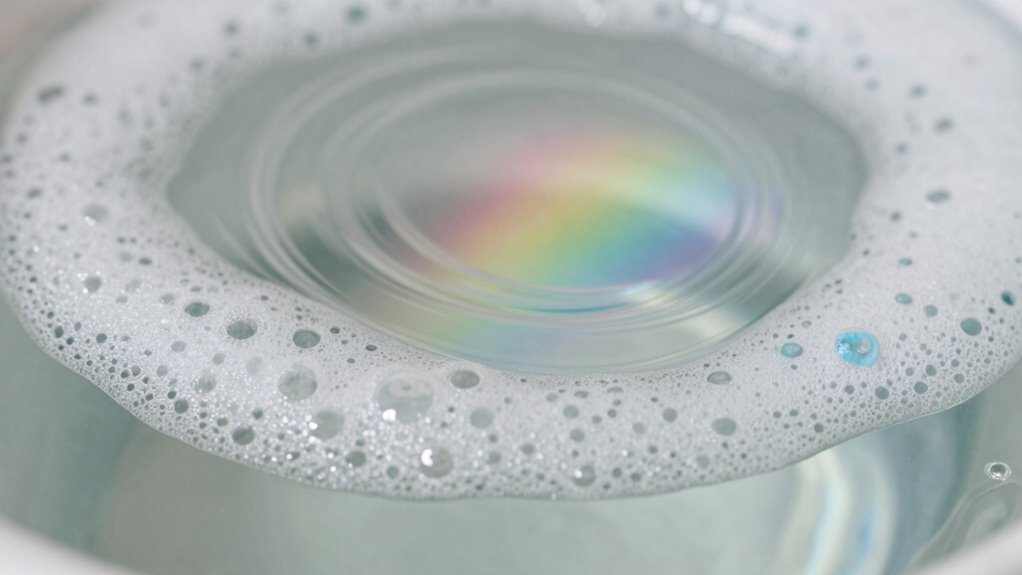

Cleaning effectiveness depends on pH levels, surfactants, and enzymes working together. Surfactants lower surface tension, breaking apart dirt and grease, while enzymes target organic stains, speeding up breakdown. Alkaline cleaners cut through grease, and acidic ones remove mineral deposits. Some cleaners feel “strong” because they produce rapid reactions like bubbling or color changes. Understanding these chemistry basics helps you choose the right product—keep exploring to learn more about making cleaning more efficient and safe.
Key Takeaways
- Surfactants reduce surface tension, breaking apart dirt and grease, which creates a vigorous cleaning action perceived as “strong.”
- Enzymes speed up organic stain breakdown, enhancing cleaning power without harsh scrubbing.
- Alkaline cleaners (high pH) effectively dissolve grease and organic matter, often producing bubbling and a “strong” feeling.
- Acidic cleaners target mineral deposits and rust, with their pH level influencing their strength and surface safety.
- Visual cues like bubbling, foaming, or color changes indicate active chemical reactions, contributing to the perception of a cleaner’s strength.
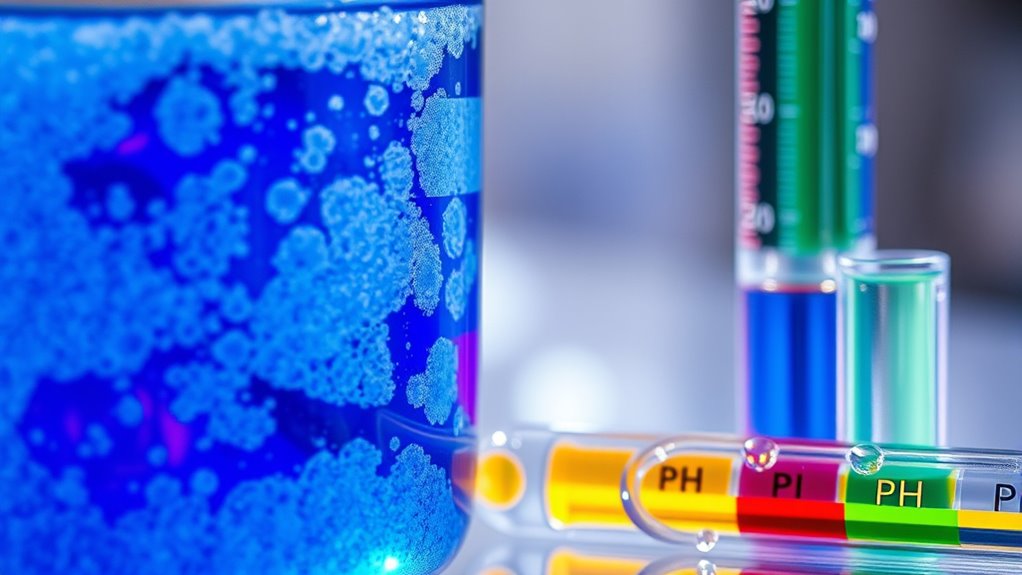
Cleaning chemistry involves understanding how different substances interact to remove dirt, stains, and germs effectively. When you’re choosing a cleaner, it’s important to recognize that many cleaning agents rely on specific chemical reactions to do their job. For example, enzymes are biological catalysts that accelerate the breakdown of stains like food, oils, and protein-based residues. These enzymes exhibit activity by binding to their target molecules and facilitating their conversion into smaller, more soluble compounds, making it easier for water and detergents to wash them away. This process relies on enzyme activity, a precise form of chemical reaction that’s highly effective at tackling stubborn stains without the need for harsh scrubbing or strong chemicals.
Understanding how chemical reactions work in cleaning can help you pick the right products for each task. Many cleaners contain surfactants, which are molecules designed to lower surface tension between water and dirt particles. Surfactants surround grime, breaking it apart and suspending it in water so it can be rinsed away easily. These chemical reactions are fundamental to most cleaning processes because they enable the removal of grease, oils, and dirt that would otherwise cling stubbornly to surfaces. Some cleaners also leverage pH levels to enhance their effectiveness. For instance, alkaline cleaners break down grease and organic matter more efficiently, while acidic cleaners are better suited for removing mineral deposits and rust stains. By understanding the pH of a cleaner, you can determine which surfaces it’s safe for and how it will interact chemically.
The feeling of a cleaner being “strong” isn’t just about its scent or how vigorous it seems; it often relates to the chemical reactions it triggers. For example, many powerful cleaners contain ingredients that produce rapid, vigorous reactions with stains, giving you that sense of immediate action. These reactions might release bubbles, change colors, or create a sense of effervescence, which visually signals that the cleaner is actively working. Additionally, some cleaners create a perception of strength through their pH or the presence of certain surfactants that penetrate tough grime more aggressively. Ultimately, understanding the chemistry behind these reactions helps you choose products wisely, knowing that some cleaners are formulated to produce quick and intense reactions that leave surfaces visibly cleaner and feeling ‘stronger’ in their cleaning power.
Frequently Asked Questions
How Do Ph Levels Affect Cleaning Safety?
Your cleaning safety depends heavily on pH balance. If a cleaner’s pH is too high or low, it can cause skin irritation or damage surfaces, so always check the label for proper use. Maintaining appropriate pH levels guarantees chemical safety, reducing risks of harmful reactions or injuries. Use gloves and ventilation as recommended, and never mix cleaners with different pH levels, which can create dangerous fumes or reactions.
Are More Surfactants Always Better?
Are more surfactants always better? Not necessarily. Think of surfactant types as tools in a toolbox—each suited for different cleaning tasks. Using too many can overwhelm the surface or reduce cleaning efficacy, like too many ingredients spoiling a recipe. Instead, select the right surfactants for the job, balancing cleaning power and safety. Quality over quantity ensures effective cleaning without unnecessary harshness or waste.
Why Do Some Cleaners Have a Strong Smell?
You notice some cleaners have a strong smell because they use fragrance masking or odor neutralization. Fragrance masking covers up bad odors with a pleasant scent, while odor neutralization actually eliminates smells by targeting their source. These methods make cleaning products smell powerful, giving you a sense of freshness and effectiveness. So, the strong smell isn’t just for show; it’s a deliberate feature to enhance your cleaning experience.
How Do Eco-Friendly Cleaners Compare in Strength?
Eco-friendly cleaners generally compare well in strength, especially because they use plant-based ingredients that are effective yet gentle. You might notice they’re biodegradable, addressing concerns about environmental impact. While they may sometimes feel less potent initially, many formulations are designed to match traditional cleaners’ performance. By choosing products with biodegradable ingredients, you get effective cleaning without sacrificing safety or sustainability, making them a smart choice for eco-conscious users.
Can Ph Affect Surface Damage During Cleaning?
Did you know that using an unbalanced pH cleaner can increase surface corrosion by up to 50%? Yes, pH balance directly affects surface damage during cleaning. Acidic cleaners can etch or corrode sensitive surfaces, while alkaline cleaners might weaken plastics or coatings. To prevent surface damage, always check the pH level of your cleaner and choose one appropriate for the material you’re treating. Proper pH management keeps surfaces safe and intact.
Conclusion
Now that you understand the science behind cleaning, you realize that what feels strong isn’t always harsh. Sometimes, a gentle pH or a simple surfactant can do more than a chemical-laden cleaner. The next time you reach for a bottle, remember it’s not about the force but the chemistry. Clean smart, not just hard—because true strength lies in knowledge, not just the feeling of power.