When your breaker trips, it’s telling you there’s an overload or fault in your electrical system. This usually happens if you plug in too many devices on one circuit, use faulty appliances, or have outdated wiring that can’t handle the current. The breaker trips to protect your wiring from overheating or fires. To keep things safe, it’s important to understand what causes these trips and how to prevent them. Keep exploring to learn more about fixing the issue.

Get books, candles and calm essentials delivered free — and shop member deals
- Fast, free delivery on millions of items
- Access to Prime Big Deal Days deals on October 6–7
- Prime Video, Amazon Music and more included
Key Takeaways
- Breakers trip to prevent overheating and fires caused by electrical overloads from excessive demand.
- Overloaded circuits often result from faulty wiring, improper design, or multiple high-power devices on one circuit.
- Faulty appliances or new devices can draw excessive current, triggering breaker trips.
- Regular system checks, spreading high-demand devices, and upgrading outdated wiring reduce overload risks.
- Professional electrician assessments ensure proper circuit design, wiring safety, and prevent frequent breaker trips.
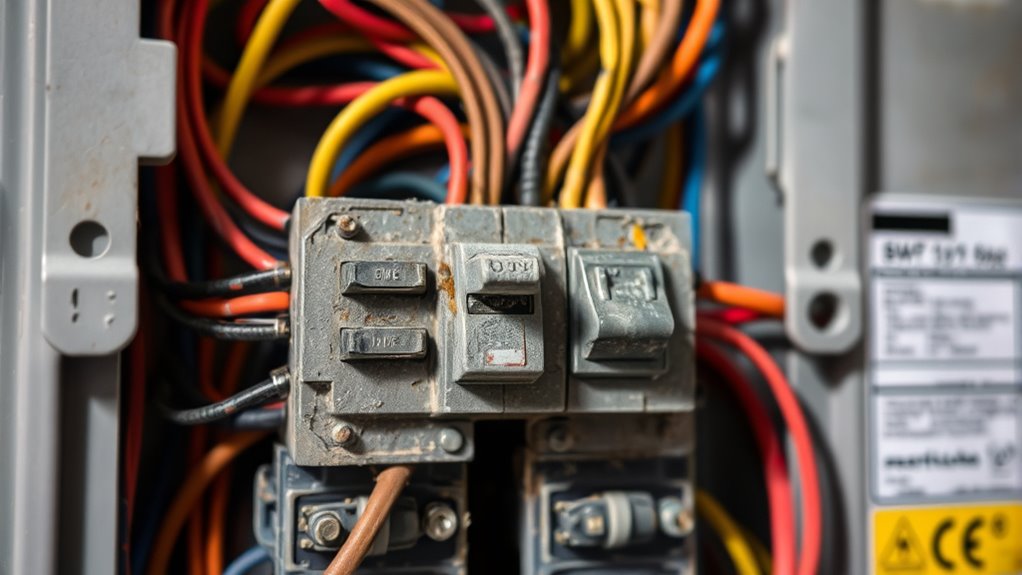
When a breaker trips due to overload, it’s a clear sign that your electrical system is under too much stress. This protection mechanism kicks in to prevent wires from overheating and potentially causing fires or other hazards. To understand why this happens, you need to look at how your electrical panel is wired and how circuits are designed. Proper circuit design ensures that electrical loads are balanced and that no single circuit carries more current than it can handle. If the wiring is outdated or improperly configured, it increases the likelihood of overloads, prompting the breaker to trip frequently. Knowing your home’s electrical demands and matching them with appropriately rated breakers is essential for maintaining safety and system reliability.
As you consider why your breaker keeps tripping, remember that safety protocols are in place for your protection. These protocols include not bypassing or disabling tripping mechanisms, because they serve as critical safeguards. When a breaker trips, it’s a clear signal that something isn’t right—be it an overload caused by too many devices running simultaneously or a fault in the wiring. Ignoring these signs can lead to dangerous situations, like electrical fires or damage to appliances. Instead, you should investigate the cause of the overload carefully. Check if you’ve recently added new appliances or if certain devices are drawing more current than usual. Sometimes, a single faulty appliance can cause an overload, prompting the breaker to trip repeatedly.
Implementing proper circuit design and adhering to safety protocols can help prevent frequent trips. This means spreading out high-power devices across different circuits, avoiding overloading one circuit with multiple appliances, and making sure your wiring is up to code. If your breaker keeps tripping, it might also indicate that the breaker itself is faulty or that the wiring has deteriorated. In such cases, consulting a qualified electrician is essential. They can evaluate your system, verify that your circuits are correctly designed, and ensure all safety protocols are followed. Upgrading outdated wiring or installing additional circuits can help distribute electrical loads more evenly, reducing the chances of overloads and trips.
Additionally, incorporating home electrical system improvements and regular inspections can help identify potential overload issues before they cause trips, ensuring ongoing safety and reliability.
circuit breaker overload protection
As an affiliate, we earn on qualifying purchases.
As an affiliate, we earn on qualifying purchases.
Frequently Asked Questions
How Can I Prevent Circuit Breakers From Tripping Frequently?
To prevent circuit breakers from tripping frequently, you should install surge protection devices to guard against power spikes. Regular breaker maintenance helps identify wear and tear early, ensuring your panel functions smoothly. Avoid overloading circuits by spreading out your appliances and using properly rated breakers. Additionally, check for faulty wiring or damaged outlets, and address issues promptly to maintain a safe and reliable electrical system.
What Are the Signs of a Faulty Breaker?
You’ll notice signs of a faulty breaker if it trips frequently, feels warm or hot to the touch, or shows visible signs of damage like burn marks or corrosion. Regular breaker maintenance and electrical inspections help catch these issues early. If your breaker exhibits any of these signs, it’s time to replace or repair it to prevent electrical hazards and guarantee your system runs smoothly.
Can Overloaded Circuits Cause Permanent Electrical Damage?
Yes, overloaded circuits can cause permanent electrical damage. When you overload a circuit, it generates excessive heat that can damage wiring and components, increasing electrical fire hazards. To prevent this, practice circuit overload prevention by avoiding plugging too many devices into one outlet, and have a professional inspect your electrical system regularly. Addressing overloads promptly helps protect your home from costly repairs and safety risks.
When Should I Replace a Circuit Breaker?
Ever wonder if it’s time for a new circuit breaker? You should replace it if it trips frequently, shows signs of damage, or has reached its expected lifespan, typically 30-40 years. Regular maintenance and inspections help identify wear or deterioration early. Don’t ignore persistent issues—timely replacement guarantees safety and prevents electrical failures. Staying on top of your maintenance schedule keeps your system running smoothly and safely.
Are There Safety Risks in Resetting a Tripped Breaker?
Resetting a tripped breaker can pose safety risks if there’s a ground fault or arc flash. You might expose yourself to electrical shock or fire hazards if the issue isn’t properly diagnosed. Before resetting, turn off appliances, inspect for damage, and guarantee no water or debris is present. If unsure, it’s best to consult a professional to avoid potential injuries or further damage to your electrical system.
electrical panel circuit breaker
As an affiliate, we earn on qualifying purchases.
As an affiliate, we earn on qualifying purchases.
Conclusion
Understanding why breakers trip helps you catch overloads before they cause damage. While many think it’s just about too many devices drawing power, sometimes it’s a sign of underlying wiring issues or faulty breakers. Investigating these causes confirms that overloads are often a warning, not just a nuisance. By paying attention to your panel’s signals, you protect your home and avoid costly repairs. Stay vigilant—your breaker’s trip might be telling you more than you think.
As an affiliate, we earn on qualifying purchases.
home electrical safety inspection
As an affiliate, we earn on qualifying purchases.
As an affiliate, we earn on qualifying purchases.
Fall Picks
fall essentials
As an affiliate, we earn on qualifying purchases.