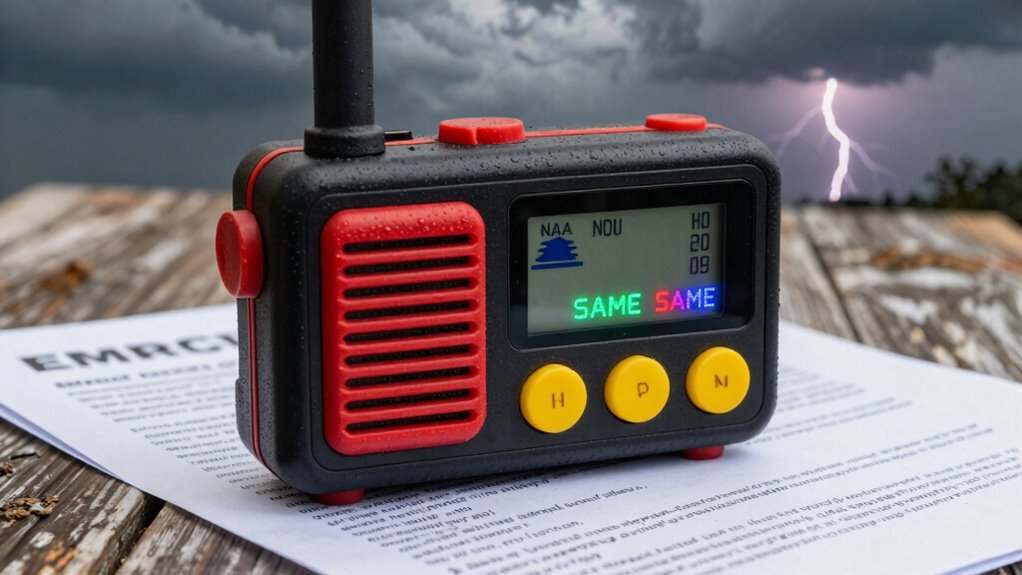
An emergency radio helps you stay informed during severe weather or disasters by receiving NOAA alerts and decoding SAME codes, which specify alert types and locations. These radios often automatically alert you to important warnings, so you know what to expect and how to respond quickly. Proper setup and understanding of alert tones guarantee you won’t miss critical updates. If you want to learn more about how to make the most of your emergency radio, there’s more to discover here.
Key Takeaways
- NOAA alerts broadcast weather warnings and emergencies, which can be received automatically by compatible radios.
- SAME codes specify alert types and geographic areas, allowing for targeted notifications and filtering.
- Emergency radios often have alert tone features that activate during severe weather or disaster warnings.
- Setting up and understanding alert preferences ensures you receive relevant notifications without unnecessary interruptions.
- Regular testing and proper antenna placement improve signal reception and ensure reliable alert delivery during emergencies.
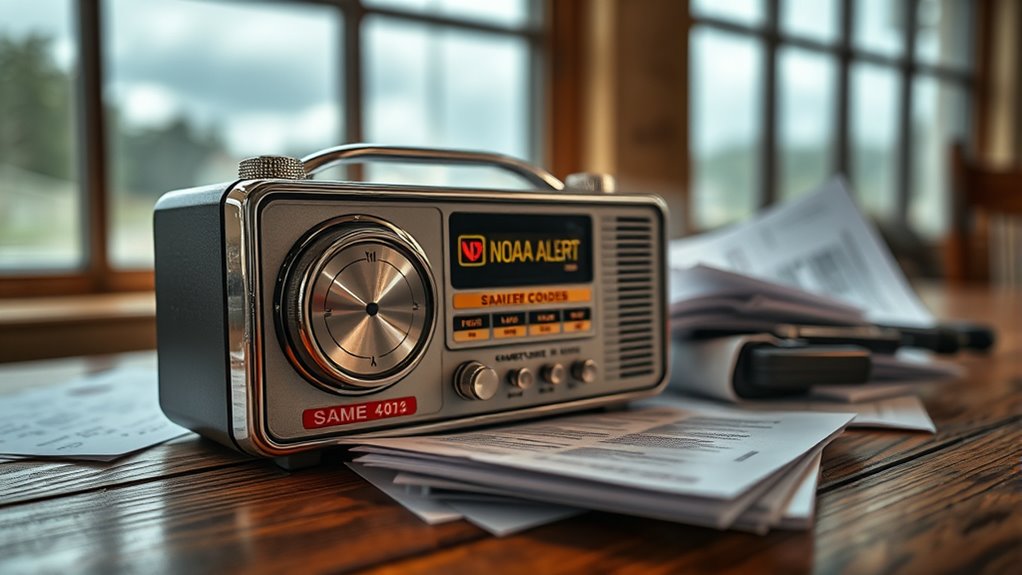
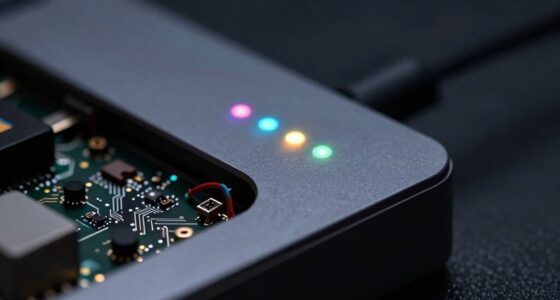
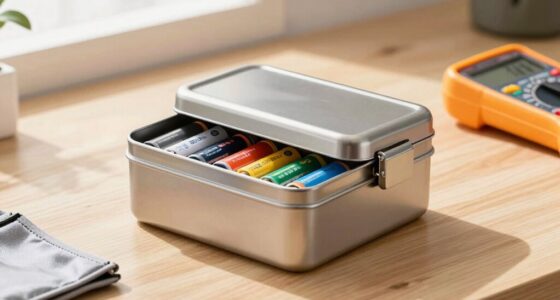
During an emergency, having a reliable radio can be a lifesaver. It keeps you informed about weather threats, disaster updates, and official alerts from authorities. To guarantee your radio performs when you need it most, proper battery maintenance is essential. Regularly check and replace batteries to avoid unexpected power loss. Keep spare batteries in a safe, accessible spot, and consider rechargeable options if you have a way to recharge them during an outage. This way, your radio remains operational at all times, especially when the power grid is down. Additionally, understanding signal reception is critical. Your radio’s ability to pick up NOAA alerts depends on its location and the quality of its antenna. Avoid placing the radio in areas with thick walls or electronic interference, as these can weaken signals. Elevate it if possible, and ensure it’s fully charged or has fresh batteries to maximize reception. When tuning in, move around a little to find the best spot with clear reception, especially during severe weather events when signals might be weak or congested. Proper antenna placement can significantly improve your reception quality during emergencies.
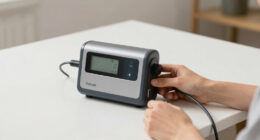
Being familiar with NOAA alerts and SAME (Specific Area Message Encoding) codes enhances your preparedness. NOAA alerts are broadcast warnings about severe weather, natural disasters, or other emergencies, giving you vital information in real time. Your radio should be capable of receiving these alerts automatically, alerting you with a tone or message. SAME codes specify the alert type and geographic area, allowing you to filter alerts relevant to your location. Setting your radio to receive only pertinent messages minimizes unnecessary interruptions and ensures you focus on what matters most. When you hear an alert, pay close attention to the details. The tone or message will often include the type of emergency and the affected area, so you can decide on the appropriate response quickly.
Expect your emergency radio to be an essential link during crises. It’s not just about turning it on; it’s about maintaining it and understanding how it works. Keep your device in good working order, check batteries regularly, and test its signal reception. Familiarize yourself with the alert system and adjust settings to receive only relevant warnings. When an emergency strikes, you’ll appreciate the peace of mind that comes from knowing you’re connected to the latest updates and instructions. Your preparedness depends on these simple but critical steps, ensuring your radio remains a dependable tool when you need it most.

Midland – WR120B – NOAA Emergency Weather Alert Radio – Localized Programming, Trilingual Display, 60+ Emergency Alerts, Alarm, Selectable Alert Tone
NOAA Weather Scan & Alert – This emergency weather alert radio features S.A.M.E localized programming and alert you…
As an affiliate, we earn on qualifying purchases.
As an affiliate, we earn on qualifying purchases.
Frequently Asked Questions
How Do I Program My Emergency Radio for Local Alerts?
To program your emergency radio for local alerts, start by accessing the radio’s menu or settings. Use the buttons to enter the radio programming mode, then select alert customization options. You’ll want to activate NOAA alerts for your area and set your preferred alert types. Make certain to save your settings before exiting. This guarantees your radio will alert you promptly for local emergencies, keeping you prepared at all times.
Can Emergency Radios Pick up Alerts From Neighboring States?
Yes, your emergency radio can pick up alerts from neighboring states, extending your safety net like a lighthouse guiding ships through fog. With cross-state reception, regional alert coverage guarantees you’re not left in the dark during crises that cross borders. Keep your radio tuned and programmed correctly, and you’ll be alerted to important alerts from nearby regions, giving you peace of mind knowing you’re connected to the bigger picture of emergency communication.
What Should I Do if I Miss an Emergency Alert?
If you miss an emergency alert, don’t panic. Check your emergency radio or local news sources for updates. You can also enable alert recovery features on your device to catch future alerts. Stay vigilant and stay informed through multiple channels. Remember, missed alerts can be recovered by reviewing broadcasts later or using alert archives online, ensuring you stay aware of important safety information even if you initially miss an alert.
Are There Different Types of NOAA Weather Radios?
Yes, there are different types of NOAA weather radios. Some models feature alert broadcast types like tone alerts, voice alerts, or both, which notify you of emergencies effectively. You can choose radios with features like SAME technology for specific alerts or ones with portable, tabletop, or desk designs. These options help you stay informed and prepared, ensuring you get timely alerts tailored to your needs and preferences.
How Often Should I Test My Emergency Radio?
You should test your emergency radio at least once a month to verify it’s working properly. During testing, check the battery maintenance and replace batteries if needed to keep the signal range clear. Regular testing helps you confirm that alerts come through loud and clear, especially during emergencies. Don’t forget to keep the radio in a central, accessible place for quick use when needed.
Midland – WR120B – NOAA Emergency Weather Alert Radio – Localized Programming, Trilingual Display, 60+ Emergency Alerts, Alarm, Selectable Alert Tone
NOAA Weather Scan & Alert – This emergency weather alert radio features S.A.M.E localized programming and alert you…
As an affiliate, we earn on qualifying purchases.
As an affiliate, we earn on qualifying purchases.
Conclusion
Staying informed with your emergency radio keeps you prepared when it matters most. Remember, it’s better to be safe than sorry—think of your radio as a trusty lighthouse guiding you through the storm. By understanding NOAA alerts, same codes, and what to expect, you’re equipping yourself with essential knowledge. Keep your device ready, stay alert, and you’ll navigate emergencies with confidence. After all, an ounce of prevention is worth a pound of cure.

FosPower NOAA Emergency Weather Radio A1 7400mWh Portable Power Bank, AM/FM, USB/Solar/Hand Crank Charging, Battery Operated, SOS Alarm & Flashlight for Indoor/Outdoor Emergency – Orange
[7400mWh (2000mAh) POWER BANK WILL KEEP DEVICES POWERED] The FosPower FOSPWB-2376 emergency radio incorporates a 7400mWh (2000mAh) power…
As an affiliate, we earn on qualifying purchases.
As an affiliate, we earn on qualifying purchases.
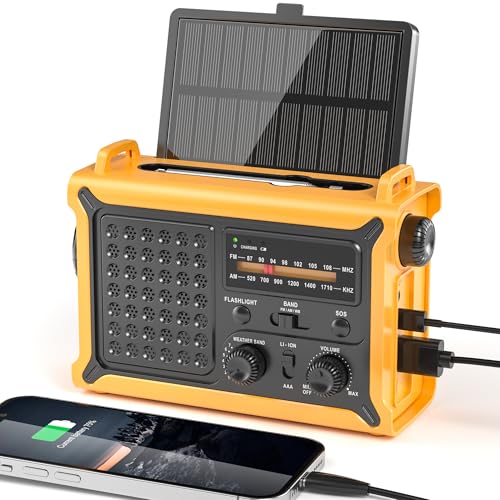
Weather Radios Portable AM FM NOAA Alert with Battery Backup 12000mAh 44400mWh, Fast Solar Power, Emergency Radio Hand Crank Flashlight, Reading Lamp SOS for Home Outdoor Camping
【Reliable 𝗡𝗢𝗔𝗔/𝗔𝗠/𝗙𝗠 Reception with Clear Sound】With a high-sensitivity signal chip, noise-reduction circuitry, and an extended antenna, the radio…
As an affiliate, we earn on qualifying purchases.
As an affiliate, we earn on qualifying purchases.