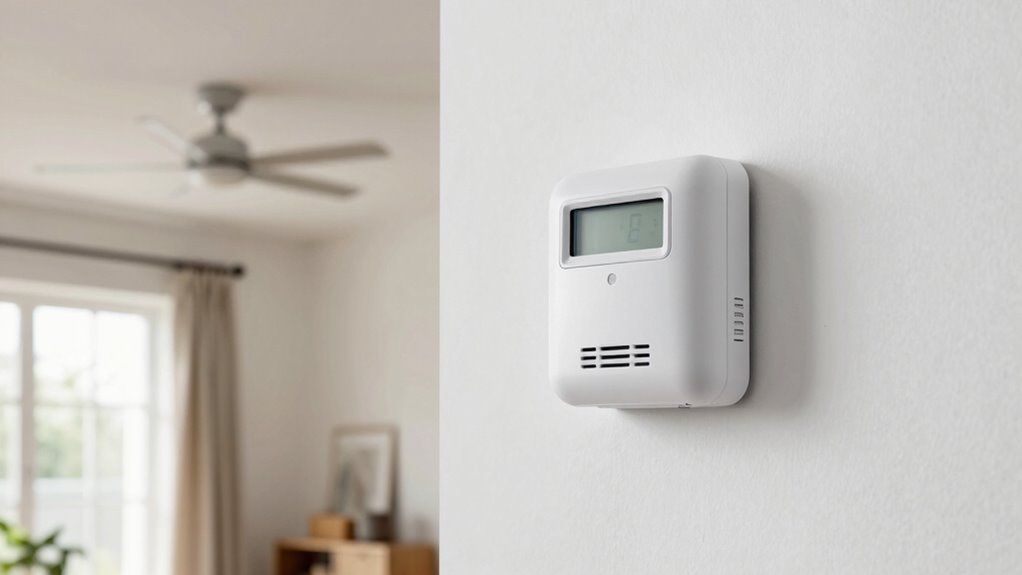

To guarantee real protection, place your carbon monoxide alarm on every home level, especially near bedrooms and hallways. Keep alarms within 10 to 15 feet of sleeping areas and avoid installing them near fuel-burning appliances or humid areas like bathrooms. Proper placement ensures quick detection and alerts everyone promptly. Following these guidelines helps keep your household safe. If you want to learn more about the best placement practices, keep exploring the details below.
Open a free Amazon Business account
Business pricing, bulk buying and tax-exempt orders.
As an affiliate, we earn on qualifying purchases.
Key Takeaways
- Install alarms on every home level, especially near bedrooms and in hallways for quick detection.
- Place alarms 10-15 feet from sleeping areas to ensure timely alerts during sleep.
- Avoid installing alarms next to fuel-burning appliances or in humid areas like bathrooms.
- Mount alarms on the wall or ceiling, following manufacturer instructions for optimal placement.
- Test alarms monthly and replace batteries or units as needed to maintain reliable protection.
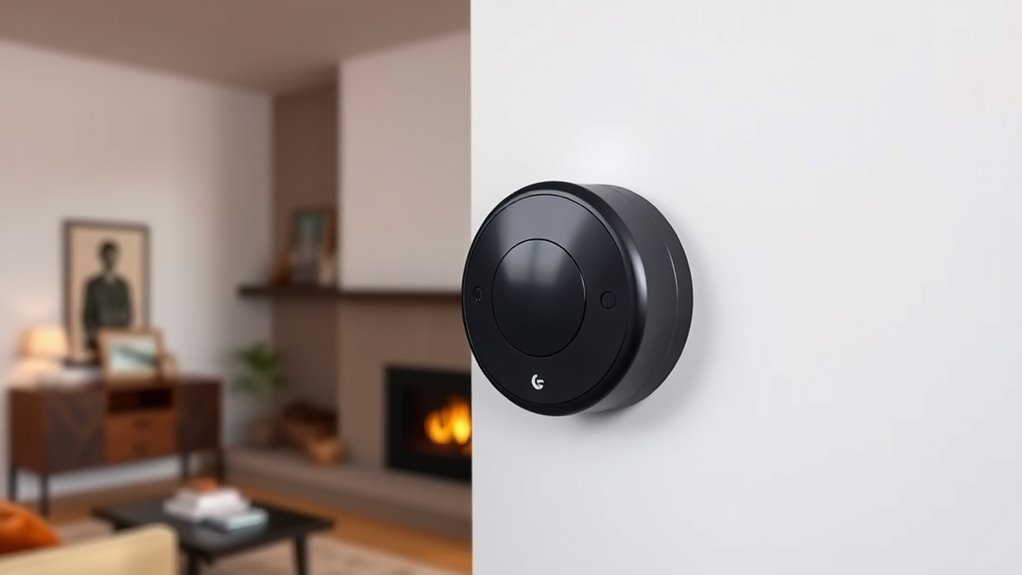
Proper placement of carbon monoxide alarms is essential for guaranteeing your family’s safety. When you install these devices correctly, you markedly reduce the risk of unnoticed CO buildup, helping to protect everyone in your household. The key to effective household safety lies not only in having alarms but also in knowing where to position them and how to maintain them properly. Without proper placement, alarms might not detect dangerous CO levels promptly, which could lead to serious health risks or even fatalities. That’s why understanding the best locations for your alarms is fundamental for thorough safety coverage.
You should place your carbon monoxide alarms on every level of your home, especially near sleeping areas. Since CO is an odorless, invisible gas, alarms need to be positioned where they can quickly alert everyone if there’s a problem. For bedrooms, install alarms within 10 to 15 feet of each sleeping area, ensuring that the sound can be heard clearly throughout the night. Avoid placing alarms directly next to fuel-burning appliances or in humid areas like bathrooms, as moisture can interfere with their operation. Instead, position them in common areas such as hallways or living rooms, where they can monitor the entire floor effectively. Additionally, understanding aviation regulations can help ensure you follow safety standards for alarm installation and maintenance.
Place CO alarms on each level, near sleeping areas, and in common spaces for optimal safety.
In terms of alarm maintenance, regular testing is essential. You should test your alarms monthly to confirm they’re functioning correctly. Most alarms have a dedicated test button—press it and listen for the alarm’s alert sound. If it doesn’t sound or if the alarm’s battery indicator flashes, replace the batteries immediately or consider replacing the entire unit if it’s outdated. Battery replacement should be done at least once a year, and some alarms come with sealed, long-life batteries that last up to a decade. Also, keep your alarms clean and free of dust or debris that could hinder their sensors. Remember, alarms are only effective if they’re in good working condition, so schedule routine inspections and maintenance.
Lastly, adhere to the manufacturer’s instructions for placement and maintenance to guarantee maximum performance. Proper alarm placement and diligent alarm maintenance work hand-in-hand to keep your household safe from carbon monoxide dangers. When you follow these guidelines, you create a safer environment where your family can sleep peacefully, knowing that your alarms are ready to alert you at the first sign of trouble. Investing a little time in correct placement and regular upkeep is a small effort that pays off greatly in protecting your loved ones from silent, deadly CO leaks.
carbon monoxide alarm with digital display
As an affiliate, we earn on qualifying purchases.
As an affiliate, we earn on qualifying purchases.
Frequently Asked Questions
How Often Should I Test My Carbon Monoxide Alarm?
You should test your carbon monoxide alarm once a month to verify alarm maintenance is up to date. Regular testing helps confirm the device’s functionality, especially if you’ve recently moved it or had new batteries installed. Proper alarm placement makes testing easier and more effective. Remember, maintaining your alarm with monthly tests and timely battery changes is key to reliable protection against CO dangers.
Can I Install a CO Alarm Outside My Home?
Yes, you can install a CO alarm outdoors, but guarantee it’s in a protected area away from direct weather exposure. Outdoor placement improves alarm visibility and helps detect carbon monoxide leaks near potential sources like generators or grills. Make sure the alarm is mounted securely, at the correct height, and within reach for testing and maintenance. Proper outdoor installation ensures reliable detection and enhances your home’s safety.
What Type of Carbon Monoxide Alarm Is Best?
A dual-sensor carbon monoxide alarm is your best bet, offering unmatched detection like a vigilant watchdog. When choosing alarm types, opt for one with battery backup and digital display for easy monitoring. Proper alarm placement ensures maximum protection, so install it on every level, especially near bedrooms and fuel-burning appliances. This way, you catch CO leaks early, safeguarding your home and loved ones from silent dangers lurking in the shadows.
Do Batteries Need Replacing in CO Alarms?
Yes, you need to replace batteries in your CO alarm regularly. Proper CO alarm maintenance includes checking batteries and replacing them when the low-battery alert sounds or at least once a year. Keep in mind the battery life expectancy, typically around one year for standard batteries. This guarantees your alarm functions properly, providing reliable protection against carbon monoxide hazards. Don’t forget to test your alarm monthly for maximum safety.
Are Interconnected CO Alarms More Effective?
Absolutely, interconnected CO alarms create a compelling collision of coordination and coverage. Their interconnected benefits allow alarms to synchronize, sounding simultaneously and swiftly alerting you to danger. This alarm synchronization ensures no warning goes unheard, especially in larger homes or multiple rooms. By linking alarms, you increase safety, ensuring every corner is covered and every breath is protected. You’ll sleep soundly knowing that interconnected alarms keep you and your loved ones safe and sound.
best placement carbon monoxide detector
As an affiliate, we earn on qualifying purchases.
As an affiliate, we earn on qualifying purchases.
Conclusion
To guarantee real protection, place your carbon monoxide alarm near sleeping areas and on every level of your home. Some believe placing them outside bedrooms is enough, but studies show CO can linger in different areas, so more alarms are smarter. Trust the experts—proper placement can truly save lives. Don’t rely on myths; prioritize safety by installing alarms correctly, and stay vigilant. Your family’s safety depends on it, so take action now for peace of mind.
hardwired smoke and CO detector combo
As an affiliate, we earn on qualifying purchases.
As an affiliate, we earn on qualifying purchases.
long-life battery carbon monoxide alarm
As an affiliate, we earn on qualifying purchases.
As an affiliate, we earn on qualifying purchases.
Back to school Picks
back to school
As an affiliate, we earn on qualifying purchases.