Circadian lighting helps your body stay in sync with natural day-night cycles by adjusting artificial light to match sunlight patterns. It brightens spaces with blue-enriched light during the day to boost alertness and soft, warm tones in the evening to signal winding down. This supports your internal clock, improving sleep, mood, and overall well-being. To learn more about how it works and how to incorporate it, keep exploring the details.
Key Takeaways
- Circadian lighting mimics natural light patterns to regulate sleep-wake cycles and enhance well-being.
- It adjusts brightness and color temperature throughout the day to support the body’s internal clock.
- Exposure to proper lighting influences hormone production like melatonin and serotonin, affecting mood and sleep.
- Artificial circadian lighting can be designed with adjustable, daylight-mimicking fixtures to optimize health.
- Future advancements include AI-driven systems that personalize lighting based on individual circadian needs.
What Is Circadian Lighting?

Have you ever wondered how light affects your body’s internal clock? Circadian lighting is designed to mimic natural light patterns, helping regulate your sleep-wake cycle. It adjusts the intensity and color temperature of artificial lighting throughout the day, aligning with your body’s natural rhythms. During the day, it emits brighter, blue-enriched light to boost alertness and productivity. As evening approaches, it shifts to softer, warmer tones to signal your body to wind down. This dynamic lighting aims to improve your overall well-being by supporting your circadian rhythm, which influences sleep quality, mood, and energy levels. Fundamentally, circadian lighting creates a healthy lighting environment that works with your body’s internal clock, rather than against it. Additionally, incorporating light spectrum management can further enhance the effectiveness of circadian lighting in promoting better health and energy optimization. Understanding circadian rhythms can help you tailor lighting solutions more effectively to your lifestyle, especially when considering light exposure timing to align with natural patterns.
How Does Natural Light Influence Our Body?
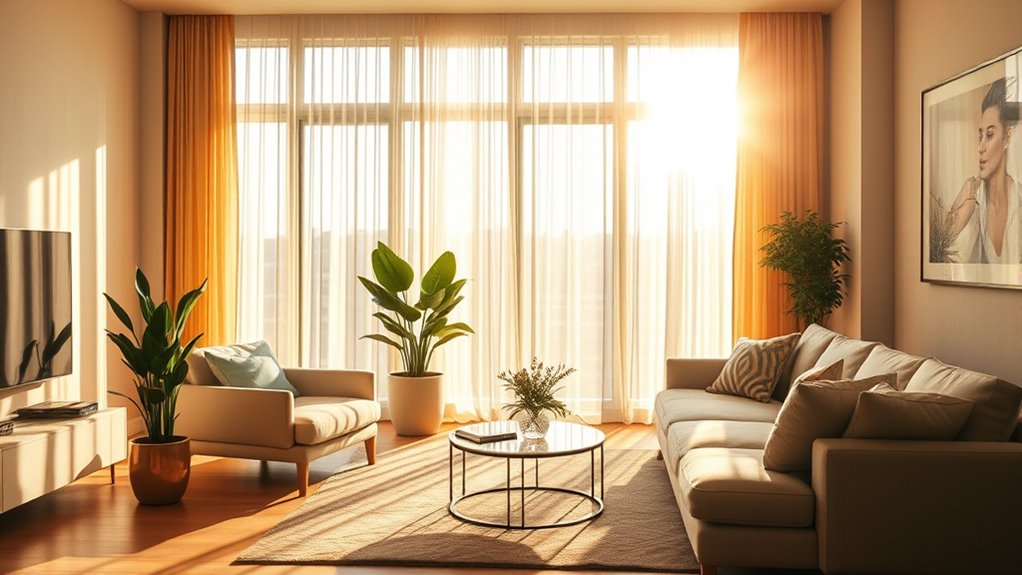
Natural light plays a key role in regulating your hormones, helping you feel alert and balanced throughout the day. When your body detects sunlight, it influences your mood, energy levels,, and overall well-being. Understanding this connection can help you optimize your exposure for better health and daily performance. Additionally, exposure to natural light can support your circadian rhythms, much like features in Feature Buddies that help maintain system harmony. Proper light exposure can also reduce the risk of disrupted sleep patterns, which are common in environments with limited natural light. Ensuring adequate exposure to outdoor sunlight can further enhance melatonin production, essential for healthy sleep cycles. Recognizing the importance of vintage lighting can also contribute to creating a balanced and inviting environment that promotes well-being. In fact, private equity trends show that increasing awareness of environmental factors can significantly impact overall health and productivity.
Hormonal Regulation Effects
Exposure to natural light plays an essential role in regulating your body’s hormonal balance. When you’re exposed to sunlight, it triggers the production of hormones like serotonin, which boosts your mood and alertness during the day. Natural light also suppresses melatonin, the hormone responsible for sleep, helping you stay awake and alert. As daylight fades, melatonin levels rise, signaling your body to prepare for rest. Additionally, light exposure influences the production of other hormones involved in metabolism and immune function, supporting overall health. Consistent exposure to natural light helps maintain a healthy circadian rhythm, ensuring your hormones stay in sync with the day-night cycle. Proper natural light exposure supports your overall hormonal health and well-being. Circadian rhythm regulation is crucial for maintaining hormonal balance and overall health. Additionally, maintaining a healthy sleep-wake cycle is vital for hormonal harmony and optimal functioning of your body’s biological processes. Regular exposure to natural light can also positively impact hormonal regulation, further promoting overall wellness.
Mood and Alertness
When your body receives adequate light during the day, it directly influences your mood and level of alertness. Natural light boosts the production of serotonin, a hormone that helps you feel happier and more focused. Bright, natural light also helps regulate your circadian rhythm, making it easier to wake up refreshed and stay alert throughout the day. Without enough exposure to daylight, you might feel sluggish, irritable, or less motivated. Additionally, the internal clock relies on natural light cues to synchronize your body’s functions. Conversely, spending time outside or near windows improves your mental clarity and emotional well-being. Your body relies on natural light cues to synchronize your internal clock, which in turn affects your energy levels and mood. In essence, natural light acts as a powerful mood enhancer and alertness booster. Creating calm and organized homes can be supported by thoughtful lighting strategies that maximize natural light exposure.
The Science Behind Circadian Rhythms
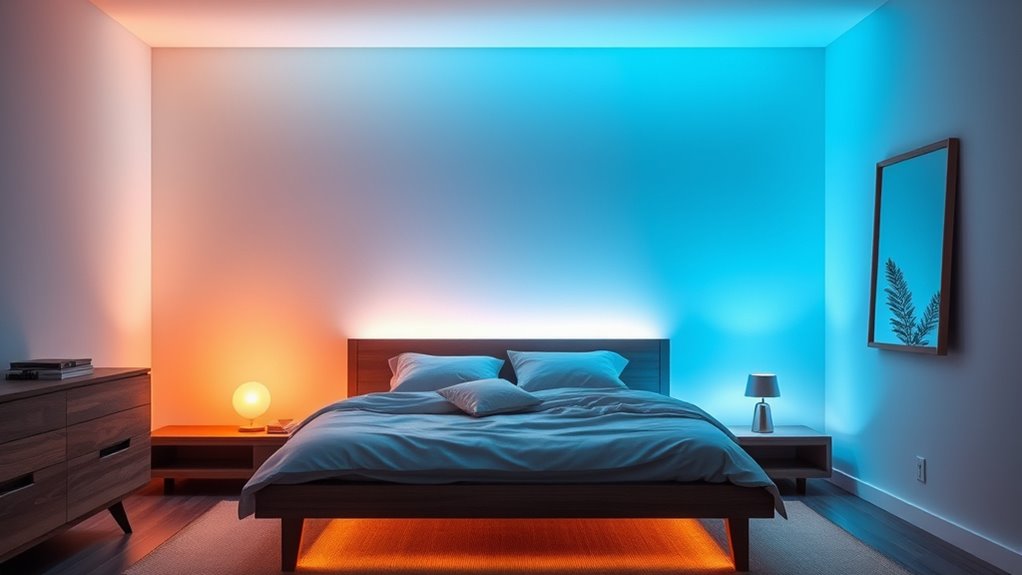
Your body’s internal clock, known as the biological clock, keeps your sleep-wake cycle in sync with the environment. Light exposure directly affects melatonin production, which helps regulate your sleep and alertness. Understanding how the day-night cycle influences these processes is key to optimizing your circadian rhythms. Techno Capture offers insights into how light manipulation can enhance your natural rhythms for better health. Additionally, the Gold IRA Markets provide resources and strategies to ensure your investments align with your long-term financial health. Recognizing the importance of light exposure and its impact on biological processes can help you make informed choices for maintaining optimal health. Proper light management is essential for supporting your circadian health and overall well-being.
Biological Clock Regulation
The biological clock, also known as the circadian rhythm, is a natural internal process that regulates your sleep-wake cycle over a 24-hour period. It’s governed by a group of cells in your brain called the suprachiasmatic nucleus (SCN), which acts as your master clock. The SCN receives signals from your eyes, helping it synchronize your internal processes with external cues like daylight and darkness. This coordination influences hormone production, body temperature, and alertness levels throughout the day. By adjusting these signals, your body maintains a consistent rhythm, ensuring you feel alert during the day and sleepy at night. Proper regulation of your biological clock is essential for overall health, mood, and cognitive function. Additionally, understanding energy distribution technology can help optimize how we support these natural rhythms through lighting and environmental controls. Recognizing the role of circadian lighting can further enhance the synchronization of your internal clock with your environment, promoting better health and productivity. Maintaining consistent light exposure patterns is crucial for supporting healthy circadian rhythms and overall well-being.
Light’s Impact on Melatonin
Have you ever wondered how light influences your sleep? It all comes down to melatonin, the hormone that signals your body it’s time to rest. When exposure to bright light, especially blue wavelengths, occurs in the evening, it suppresses melatonin production, making it harder to fall asleep. Conversely, as darkness falls, melatonin levels rise, preparing you for sleep. Here’s what you should know:
- Bright screens before bed can delay melatonin release.
- Natural darkness helps your body produce more melatonin.
- Reduced melatonin can lead to difficulty falling asleep.
- Proper lighting can support your circadian rhythm and improve sleep quality.
Understanding this connection helps you make better lighting choices to sync your body’s internal clock.
Day-Night Cycle Synchronization
Our bodies are governed by an internal clock known as the circadian rhythm, which aligns biological processes with the natural light-dark cycle. This synchronization helps regulate sleep, hormone production, and metabolism. During the day, exposure to natural light signals your brain to stay alert and active. As evening approaches, decreasing light levels trigger the production of melatonin, preparing your body for sleep. Disruptions to this cycle, like irregular sleeping patterns or artificial lighting at night, can throw off your internal clock. This misalignment may lead to sleep problems, decreased alertness, and health issues over time. To keep your circadian rhythm in sync, aim for consistent sleep schedules and maximize daytime light exposure while minimizing artificial light at night. Proper synchronization helps you feel more rested and maintains overall well-being.
How Artificial Lighting Can Support Your Internal Clock
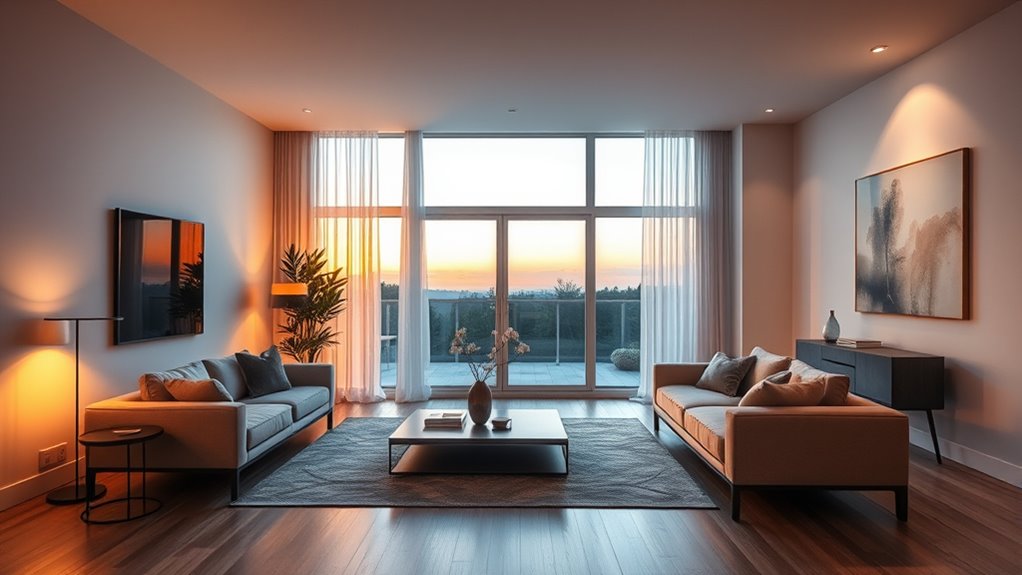
Artificial lighting plays a crucial role in aligning your daily routines with your internal clock, especially when natural light is limited. By adjusting light exposure, you can signal your body when to wake, stay alert, or wind down. Using smart lighting systems or lamps that mimic natural sunlight helps reinforce your circadian rhythm. For example, you can:
Adjust your artificial lighting to reinforce your circadian rhythm and support better sleep and alertness.
- Increase brightness in the morning to boost alertness
- Use warmer tones in the evening to promote relaxation
- Dim lights gradually at night to prepare for sleep
- Avoid blue light before bedtime to reduce disruption
These strategies make artificial lighting work for your internal clock, helping you maintain a consistent sleep-wake cycle and improve overall well-being. Proper lighting ensures your body’s rhythm stays in sync, even on cloudy days or in indoor environments.
Benefits of Circadian Lighting for Health and Well-Being
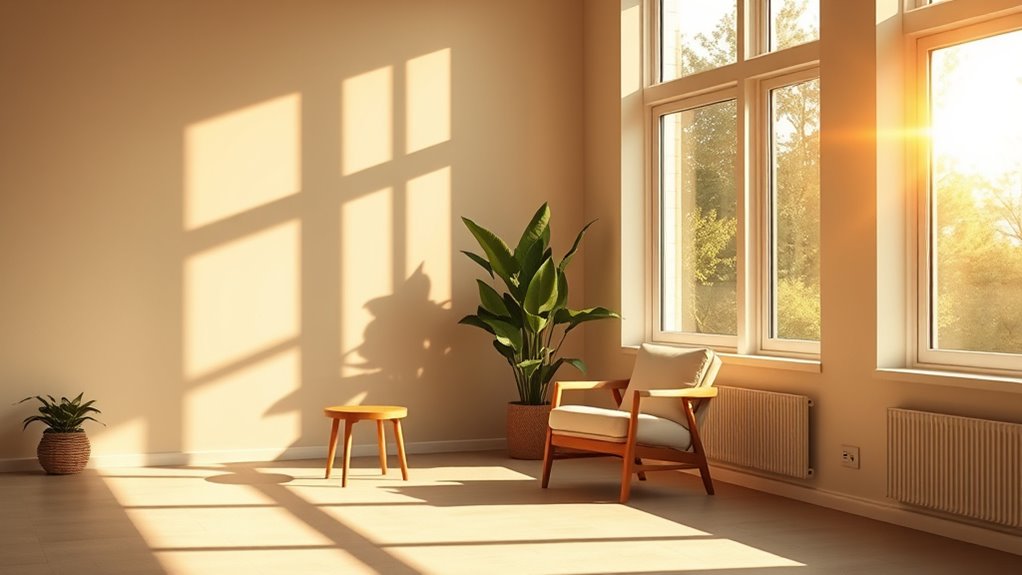
Adjusting your lighting environment to support your circadian rhythm offers tangible health benefits. When your lighting mimics natural daylight patterns, you can experience improved sleep quality, which boosts your overall mood and energy levels during the day. Proper lighting helps regulate hormones like melatonin and cortisol, reducing stress and enhancing your immune response. It also decreases the risk of chronic conditions such as depression, obesity, and cardiovascular disease. By aligning your indoor lighting with your body’s internal clock, you promote better focus, productivity, and mental clarity. Over time, these benefits contribute to a healthier, more balanced lifestyle. Embracing circadian lighting empowers you to optimize your daily well-being, making a significant impact on your long-term health.
Designing Spaces With Circadian Lighting in Mind

Designing spaces with circadian lighting in mind requires thoughtful placement and selection of light sources to mimic natural daylight patterns. You want your environment to support your body’s internal clock, so consider how light interacts with the space throughout the day. Use adjustable lighting to *shift* from bright, blue-enriched light in the morning to warmer, dimmer tones in the evening. Incorporate windows or skylights to maximize natural sunlight exposure. Think about the following:
- Position light sources to avoid glare and shadows
- Use dimmable fixtures for flexibility
- Incorporate task lighting for specific activities
- Choose light colors that align with circadian rhythms
Future Trends and Innovations in Circadian Lighting

As technology advances, circadian lighting is poised to become more intelligent and personalized, seamlessly adapting to your daily routines. Expect lighting systems to incorporate AI and smart sensors that learn your habits, adjusting brightness and color temperature in real-time. Future innovations may include integration with wearable devices, allowing your environment to respond to your sleep patterns and activity levels automatically. Dynamic lighting could also become more energy-efficient, reducing waste while enhancing your well-being. Manufacturers will likely develop more user-friendly controls, making customization simple and intuitive. As a result, circadian lighting will evolve from static fixtures to adaptive systems that optimize your mood, productivity, and health effortlessly, making your space more responsive and tailored to your unique biological needs.
Frequently Asked Questions
How Do I Choose the Right Circadian Lighting System for My Home?
To select the appropriate circadian lighting system for your home, consider your daily routines and preferred lighting preferences. Look for systems with adjustable brightness and color temperature to mimic natural daylight patterns. Verify compatibility with your smart home devices if you want automation. Read reviews and compare brands for reliability. Finally, pick a system that fits your budget and offers easy installation, so you can enjoy better sleep and improved well-being.
Can Circadian Lighting Help Improve Sleep Quality for Shift Workers?
Like a lighthouse guiding ships through fog, circadian lighting can help shift workers reset their internal clocks. It exposes you to bright, blue-enriched light during your wake hours to boost alertness and suppress melatonin. When it’s time to sleep, softer, warmer lighting signals your body to wind down. This tailored lighting supports better sleep quality, reduces fatigue, and enhances overall well-being during irregular work schedules.
Are There Specific Brands or Products Recommended for Circadian Lighting?
Yes, you can find several recommended circadian lighting brands like Philips Hue, LIFX, and Circadian Lighting by RAB. These products often feature adjustable color temperatures that mimic natural daylight, helping you align your internal clock. When choosing, consider compatibility with your smart home system, ease of control, and user reviews. Investing in quality lighting can markedly improve your sleep and overall well-being by supporting your body’s natural rhythms.
How Does Circadian Lighting Impact Productivity in Office Environments?
You’ll find that circadian lighting boosts productivity by up to 27%, according to recent studies. As you work under lighting that mimics natural daylight, your alertness and focus improve, reducing fatigue. This type of lighting helps regulate your sleep-wake cycle, leading to better concentration during the day. When you incorporate circadian lighting, you create a healthier, more energized workspace that keeps you performing at your best all day long.
What Are the Costs Associated With Installing Circadian Lighting Systems?
Installing circadian lighting systems costs vary depending on the size of your space, the complexity of the setup, and the quality of the fixtures. You might spend a few thousand dollars for a small office, while larger environments could require tens of thousands. Keep in mind, these systems often have higher upfront costs but can save you money long-term through energy efficiency and improved occupant wellbeing.
Conclusion
So, next time you complain about harsh fluorescent lights or miss the sunshine, remember—your body’s internal clock doesn’t lie. While we chase perfect lighting, it’s funny how natural rhythms still hold sway, reminding us that maybe, just maybe, relying on artificial solutions isn’t the whole answer. Embrace the glow of real light when you can, because, ironically, the best way to support your health might be turning off the lights and stepping outside.