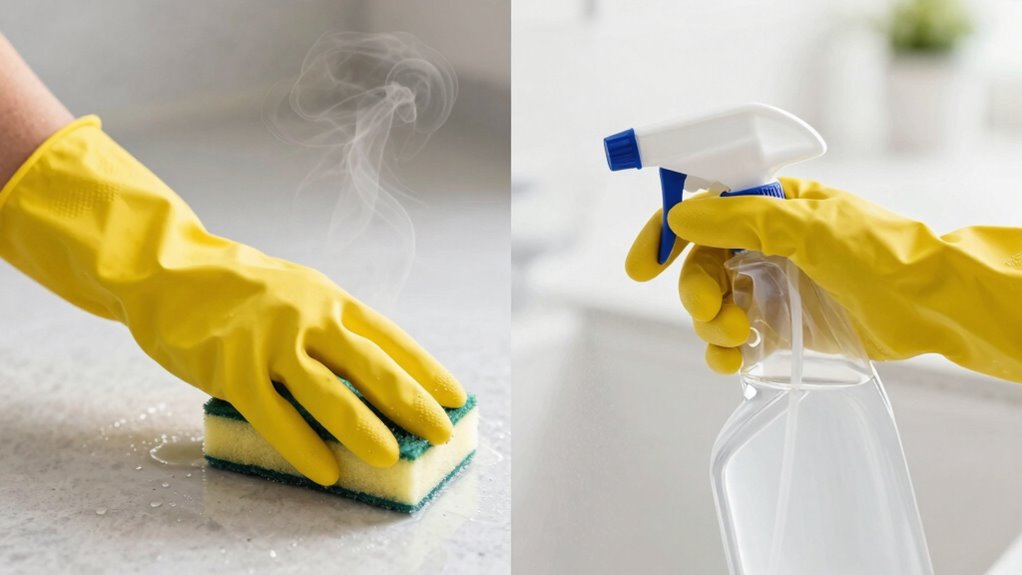
Cleaning removes dirt, dust, and grime with soap or water, making surfaces look tidy and reducing germs, but it doesn’t eliminate all pathogens. Disinfecting uses chemical agents to kill bacteria and viruses after cleaning, which is essential in high-risk areas or during illness outbreaks. For everyday settings, cleaning is often enough, but in germ-prone situations, disinfecting matters more. Keep exploring to understand when each method makes the most impact.

Get books, candles and calm essentials delivered free — and shop member deals
- Fast, free delivery on millions of items
- Access to Prime Big Deal Days deals on October 6–7
- Prime Video, Amazon Music and more included
Key Takeaways
- Cleaning removes dirt and debris, preparing surfaces for disinfecting when germs are present or visible dirt exists.
- Disinfecting is necessary after cleaning in high-risk areas or when eliminating viruses, bacteria, or during illness outbreaks.
- Regular cleaning suffices for everyday routines and low-contamination zones, while disinfecting is essential during health emergencies.
- Over-cleaning or disinfecting on non-critical surfaces can damage materials or cause skin irritation; use appropriately.
- Use cleaning to remove grime first, then disinfect high-touch or contaminated surfaces for effective infection control.
The Basic Differences Between Cleaning and Disinfecting
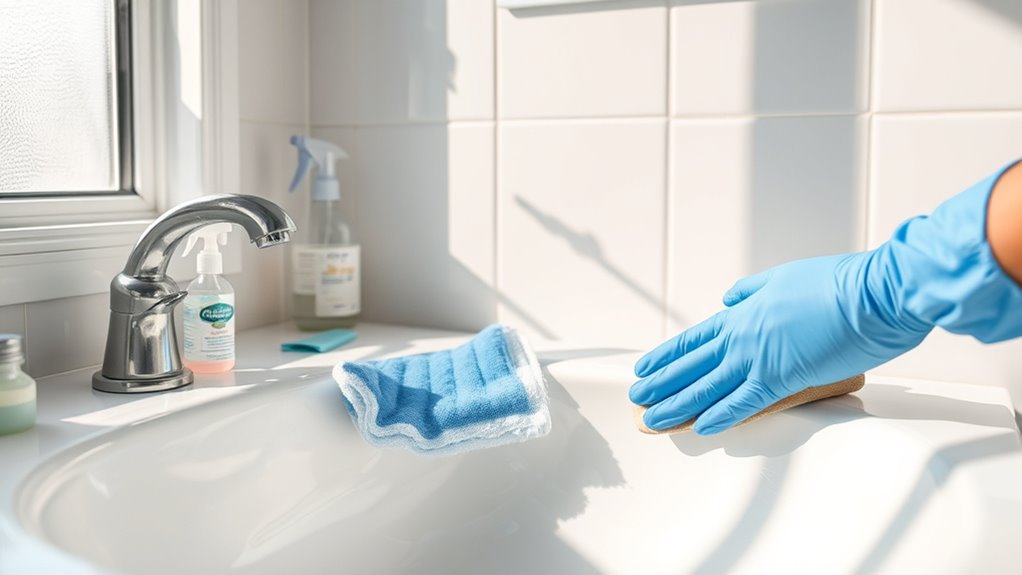
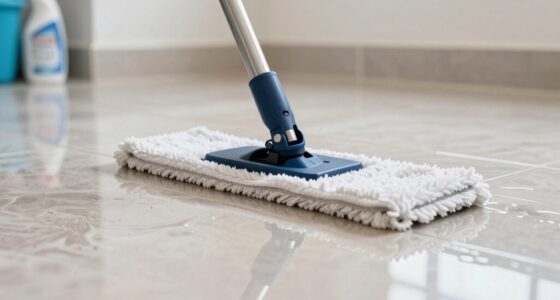
Have you ever wondered what truly sets cleaning apart from disinfecting? Cleaning involves removing dirt, dust, and debris from surfaces using soap or detergent. It’s about making things look and smell fresh, which reduces the number of germs but doesn’t eliminate all of them. Disinfecting, on the other hand, uses chemicals to kill germs on surfaces after they’ve been cleaned. It doesn’t necessarily remove dirt but targets bacteria, viruses, and other pathogens to reduce their presence considerably. Cleaning prepares surfaces for disinfecting by removing grime that could shield germs. While cleaning focuses on appearance and basic hygiene, disinfecting aims to lower the risk of infection by actively destroying germs. Understanding this difference helps you choose the right approach for each situation. Additionally, contrast ratio plays a vital role in how well images are rendered on projectors, impacting overall picture quality.
Situations When Cleaning Is Sufficient
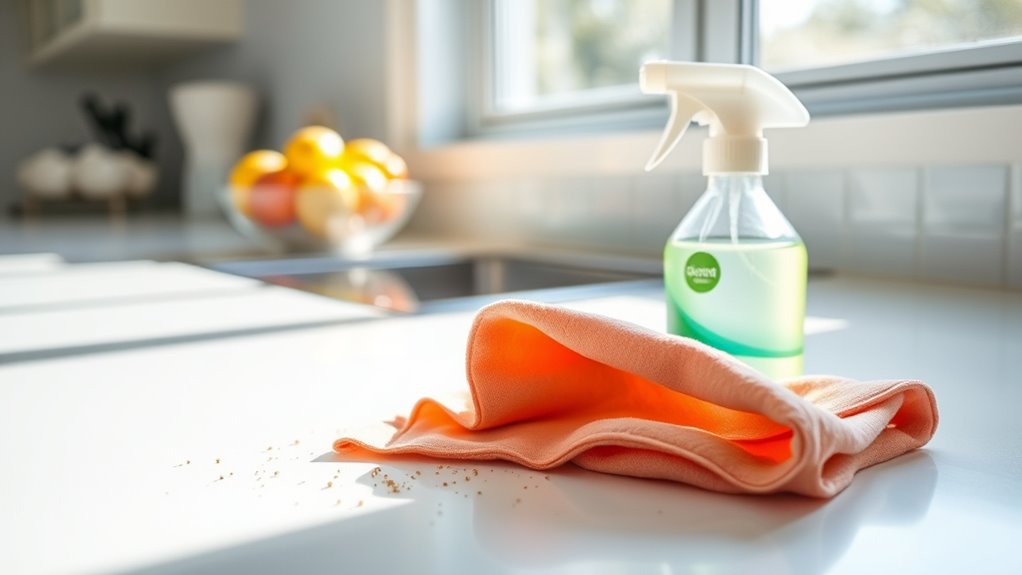
Cleaning is often enough when surfaces are visibly dirty or dusty, especially in everyday environments like kitchens, bathrooms, or living rooms. If you see dirt, crumbs, or dust, a thorough cleaning with soap and water will remove debris and reduce germs. Regular cleaning maintains a tidy space and prevents buildup that can hide bacteria. Use this table to decide when cleaning alone works:
| Situation | Why Cleaning Suffices |
|---|---|
| Visible dirt or grime | Removes debris and surface germs |
| Everyday household routines | Keeps surfaces fresh and tidy |
| Non-spill areas | No risk of high contamination |
| High-touch zones (not heavily contaminated) | Regular wiping reduces bacteria |
| Light spills or stains | Easy to clean without disinfecting |
In these cases, cleaning keeps your space safe without the need for disinfectants. Proper cleaning methods, such as scrubbing and rinsing, can further enhance safety by ensuring all surface residues are effectively removed. Additionally, water-based cleaning methods are effective for removing dirt and reducing germs without necessarily requiring disinfectants.
When Disinfecting Becomes Essential
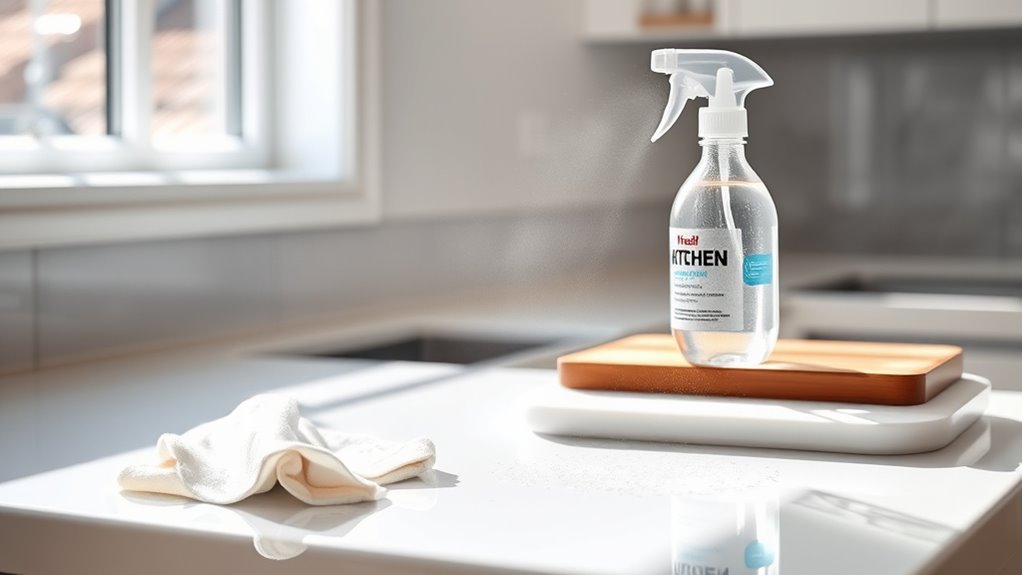
While regular cleaning keeps surfaces fresh and tidy, there are situations where wiping alone isn’t sufficient to guarantee safety. If someone in your household is sick, disinfecting becomes critical to eliminate germs and prevent spreading. High-touch areas like doorknobs, light switches, and countertops need disinfection after illness or exposure to contagious pathogens. In healthcare settings or communal spaces, disinfecting minimizes infection risks. When dealing with outbreaks of viruses or bacteria, a disinfectant with proven effectiveness is essential. Disinfecting isn’t just about cleanliness; it’s about actively reducing harmful microorganisms to protect your health. Proper disinfection protocols are designed to effectively kill germs and prevent infections, especially in environments where contamination risks are high. In these moments, cleaning alone won’t cut it—you need to properly disinfect to ensure surfaces are safe and pathogen-free.
Common Myths About Hygiene Practices
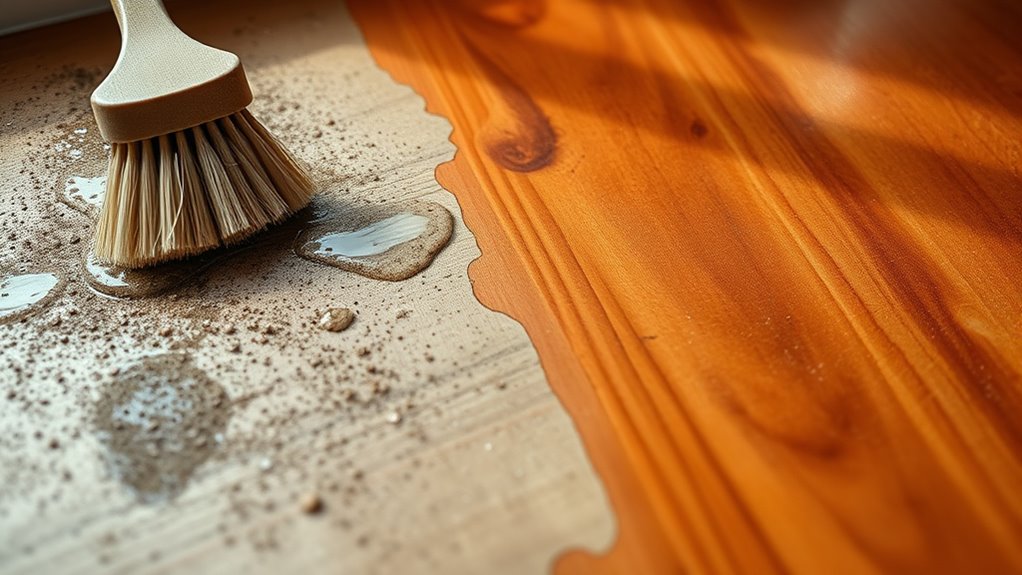
Many people believe they understand the best hygiene practices, but myths and misconceptions often lead to ineffective or even harmful habits. For example, some think that using any disinfectant is enough to eliminate germs, but not all products are suitable for every surface. Others believe that more frequent cleaning is always better, ignoring that over-cleaning can damage surfaces or cause skin irritation. There’s also a misconception that hand sanitizer can replace handwashing, which isn’t true in many situations. Some assume that antibacterial soaps are superior, but regular soap and water are just as effective. Believing that natural remedies kill germs is another common myth. Recognizing these misconceptions helps you adopt more effective hygiene habits, ensuring you’re truly protecting yourself and others.
Practical Tips for Effective Cleaning and Disinfecting
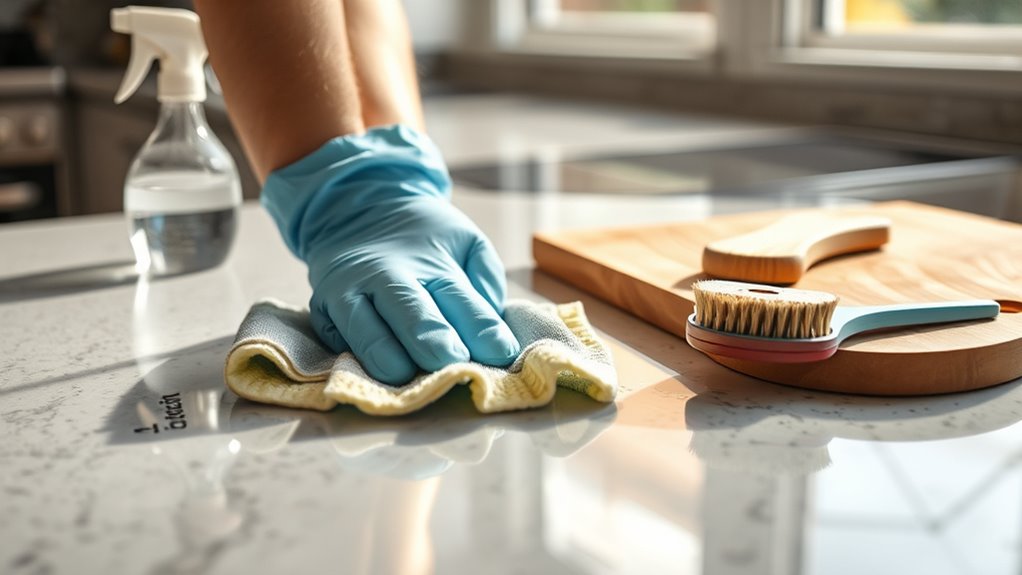
Understanding common misconceptions about hygiene helps you make smarter choices, but knowing how to clean and disinfect properly makes a real difference in preventing germs. Start by cleaning surfaces with soap and water first to remove dirt and debris, which allows disinfectants to work more effectively. Use appropriate disinfectants on high-touch areas like doorknobs, light switches, and countertops, following the label instructions for contact time. Always wear gloves and ensure good ventilation during disinfection. Don’t rush—allow disinfectants to sit undisturbed for the recommended time before wiping away. Regularly clean items like your phone, keys, and remote controls. Keep cleaning tools, such as cloths and brushes, clean and dry to prevent bacteria growth. Incorporating proper hygiene habits, such as washing hands regularly and avoiding cross-contamination, into your routine ensures a safer environment and reduces the risk of contamination. Maintaining cleanliness also involves understanding the differences between cleaning and disinfecting, which helps you apply the right methods at the right times. Recognizing the appropriate cleaning techniques for different surfaces can further enhance your hygiene practices. For example, effective cleaning tools can make a significant difference in achieving better results. Additionally, understanding the importance of air quality considerations, such as proper use of air purifiers and filters, can contribute to a healthier indoor environment. Consistency is key to maintaining a healthier environment.
Frequently Asked Questions
How Long Do Disinfectants Typically Remain Effective After Application?
Disinfectants typically stay effective for about 10 minutes to several hours after application, depending on the product and surface. You should follow the manufacturer’s instructions for contact time to guarantee proper disinfection. Keep in mind, their effectiveness can diminish if the surface is touched, contaminated, or cleaned again too soon. To maintain a germ-free environment, reapply disinfectants as recommended and avoid wiping or touching the surface prematurely.
Can Over-Cleaning or Disinfecting Harm Indoor Air Quality?
Yes, over-cleaning or disinfecting can harm your indoor air quality. You might introduce fumes from harsh chemicals or cause airborne particles to increase, which can irritate your respiratory system. To avoid this, use disinfectants sparingly, ensure proper ventilation, and choose eco-friendly, low-odor products. Regular cleaning with mild solutions helps maintain air quality without risking health issues caused by chemical buildup or poor air circulation.
Are There Environmental Impacts Associated With Frequent Disinfectant Use?
You bet, there are environmental impacts linked to frequent disinfectant use. You might not see the damage right away, but chemicals from disinfectants can pollute water and soil, harming wildlife and ecosystems. Plus, some disinfectants release volatile organic compounds (VOCs) that contribute to air pollution and climate change. It’s wise to use disinfectants sparingly and choose eco-friendly options to keep the environment safe and healthy.
What Are the Best Practices for Cleaning Electronic Devices Safely?
You should turn off and unplug your electronic devices before cleaning. Use a soft, lint-free cloth slightly dampened with water or a mild cleaning solution. Avoid harsh chemicals and abrasive materials that can damage screens or circuits. For stubborn grime, gently wipe with a cloth dampened with a mixture of water and isopropyl alcohol (at least 70%). Never spray liquids directly onto devices, and make certain they’re completely dry before powering back on.
How Do Different Surfaces Affect the Choice of Cleaning or Disinfecting Products?
Different surfaces influence your cleaning choices considerably. For delicate materials like electronics or soft fabrics, you should opt for gentle cleaning products that won’t cause damage, avoiding harsh chemicals. Hard surfaces like countertops or floors can handle stronger disinfectants. Always check manufacturer instructions to prevent damage, and test cleaning products on small areas first. By matching cleaning methods to surface types, you guarantee effective sanitation without risking harm.
Conclusion
Think of cleaning and disinfecting as a dance—you lead with cleaning to clear the floor, then step in with disinfecting to kill germs. Knowing when to switch between the two keeps your space safe and healthy. Don’t let myths or confusion trip you up; instead, follow practical tips to stay confident. Master this rhythm, and you’ll keep your environment sparkling clean and germ-free, like a well-choreographed performance that never misses a beat.
Fall Picks
fall essentials
As an affiliate, we earn on qualifying purchases.