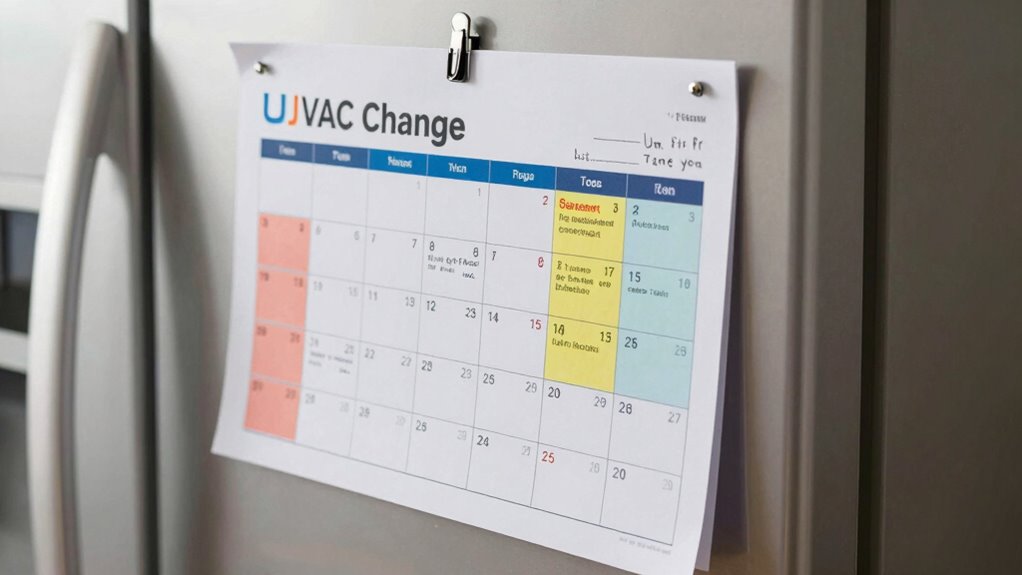

To avoid forgetting your HVAC filter changes without overdoing it, set up regular reminders using apps or calendar alerts that repeat every 1 to 3 months, depending on your environment. Combine these with visual cues or checklists placed near your system, and establish a routine aligned with your weekly habits. Keeping a maintenance log helps track replacements and alerts you when it’s time. If you stay consistent, you’ll prevent issues and optimize air quality—more tips follow.
Key Takeaways
- Use digital calendar reminders or apps with recurring alerts to schedule filter changes and prevent forgetfulness.
- Set visual cues or labels near your HVAC system to serve as constant, easy-to-see reminders.
- Establish a routine by linking filter checks to existing habits like weekly cleaning or laundry days.
- Maintain a maintenance log or digital record to track filter change dates and identify patterns, avoiding overchanging.
- Utilize smart home devices or sensors that send automated notifications when it’s time to replace filters.

Genuine AprilAire 413 Replacement Filter for AprilAire Whole House Air Purifiers – MERV 13, Healthy Home Allergy, 16x25x4 Air Filter (Pack of 1)
- Genuine AprilAire Compatibility: Engineered for perfect fit and system protection
- High Filtration Efficiency: Removes up to 97% allergens and 92% viruses
- Enhanced Particle Removal: Removes 15% more harmful particles than MERV 13
As an affiliate, we earn on qualifying purchases.
As an affiliate, we earn on qualifying purchases.
Understanding Your HVAC Filter Needs
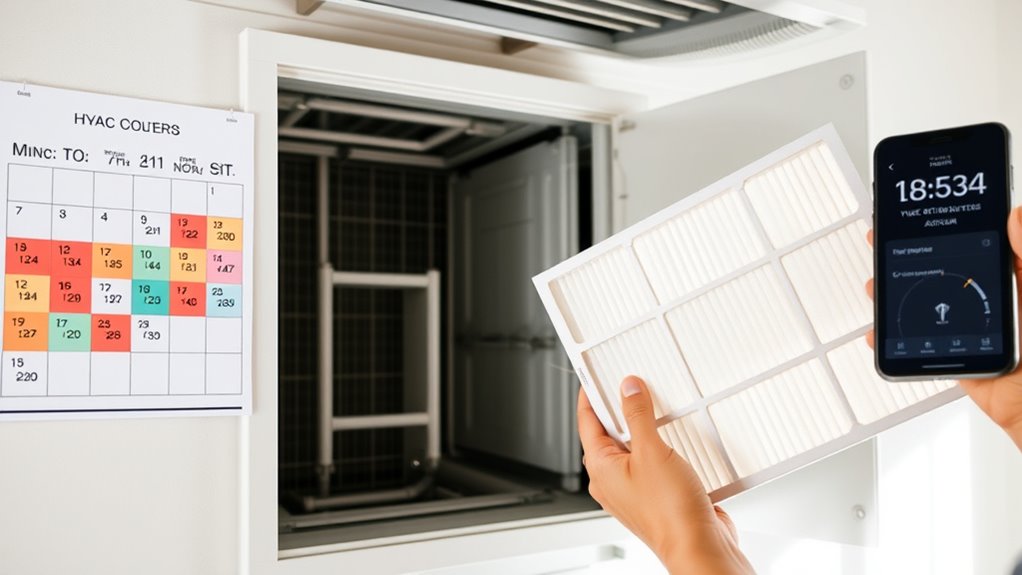
Understanding your HVAC filter needs is crucial for maintaining a healthy and efficient system. First, recognize that filter types vary, from basic fiberglass to high-efficiency pleated filters. Your home’s environment influences your choice; if you have pets or allergies, you’ll need a filter with higher MERV ratings to trap smaller particles. Check your manufacturer’s recommendations, but generally, filters should be replaced every 1 to 3 months. Keep in mind that factors like seasonal changes, indoor air quality, and system usage affect how often you should change your filter. Regularly evaluating your home’s specific needs helps prevent airflow restrictions and keeps your HVAC system running smoothly. Knowing what kind of filter works best ensures you don’t overchange or neglect this essential maintenance task. Additionally, understanding filter lifespan helps you plan replacements more effectively, especially considering that indoor air quality can significantly impact filter performance and longevity. Monitoring your filter performance through simple inspections can alert you when it’s time for a change before it becomes a problem. Being aware of airflow restrictions can further help you maintain optimal system operation and energy efficiency. Regularly cleaning or replacing filters can also prevent the buildup of dust and allergens, contributing to a healthier indoor environment.

Filtrete 20x25x1 AC Furnace SMART Air Filter, MERV 12, MPR 1500, Track Filter Life With Bluetooth Enabled Sensor, CERTIFIED asthma & allergy friendly, 2-Pack (Actual Size 19.719×24.688×0.78 in)
- Sanctuary-Quality Air Filter: Captures allergens, bacteria, viruses
- Bluetooth Filter Tracking: Monitor filter life via Bluetooth sensor
- Exact Dimensions: 24.81 x 19.81 x 0.81 inches
As an affiliate, we earn on qualifying purchases.
As an affiliate, we earn on qualifying purchases.
Setting Up Reminders and Alerts
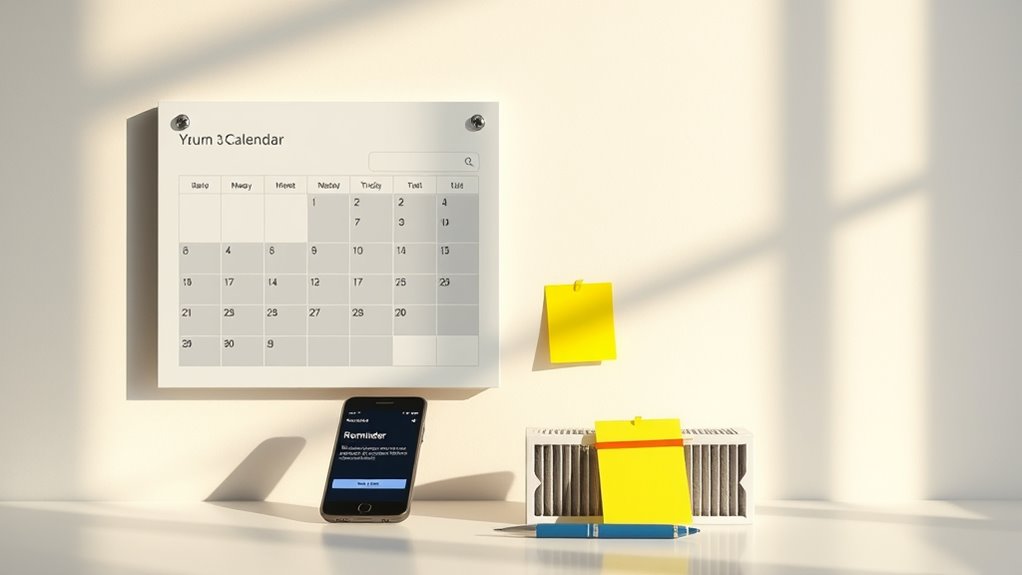
Setting up reminders and alerts helps you stay on top of filter changes without hassle. You can use digital reminder apps to get notifications on your phone or computer, ensuring you don’t forget. Alternatively, setting up calendar alerts keeps your schedule organized and prompts you when it’s time to change your filter. Incorporating smart home integration can further automate this process, providing seamless notifications through your connected devices. Leveraging outdoor tech concepts such as connected sensors or automation routines can also enhance your reminder system, making maintenance even more effortless. Understanding home energy systems and how they integrate with your smart devices can help optimize your overall maintenance routines and ensure your HVAC system functions efficiently. Recognizing the craftsmanship behind premium HVAC filters can also inform your choices, ensuring you select durable and high-quality products that last longer and perform better, ultimately saving you time and money. Additionally, knowing the net worth of individuals associated with home improvement themes can inspire your own maintenance and upgrade projects.
Subheading 1: Digital Reminder Apps
Using digital reminder apps makes scheduling HVAC filter changes simple and stress-free. You can set recurring notifications that alert you when it’s time to replace the filter, eliminating guesswork and last-minute searches. Choose an app that syncs across your devices, so you get reminders whether you’re at home or on the go. Customize alerts to sound off at convenient times, ensuring you never forget. Many apps allow you to add notes or attach photos, helping you track filter types or last change dates. Setting up these reminders takes just a few minutes, but they keep you consistently on schedule. With a reliable app, you’ll develop a habit that prevents overchanging or forgetting altogether, keeping your HVAC system running smoothly. Additionally, integrating European cloud servers can enhance your data security and ensure your reminder information is protected and accessible from anywhere. Implementing digital security measures can further safeguard your scheduling data against potential breaches.
Subheading 2: Calendar Alerts System
To guarantee you never miss a filter change, setting up calendar alerts is an effective strategy. Start by choosing your preferred digital calendar, like Google Calendar or Outlook. Create a recurring event for your filter replacement date, based on your filter’s lifespan—typically every 3 to 6 months. Set a clear reminder, such as a notification or email, a few days before the scheduled change so you have time to prepare. You can also add notes or instructions within the event to remind yourself of specific steps. Regularly reviewing your calendar ensures you stay on top of your HVAC maintenance. Incorporating reminder system considerations into your planning can help visualize how different filter qualities might affect your air quality. This system reduces the risk of forgetting without the hassle of constant manual tracking, maintaining your indoor air quality excellent.

BNX 20x20x1 Air Filter MERV 13 HVAC AC Furnace Dust Pet Allergen 6-Pack
- Size: 20x20x1 inches, actual 19 11/16’’ x 19 11/16’’ x 3/4’’
- Filter Rating: MERV 13 for enhanced air filtration
- Compatibility: Suitable for AC, furnace, HVAC systems
As an affiliate, we earn on qualifying purchases.
As an affiliate, we earn on qualifying purchases.
Using Technology to Stay on Track
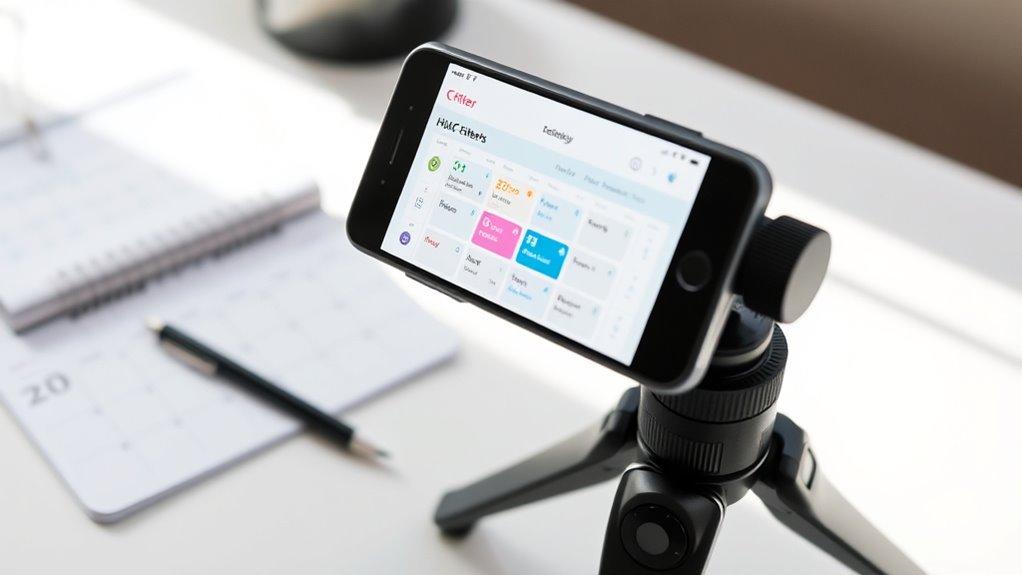
Have you ever wondered how technology can make your HVAC filter maintenance easier? Modern gadgets and apps can help you stay on top of filter changes without the guesswork. Smart home devices, like thermostats with maintenance reminders, alert you when it’s time to replace the filter. Mobile apps allow you to set recurring notifications, so you’re reminded right before your scheduled change date. Some systems even track filter lifespan based on usage and send alerts when it’s time for a change. These tools eliminate the need to remember dates manually or rely solely on memory. Plus, they often provide helpful tips and maintenance logs, making it easier to keep your system running smoothly. Incorporating HVAC system monitoring features can further optimize your maintenance schedule and ensure your home stays comfortable year-round. Utilizing automated maintenance alerts can significantly reduce the risk of forgetting to change filters and improve overall indoor air quality. Technology makes staying on schedule simple and stress-free. Additionally, filter lifespan estimation tools can help you understand how different usage patterns impact your replacement intervals. For example, some smart systems analyze usage data to better predict when a filter needs changing, increasing accuracy. Exploring smart home integration can also enhance your ability to manage HVAC maintenance seamlessly through connected devices.
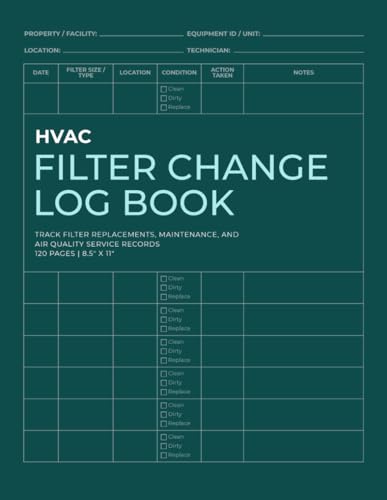
HVAC Filter Change Log Book: imple Maintenance Tracker for Technicians, Facilities & Property Managers | 120 Pages
As an affiliate, we earn on qualifying purchases.
As an affiliate, we earn on qualifying purchases.
Creating a Visual Reminder System
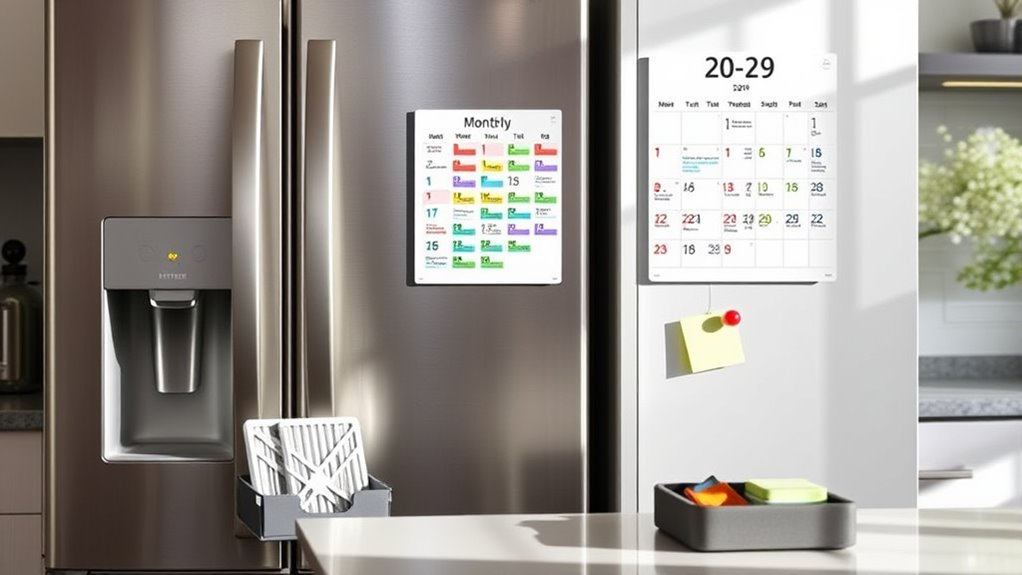
While technology helps you stay informed about when to change your filter, creating a visual reminder system adds an extra layer of accountability. You can use a calendar, sticky notes, or labeled bins to track your filter change schedule. Placing a reminder on your refrigerator or bathroom mirror keeps it front and center, making it hard to overlook. Color-coded stickers or tags can signal filter change dates at a glance, reducing guesswork. You might also set up a recurring alarm or visual cue, like a colored dot on a calendar, to reinforce the routine. The key is to make the reminder obvious and consistent, so you develop a habit without relying solely on digital alerts. A visual system keeps your filter maintenance top of mind, ensuring you change it on time. Incorporating consistent reminders helps reinforce the habit and prevents forgetting. Using visual cues, such as placement and color, that are easy to notice can significantly improve your adherence to the schedule, especially when you combine them with creative storytelling techniques to make the reminders more engaging. Additionally, understanding filter change schedules from reliable sources like HVAC guides can help you set realistic and effective reminder intervals. Implementing these methods based on habit formation principles can further strengthen your routine and make filter changes automatic over time.
Establishing a Routine That Fits Your Schedule
Finding a routine that aligns with your daily life makes it easier to remember when to change your HVAC filter. Consider pairing filter checks with existing habits, like laundry day or weekly cleaning. If you schedule regular chores, adding filter maintenance to that timeline reduces the chance of forgetting. Set specific days or times that work consistently, such as every month on the 1st or the first weekend. Stick to these times as closely as possible, so changing your filter becomes a seamless part of your routine. Flexibility is key—adjust your schedule if your circumstances change. By integrating filter checks into your established habits, you create a natural reminder system that fits your lifestyle, making maintenance less of a chore and more of a habit. Establishing a routine that suits your schedule helps ensure you stay on top of filter maintenance without it feeling like a burden.
Keeping Track With a Maintenance Log
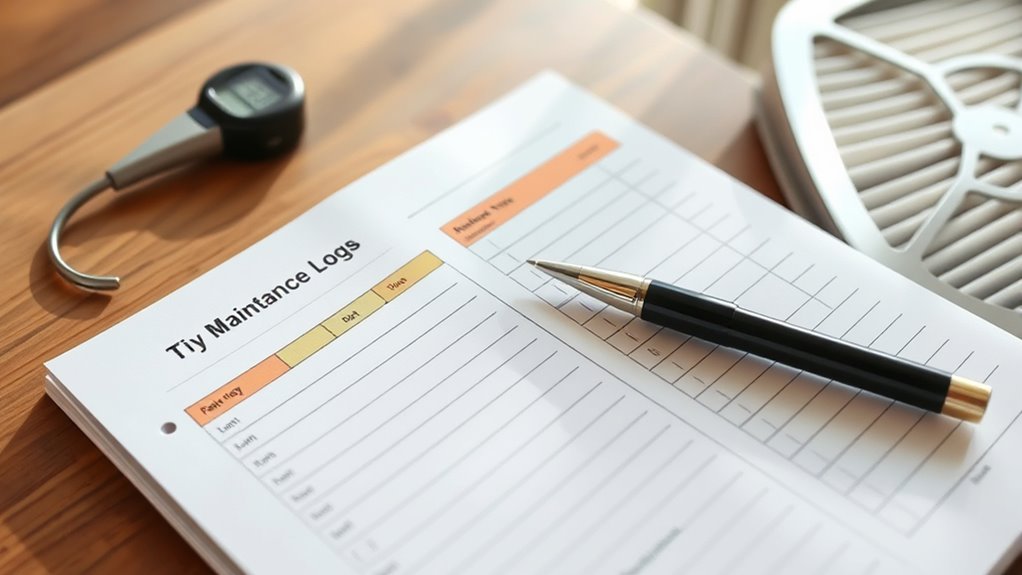
Keeping a maintenance log helps you stay on top of your filter changes. Be sure to log the dates clearly and consistently so you know exactly when to replace your filter next. Using simple labels makes tracking easy and keeps your HVAC system running smoothly.
Log Regular Dates
To guarantee your HVAC system runs efficiently, it’s important to log the dates when you change your filters. Keep a dedicated maintenance log, either on paper or digitally, where you record each filter replacement date. This helps you track how long each filter lasts and prevents guesswork. Make it a habit to update the log immediately after changing the filter, so you don’t forget. Use clear, consistent entries, noting the date and filter type. Regularly reviewing your log allows you to see patterns, identify when filters need changing, and avoid over- or under-changing. This simple step keeps your system running smoothly, extends filter life, and saves you money in the long run. Staying organized with your maintenance log makes filter management straightforward and stress-free.
Use Clear Labels
Using clear labels on your maintenance log makes it easier to track your filter changes accurately. When you label each entry clearly, you avoid confusion about the date or filter location, reducing the risk of over- or under-changing. Use specific labels like “Filter Change – Living Room” or “Filter – Kitchen” along with the date. This way, you can quickly identify when each filter was last replaced. To stay organized, consider a simple table:
| Location | Last Changed | Next Due Date |
|---|---|---|
| Living Room | March 1, 2024 | June 1, 2024 |
| Kitchen | March 1, 2024 | June 1, 2024 |
| Bedroom | March 1, 2024 | June 1, 2024 |
| Basement | March 1, 2024 | June 1, 2024 |
Clear labels guarantee you always know your schedule at a glance.
Recognizing Signs That Your Filter Needs Changing
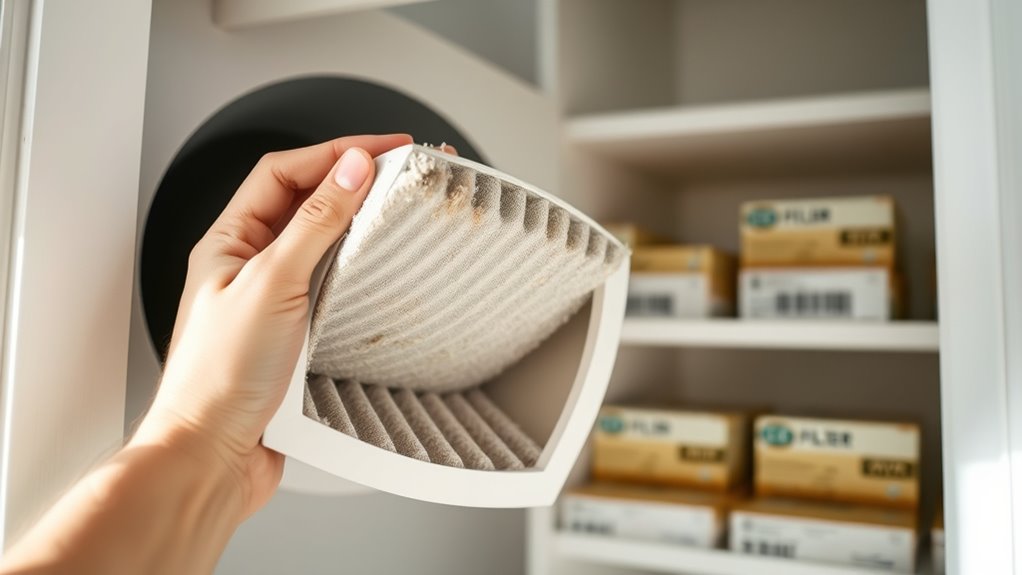
Your HVAC filter may need changing sooner than you think if you notice certain signs. One common indicator is reduced airflow; if your vents blow weaker than usual, your filter might be clogged. Visible dirt, dust buildup, or discoloration on the filter itself also signals it’s time for a replacement. Unpleasant odors lingering in your home can be a sign that your filter isn’t trapping particles effectively anymore. Additionally, if you or your allergy sufferers notice increased dust or respiratory issues, it’s likely due to a dirty filter. Keep an eye on your energy bills too—an overworked system might point to a clogged filter. Recognizing these signs early helps maintain air quality, keeps your system running efficiently, and prevents costly repairs.
Balancing Between Overchanging and Forgetting
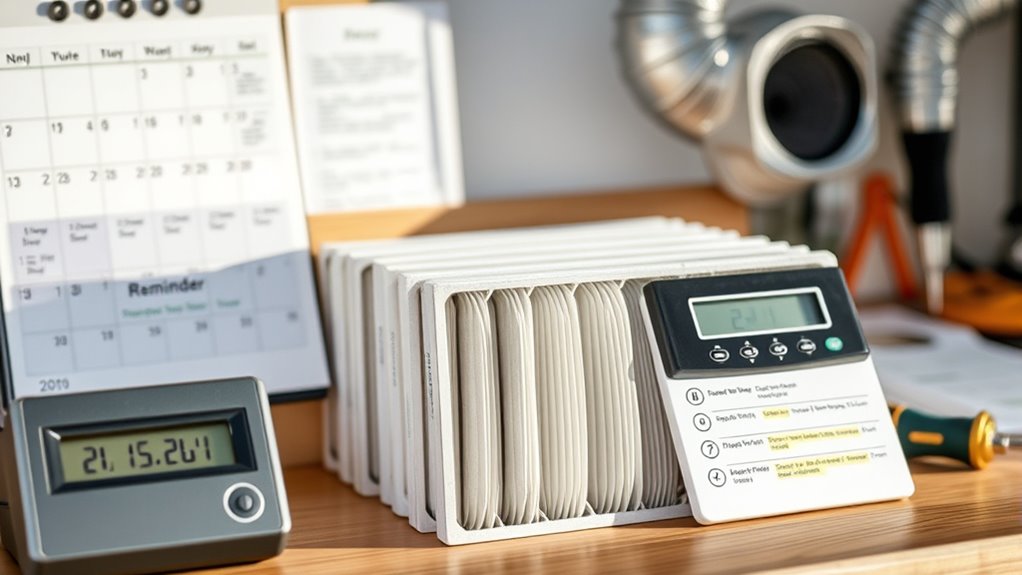
While recognizing the signs that your filter needs changing is important, finding the right balance between overchanging and forgetting is equally vital. Changing your filter too often can lead to unnecessary expenses and waste, while neglecting it can reduce air quality and strain your HVAC system. To strike this balance, set a regular schedule based on your home’s environment and usage. Use reminders—whether digital alerts or calendar notes—to stay consistent without overdoing it. Pay attention to changes in airflow, dust buildup, or unusual odors, which can signal when a change is truly needed. By maintaining a routine and staying alert to signs, you prevent both neglect and overmaintenance, ensuring your system runs efficiently and your indoor air remains clean.
Frequently Asked Questions
How Often Should I Replace Filters in Different Climates?
In general, you should replace filters every 1 to 3 months, but climate impacts this schedule. In hot, humid, or polluted areas, change filters every month to maintain air quality and system efficiency. In cooler, dry climates, every 2-3 months might suffice. Regularly check your filters, especially during peak seasons, and adjust your schedule as needed to keep your HVAC running smoothly.
What Types of Filters Are Best for Allergy Sufferers?
You should choose HEPA filters if you suffer from allergies, as they capture 99.97% of airborne particles like pollen, pet dander, and dust mites. Look for filters with a high MERV rating, ideally between 11 and 13, which efficiently trap allergens without restricting airflow. Regularly replacing these filters, usually every 3 to 6 months, ensures your indoor air stays clean and reduces allergy symptoms.
Can Improper Filter Changes Damage My HVAC System?
A stitch in time saves nine, so changing your filter improperly can indeed harm your HVAC system. If you neglect to replace filters when dirty, airflow gets restricted, forcing the system to work harder. Over time, this can cause components to overheat, wear out faster, or even lead to system failure. Regular, timely filter changes protect your system, save money, and ensure efficient operation.
How Do I Dispose of Old Filters Responsibly?
To dispose of old filters responsibly, you should check your local waste guidelines, as many areas allow you to throw them in regular trash if they’re non-hazardous. If your filters contain hazardous materials like asbestos or chemicals, take them to a designated hazardous waste facility. Otherwise, remove the filter, fold it to contain dust, and place it in a sealed bag before disposal. Always wash your hands afterward to stay safe.
Are There Eco-Friendly Filter Options Available?
Yes, there are eco-friendly filter options available that let you breathe easier without harming the planet. You can choose filters made from sustainable materials like bamboo or recycled fibers, which are biodegradable or recyclable. These options often perform just as well as traditional filters. By making the switch, you’re not only maintaining a healthy indoor environment but also contributing to a greener future, all while keeping your home fresh.
Conclusion
By building a simple system, staying strategic, and spotting signs early, you’ll stop forgetting filters and avoid overchanging. Embrace easy reminders, utilize tech tools, and keep a clean record to create a consistent schedule. With these practical practices, you’ll maintain a healthy, hassle-free HVAC routine. Remember, consistency is key—so stay savvy, stay scheduled, and enjoy fresh, filtered air all year long. Your home’s comfort is just a schedule away!