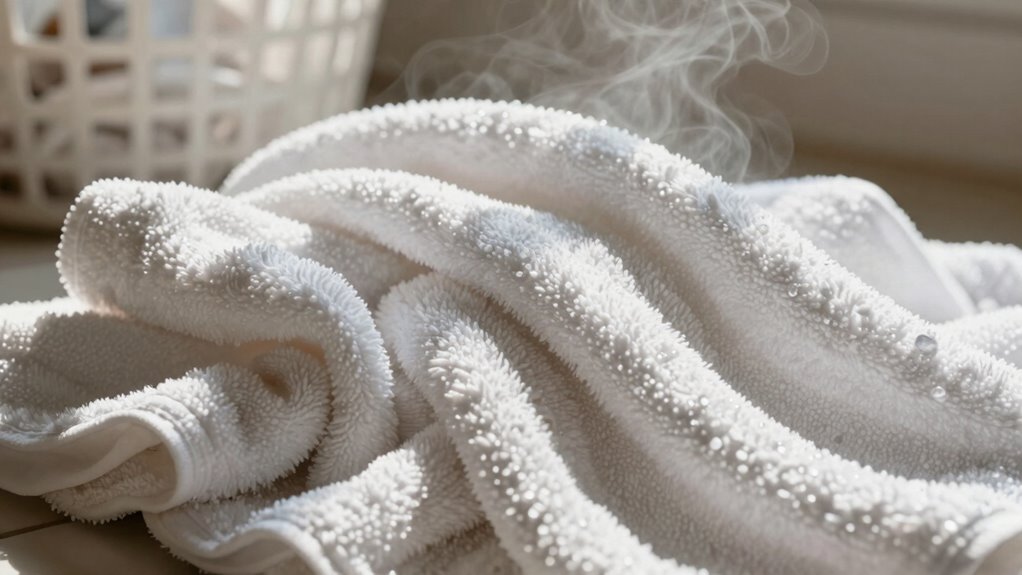
If your towels smell fresh after laundry but then develop a musty odor hours later, it’s often due to bacteria or mold thriving in damp, poorly ventilated drying areas. Residues from fabric softeners and overloading your washer can trap moisture and dirt, fueling this cycle. To break it, guarantee towels are thoroughly rinsed, dried quickly in a well-ventilated space, and avoid heavy softeners. Keep exploring to find effective strategies to keep your towels smelling fresh longer.
Listen free for 30 days with Audible
Thousands of audiobooks and originals — cancel anytime.
As an affiliate, we earn on qualifying purchases.
Key Takeaways
- Residue buildup from fabric softeners and detergents traps bacteria and mold, causing towels to smell fresh then develop odors.
- Inadequate rinsing or overloading washing machines leaves residues that promote microbial growth.
- Poor drying conditions, such as damp or poorly ventilated areas, allow bacteria and mold to thrive, leading to stink.
- Towels may be slightly damp when hung, encouraging microbial activity and odor recurrence over time.
- Using insufficient or improper drying methods prevents complete moisture removal, causing towels to smell fresh initially but stink later.
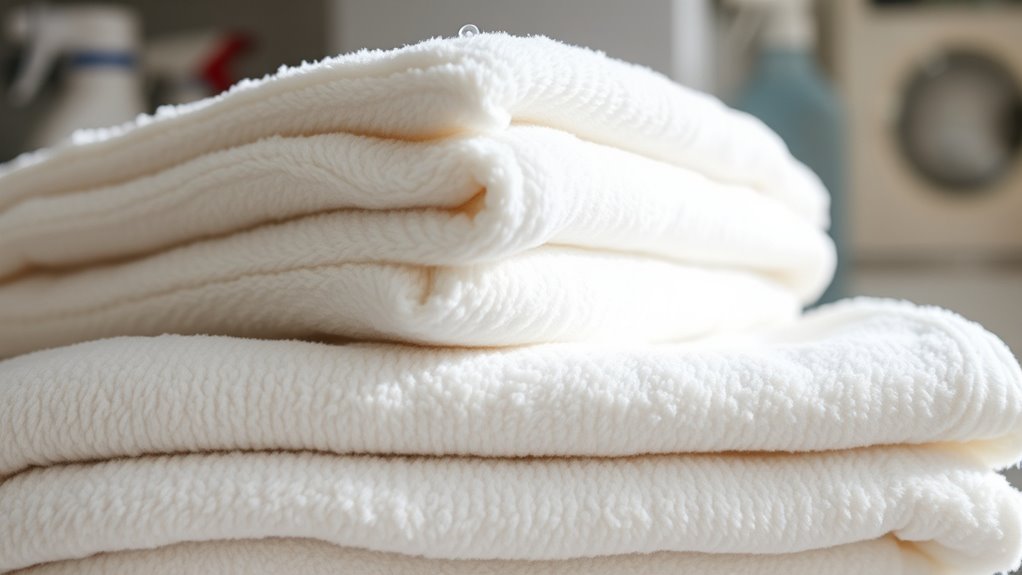
Have you ever noticed your laundry still smells fresh after washing, only for the odor to return after a few hours? This common frustration can stem from a few hidden issues, especially with towels. You might think that simply tossing your towels into the wash and drying them will keep them smelling clean, but the odor can come back, creating that confusing “clean but stinky” cycle. One key factor is how you dry your towels. Air drying sounds like a gentle, natural way to finish laundry, but if towels are left damp or are dried in a humid environment, bacteria and mold can develop. These microbes thrive in moist conditions, and their presence is often what causes that musty smell to reappear later.
To break this cycle, consider the environment where you air dry your towels. If you hang them in a poorly ventilated space or leave them damp for too long, you give bacteria an ideal habitat to grow. Instead, ensure your towels are thoroughly wrung out before hanging and that the drying area has good airflow. Using a fan or opening windows can help speed up the drying process and reduce moisture buildup. This simple step can considerably reduce the chances of bacteria lingering and causing the return of unpleasant odors. Additionally, understanding the importance of proper laundry practices can help prevent odors from developing in the first place.
Proper ventilation and thorough wringing prevent bacteria growth and keep towels smelling fresh.
Another aspect to consider is your use of fabric softeners. While they can make towels feel softer and smell fresh initially, over time they can build up on fibers. This buildup can trap dirt, soap residue, and moisture, creating a breeding ground for bacteria. Paradoxically, fabric softeners can sometimes contribute to odors rather than eliminate them. If you notice that your towels smell fine right after drying but develop a funky smell later, it might be time to cut back or switch to natural alternatives. Regularly washing your towels with hot water and using vinegar or baking soda can help remove residue and reset the fibers.
Additionally, avoid overloading your washing machine, as this prevents proper rinsing. When towels don’t get rinsed thoroughly, soap scum and residues cling to fibers, leading to odor issues when they’re damp. After washing, be sure to dry towels promptly and thoroughly using proper air drying techniques. If you’re using a dryer, keep it clean and at the right temperature to ensure moisture is fully evaporated. Remember, combining good laundry practices—like proper washing, avoiding excessive fabric softener buildup, and air drying in well-ventilated spaces—can help you break the laundry odor loop and keep your towels smelling fresh for longer.

Lysol Tough Odor Eliminator Laundry Sanitizer Additive, Sanitizing Liquid for Gym Clothes and Activewear, 0% Bleach, Eliminates Odor Causing Bacteria, 90oz
- Laundry Sanitizer Additive: Sanitizes and deodorizes laundry
- Color Safe Alternative: Kills 99.9% bacteria without bleach
- Effective in Cold Water: Works in cold water and on colors
As an affiliate, we earn on qualifying purchases.
As an affiliate, we earn on qualifying purchases.
Frequently Asked Questions
Can Fabric Softeners Cause Towel Odor Problems?
Yes, fabric softeners can cause towel odor problems. They leave behind a buildup that traps moisture and bacteria, leading to unpleasant smells over time. To prevent this, you should avoid using fabric softeners on towels or use them sparingly. Regularly washing towels with hot water and vinegar helps remove fabric softener buildup, ensuring effective towel odor prevention and keeping your towels smelling fresh and clean.
How Does Water Temperature Affect Towel Odor?
Water temperature plays a key role in odor removal from towels. Hot water helps break down oils, bacteria, and sweat that cause odors, effectively freshening your towels. Cold water, on the other hand, may not eliminate odors as well but can be gentler on fabrics. To prevent lingering smells, wash towels in warm or hot water regularly, then dry thoroughly to keep them smelling fresh and clean.
Is It Better to Air-Dry or Machine-Dry Towels?
Air-drying your towels is the better choice, hands down. It offers incredible benefits like fresh scent and improved fabric longevity. Machine drying, on the other hand, can cause excessive wear and sometimes trap lingering odors if not done properly. Plus, air drying reduces energy use, making your laundry routine more eco-friendly. So, embrace the breeze—you’ll enjoy fresher, softer towels without the drawbacks of machine drying.
Do Different Towel Materials Retain Odors Differently?
Yes, different towel materials retain odors differently. For instance, cotton towels tend to absorb more moisture and can trap odors more easily, especially if not dried thoroughly. Microfiber towels often hold onto smells because of their synthetic fibers, while bamboo or bamboo-blend towels usually resist odor retention better due to their natural antimicrobial properties. To keep your towels smelling fresh, choose materials suited to your needs and wash them regularly.
How Often Should I Replace My Towels to Prevent Odor?
Imagine your towels as silent guardians of freshness, gradually losing their battle against odor with each wash. You should replace your towels every 1 to 2 years, depending on their towel lifespan and how often you use and wash them. Sticking to a consistent replacement schedule prevents lingering smells and keeps your bathroom feeling inviting. Don’t wait until they smell off—trust your instincts and swap them out before odors take hold.

VisHomeYard Laundry Drying Rack Wall Mount – Towel Rack Collapsible, Retractable Drying Rack Easy Install Space Saving with 5 Drying Rods
- Elegant, Sleek Design: Adds style to laundry spaces
- Wall or Ceiling Mount: Fits drywall and wood surfaces
- Rust-Proof Screws Included: Ensures durability and safety
As an affiliate, we earn on qualifying purchases.
As an affiliate, we earn on qualifying purchases.
Conclusion
Now, imagine pulling your towel from the closet, fresh and inviting, only for that faint, unwelcome stench to creep in as you dry off. The laundry odor loop traps you in a cycle of clean-looking towels that secretly harbor sour smells, like ghostly whispers of past washes. Break free by giving your towels proper care—air them out, use the right products, and let your laundry breathe. Your fresh, cozy towels deserve it.

STORAGE MANIAC Mesh Laundry Hamper, 23.7 Gal. Tall Laundry Basket for Airflow, Strong Metal Dirty Clothes Hamper for College Dorm, Bedroom, Bathroom, Clothes Bin, White & Black
- All-Metal Frame: Sturdy metal construction for stability
- Breathable Mesh Design: Promotes airflow to prevent odors
- Durable Vinyl Fabric: Resists wear and stays in place
As an affiliate, we earn on qualifying purchases.
As an affiliate, we earn on qualifying purchases.
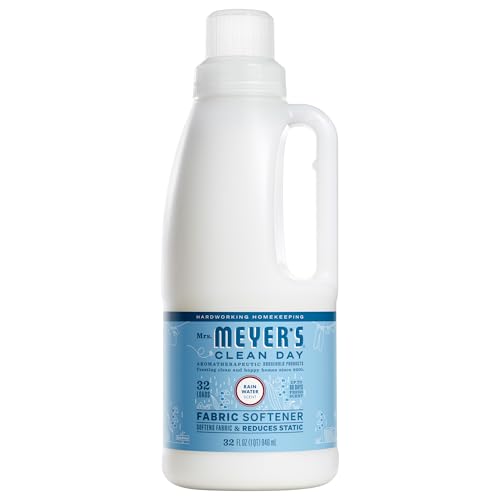
MRS. MEYER'S CLEAN DAY Liquid Fabric Softener, Rain Water, 32 fl oz
- Freshens and reduces static: Adds freshness and reduces static cling
- Paraben and animal ingredient free: Made without parabens, phthalates, or animal ingredients
- Safe for all washing machines: Suitable for high efficiency and conventional washers
As an affiliate, we earn on qualifying purchases.
As an affiliate, we earn on qualifying purchases.
Baby shower & registry season Picks
baby registry must-haves
As an affiliate, we earn on qualifying purchases.