
If you have young children, respiratory or circulatory issues, sleep apnea, or skin sensitivities, you should avoid weighted blankets or consult a healthcare provider first. Pregnant women also need to be cautious due to added pressure. These blankets can restrict movement, breathing, and blood flow, leading to potential health risks. To guarantee safety, learn about specific precautions and alternatives that suit your needs better. Keep reading to find out more about safe use and exceptions.

Get books, candles and calm essentials delivered free — and shop member deals
- Fast, free delivery on millions of items
- Access to Prime Big Deal Days deals on October 6–7
- Prime Video, Amazon Music and more included
Key Takeaways
- Children under age 3 and pregnant women should avoid weighted blankets due to safety and comfort concerns.
- People with respiratory, circulatory, or heart conditions risk health issues if using weighted blankets without medical advice.
- Individuals with sleep apnea or breathing problems may experience worsened symptoms or breathing obstruction.
- Those with sensory processing or skin sensitivities should select gentle, hypoallergenic options and monitor reactions.
- Always consult healthcare providers before use, especially if health issues or vulnerabilities are present.
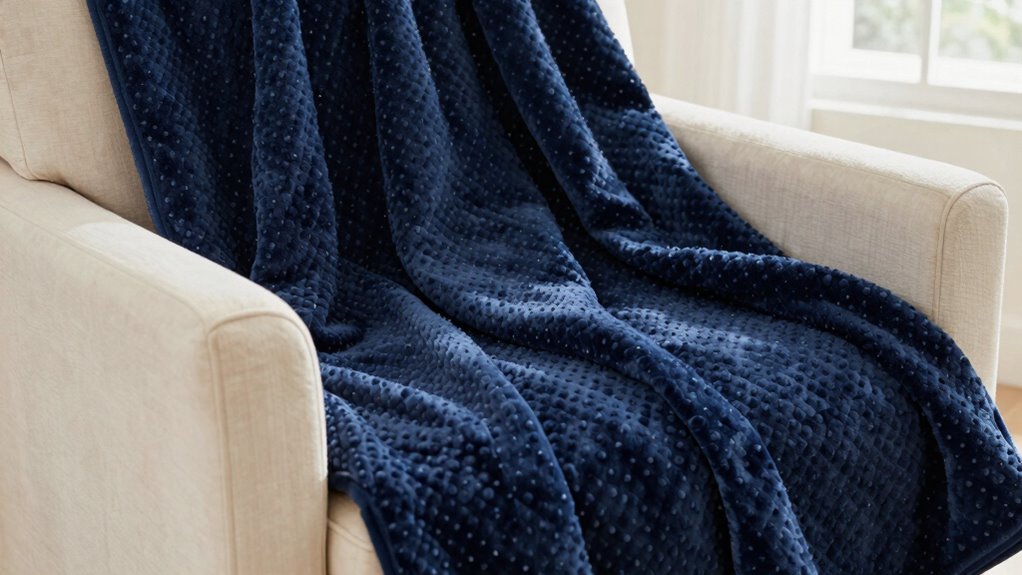
hypoallergenic weighted blanket for sensitive skin
As an affiliate, we earn on qualifying purchases.
As an affiliate, we earn on qualifying purchases.
Children Under Age 3

Children under age 3 should never use weighted blankets because their developing bodies are too fragile to handle the added pressure safely. Their bones, muscles, and nervous systems are still developing, making them more vulnerable to potential risks like suffocation or injury. Even a small weighted blanket could be too heavy or cause discomfort, increasing the risk of overheating or restricting movement. Young children lack the coordination to remove the blanket if they feel uncomfortable or distressed. For these reasons, safety experts recommend avoiding weighted blankets entirely for this age group. Instead, focus on creating a safe, calming environment with soft bedding and gentle comfort items to help promote restful sleep. Additionally, understanding proper safety precautions can be helpful for those considering sleep aids or accessories. Being aware of weight guidelines is crucial to ensure safety and prevent accidental harm. It is also important to note that appropriate sleep environments can significantly contribute to a child’s sleep quality and safety. Incorporating age-appropriate comfort items can further support a safe sleep setting for young children. Always consult your child’s pediatrician before considering any sleep aids or accessories.
lightweight weighted blanket for adults
As an affiliate, we earn on qualifying purchases.
As an affiliate, we earn on qualifying purchases.
Individuals With Respiratory Issues
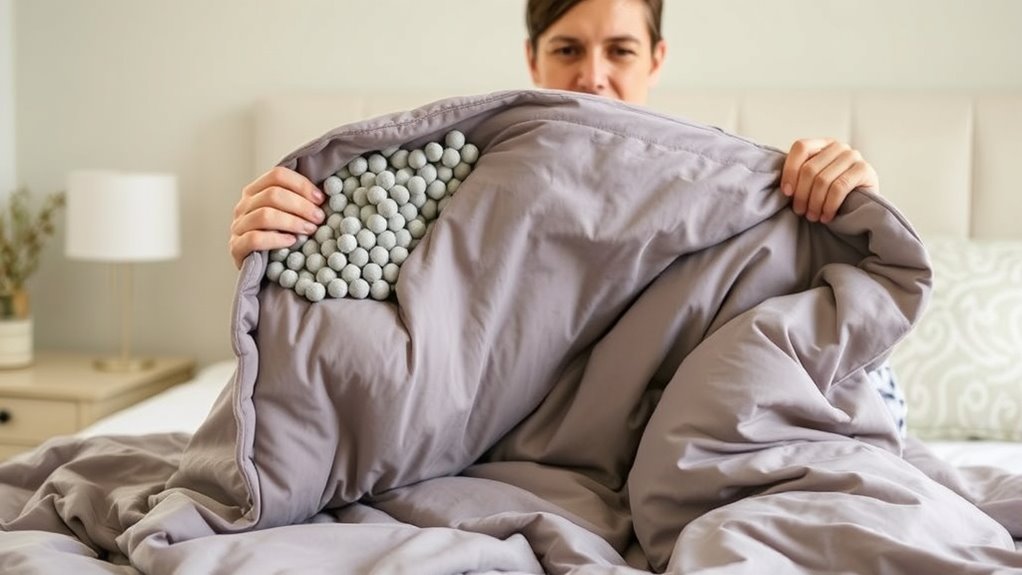
Individuals with respiratory issues need to be especially cautious when considering weighted blankets. The added pressure and weight can sometimes make breathing feel more difficult, especially if you already struggle with shortness of breath or asthma. You might find that the blanket restricts your chest movement or increases discomfort during sleep. If you have a respiratory condition, it’s important to consult your healthcare provider before trying a weighted blanket. They can help determine if it’s safe for you or suggest alternative methods to improve sleep or relaxation. Always listen to your body—if you notice increased breathing difficulty, dizziness, or discomfort, remove the blanket immediately. Prioritizing your respiratory health is essential when considering any sleep aid or accessory. Indoor air quality can also impact overall breathing comfort, so ensuring good ventilation and air purity in your sleeping area can support respiratory health. Additionally, poor air purification in your environment can exacerbate breathing problems and should be addressed alongside sleep aids. Proper fabric choice, such as breathable and lightweight materials, can also make a significant difference in comfort for those with respiratory concerns. Being mindful of air circulation and avoiding heavy drafts during sleep can further help maintain steady breathing and overall comfort. It’s also beneficial to be aware of wave and wind conditions, as strong air movements can influence breathing comfort during sleep.
weighted blanket for sleep apnea
As an affiliate, we earn on qualifying purchases.
As an affiliate, we earn on qualifying purchases.
People With Circulatory or Heart Conditions

If you have circulatory or heart conditions, weighted blankets could affect your blood flow and heart strain. The extra pressure might cause your circulation to slow down or increase your heart’s workload. It’s important to talk to your doctor before using a weighted blanket to guarantee it’s safe for you. Additionally, understanding proper safety precautions can help you identify suitable relaxation techniques that do not interfere with circulation.
Blood Flow Risks
People with circulatory or heart conditions should exercise caution when using weighted blankets because the added pressure can restrict blood flow. If your circulation is compromised, the extra weight may slow blood circulation further, leading to discomfort or even health risks. You might notice numbness, tingling, or coldness in your limbs if blood flow becomes restricted. The pressure from the blanket can also increase strain on your vascular system, making it harder for blood to reach essential organs. If you have conditions like peripheral artery disease or other circulatory issues, you’re at higher risk. It’s important to consult your healthcare provider before using a weighted blanket, especially if you experience symptoms such as swelling or discoloration in your extremities. Being aware of blood flow restrictions is crucial for your safety. Additionally, understanding how pressure from weighted blankets impacts circulation can help you make safer choices. Recognizing the role of suprem fabric in creating durable and versatile textiles can also inform safer selections of weighted blankets made with high-quality, breathable materials. Paying attention to breathable materials can further reduce risks associated with restricted blood flow. Moreover, choosing weighted blankets with appropriate weight can significantly minimize potential health issues related to blood flow restrictions. Your safety should always come first.
Heart Strain Concerns
Using a weighted blanket can put extra strain on your heart, especially if you have underlying circulatory issues. The added pressure from the blanket can increase your heart rate and blood pressure, making it harder for your heart to pump effectively. If you have conditions like hypertension, heart disease, or arrhythmias, this extra stress could worsen your symptoms or lead to complications. It’s essential to consult your healthcare provider before using a weighted blanket if you have any heart or circulatory concerns. They can advise you on whether it’s safe or recommend alternative relaxation methods. Never ignore your symptoms or push through discomfort, as your heart’s health should always come first. Additionally, understanding electric bike horsepower can help you choose safer, properly powered equipment when considering activity levels and safety. It’s also important to recognize that weighted blanket safety varies depending on individual health factors, so personalized advice is key. Being aware of waterpark safety measures can help prevent accidents and ensure a safe visit. Recognizing nutritional benefits related to raw foods can also contribute to overall health, which is especially important when managing heart conditions. Furthermore, monitoring your response to deep pressure therapy can provide insights into how your body reacts to increased pressure and help avoid adverse effects. Prioritize safety and professional guidance when considering a weighted blanket.
weighted blanket for circulatory issues
As an affiliate, we earn on qualifying purchases.
As an affiliate, we earn on qualifying purchases.
Those With Suspected or Confirmed Sleep Apnea

If you suspect or have confirmed sleep apnea, using a weighted blanket can pose risks of breathing obstruction. It’s essential to talk to your healthcare provider before trying one. They can help determine if it’s safe and appropriate for your condition. Be aware that sleep environment optimization and proper monitoring can also influence safety. Additionally, individuals with sleep apnea should consider medical-grade interventions that are specifically designed to support their breathing needs. Incorporating energy-efficient solutions from European cloud providers can support remote monitoring and telehealth consultations, enhancing overall sleep safety.
Breathing Obstruction Risks
For individuals with suspected or confirmed sleep apnea, weighted blankets can pose significant breathing obstruction risks. The added pressure may restrict chest movement or airway openness, worsening breathing difficulties during sleep. If your airway is already compromised, a weighted blanket’s weight can intensify breathing issues, leading to discomfort or dangerous pauses in breathing. Recognizing these risks is essential for your safety.
- The blanket’s weight could compress your chest or neck, limiting airflow
- Sleep apnea episodes might become more frequent or severe
- You may experience increased anxiety or panic if breathing feels restricted
- Using a weighted blanket without medical advice can delay diagnosis or treatment of sleep issues
Consult Healthcare Provider
Because sleep apnea can substantially affect your breathing during sleep, it is crucial to consult a healthcare provider before using a weighted blanket. Your doctor can determine if a weighted blanket is safe for you, especially if you have sleep apnea. They might recommend a sleep study or suggest alternative comfort measures. Using a weighted blanket without medical guidance could worsen breathing issues or trigger complications. If your healthcare provider approves, they can advise on the appropriate weight and usage duration to minimize risks. Always disclose your sleep disorder history to ensure your safety. Remember, managing sleep apnea involves professional oversight, so don’t skip consulting your healthcare provider before incorporating a weighted blanket into your sleep routine.
Individuals With Sensory Processing Disorders
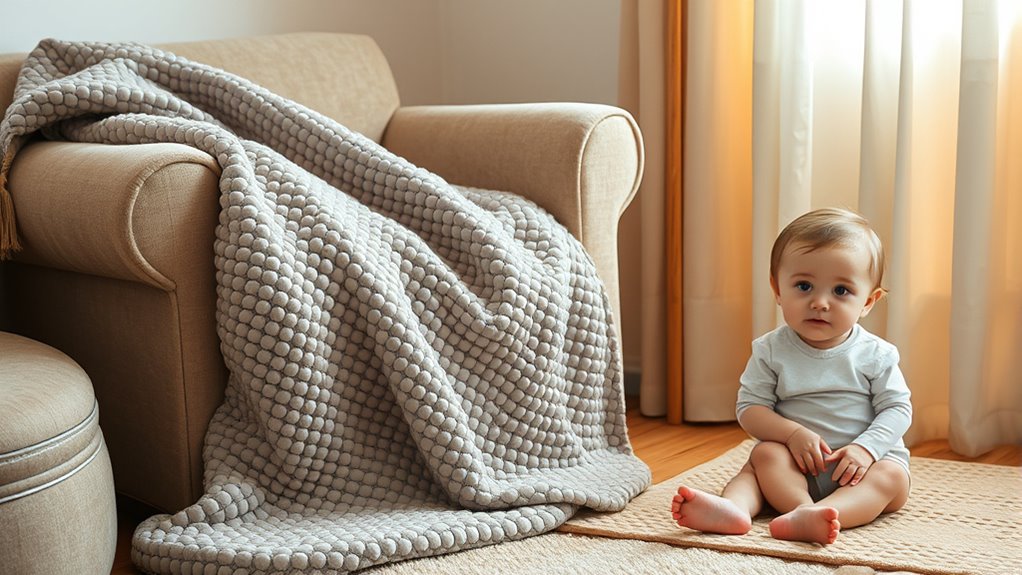
Individuals with sensory processing disorders often experience heightened sensitivity to touch, making the use of weighted blankets both beneficial and challenging. The gentle pressure can help calm overstimulation, but it may also feel overwhelming or uncomfortable. If you’re considering a weighted blanket, pay attention to your body’s reactions and start with lighter options. It’s essential to monitor how you feel during use and adjust accordingly.
- Choose a weight that is about 10% of your body weight for comfort
- Use blankets with soft, non-irritating fabrics
- Limit use to short periods initially to gauge tolerance
- Always listen to your body and stop if discomfort arises
Pregnant Women

Pregnant women should approach weighted blanket use with caution, as their bodies undergo many changes that can affect comfort and safety. The added pressure of a weighted blanket may increase discomfort or cause unexpected strain, especially on the abdomen or hips. Additionally, pregnancy can alter circulation and sensitivity, making some areas more prone to pressure or irritation. It’s essential to consult your healthcare provider before using a weighted blanket to guarantee it’s safe for your specific situation. If you do decide to try one, start with a lighter weight and monitor how your body responds. Avoid using the blanket during pregnancy if you experience dizziness, shortness of breath, or unusual discomfort. Prioritizing your safety and comfort is key during this important time.
Persons With Skin Conditions or Allergies
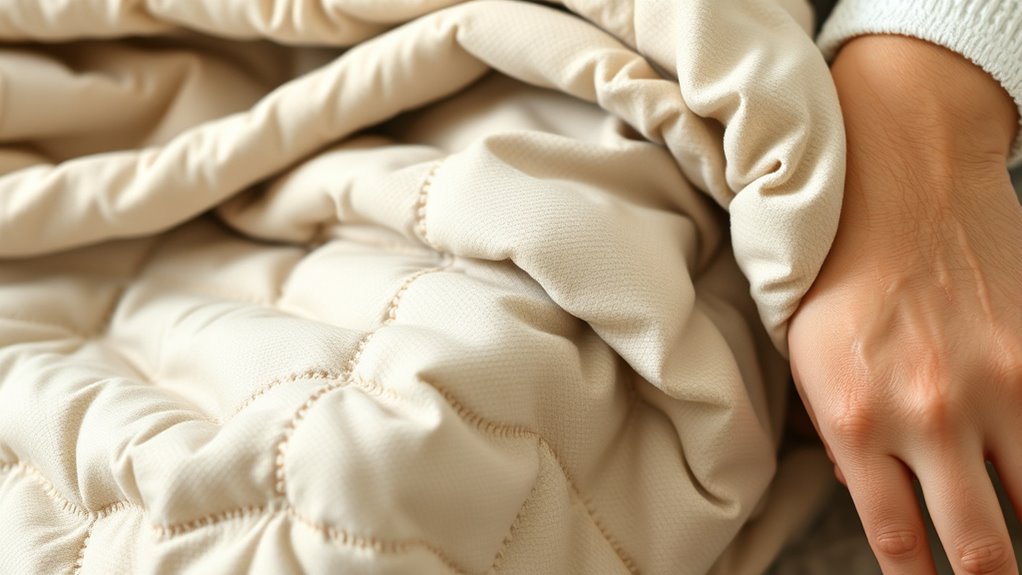
If you have skin conditions or allergies, it’s important to approach weighted blanket use carefully, as the materials and fillers can trigger irritation or allergic reactions. Before choosing a blanket, check the fabric and filler content. Opt for hypoallergenic, natural, and breathable materials like organic cotton or bamboo. Wash the blanket regularly to remove allergens and dust mites. Consider a removable cover for easier cleaning. Always test a small area first to see if your skin reacts. Your skin’s health matters, so prioritize safe options.
- Choose hypoallergenic, natural fabrics to reduce irritation
- Regular washing helps eliminate allergens and dust mites
- Use removable covers for easier cleaning and maintenance
- Test new blankets on a small skin area before full use
Frequently Asked Questions
Can Weighted Blankets Be Used Safely by Seniors?
Yes, seniors can use weighted blankets safely if they follow proper precautions. You should consult with your healthcare provider first, especially if you have medical conditions like circulation issues, respiratory problems, or arthritis. Make sure the blanket isn’t too heavy—generally, 10% of your body weight is recommended. Always use the blanket on a safe, stable surface, and monitor for any discomfort or difficulty breathing during use.
Are There Risks for People With Mental Health Conditions?
You might think weighted blankets are always safe, but for people with mental health conditions, they can sometimes pose risks. If you have anxiety, depression, or trauma, the deep pressure might feel overwhelming or increase feelings of confinement. It’s essential to consult your mental health professional before using a weighted blanket. They can help determine if it’s appropriate for you, ensuring you benefit without unintended negative effects.
How Do I Choose the Right Weight for My Blanket?
You should choose a weighted blanket that’s about 10% of your body weight for ideal comfort and safety. For example, if you weigh 150 pounds, pick a blanket around 15 pounds. If you’re unsure, start with a lighter option and see how it feels. Remember, the right weight shouldn’t feel too heavy or cause discomfort. Always listen to your body and adjust if needed.
Can Weighted Blankets Cause Overheating During Sleep?
You might find yourself feeling uncomfortably hot under a weighted blanket, especially if it’s thick or made from non-breathable materials. During sleep, your body naturally cools, and adding extra warmth can cause overheating. To avoid this, choose a breathable fabric, like cotton, and opt for a lighter weight or cooling features. Staying hydrated and using a fan can also help keep your sleep environment comfortable.
Are There Any Age Restrictions for Using Weighted Blankets?
Yes, there are age restrictions for using weighted blankets. Generally, children under age 3 should not use them due to suffocation risks. For children aged 3 to 6, adult supervision is essential, and the blanket should be lightweight, around 3-5 pounds. Older children and adults can typically use standard weighted blankets safely, but always check weight recommendations and consult a healthcare professional if you have concerns.
Conclusion
While weighted blankets can offer comfort, it’s best to approach them with gentle caution if you fall into certain categories. Listening to your body and consulting a healthcare professional can help you find the safest, most soothing sleep experience. By respecting your unique needs, you’ll create a bedtime routine that feels just right—safe, cozy, and calming. Remember, sometimes a softer touch is the best way to embrace restful nights.
Halloween Picks
halloween
As an affiliate, we earn on qualifying purchases.