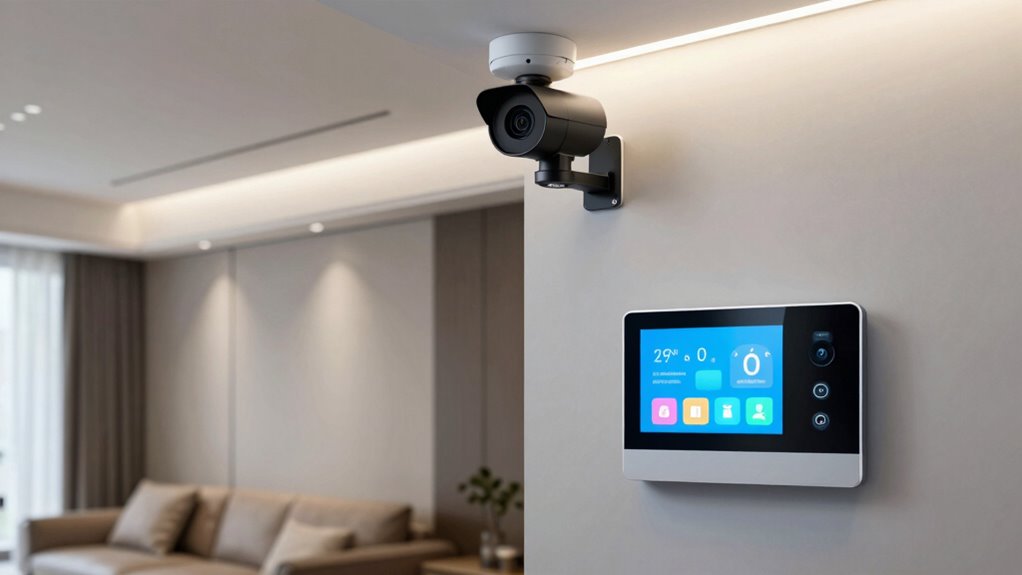

Smart security systems use sensors, cameras, and smart technology to protect your home. Sensors detect motion, breaches, and environmental hazards, while cameras provide live video access remotely via your smartphone or computer. A central hub manages devices, sends alerts, and enables automation. Proper installation and regular maintenance guarantee reliability, while security features keep your data safe. If you want to understand how these systems work and how to choose the right one, keep going.
Key Takeaways
- Smart security systems include sensors, cameras, control panels, and communication devices for comprehensive home protection.
- They operate through continuous monitoring, real-time alerts, and remote access via smartphones or computers.
- Proper installation, sensor placement, and regular maintenance ensure system effectiveness and reduce false alarms.
- Firmware updates and routine testing enhance security, add features, and maintain system reliability.
- Key benefits include instant alerts, remote monitoring, integration with smart home devices, and strong data security measures.
Components of Smart Security Systems
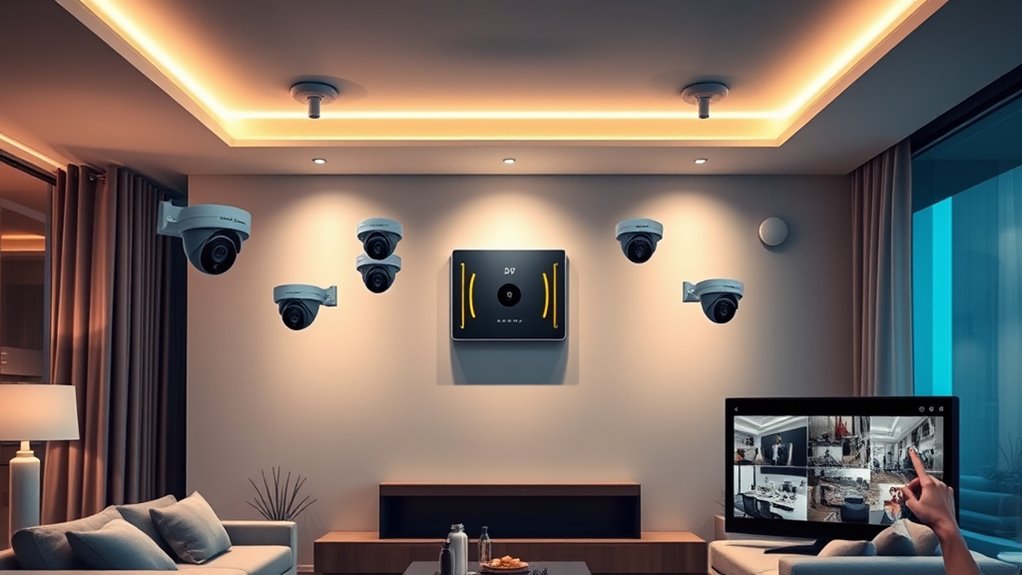
What are the essential parts that make up a smart security system? You’ll find that they include sensors, cameras, control panels, and communication devices. Sensors detect motion, door or window breaches, and sometimes even environmental changes like smoke or carbon monoxide. The sensors often integrate with other smart devices for comprehensive security and automation. Cameras provide real-time video footage and can be accessed remotely through your smartphone or computer. The control panel acts as the brain, connecting all components and allowing you to arm or disarm the system easily. Communication devices, such as Wi-Fi or cellular modules, ensure your system stays connected to your network and alerts you immediately if something’s amiss. Wireless connectivity is crucial for maintaining a reliable connection across all devices. A strong and reliable network is essential for consistent performance of the system. High-quality projectors are also sometimes integrated for enhanced home automation interfaces. Additionally, the use of privacy and security measures ensures that your data remains protected within the network. Together, these parts create a cohesive network, offering reliable protection and seamless control over your security environment.
How Smart Security Systems Work
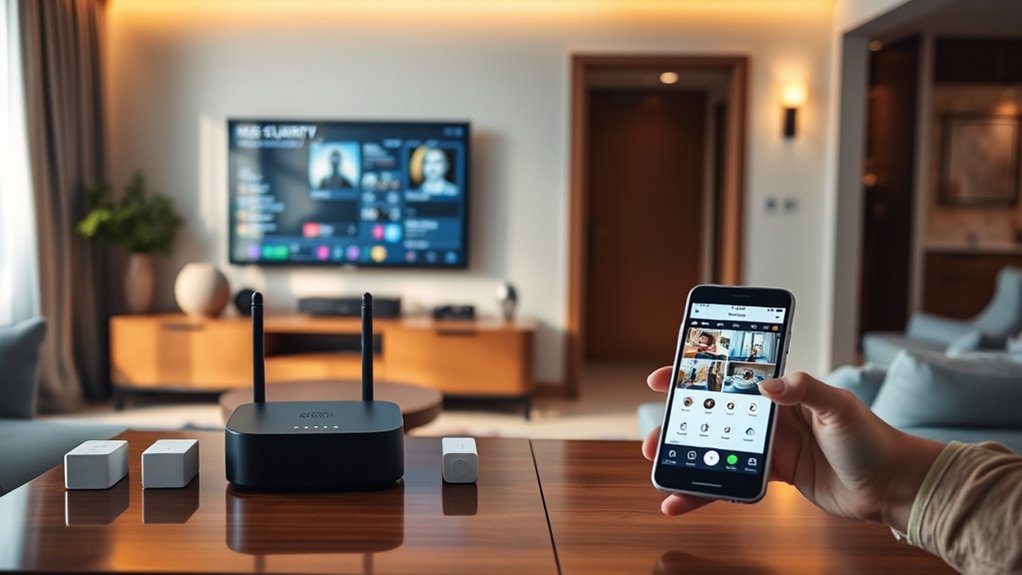
Smart security systems operate by integrating their various components to monitor your home continuously and respond instantly to potential threats. When a sensor detects movement, a door opens unexpectedly, or a window breaks, the system immediately alerts you via your smartphone. It can also trigger alarms or notify monitoring services if set up. Cameras capture real-time footage, allowing you to see what’s happening inside or outside your home from anywhere. The system’s hub processes all data from sensors and cameras, determining if an alert is necessary. You can control and customize settings through a user-friendly app, ensuring your security preferences are met. This seamless integration enables quick responses, giving you peace of mind knowing your home is protected 24/7. Additionally, security protocols are built into these systems to help prevent unauthorized access or hacking. Incorporating local automation features can further enhance security by enabling the system to adapt to your routines and preferences. Understanding system reliability is also crucial to ensure your security system remains operational during power outages or internet disruptions. Moreover, advancements in sensor technology improve detection accuracy and reduce false alarms, making these systems even more dependable.
Benefits of Using Smart Security Systems
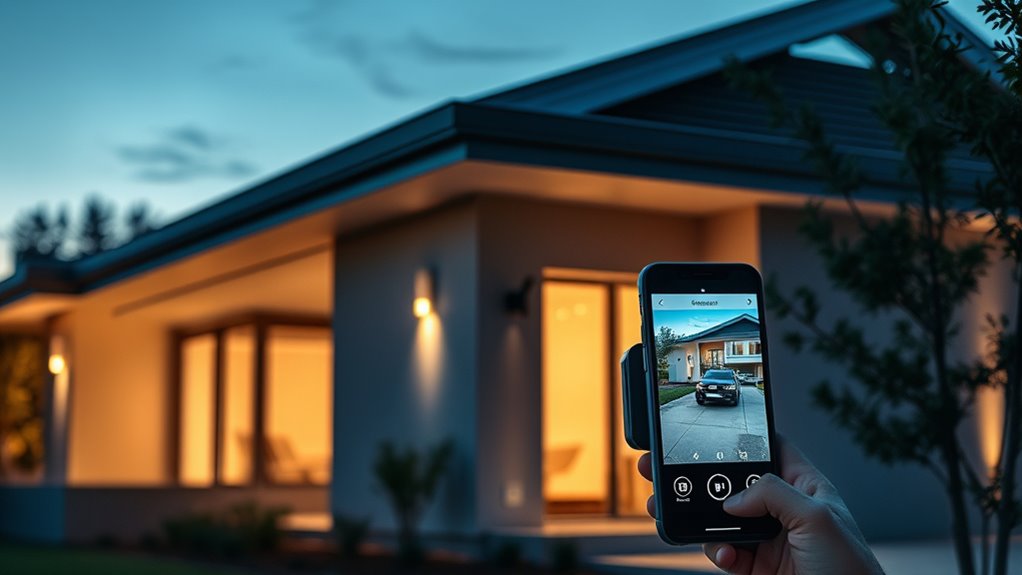
Using smart security systems offers numerous advantages that enhance your home’s safety and your peace of mind. You gain real-time alerts whenever suspicious activity is detected, allowing you to respond immediately or notify authorities. These systems often include remote access, so you can monitor your home from anywhere using your smartphone or tablet. They also provide increased reliability, reducing false alarms and ensuring you’re always aware of your home’s status. Additionally, smart security systems can integrate with other smart devices, creating a holistic home automation setup that simplifies your daily routines. Incorporating Free Floating components can make your security setup more flexible and adaptable to various outdoor environments. This integration can also improve the overall connectivity and responsiveness of your security network. Moreover, many systems now feature advanced encryption, which enhances data security and protects your privacy. The use of cookies can help tailor the system’s notifications and improve user experience. In fact, choosing a security zone with reputable providers ensures your system remains reliable and effective. Overall, they offer convenience, improved security, and the reassurance that comes with knowing your home is protected around the clock.
Key Features to Consider When Choosing a System
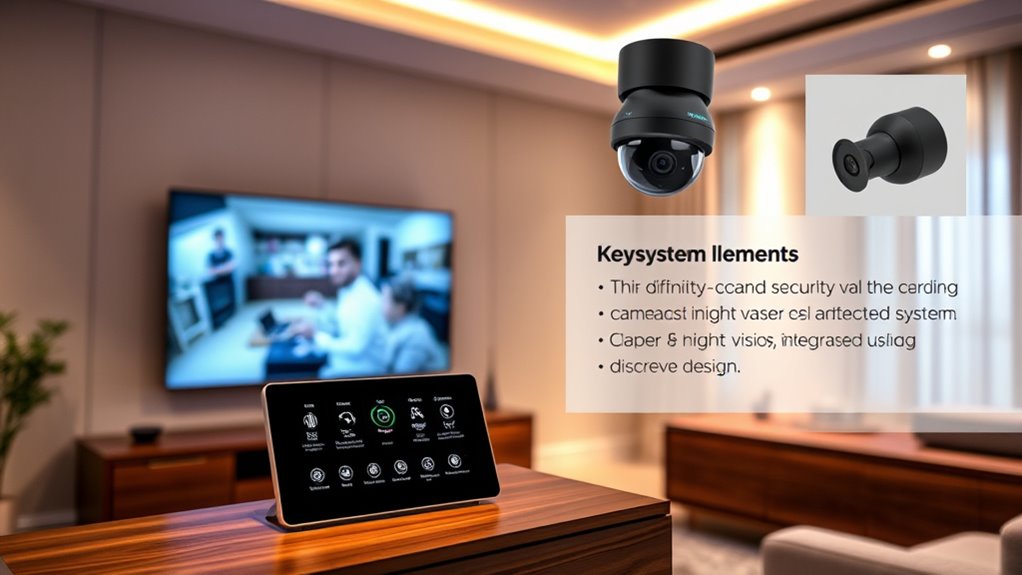
When selecting a smart security system, focusing on its key features helps guarantee it meets your specific needs. Look for systems with real-time alerts, so you’re instantly notified of any suspicious activity. Consider camera quality—high-definition footage makes identification easier. Verify the system offers remote access via a mobile app, giving you control from anywhere. Compatibility with other smart home devices can add convenience and expand functionality. Battery backup is essential in case of power outages. Look for customizable sensors and zones, so you can tailor coverage to your property’s layout. User-friendly interfaces and straightforward setup are also important, making installation and daily use hassle‑free. Prioritize features that align with your security concerns, whether it’s monitoring outdoor areas, smart locks, or indoor motion detection. Additionally, understanding thermal behavior can help optimize the placement and effectiveness of cameras and sensors for comprehensive coverage. Recognizing sensor placement considerations can further enhance your system’s overall reliability and security effectiveness, especially when combined with knowledge of smart home integration for a seamless security experience.
A well-designed system also considers power management to ensure continuous operation during outages and to avoid unnecessary energy use, contributing to overall safety and efficiency.
Tips for Installing and Maintaining Smart Security Systems
Proper installation is crucial to guarantee your security system functions effectively, so take the time to follow the manufacturer’s instructions carefully. Make certain sensors and cameras are placed at ideal points for maximum coverage. Regularly check for firmware updates to keep your system protected and efficient. Clean lenses and sensors to prevent false alarms and maintain clear footage. Test your system monthly to confirm all components work properly. Using trusted gadget insights can help you select the best equipment for your needs. Additionally, understanding security zone info can guide you in optimizing your system’s placement and features. For example, knowing the differences between Pomade Vs Putty Vs Styling Cream can assist in selecting the right styling products for your hair type, which is similar to choosing the appropriate sensors and cameras for your security setup. Properly understanding power tool safety can also help prevent accidents during installation or maintenance. Implementing system security protocols is essential to safeguard your network and devices from cyber threats. Use the table below as a quick reference for installation tips:
| Tip | Benefit |
|---|---|
| Follow setup instructions | Ensures correct installation |
| Position sensors wisely | Prevents blind spots |
| Schedule regular maintenance | Keeps system reliable |
| Update firmware | Enhances security and features |
| Test system monthly | Identifies and fixes issues early |
Frequently Asked Questions
Can Smart Security Systems Be Integrated With Existing Home Automation Devices?
Yes, you can integrate smart security systems with your existing home automation devices. Most modern systems are compatible with popular platforms like Alexa, Google Assistant, and Apple HomeKit. You simply connect your security devices to your smart hub or app, enabling you to control everything seamlessly. This integration allows you to manage alarms, cameras, and sensors from a single interface, making your home smarter and more secure effortlessly.
What Is the Typical Lifespan of Smart Security System Components?
Think of your smart security system as a garden that needs tending. Typically, sensors last about 5 to 10 years, cameras around 3 to 7 years, and batteries 1 to 3 years. Regular maintenance and updates keep your system reliable, like watering your plants. As technology evolves, some components may become outdated faster, but proactive care guarantees your security remains strong and your home stays protected.
How Do Smart Security Systems Handle Power Outages or Internet Disruptions?
During power outages, your smart security system often switches to backup power sources like batteries, ensuring continuous operation. If your internet goes down, many systems rely on cellular networks or local storage to maintain functionality. You’ll receive alerts through your mobile device, and some systems can even operate offline temporarily. To stay protected, regularly check backup batteries and consider a system with cellular backup options for added peace of mind.
Are Smart Security Systems Suitable for Both Residential and Commercial Properties?
Yes, smart security systems suit both residential and commercial properties. They offer flexible features like remote monitoring, automated alerts, and integration with other smart devices, making them adaptable to different needs. You can customize the system to fit your property size and security requirements. With user-friendly apps and professional support, you’re empowered to keep your home or business secure, whether you’re there or away.
What Are the Privacy and Data Security Concerns Associated With Smart Security Systems?
Think of your data as a treasure chest—smart security systems can open it if not properly guarded. You might worry about hackers accessing your cameras or personal info, or companies collecting data without your consent. To protect yourself, guarantee strong passwords, update software regularly, and review privacy policies. Staying vigilant is like locking your doors; it keeps intruders out and your information safe.
Conclusion
Now that you know how smart security systems work and what to look for, you’re better equipped to choose the right setup for your home. Remember, a smart security system is only as good as its maintenance, so stay vigilant and keep it updated. Don’t put all your eggs in one basket—balance technology with good habits. With the right system, you’ll sleep soundly knowing your home is protected from all angles.