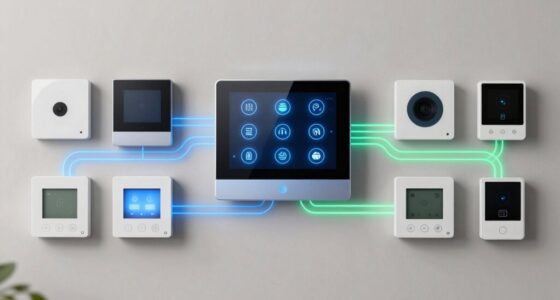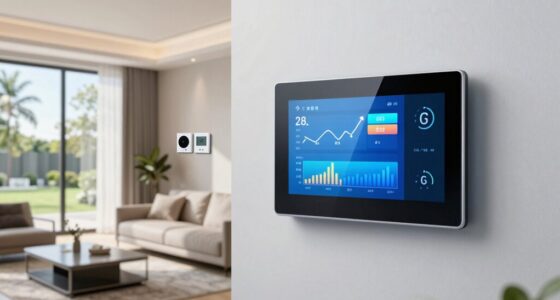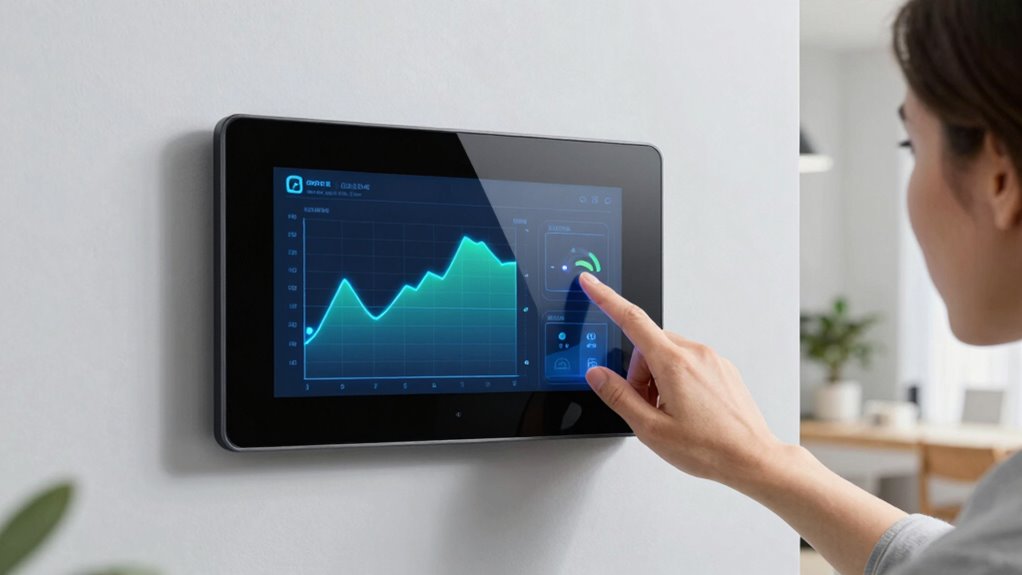

Energy monitoring systems track and analyze your energy use in real time, helping you find inefficiencies, cut costs, and optimize consumption. They use sensors or smart meters to collect data, which is then processed to provide clear insights through dashboards or apps. These systems are customizable and scalable, supporting renewable integration and smart grid participation. If you want to learn how these technologies can improve your energy management, keep exploring the details below.
Key Takeaways
- Energy monitoring systems track and analyze real-time energy consumption to identify inefficiencies and optimize usage.
- They utilize sensors and smart meters to collect data and provide actionable insights via user-friendly dashboards.
- These systems support renewable energy integration, smart grid participation, and demand response management.
- Implementation involves site assessment, sensor placement, software configuration, and staff training for effective operation.
- Benefits include reduced operational costs, enhanced energy efficiency, regulatory compliance, and improved sustainability.
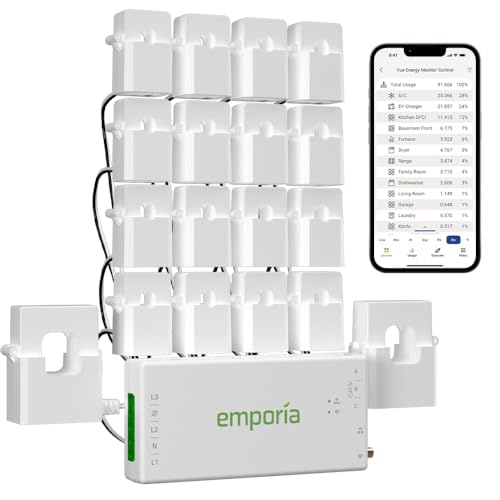
Emporia Vue 3 Home Energy Monitor – Smart Home Automation Module and Real Time Electricity Usage Monitor, Power Consumption Meter, Solar and Net Metering for UL Certified Safe Energy Monitoring
SAFETY YOU CAN TRUST WITH UL CERTIFICATION: With Emporia Energy, your home energy monitoring is safe, reliable, and…
As an affiliate, we earn on qualifying purchases.
As an affiliate, we earn on qualifying purchases.
What Are Energy Monitoring Systems?
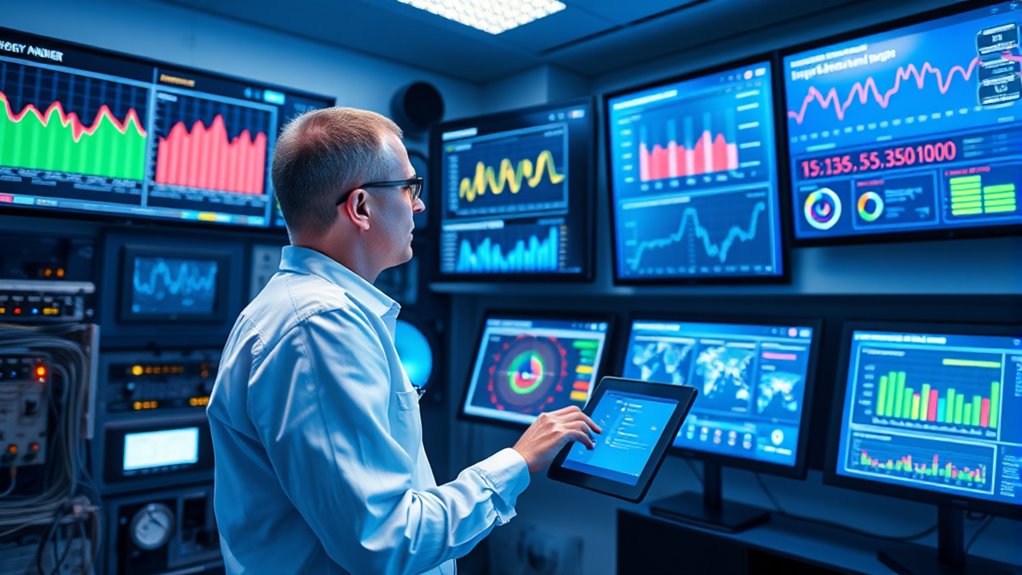
Energy monitoring systems are tools that track and analyze your energy consumption in real-time. These systems help you understand how much energy you’re using and identify opportunities for efficiency. They are essential for supporting renewable integration, making it easier to manage solar panels, wind turbines, or other renewable sources. By connecting to a smart grid, energy monitoring systems facilitate two-way communication between your home or business and the utility, optimizing energy flow. This integration allows for better load balancing, reduces waste, and enhances overall grid stability. When you have an energy monitoring system, you gain greater control over your energy use, enabling smarter decisions and contributing to a more sustainable, efficient energy future. European cloud innovation plays a key role in supporting these advanced energy management solutions. Additionally, data privacy considerations are important to ensure that your energy data remains secure while benefiting from these technologies. Understanding the importance of system interoperability can further improve how these systems work seamlessly with various energy sources and smart devices. Incorporating advanced analytics can also provide deeper insights and predictive capabilities for energy management. Furthermore, real-time data processing enhances the responsiveness and accuracy of energy monitoring systems, leading to more effective management.
Emporia Vue 3 Home Energy Monitor – Smart Home Automation Module and Real Time Electricity Usage Monitor, Power Consumption Meter, Solar and Net Metering for UL Certified Safe Energy Monitoring
SAFETY YOU CAN TRUST WITH UL CERTIFICATION: With Emporia Energy, your home energy monitoring is safe, reliable, and…
As an affiliate, we earn on qualifying purchases.
As an affiliate, we earn on qualifying purchases.
How Do Energy Monitoring Systems Work?
To understand how energy monitoring systems work, it helps to see them as the brains behind your energy data. They track your power consumption by collecting real-time information through sensors or smart meters installed on your electrical systems. This data is then transmitted to a central unit or cloud platform for analysis. The system processes the data through data analysis algorithms, identifying patterns and pinpointing areas where energy is wasted. Accurate data collection ensures the system provides reliable insights into your energy use. By providing clear, actionable insights, it helps you understand your energy use and make informed decisions. Most systems also offer user-friendly dashboards or apps, so you can monitor your energy consumption anytime. Additionally, incorporating sustainable practices can enhance your overall energy efficiency and environmental impact. Understanding energy flow and how it can be optimized allows for better management of your energy resources. In essence, energy monitoring systems decode your power consumption, turning raw data into valuable insights that support energy efficiency. Additionally, many systems integrate with connected home devices, allowing for more comprehensive management of your energy use.
Emporia Vue 3 Home Energy Monitor – Smart Home Automation Module and Real Time Electricity Usage Monitor, Power Consumption Meter, Solar and Net Metering for UL Certified Safe Energy Monitoring
SAFETY YOU CAN TRUST WITH UL CERTIFICATION: With Emporia Energy, your home energy monitoring is safe, reliable, and…
As an affiliate, we earn on qualifying purchases.
As an affiliate, we earn on qualifying purchases.
Types of Energy Monitoring Technologies
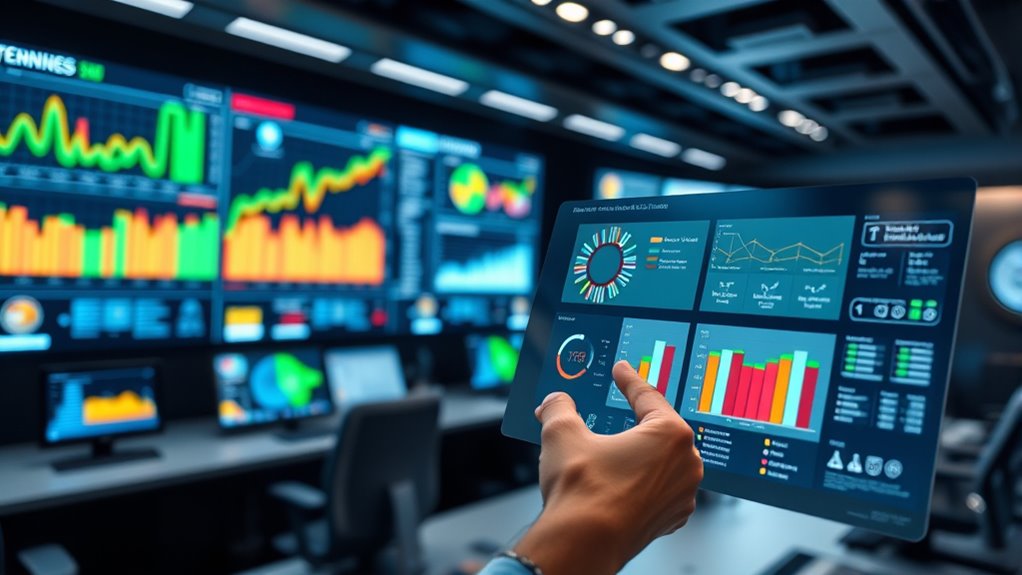
Have you ever wondered how different technologies track your energy use? Two main types are smart meters and wireless sensors. Smart meters are installed at your main electrical panel, providing real-time data directly to your utility and you. Wireless sensors are small devices placed throughout your home, monitoring specific appliances or circuits. They communicate data wirelessly, making installation easy and flexible. Here’s a quick comparison:
| Technology | Key Feature |
|---|---|
| Smart meters | Centralized, real-time energy data |
| Wireless sensors | Localized, appliance-specific info |
Both technologies help you understand your energy consumption better. While smart meters give an overview, wireless sensors offer detailed insights into individual devices, empowering you to optimize your energy use efficiently. Additionally, understanding energy monitoring technologies can help you leverage modern tools for safer and smarter energy management during outdoor or emergency scenarios. Being aware of the different monitoring options allows homeowners to choose solutions that best fit their energy management goals and home setup. Recognizing the benefits of energy monitoring can motivate more consistent use of these systems for long-term savings and safety.
Smart Energy Management for Smart Grids
As an affiliate, we earn on qualifying purchases.
As an affiliate, we earn on qualifying purchases.
Key Features and Components of EMS

Understanding the key features and components of an Energy Monitoring System (EMS) is essential for maximizing its benefits. Central to an EMS are sensors that measure energy consumption, where sensor accuracy guarantees reliable data collection. High-quality sensors detect even small changes, giving you precise insights. Ensuring sensor calibration is maintained over time is crucial for ongoing data accuracy and system reliability. Regular performance checks help sustain sensor precision and prevent data drift. Data visualization tools are another critical component, transforming raw data into clear charts and dashboards. This visual representation makes it easier to interpret energy patterns and identify waste. An effective EMS also includes a user-friendly interface and connectivity options, allowing seamless monitoring across devices. Together, these features enable you to gain real-time visibility into your energy use, helping you to make informed decisions to optimize efficiency and reduce costs.
Benefits of Using Energy Monitoring Systems
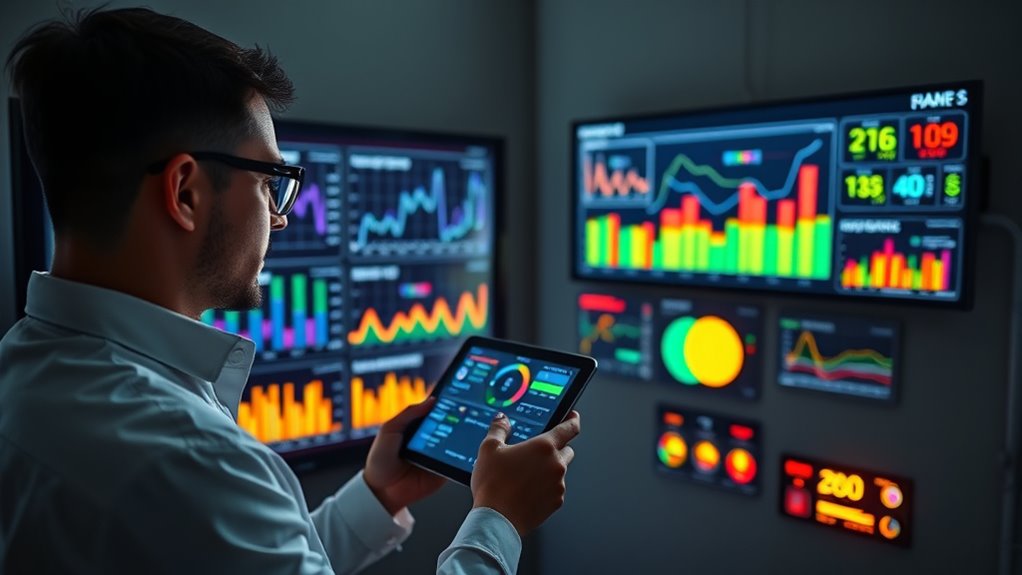
Using an energy monitoring system can help you save money by identifying areas where energy is wasted. It also boosts your efficiency by giving you real-time insights into your energy use. Additionally, cutting through tech clutter ensures you focus on the most valuable tools for your needs, making managing your energy consumption simpler and more cost-effective. Understanding energy consumption patterns can further optimize your energy management strategies, especially when utilizing data-driven comparisons for small appliances and comfort devices. Recognizing the importance of evidence-backed guidance can help you make more informed decisions about your energy usage. Incorporating user-friendly interfaces can make it easier for users to interpret data and take effective action.
Cost Savings Potential
Energy monitoring systems can substantially reduce your operational costs by providing real-time insights into energy usage. With accurate data at your fingertips, you can identify inefficiencies quickly, leading to significant time savings. By pinpointing problematic equipment or processes, you avoid unnecessary energy consumption and reduce downtime. Additionally, these systems enable proactive maintenance, which cuts down on costly repairs and unplanned outages. When issues are detected early, you prevent equipment failures and extend the lifespan of your assets. The combined effect of improved efficiency, fewer emergency repairs, and optimized energy use translates into lower bills and better resource management. Furthermore, smart contracts can automate maintenance schedules and streamline operations, enhancing overall efficiency. Implementing these systems also supports environmental considerations by promoting sustainable energy practices. Incorporating energy monitoring systems can also help organizations adhere to regulatory compliance standards, avoiding penalties and fostering trust with stakeholders. Moreover, understanding energy consumption patterns allows for targeted improvements that maximize savings. Overall, investing in an energy monitoring system offers measurable cost savings while enhancing your operational reliability and productivity.
Enhanced Energy Efficiency
By providing real-time data on energy consumption, energy monitoring systems help you identify inefficiencies and make informed adjustments. This increased awareness allows you to optimize energy use, reducing waste and lowering costs. Additionally, these systems support renewable integration by tracking how renewable sources contribute to your overall energy mix, ensuring maximum efficiency. They also enable your facility to participate in a smart grid, facilitating dynamic energy management and demand response. As a result, you can adapt quickly to changing energy demands, improve reliability, and enhance sustainability. The integration of these technologies leads to better decision-making, increased operational efficiency, and a more resilient energy system. Ultimately, energy monitoring systems empower you to achieve greater energy efficiency and support a greener future.
Implementing an Energy Monitoring System in Your Space
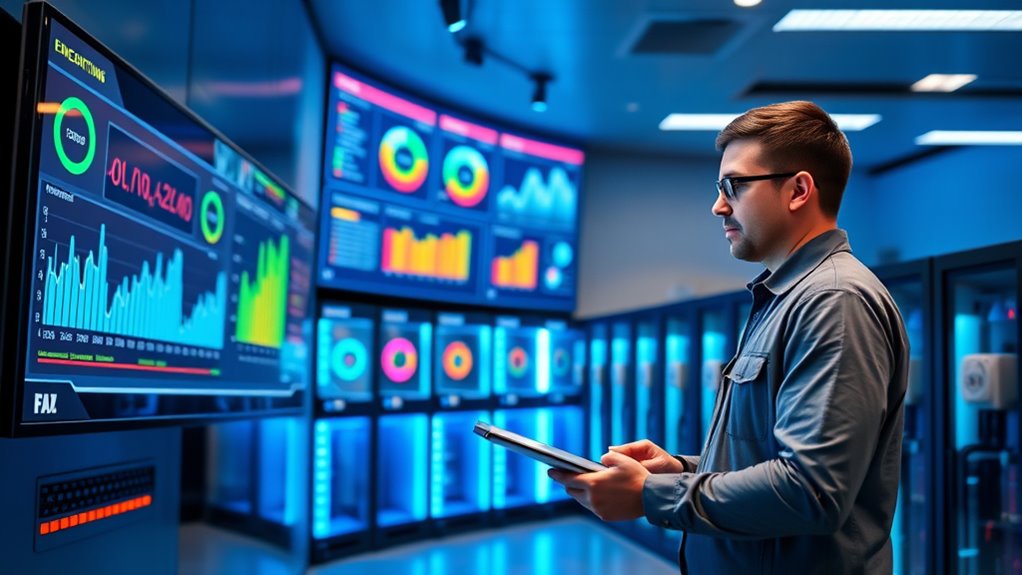
To successfully implement an energy monitoring system, you need to start with a thorough site assessment and careful planning. Next, choose a system that fits your needs and budget, ensuring compatibility with your existing setup. Finally, focus on proper installation and seamless integration to maximize efficiency and data accuracy.
Site Assessment & Planning
Before installing an energy monitoring system, you need to conduct a thorough site assessment to understand your space’s unique energy use patterns. This helps identify opportunities for renewable integration and enhances building automation. Start by analyzing existing systems, occupancy patterns, and equipment loads. Consider the layout and energy flow to pinpoint inefficiencies. Use this information to plan sensor placement and data collection points. A detailed assessment guarantees your system is tailored to your needs, maximizing efficiency and savings. Here’s a quick overview:
| Aspect | Details |
|---|---|
| Renewable goals | Identify suitable renewable sources for integration |
| Building automation | Determine automation points to optimize energy use |
| Energy patterns | Understand peak times and load distribution |
Choosing the Right System
Selecting the right energy monitoring system starts with understanding your specific needs and goals. If you manage a facility with extensive battery management, look for systems that offer detailed battery performance data and real-time alerts. For those integrating into a smart grid, choose a system that supports advanced communication protocols and can adapt to grid demands. Consider scalability; your chosen system should grow with your energy needs. Ease of use and compatibility with existing infrastructure are also vital. Evaluate data accuracy, reporting capabilities, and how well the system helps identify energy-saving opportunities. By focusing on your unique requirements—whether optimizing battery performance or enhancing smart grid integration—you guarantee a reliable, efficient energy management setup tailored to your space.
Installation & Integration
Implementing an energy monitoring system involves careful planning to guarantee seamless integration with your existing infrastructure. You’ll start with hardware setup, installing sensors and meters at key points throughout your space. Proper placement ensures accurate data collection and smooth operation. Next, configure the system’s software to match your energy usage patterns. Don’t forget to provide user training—teaching staff how to interpret data and troubleshoot issues. Visualize the setup as:
- Sensors mounted on walls or equipment
- Cables connecting to a central hub
- Software dashboards displaying real-time energy flow
- Staff learning to navigate the interface
- Ongoing adjustments based on initial feedback
A well-executed installation streamlines energy management, empowering you to reduce waste and optimize performance efficiently.
Frequently Asked Questions
What Is the Initial Cost of Installing an Energy Monitoring System?
The initial cost of installing an energy monitoring system varies based on size, complexity, and features but generally ranges from $1,000 to $10,000. When budgeting, consider installation costs, hardware, and software. You should also account for ongoing maintenance and potential upgrades. Planning ahead helps you allocate funds wisely and guarantees you get a system that fits your needs without overspending. Proper budgeting considerations optimize your investment in energy efficiency.
How Secure Are Energy Monitoring Systems Against Cyber Threats?
You’re right to be concerned about cybersecurity risks. Energy monitoring systems are generally secure, thanks to data encryption that protects your information. However, like any digital system, they aren’t entirely immune. To stay safe, make sure updates are applied regularly, use strong passwords, and choose systems with robust security features. By doing so, you reduce vulnerabilities and safeguard your energy data against potential cyber threats.
Can Energy Monitoring Systems Integrate With Smart Home Devices?
Yes, energy monitoring systems can seamlessly integrate with smart home devices. You’ll find that many systems offer smart home integration options, allowing you to connect compatible devices easily. This enhances device compatibility, giving you centralized control over lighting, thermostats, and appliances. By linking your energy monitor with your smart home setup, you can optimize energy use, improve convenience, and create a more efficient, connected living environment.
What Maintenance Is Required for Ongoing System Performance?
To keep your energy monitoring system running smoothly, you need to perform regular maintenance. This includes checking for and installing firmware updates to guarantee your system stays secure and efficient. Additionally, you should periodically calibrate the system to maintain accurate readings. Keep an eye on any device notifications about updates or calibration needs, and follow the manufacturer’s instructions to ensure ongoing peak performance.
How Accurately Do Energy Monitoring Systems Measure Energy Consumption?
You’ll find that energy monitoring systems typically measure consumption with about 95% accuracy, making them reliable tools. Measurement accuracy depends heavily on proper sensor calibration, which guarantees data remains precise over time. Regular calibration checks help maintain this accuracy, so you can confidently track your energy usage. When sensors are properly calibrated, you get consistent, trustworthy readings, helping you identify energy-saving opportunities and optimize your system’s performance.
Conclusion
By now, you see how energy monitoring systems can transform your space into an efficiency powerhouse. They’re your secret weapon to slashing energy bills, reducing environmental impact, and gaining total control over your energy use. Don’t underestimate their power—they’re like having a supercomputer for your energy management. Embrace these systems today, and watch your energy savings skyrocket faster than you’d ever imagine. Your wallet and the planet will thank you for it!