
To prepare for outages without stress, set up a simple rainwater harvesting system using clean, sealed containers near your home. Complement this with basic water purification methods like boiling, chemical treatments, or filters to keep your supply safe. Store water in shaded, sealed containers and rotate your supplies regularly. With these practical steps, you’ll make certain tap water isn’t a worry during outages. Keep going—there’s more to help you stay prepared smoothly.
Key Takeaways
- Collect rainwater safely using clean, sealed containers under roof catchment areas to ensure a reliable household supply during outages.
- Purify stored rainwater through boiling, chemical treatment, or filtration before use to eliminate health risks.
- Regularly clean and maintain collection systems and storage containers to prevent contamination and ensure water safety.
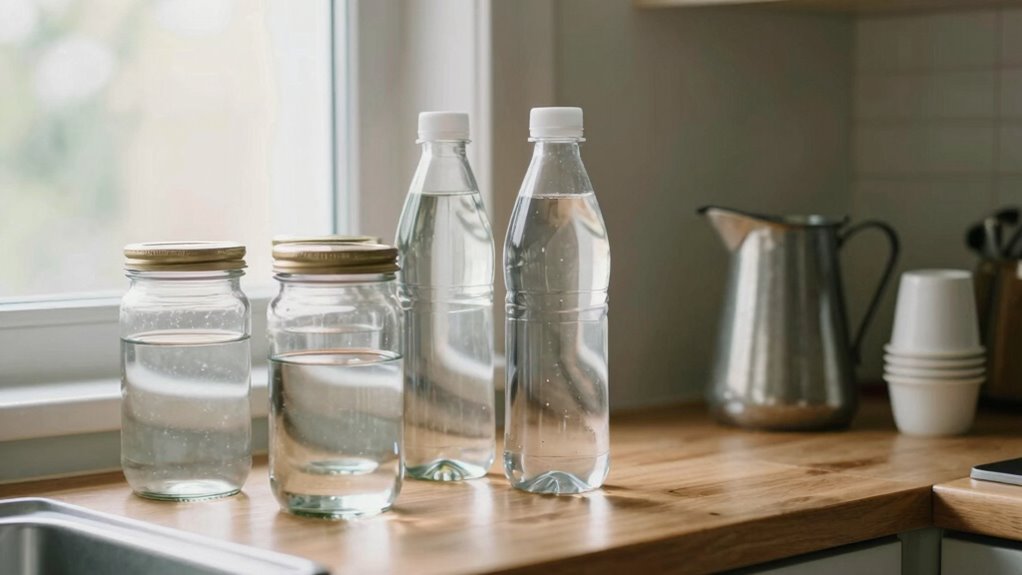
- Store water in sealed, shaded containers away from sunlight and chemicals to preserve quality and freshness.
- Combine multiple purification methods for added safety and peace of mind during extended water outages.
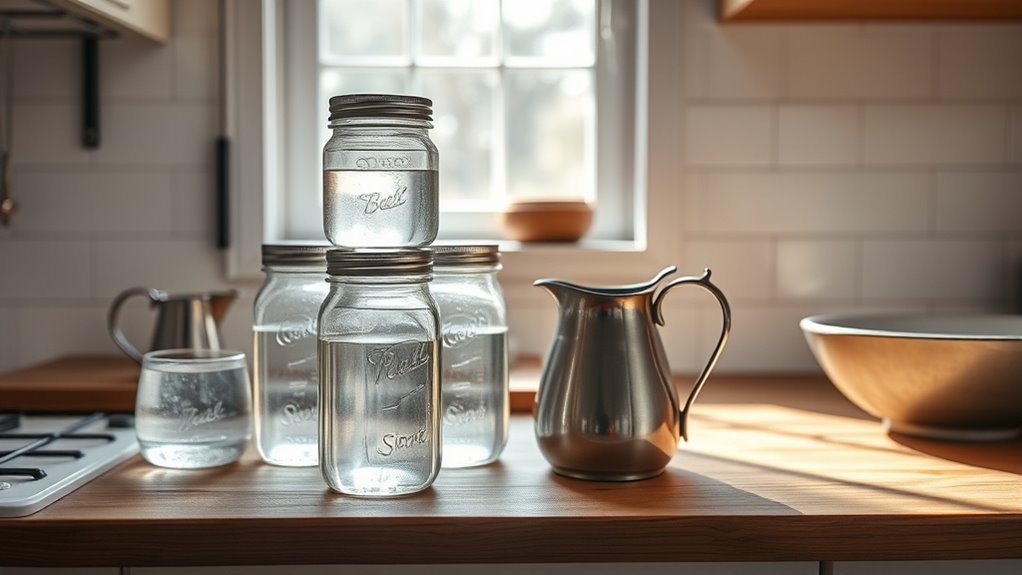
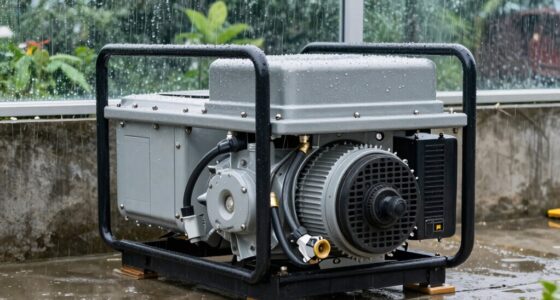
During water outages, it’s essential to have a plan in place to guarantee you stay hydrated and maintain hygiene. One smart approach is rainwater harvesting, which allows you to collect and store rainwater for later use. Setting up a simple system involves positioning clean, food-grade containers or barrels beneath your roof gutters or other catchment areas. This collected rainwater can serve various household needs, reducing reliance on municipal supplies during a crisis. However, raw rainwater isn’t always safe to use directly, so understanding water purification methods becomes fundamental. Proper purification ensures that you eliminate bacteria, viruses, and contaminants that might be present in stored rainwater, making it safe for drinking, cooking, and bathing. Incorporating Glycolic Acid in skincare routines can improve skin resilience, which is beneficial when managing hygiene during outages. There are several effective water purification methods you can employ. Boiling remains one of the simplest and most reliable techniques—bring your stored water to a rolling boil for at least one minute to kill most pathogens. If you prefer a quicker option, water purification tablets or drops, containing chemicals like iodine or chlorine, can disinfect water efficiently. Just follow the instructions carefully to guarantee safety. For those interested in chemical-free methods, filtration systems are available—portable water filters with activated carbon or ceramic elements can remove sediments and some pathogens. These are especially handy if you’re relying on rainwater or other sources that may contain debris or pollutants. Another practical step is using UV purifiers, which can quickly disinfect water without chemicals. These devices use ultraviolet light to destroy microorganisms and can be powered by batteries or solar energy, making them ideal during outages. Combining methods enhances safety; for instance, you might filter water first, then boil or treat it with purification tablets. This layered approach guarantees a higher level of safety and peace of mind. Storing water properly also plays a fundamental role. Keep your stored water in clean, sealed containers away from direct sunlight and chemicals. Rotate your supplies regularly to prevent stagnation or contamination. Remember, even with rainwater harvesting and purification, routine maintenance of your collection and storage systems ensures ongoing safety.
Frequently Asked Questions
How Long Can Stored Water Last Safely?
Stored water can last safely for about six months if you keep it in a clean, airtight container. To guarantee its safety, include it in your emergency kits and regularly test the water for contamination. If stored properly and rotated every six months, your water supply remains reliable during outages. Remember, proper water testing helps spot any issues early, keeping you prepared without panic.
What Are the Best Containers for Water Storage?
Think of your water storage as a treasure chest, and the right containers as its sturdy lock. Use food-grade plastic bottles, glass containers, or BPA-free water storage barrels for safe storage. These container types resist contamination and keep water fresh. Follow storage tips like keeping containers clean, in a cool, dark place, and rotating water regularly. Your careful choices guarantee your water stays safe and ready whenever you need it.
Can Household Water Be Filtered for Drinking?
Yes, you can filter household water for drinking. To remove water contamination, use effective filtration methods like activated carbon filters, portable water purifiers, or boiling. These techniques eliminate bacteria, chemicals, and sediments, making your stored water safe. Regularly maintain and replace filters to guarantee peak performance. Filtering your stored water gives you peace of mind during outages, ensuring you stay hydrated with clean, safe drinking water.
How Often Should I Rotate My Stored Water?
Water wisely wavers with weekly rotations. You should refresh your reservoir every 6 to 12 months to prevent stagnation. Regular container maintenance and water testing keep supplies safe and sound. By swapping stored water on schedule, you ensure freshness and safety, avoiding spoilage or contamination. Set reminders for routine rinsing and testing, so your emergency water remains reliable and ready whenever you need it, staying sustainable and secure.
Are There Natural Methods to Purify Water During Outages?
Yes, you can purify water naturally during outages using methods like natural filtration and UV sterilization. You might filter water through cloth or sand to remove debris and some bacteria, then expose it to sunlight for UV sterilization, which kills germs effectively. Combining natural filtration with sunlight exposure provides a safe, eco-friendly way to purify water without relying on chemicals or advanced equipment, keeping you prepared and safe.
Conclusion
As you prepare for unexpected outages, remember that your household storage can be a quiet safeguard—but it’s not foolproof. The true challenge lies in what you don’t see coming, the moments when your supplies run low or unexpected disruptions strike. Will you have enough to keep going? Stay vigilant, keep your storage topped up, and always be ready to adapt. Because when the lights go out, it’s your quick thinking that could make all the difference.