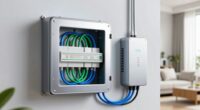
When choosing between a transfer switch and an interlock kit, understand that transfer switches offer automatic, safe power transfer with professional installation, while interlock kits are manual, budget-friendly options that are easier to install yourself. Safety, code compliance, and your budget influence the best choice. Transfer switches provide convenience but cost more, whereas interlock kits are simpler but require manual operation. To ensure proper setup and safety, it’s important to obtain expert guidance—more details can help you decide.
Key Takeaways
- Transfer switches are automatic, more expensive, and require professional installation, while interlock kits are manual, budget-friendly, and often DIY-friendly.
- Proper installation must meet electrical codes; hiring a qualified electrician ensures safety and compliance for both systems.
- Transfer switches instantly isolate your home during power outages, preventing backfeed risks to utility workers; interlock kits require manual operation.
- Transfer switches offer automation and remote control features, whereas interlock kits are simple, mechanical safety devices with less automation.
- Consider long-term safety, cost, local codes, and convenience when choosing between an automatic transfer switch and an interlock kit.

Generac 200-Amp Automatic Generator Transfer Switch, Open Transition, Service Rated, Integrated Brownout Protection, Outdoor Enclosure
AUTOMATIC POWER TRANSFER: Automatically transfers from utility to generator power during outages and restores utility when available
As an affiliate, we earn on qualifying purchases.
As an affiliate, we earn on qualifying purchases.
Understanding the Basic Functions of Transfer Switches and Interlock Kits
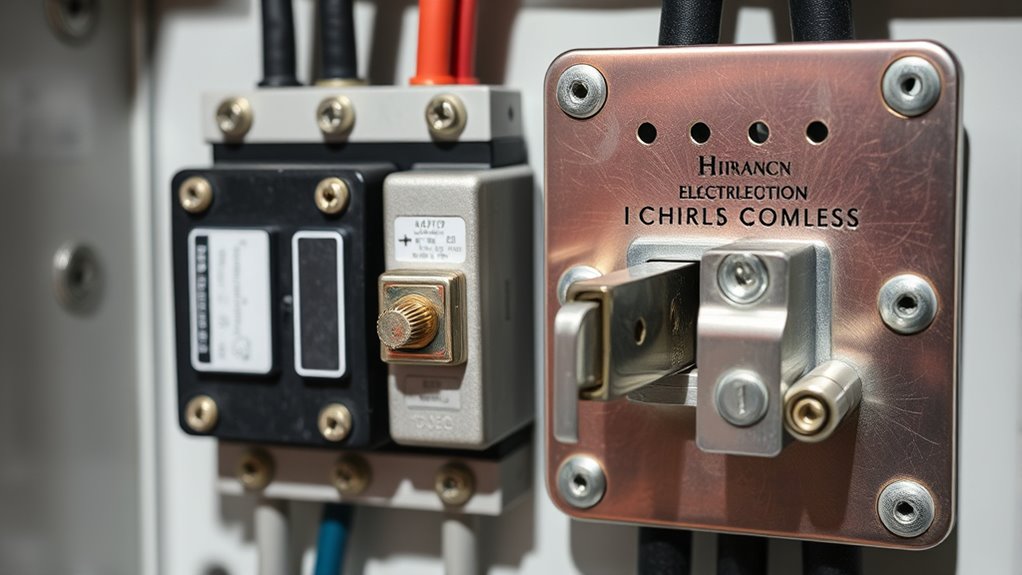
While both transfer switches and interlock kits serve to connect your home to an emergency power source, they function differently to guarantee safe and reliable operation. Transfer switches are dedicated devices that automatically or manually switch your home’s power source from the utility to a generator. They isolate your home from the grid, preventing backfeeding and ensuring safety. Interlock kits, on the other hand, are physical devices that modify your main breaker panel. They prevent you from turning on both the generator and utility power simultaneously, reducing the risk of backfeed. While transfer switches offer a more automated, professional solution, interlock kits provide a cost-effective, DIY-friendly alternative. Understanding these basic functions helps you choose the right option for your home’s safety and power needs. Additionally, integrating energy-efficient cloud solutions can enhance overall safety and sustainability in modern infrastructure. Proper installation procedures are essential to ensure that either system functions correctly and safely in emergency situations.
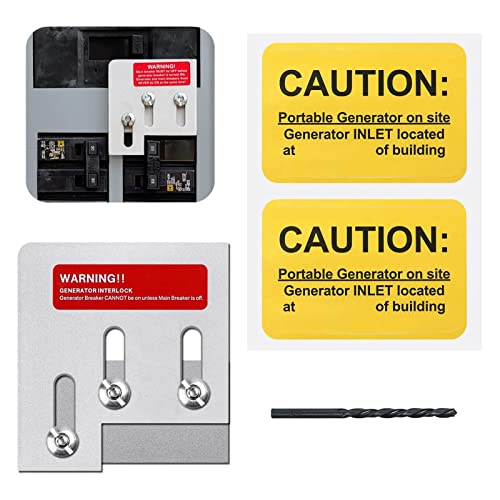
Natupal Generator Interlock Kit Compatible with Square D QO or Homeline 150 or 200 amp panels. 1 3/8 inches Spacing between main and generator breaker, Professional and Interlock Kit (SD200A)
【Compatible Models】Generator Interlock Kit Compatible with Square D QO or Homeline 150 or 200 amp panels.
As an affiliate, we earn on qualifying purchases.
As an affiliate, we earn on qualifying purchases.
How Transfer Switches Work During Power Outages

During a power outage, changeover switches automatically switch your home’s power source from the utility to your generator, guaranteeing a seamless and safe transition. When the utility power drops, the transfer switch detects the outage and promptly activates the generator. It isolates your home from the grid, preventing backfeed that could harm utility workers or damage equipment. This process happens instantly, often within seconds, so you experience minimal disruption. The transfer switch also:
- Ensures your generator powers only designated circuits, avoiding overloads.
- Prevents simultaneous connection to utility and generator, reducing fire risks.
- Coordinates with your generator’s startup sequence, ensuring it reaches proper voltage before power transfer.
- Many modern transfer switches incorporate smart‑home integrations, allowing you to monitor and control your backup power remotely. Additionally, understanding how transfer switches work during power outages can help you better prepare for emergencies. Proper installation process of these switches is crucial for safety and compliance with electrical codes, often requiring professional expertise. Recognizing the importance of automatic transfer switch operation can enhance your confidence in emergency readiness. This automation guarantees safety and convenience during outages, allowing you to rely on backup power without manual intervention.
Furthermore, being aware of maintenance requirements helps ensure your transfer switch functions reliably when needed.

Tzechkii 200A Generator Transfer Switch for Home Generator, 48000W Manual Double-Throw Disconnect Switch, 120/240-Volt, NEMA 3R with Wiring Lugs, Indoor/Outdoor (200A 2P Grey)
Reliable Generator Transfer Switch: Designed to seamlessly switch from utility power to an auxiliary source like a gas…
As an affiliate, we earn on qualifying purchases.
As an affiliate, we earn on qualifying purchases.
The Mechanism Behind Interlock Kits and Their Operation
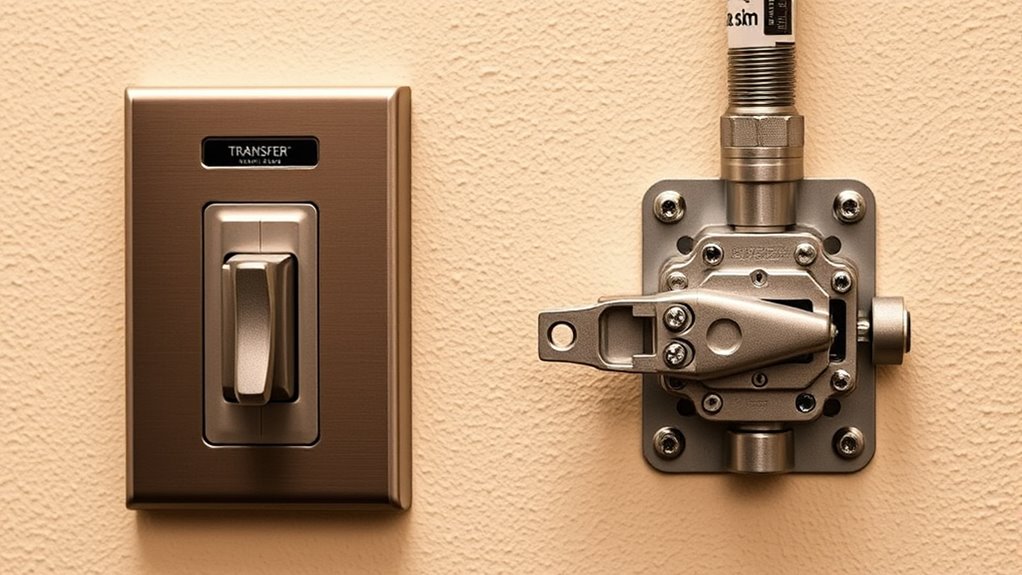
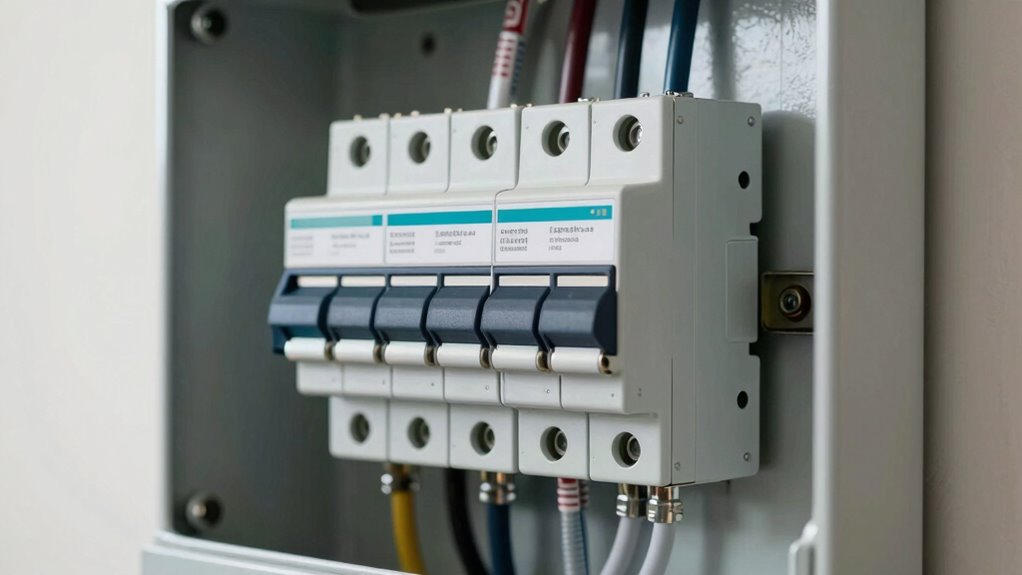
Interlock kits operate as manual safety devices that prevent your home’s main breaker and generator breaker from being on at the same time, guaranteeing a safe transfer of power during outages. They work by physically aligning a metal plate or barrier across the breaker panel’s interior, blocking the main breaker when the generator breaker is engaged. To switch power sources, you manually move the generator breaker to activate backup power, and the interlock prevents the main breaker from being turned on simultaneously. This mechanical interlock ensures only one power source supplies your home at a time, eliminating the risk of backfeeding or electrical hazards. Its operation relies on simple, durable components, making it a reliable and cost-effective safety measure for managing your backup power supply.

Generator Interlock Kit Compatible with Eaton Cutler Hammer BR SERIES 150 and 200 amp Panels, Generator Horizontal Electrical Interlock Kit, 1 1/4-1 7/16 inches Spacing Between Main and Branch Breaker
Safe and Reliable: Generator interlock kit for Eaton Cutler Hammer provide a safe and cost-effective way to backfeeding…
As an affiliate, we earn on qualifying purchases.
As an affiliate, we earn on qualifying purchases.
Installation Requirements and Complexity
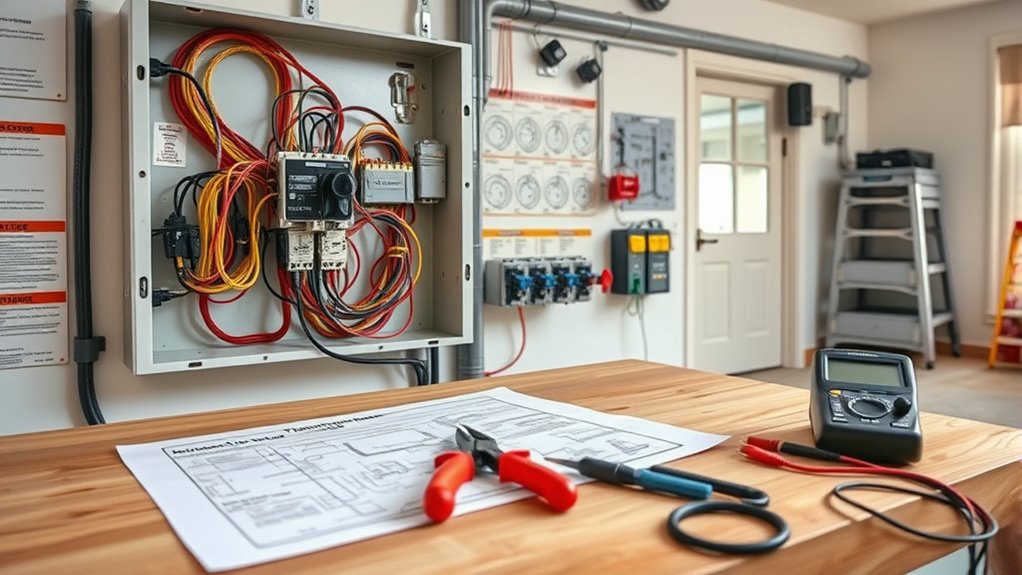
Installing a transfer switch or interlock kit requires a good understanding of electrical systems, so your skill level matters. You’ll also need specific tools and materials to complete the job correctly. Additionally, ensuring your installation meets building code requirements is essential to avoid safety issues and legal problems. Properly understanding home electrical systems can help prevent potential hazards during installation. You should also be aware of local electrical codes to ensure compliance with all regulations. Involving a qualified electrician can further ensure that your setup complies with all applicable electrical safety standards, reducing risks. Recognizing potential electrical hazards during installation can also help you take necessary precautions.
Electrical Skill Necessity
Understanding the electrical skill requirements is essential when choosing between a transfer switch and an interlock kit. Both options involve working directly with your home’s electrical system, but their complexity varies. A transfer switch generally requires advanced knowledge of wiring, circuit breakers, and safety protocols, making it suitable for licensed electricians. An interlock kit, while simpler, still demands careful installation to ensure proper operation and safety.
Properly disconnecting the main power supply before installation is critical to prevent electrical shock or damage. Additionally, understanding electrical safety practices is vital to minimize hazards during installation. Key considerations include:
- Properly disconnecting the main power supply before installation
- Correctly wiring the device without creating backfeed risks
- Ensuring compliance with local electrical codes and standards
- Recognizing the importance of electrician qualifications to safely handle such installations
- Being aware of installation complexity to assess whether professional assistance is necessary
If you’re not confident in your electrical skills, it’s best to hire a professional to avoid hazards and ensure reliable operation.
Tool and Material Needs
Choosing between a transfer switch and an interlock kit depends not only on your electrical skills but also on the tools and materials required for installation. For either option, you’ll need basic hand tools like screwdrivers, pliers, wire strippers, and a drill. A voltage tester is essential to guarantee circuits are de-energized before working. You’ll also need electrical wires, connectors, and possibly a mounting box. Transfer switches often require more specialized components, such as a transfer switch unit, heavy-duty wiring, and a backer box for mounting. Interlock kits typically involve fewer parts and are easier to install, but you’ll still need the basic tools. Preparing these materials beforehand helps assure a smoother, safer installation process.
Building Code Compliance
Ensuring your transfer switch or interlock kit complies with building codes is essential for safety and legal approval. You must understand local regulations, which often specify installation procedures, device ratings, and inspection requirements. Non-compliance can lead to safety hazards, fines, or failed inspections. Before installation, verify that the equipment meets the National Electrical Code (NEC) standards and your local amendments. Engaging a licensed electrician helps guarantee adherence to these rules. Building code compliance also involves understanding the complexity of installation, including wiring, load management, and grounding. Be aware that:
- Proper permits may be required before installation
- Certain devices must be certified by recognized testing labs
- Inspections are mandatory to verify code adherence
Following these guidelines helps guarantee a safe, compliant setup.
Safety Considerations for Each System

Ensuring proper grounding procedures is critical to prevent electrical shocks and equipment damage with either system. You also need to confirm that emergency power is isolated before performing maintenance to avoid accidental energization. These safety steps protect you and others during system operation and troubleshooting. Additionally, always verify grounding procedures are correctly followed to ensure system safety and compliance. Properly following safety protocols helps mitigate potential hazards associated with electrical systems. Incorporating proper electrical connections is essential for maintaining system integrity and safety. Implementing system testing procedures regularly can help identify potential issues before they lead to safety hazards. Paying attention to proper grounding techniques can significantly reduce the risk of electrical faults and ensure compliance with safety standards.
Proper Grounding Procedures
Proper grounding is essential for safety when installing either transfer switches or interlock kits, as it helps prevent electrical shocks and equipment damage. You must verify that the system’s grounding wire is correctly connected to your home’s grounding system, which provides a safe path for stray electricity. Proper grounding reduces the risk of electrical faults and protects both your appliances and yourself. When grounding, consider these key points:
- Confirm your main panel has a solid grounding rod or wire connection.
- Use the correct gauge wire recommended by electrical codes.
- Always turn off power before working on the grounding system to avoid shocks.
- Refer to electrical grounding systems to understand how proper grounding integrates with your overall electrical safety.
- Additionally, ensure your grounding system is properly maintained to prevent corrosion or deterioration over time, which can compromise safety. Regular inspections and grounding system maintenance are crucial for ongoing safety and compliance. Ensuring your grounding system meets local electrical codes is vital for compliance and safety.
Maintaining a properly grounded system is essential for safe operation during power outages and routine use.
Emergency Power Isolation
When installing a transfer switch or interlock kit, isolating the emergency power source is critical for safety. You need to guarantee that when switching between utility power and backup sources, there’s no chance of backfeeding electricity into the grid or causing electrical shock. With a transfer switch, you can manually disconnect the utility line from your home’s circuits, preventing power from flowing back into the grid. An interlock kit, on the other hand, mechanically prevents the main utility breaker from being turned on when the generator breaker is active. Both systems require proper setup to ensure isolation during power source changes. Failing to isolate emergency power correctly can lead to dangerous electrical backfeed, risking injury to utility workers and damage to your system. Proper Free Floating connections are essential to maintaining a safe and reliable backup power setup.
Cost Differences and Budgeting for Your Home
Choosing between a transfer switch and an interlock kit involves considering their costs and how they fit into your household budget. Transfer switches generally cost more upfront, often between $300 and $1,000, including installation. Interlock kits are typically less expensive, ranging from $50 to $150, but may require more DIY effort. When budgeting, consider additional expenses like professional installation, permits, and potential repairs.
Keep in mind:
- Transfer switches often have higher initial costs but can add value and safety
- Interlock kits are budget-friendly but may need more maintenance
- Installation complexity varies, influencing labor costs and time
Balancing these factors helps you select a solution that fits your financial plan and long-term needs.
Advantages and Disadvantages of Transfer Switches
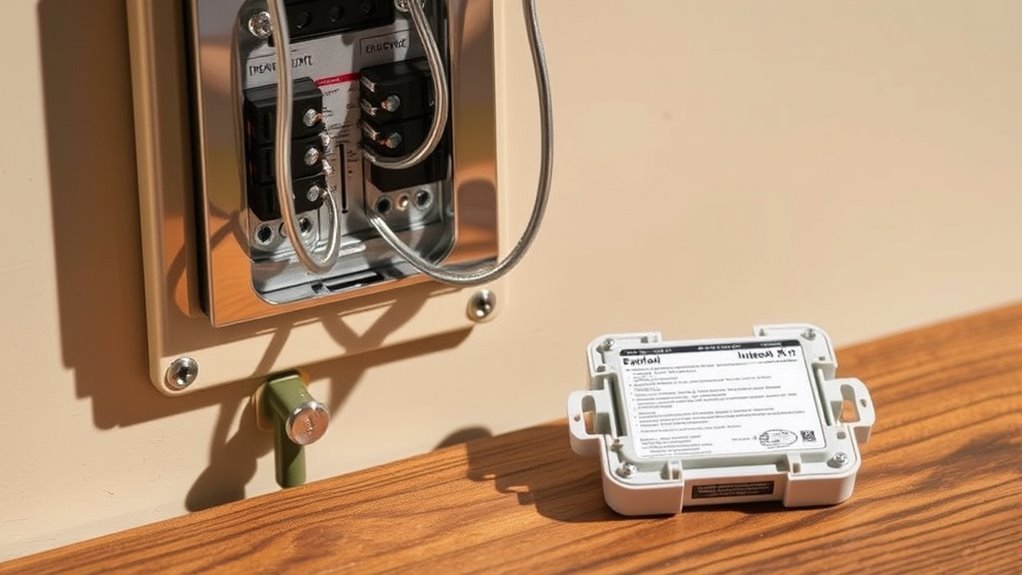
Transfer switches offer a reliable way to manage power sources during outages, providing several key advantages. They ensure your home safely switches between utility and generator power, reducing the risk of backfeeding. Plus, they make it easy to run essential appliances without manual disconnects. However, they do have disadvantages. Installation can be costly, and maintenance is necessary to ensure proper operation.
| Advantages | Disadvantages |
|---|---|
| Safe and automatic transfer of power | Higher upfront installation costs |
| Protects against backfeeding | Regular maintenance needed |
| Simplifies generator use | Requires professional installation |
Pros and Cons of Using Interlock Kits
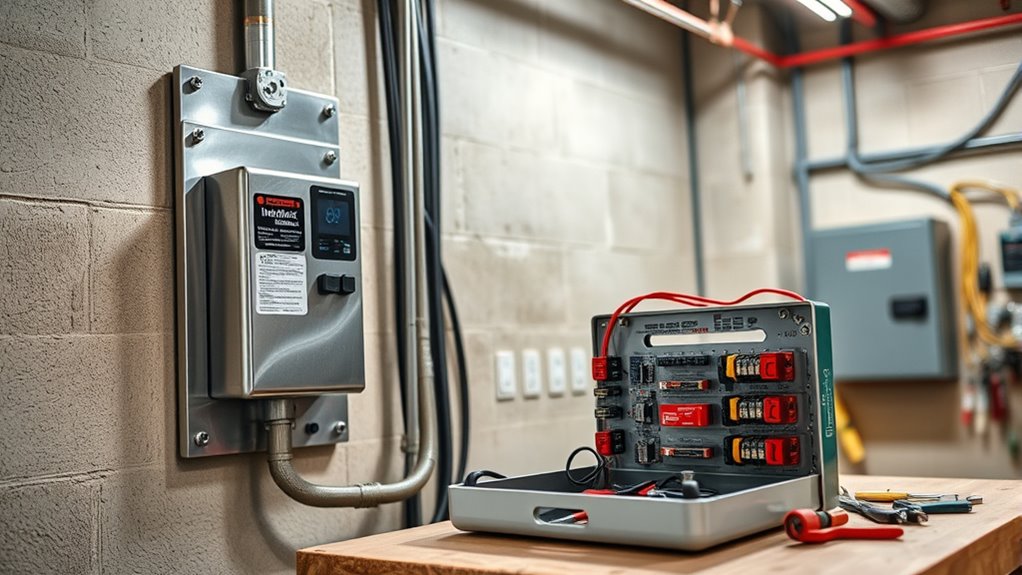
Interlock kits are a popular alternative to transfer switches because they are generally easier and less expensive to install. They work by allowing you to switch between utility power and a generator manually, preventing both sources from energizing the panel simultaneously. However, they do have some drawbacks. For instance, you need to be physically present to switch power sources, which can be inconvenient during emergencies. Additionally, interlock kits are typically less code-compliant and might not be approved in all areas, possibly affecting insurance. On the upside, they’re straightforward, cost-effective, and don’t require complex wiring.
- Simpler installation process
- Lower upfront costs
- Manual operation required
Factors to Consider When Choosing the Right System for Your Home
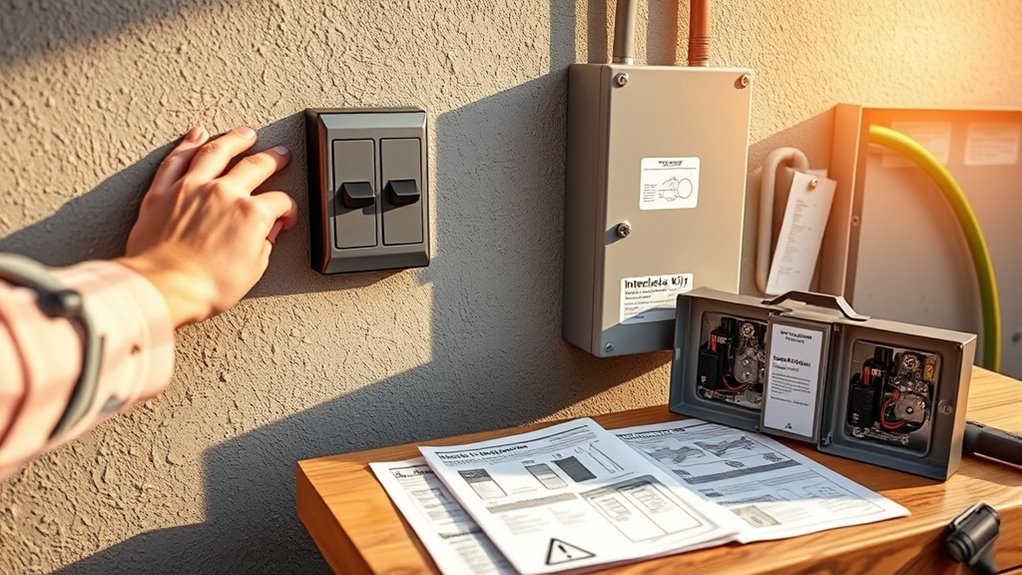
Selecting the right system for your home involves considering several key factors to guarantee safety, convenience, and compliance. First, assess your power needs—do you require backup for essential appliances or whole-house support? This will influence whether a transfer switch or an interlock kit suits you better. Next, think about installation complexity and cost; transfer switches typically require professional installation, while interlock kits may be easier for DIY projects. Compatibility is also vital—ensure the system matches your generator’s capacity and your electrical panel. Additionally, check local codes and regulations to stay compliant. Finally, consider the long-term maintenance and safety features. Making an informed choice ensures reliable power during outages while keeping your home safe and compliant.
Frequently Asked Questions
Can Transfer Switches Be Integrated With Smart Home Systems?
Yes, transfer switches can be integrated with smart home systems, but it depends on the model. You should look for transfer switches with smart capabilities or those compatible with home automation platforms. Smart transfer switches allow you to monitor and control your generator remotely, providing convenience and enhanced safety. Before installation, verify your system supports this integration and consult with a professional to make sure everything aligns properly.
Are Interlock Kits Compliant With Local Electrical Codes?
Did you know that over 80% of local electrical codes specify strict requirements for interlock kits? Yes, interlock kits are generally compliant with local electrical codes when installed correctly. You should always verify with your local building department and follow manufacturer instructions to make certain of compliance. Proper installation guarantees safety and legal adherence, helping you avoid costly fines or safety hazards. When in doubt, consult a licensed electrician familiar with your area’s regulations.
How Often Should Transfer Switches or Interlock Kits Be Maintained?
You should inspect and maintain your transfer switch or interlock kit annually to guarantee reliable operation. Regular checks help identify wear, loose connections, or corrosion that could pose safety risks or cause malfunction during an outage. Follow the manufacturer’s guidelines for maintenance intervals and procedures. If you’re unsure, hire a licensed electrician to perform inspections, testing, and necessary repairs to keep your system safe and compliant.
Do Transfer Switches Require Professional Installation or Can DIY Be Safe?
You can install a transfer switch yourself if you have the right skills and experience, but it’s generally safer to hire a professional. Electrical work can be dangerous, and incorrect installation might cause damage or pose safety risks. A licensed electrician ensures the job is done correctly, complies with local codes, and gives you peace of mind knowing your setup is safe and reliable.
What Are the Long-Term Reliability Differences Between the Two Systems?
You’ll find that transfer switches generally offer greater long-term reliability because they’re designed for continuous, heavy-duty use and are professionally installed. Interlock kits, while simpler and more affordable, might wear out faster due to manual operation and less robust construction. Proper installation and maintenance are key for both systems, but investing in a transfer switch usually provides better durability and peace of mind over time.
Conclusion
Choosing between a transfer switch and an interlock kit is like picking the right tool for a job—you want reliability and safety. While transfer switches offer seamless power transfer, interlock kits can be a budget-friendly alternative. Think about your home’s needs, budget, and safety. Whichever you choose, make certain it’s installed properly. Remember, a well-chosen system is the sturdy bridge that keeps your home powered and safe when the lights go out.