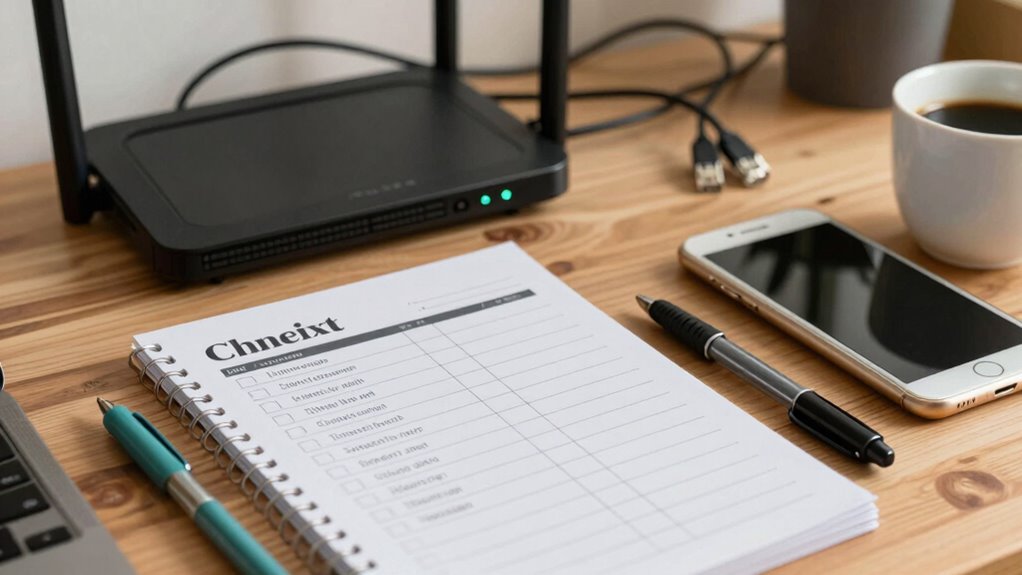

When your internet goes out, start with a physical check of your cables, making sure everything is plugged in and intact. Power cycle your modem and router by unplugging, waiting at least 30 seconds, then plugging them back in. Verify indicator lights for clues, and test your connection with a wired device. If issues persist, check with your provider for outages. Following these steps helps you troubleshoot efficiently and get back online faster. There’s more to explore if you keep going.
Key Takeaways
- Inspect all cables and connections for security, damage, and proper setup before troubleshooting.
- Check indicator lights for signs of hardware or network issues, and reset devices if needed.
- Perform power cycling by unplugging devices, waiting 30 seconds, then restarting in the correct order.
- Verify external service status via provider outage maps, social media, or customer support before troubleshooting.
- Use basic tests like visiting known websites or pinging IPs to confirm connectivity during outages.

DbillionDa Cat 8 Ethernet Cable 40Gbps 2000MHz, 6FT Heavy-Duty for Indoor/Outdoor Use, High-Speed Wired Internet Cable, Gold-Plated RJ45, Weatherproof & UV Resistant for Gaming, PC, Router, Modem
Designed for Outdoor & Direct Burial Installations – Heavy-duty double-shielded Cat8 Ethernet cable minimizes EMI/RFI interference and delivers…
As an affiliate, we earn on qualifying purchases.
As an affiliate, we earn on qualifying purchases.
Check Your Physical Connections

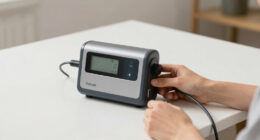
Before troubleshooting your internet outage, you should check your physical connections. Start by inspecting all cables connected to your modem and router. Ensure the Ethernet cable from your modem to your router is secure and undamaged. If you’re using a coaxial cable, verify it’s tightly screwed in and free of cracks or corrosion. For fiber-optic connections, check that the fiber cable is properly connected without bends or breaks. Don’t forget to examine the power cords—make sure they’re plugged in firmly and the outlets are functioning. If any cable appears worn or loose, replace or reconnect it. Properly secured cables are essential for a stable connection. Additionally, reviewing the connection quality can help identify other potential issues affecting your internet. Checking the physical connections and ensuring all cables are properly secured and undamaged is often the quickest way to resolve many common internet problems and prevent further disruptions. You can also verify that your cables are compatible with your specific network equipment, as incompatible or outdated cables may cause connection issues. Ensuring that your cables are up-to-date can help maintain a reliable connection and avoid unnecessary troubleshooting.
modem power cycle reset kit
As an affiliate, we earn on qualifying purchases.
As an affiliate, we earn on qualifying purchases.
Power Cycle Your Router and Modem
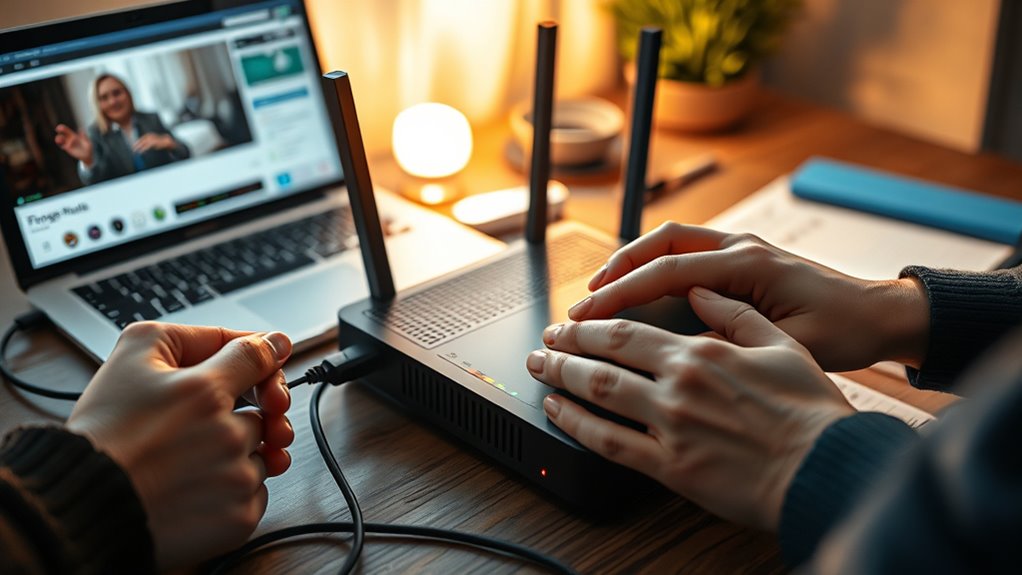
Start by turning off your router and modem completely. Wait at least 30 seconds before turning them back on to allow the devices to reset. Make sure you power them on in the correct order for the best results. Additionally, proper device placement can improve signal strength and overall performance during the reset process. Ensuring proper ventilation of your networking equipment can also help maintain optimal operation and prevent overheating. Proper network security measures can further enhance your connection stability and protect your devices during outages. Maintaining regular firmware updates can also help prevent connectivity issues and improve device performance over time. Regularly checking connection settings ensures your network operates smoothly and efficiently.
Turn Off Power
Turning off your router and modem is a quick and effective way to troubleshoot connectivity issues. When you switch off the power, it completely resets the hardware, clearing any temporary glitches or overloads that might be causing problems. To do this, unplug the power cords from both devices. Wait at least 30 seconds to ensure all residual power drains. This pause helps reset internal components and memory. Avoid simply pressing the power button if your devices don’t turn off completely; unplugging guarantees a full power cut. Once the wait is over, plug the power cords back in, and turn the devices on. This simple step often resolves minor issues and prepares your equipment for a proper restart, setting the stage for the next troubleshooting step. Energy-efficient devices can also help prevent overheating and improve overall performance during outages. Additionally, using reliable hardware can enhance the stability of your internet connection during outages. Regularly updating your firmware is another key part of maintaining connection stability, which is crucial during power interruptions.
Wait Before Restart
Have you ever tried restarting your router or modem immediately after a problem occurs? Giving your devices a moment before power cycling can make a difference. Waiting allows temporary glitches to clear and can prevent unnecessary resets. Rushing to restart might not resolve the issue and could even prolong your outage. Additionally, simple, room-by-room solutions can help you identify underlying issues more effectively before resorting to resets. Consider these points before hitting the power button:
- Allow a 30-second pause to let residual signals settle.
- Check for ongoing network activity to avoid interrupting important data transfers.
- Ensure no firmware updates are in progress that could be disrupted by restarting.
- Remember that understanding network diagnostics can help you troubleshoot more efficiently and prevent repeated outages.
- Taking a brief pause can also help in device synchronization, ensuring all components reconnect properly after power is restored.
- Patience is also important because hardware stability can improve if devices are given time to reset properly without abrupt interruptions.
Power On Properly
Wondering how to guarantee your internet connection is fully refreshed? Power cycling your router and modem is essential. Turn off both devices, unplug them from the power source, and wait at least 30 seconds. This pause clears temporary glitches and resets internal components. Then, plug them back in and turn them on, allowing a few minutes for the connection to stabilize. Properly powering on ensures your network resets correctly, avoiding lingering issues. Use this table as a reminder of the importance of each step:
| Step | Purpose | Result |
|---|---|---|
| Turn off devices | Stop current processes | Clears cache and errors |
| Unplug power cords | Remove residual power | Fully resets hardware |
| Wait 30 seconds | Allow internal reset | Eliminates temporary glitches |
| Power on devices | Restart with fresh settings | Restores stable connection |
Additionally, firmware updates can improve your router and modem’s performance and security.
PKDOAX 5-Way Flat Trailer Wiring Tester – 5 Pin Male & Female Trailer Light Tester with Bright Indicators, Continuity Test & Double End Design, Trouble Shooter for Turn Signal & Tail Lights
5 Pin Trailer Tester: This trailer plug tester quickly verifies the operational status of vehicle trailer wiring harnesses,…
As an affiliate, we earn on qualifying purchases.
As an affiliate, we earn on qualifying purchases.
Verify Internet Service Status With Your Provider

Before troubleshooting further, it’s essential to verify whether your internet service is actually down. Contact your provider’s customer support or check their outage status online to confirm if there’s a known issue in your area. This step can save you time by ruling out problems outside your home. You are trained on data up to October 2023. Here are key steps to verify your service status:
- Visit your provider’s outage map or status page online
- Call customer support to ask about outages in your area
- Check social media channels for alerts and updates from your provider
- Consider electric bike factors that might impact your connectivity, such as power outages affecting network infrastructure. Confirming an outage before diving into device troubleshooting helps you avoid unnecessary steps. Many providers also offer real-time outage updates through their apps or websites, which can provide more detailed information. Additionally, network stability can be affected by environmental factors, so monitoring your surroundings might be helpful. If your provider reports an outage, wait until they resolve the issue. Additionally, some providers offer detailed service outage updates that can help you stay informed. Checking your internet equipment status and ensuring proper setup can also prevent misdiagnoses of issues. If not, move on to other troubleshooting steps to identify device or connection problems.

OFCN 20pcs ftth SCAPC Fiber Optic Fast Connector Fiber Quick Connector Suitable for Drop Cable,3.0mm,2.0mm
1. Easy for operation 2. No need polishing and glue. 3. Using stripper and cleaver to make fiber…
As an affiliate, we earn on qualifying purchases.
As an affiliate, we earn on qualifying purchases.
Inspect Indicator Lights for Clues
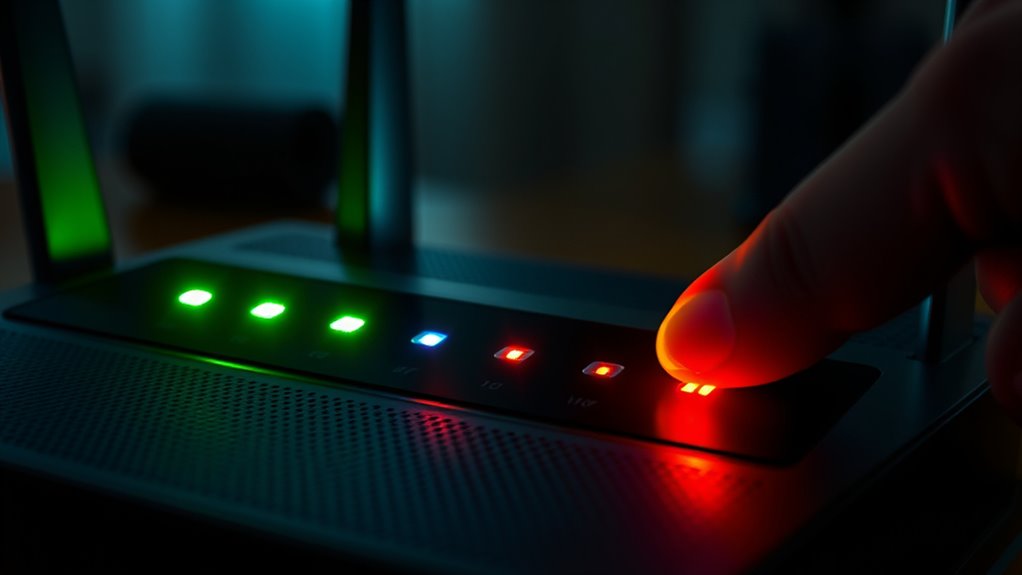
Inspecting your router or modem’s indicator lights can provide quick insights into your internet connection status. Look for lights labeled “Power,” “Internet,” or “WAN.” If the power light isn’t on, your device might not be plugged in or could have a hardware issue. A blinking or off internet light often indicates a disruption or problem with your connection. Some routers display different colors or blinking patterns to signal specific issues, so consult your device’s manual for exact meanings. If the lights seem abnormal—such as a red or amber warning—reset your device and check again. These lights serve as visual clues, helping you determine whether the problem lies with your device, your internet service, or elsewhere. Understanding emerging trends in nanotechnology can also offer insights into future innovations that might improve networking hardware and connectivity solutions. Being aware of privacy policies and how your data is handled can help you decide whether to continue using certain devices or services during outages.
Test Your Connection With a Wired Device
To test your connection with a wired device, start by connecting an Ethernet cable from your computer to the router or modem. Once connected, check if you can access websites or online services. If you still can’t, verify your network access to pinpoint where the issue might be.
Connect Ethernet Cable
Connecting an Ethernet cable is a straightforward way to test your internet connection with a wired device. Simply plug one end into your router or modem and the other into your computer or laptop. Once connected, turn on the device and check if you can access websites or online services. If you’re not online, it’s a clear sign of an issue with your connection or hardware.
- Make certain the Ethernet cable is securely connected on both ends
- Use a known working Ethernet cable to rule out faulty hardware
- Restart your device after connecting to refresh network settings
This quick test helps confirm whether the problem lies with your internet service or your device’s network configuration, guiding your next troubleshooting steps.
Verify Network Access
Testing your network access with a wired device is an effective way to determine if your internet connection is active. First, connect your computer or laptop directly to your modem or router using an Ethernet cable. Once connected, open a web browser and try visiting a familiar website, like Google or your favorite news site. If the page loads quickly and without issues, your connection is working properly. If it doesn’t load, or if you see error messages, there might be a problem with your network or internet service. You can also try pinging a website or IP address to see if you get a response. This simple check confirms whether your wired connection is live and helps you identify if the problem lies with your device or your network.
Reset Your Network Settings
Sometimes, network issues persist despite your efforts to troubleshoot. Resetting your network settings can often resolve lingering problems caused by misconfigurations or corrupted data. This process restores your device’s network preferences to default, clearing out any problematic settings that might be blocking your connection. Before resetting, make sure you note down any custom Wi-Fi passwords or network details, as you’ll need to re-enter them afterward. To reset, go to your device’s network settings and select the option to reset or forget networks. Be aware that this action will remove saved Wi-Fi networks and passwords, so be prepared to reconnect.
- Remove saved Wi-Fi networks and passwords
- Clear VPN or proxy settings
- Reset network configurations to default
Contact Support if the Issue Persists
If resetting your network settings doesn’t resolve the issue, reaching out to your internet service provider or technical support can help identify underlying problems. When you contact support, be ready to explain what troubleshooting steps you’ve already taken. Provide details about your equipment, any error messages, and when the outage started. Support teams can run diagnostics remotely or send a technician if needed. Sometimes, the problem lies outside your home network, such as with local infrastructure or service interruptions. Don’t hesitate to ask for updates on outages in your area or advice on next steps. Staying patient and providing clear information helps speed up the process and gets you back online faster.
Frequently Asked Questions
How Often Should I Replace My Router or Modem?
You should replace your router or modem every 3 to 5 years to guarantee peak performance and security. Technology advances quickly, and older devices may not support the latest features or receive security updates. If you notice frequent disconnections, slow speeds, or your device is outdated, it’s time for an upgrade. Regularly check for firmware updates, but don’t wait too long—upgrading keeps your internet reliable and secure.
Can Interference From Other Devices Affect My Internet During an Outage?
Yes, interference from other devices can still affect your internet during an outage. Devices like cordless phones, microwave ovens, or Bluetooth gadgets emit signals that might disrupt your router’s performance when the network is active again. To minimize this, keep your router away from such devices, and try switching channels or frequencies if you notice ongoing issues. Proper placement and reducing interference sources help guarantee a stronger, more dependable connection once service resumes.
What Security Measures Should I Take During Connectivity Issues?
During connectivity issues, you should prioritize security by changing your Wi-Fi password to prevent unauthorized access. Enable your router’s firewall and update its firmware to patch vulnerabilities. Disable remote management temporarily and turn off Wi-Fi if you notice suspicious activity. Avoid sharing sensitive information online until your connection stabilizes. These steps help safeguard your network and personal data until your internet service is fully restored.
Is There a Way to Improve Wi-Fi Signal Strength During Outages?
Yes, you can improve your Wi-Fi signal strength during outages by repositioning your router to a central, open location away from obstructions. Make sure it’s elevated and not near metal objects or thick walls. Updating your router’s firmware can boost performance. If possible, use a Wi-Fi extender or mesh system to enhance coverage. Turning your router off and on periodically also helps maintain a strong, stable signal.
How Do I Differentiate Between Modem and Router Problems?
Imagine your connection as a stream flowing smoothly. If your internet stalls, check if your modem’s lights are steady—if not, it’s likely the source. Restart the modem first; if issues persist, the problem might be with the modem itself. If the lights are fine but your Wi-Fi signal is weak, then your router’s the culprit. Test both devices separately to identify where the trouble lies.
Conclusion
Remember, a quick checklist can save you time during an outage. Did you know that over 40% of internet issues are resolved by simply restarting your router or checking connections? By following these steps, you increase your chances of a speedy fix. If problems persist, don’t hesitate to contact support. Staying proactive helps you get back online faster and minimizes frustration, keeping you connected when it matters most.