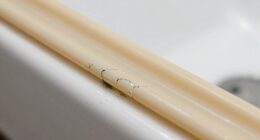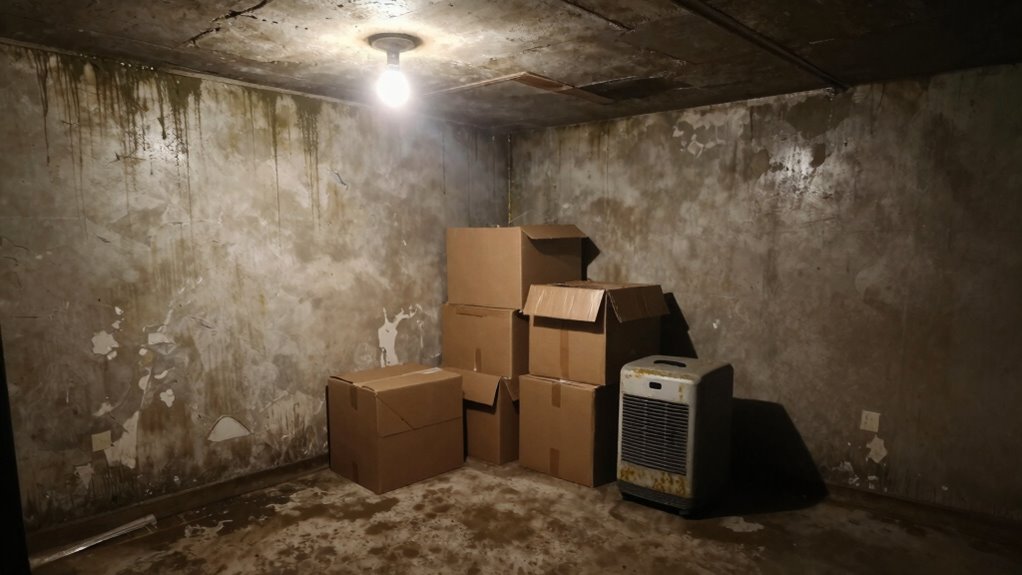

A musty smell in your basement usually signals excess moisture, which creates the perfect environment for mold and mildew to grow. This odor indicates humidity levels are too high, often caused by poor ventilation, leaks, or dampness from groundwater seepage. Without proper airflow and moisture control, these problems can lead to structural damage and unhealthy air quality. To look after your basement effectively, understanding the causes and solutions can help you prevent longer-term issues.
Key Takeaways
- A musty smell indicates excess moisture, which promotes mold growth and air quality issues in basements.
- Persistent dampness and mold spots signal inadequate ventilation and high humidity levels.
- Poor airflow traps stale, odor-causing air, making the musty smell more noticeable.
- Moisture sources like leaks or seepage increase humidity, leading to dampness and musty odors.
- Proper ventilation and moisture control are essential to eliminate musty odors and improve basement air quality.

Have you noticed a musty smell or dampness in your basement? That scent is often a clear sign of excess moisture, which can lead to serious problems if not addressed promptly. One of the most effective ways to tackle this issue is by implementing proper ventilation strategies. Good airflow helps reduce humidity levels and keeps moist air from settling in. It also prevents the buildup of stale, odor-causing air, making your basement a more comfortable and healthier space. Ventilation strategies can include installing exhaust fans, using dehumidifiers, or opening windows when outdoor conditions allow. These measures work together to exchange humid indoor air with drier outdoor air, helping to maintain ideal moisture levels. When moisture is kept in check, mold growth becomes much less likely, safeguarding your home’s structure and your health.
Mold prevention is vital because mold spores thrive in damp environments, often hidden behind walls or under floors. If you ignore the signs of excess moisture, mold can quickly spread, causing damage and potentially triggering allergies or respiratory issues. Proper ventilation is a key step in mold prevention because it continually removes moist air and replaces it with drier air, disrupting the environment mold needs to grow. You should regularly check that vents are unobstructed, and consider upgrading your ventilation system if it’s outdated or insufficient. Using exhaust fans in areas prone to moisture, like laundry rooms or bathrooms, can greatly reduce humidity levels. Also, maintaining a consistent indoor temperature helps control condensation, which is another source of moisture. When you combine good ventilation with moisture control measures like sealing leaks and insulating properly, you create a less hospitable environment for mold.
In addition to ventilation, you should pay attention to other moisture sources, such as leaking pipes or groundwater seepage. Addressing these issues promptly prevents moisture from accumulating and minimizes the risk of mold development. Regularly inspecting your basement for signs of dampness, discoloration, or peeling paint helps catch problems early. If you notice persistent dampness despite good ventilation, it’s wise to consult a professional to evaluate potential structural issues or drainage problems outside your home. Remember, controlling moisture is not a one-time fix but an ongoing process. Proper ventilation strategies are your first line of defense against excess moisture and mold, helping you keep your basement dry, healthy, and free of that musty smell. Additionally, utilizing air purifiers with dehumidifying features can further enhance moisture control and improve indoor air quality.
Frequently Asked Questions
Can Deodorizing Products Fix Basement Moisture Issues Permanently?
Deodorizing products can’t fix basement moisture issues permanently. While deodorizers may improve odor masking temporarily, their effectiveness is limited if the underlying moisture problem isn’t addressed. You need to identify and fix leaks, improve ventilation, and reduce humidity to prevent mold and musty smells. Relying solely on deodorizers might make the space smell better temporarily, but they won’t eliminate the source of the problem long-term.
What Are the Long-Term Health Risks of Basement Mold Exposure?
A single breath of mold spores can feel like inhaling a cloud of poison, risking serious health issues. Long-term exposure to basement mold increases your chances of respiratory illnesses, asthma, and allergies, which can linger like shadows in your life. Mold spores irritate your lungs and weaken your immune system over time. Protect yourself now—address moisture issues immediately to prevent these health risks from taking root in your home.
How Often Should I Inspect My Basement for Moisture Problems?
You should inspect your basement for moisture problems at least once a month. Regular moisture detection helps catch issues early before they turn into mold or structural damage. During each inspection, look for water stains, condensation, or musty odors. Keep an eye on areas prone to dampness, such as around pipes or foundation walls. Consistent inspection frequency guarantees you stay ahead of potential moisture problems, protecting your home and health.
Are There Eco-Friendly Solutions for Controlling Basement Humidity?
Yes, you can use eco-friendly solutions like natural dehumidifiers and eco-friendly ventilation to control basement humidity. Natural dehumidifiers, such as moisture-absorbing charcoal or silica gel, help reduce dampness without chemicals. Pair these with eco-friendly ventilation systems that promote air circulation and bring in fresh air. Together, these methods create a healthier, more sustainable environment, preventing mold and moisture buildup while respecting the environment.
Does Basement Ventilation Alone Eliminate Musty Odors Effectively?
Ventilation alone may not fully eliminate musty odors because of its limitations in addressing underlying moisture issues. While it helps circulate air, it often doesn’t remove excess humidity or mold that cause persistent smells. If you rely solely on ventilation, odors are likely to recur over time. To effectively control musty odors, combine proper ventilation with moisture reduction strategies like dehumidification and sealing leaks, ensuring long-term freshness.
Conclusion
If you ignore basement air issues, mold and musty odors can take over your home. For example, Sarah noticed a persistent musty smell in her basement, which turned out to be hidden mold caused by excess moisture. Addressing moisture problems early, like using dehumidifiers or fixing leaks, can save you from costly repairs and health risks. Don’t let moisture silently damage your home—tackle basement air problems before they worsen.