
Indoor air quality affects your health more than you might realize, exposing you to pollutants like dust, pollen, bacteria, viruses, and VOCs. These can trigger allergies, worsen respiratory issues, or lead to long-term health problems. Using air purifiers with HEPA and activated carbon filters along with proper ventilation helps reduce these dangers. Staying aware of indoor pollutants and taking steps to improve air flow can make your home safer — learn more to protect your well-being.
Key Takeaways
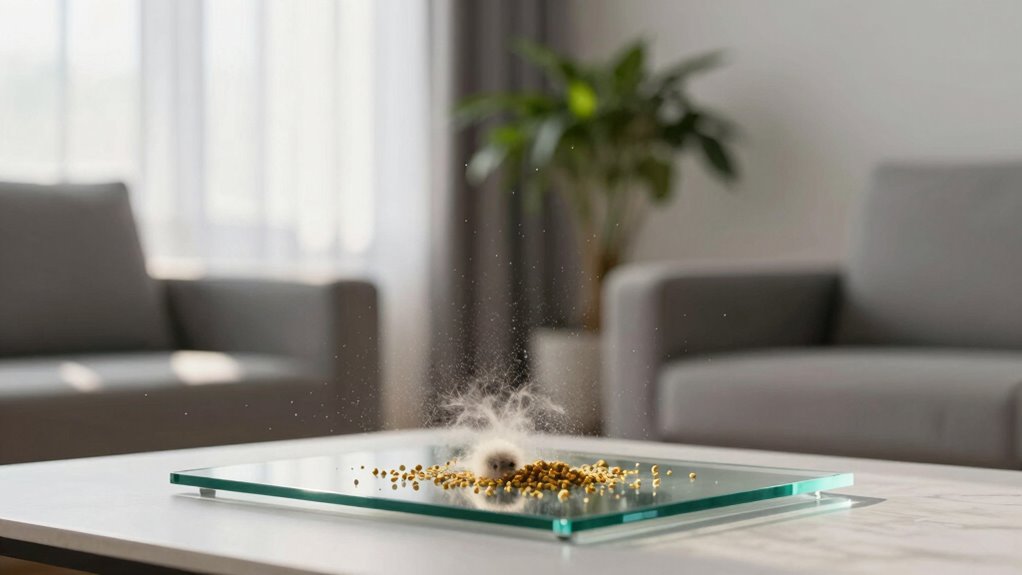
- Common indoor pollutants include dust, pollen, mold spores, pet dander, volatile organic compounds (VOCs), bacteria, and viruses.
- Poor ventilation traps pollutants indoors, increasing their concentration and impact on health.
- HEPA filters effectively capture tiny particles like dust, pollen, and bacteria, improving air quality.
- Activated carbon filters absorb odors and chemical pollutants such as VOCs from household products.
- Controlling humidity and regular cleaning help prevent mold growth and reduce airborne allergens.
Have you ever wondered how the air inside your home affects your health? Many people underestimate the impact indoor air quality has on their well-being. Poor air can lead to allergies, respiratory issues, and even long-term health problems. To keep your indoor environment safe, understanding how to improve air quality is essential. Two key aspects are Air Purifier Technologies and Ventilation Strategies, both of which play a critical role in filtering out pollutants and bringing in fresh air.
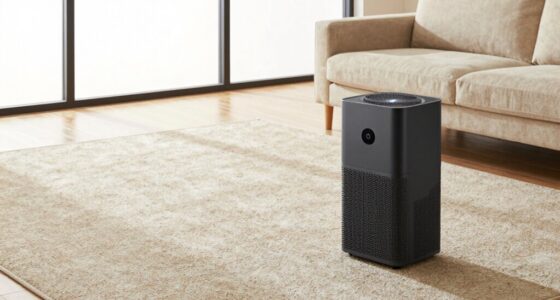
Air Purifier Technologies have advanced considerably in recent years. Modern purifiers don’t just trap dust and pollen; they also target airborne bacteria, viruses, and volatile organic compounds (VOCs). HEPA filters, for example, are highly effective at capturing tiny particles, making them a popular choice for improving indoor air quality. Some purifiers incorporate activated carbon filters that absorb odors and chemicals, providing a more all-encompassing clean. Certain models use ionizers or UV light to neutralize germs, which can be particularly beneficial if you’re concerned about airborne pathogens. When selecting an air purifier, consider the specific pollutants you want to target and the size of the space you need to cover. Properly chosen and maintained devices can dramatically reduce indoor pollutants, creating a healthier environment for you and your family.
Modern air purifiers effectively trap dust, bacteria, viruses, VOCs, odors, and chemicals for healthier indoor air.
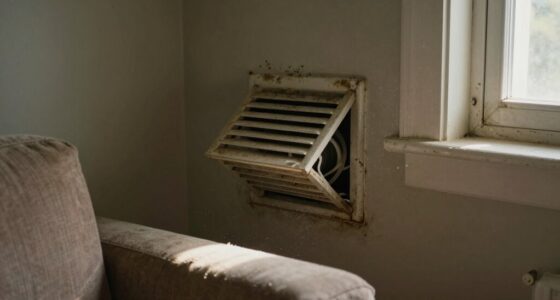
Alongside air purifiers, ventilation strategies are essential for maintaining good indoor air quality. Proper ventilation helps remove indoor pollutants, excess humidity, and odors, while bringing in fresh air from outside. Simple strategies include opening windows regularly to allow natural airflow, especially when cooking or using chemical products. Mechanical ventilation systems, such as exhaust fans in kitchens and bathrooms, can also be highly effective at pulling stale air out and introducing clean air. For more controlled environments, whole-house ventilation systems, like energy recovery ventilators (ERVs) or heat recovery ventilators (HRVs), can continuously exchange indoor air with outdoor air while conserving energy. These systems are especially useful in airtight homes where natural ventilation is limited. Incorporating both passive and active ventilation strategies not only improves air quality but also helps regulate humidity levels, which can prevent mold growth and other indoor air pollutants from thriving. Additionally, understanding the importance of indoor air quality and its impact on health can motivate proactive measures to maintain a safe environment.
Combining effective Air Purifier Technologies with strategic Ventilation Strategies offers a holistic approach to indoor air quality. By filtering pollutants directly and ensuring a steady flow of fresh air, you can considerably reduce indoor pollutants and create a healthier living space. Remember, maintaining these systems and practices is key—regularly replacing filters, checking ventilation equipment, and being mindful of indoor activities that generate pollutants will help you breathe easier and protect your health at home.
Frequently Asked Questions
How Do Indoor Plants Improve Air Quality?
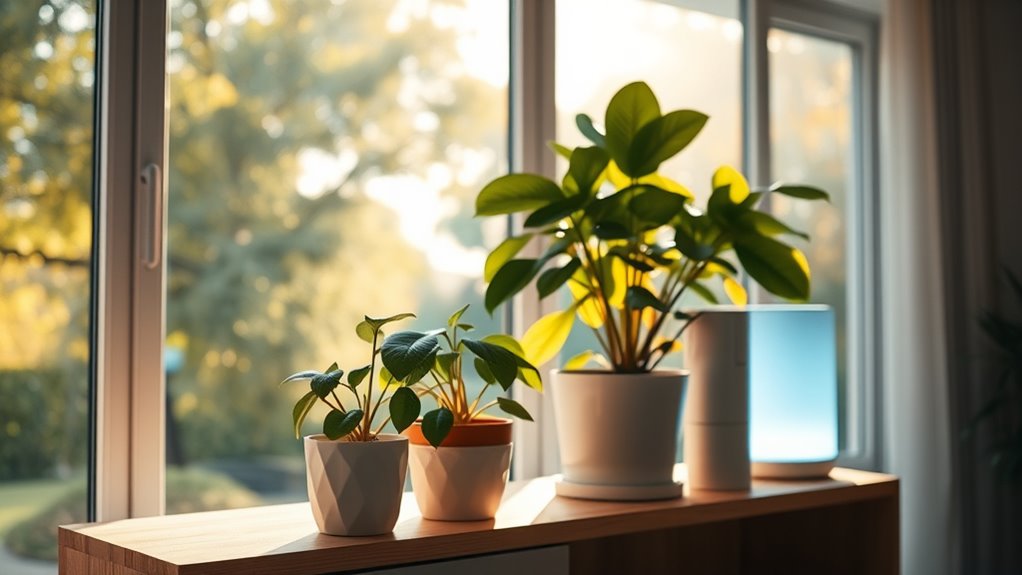
Indoor plants improve air quality through their botanical benefits by naturally filtering pollutants and increasing humidity. They absorb toxins like formaldehyde, benzene, and trichloroethylene, aiding in air purification. When you include plants in your home, you leverage their ability to reduce airborne chemicals and improve overall air circulation. This not only freshens your environment but also creates a healthier, more comfortable space for you to breathe.
Can Air Purifiers Eliminate All Indoor Pollutants?
Air purifiers aren’t magic wands that banish every pollutant. While they improve air quality, their limitations mean they can’t remove all indoor pollutants. Their pollutant removal efficiency varies depending on the device and the specific contaminants, like gases or tiny particles. Think of them as helpful allies, but not foolproof guards. To truly breathe easier, combine purifiers with good ventilation and source control.
How Often Should I Change My HVAC Filters?
You should change your HVAC filters every 1 to 3 months, depending on usage and filter lifespan. Regular HVAC maintenance helps make certain your system runs efficiently and maintains good indoor air quality. If you have pets, allergies, or someone with respiratory issues, consider changing filters more frequently. Always check your filter’s manufacturer recommendations and monitor for signs of dirt or reduced airflow to keep your indoor air clean and healthy.
Are There Natural Ways to Reduce Indoor Pollutants?
Yes, you can reduce indoor pollutants naturally by using remedies like houseplants, which absorb airborne toxins, and ensuring proper ventilation to reduce pollutant sources. Regularly cleaning and dusting minimizes dust and allergens. Avoid smoking indoors, use natural cleaning products, and open windows when possible. These natural remedies help improve air quality without relying on chemical filters, creating a healthier environment by addressing pollutant sources directly.
What Are the Health Risks of Long-Term Exposure?
Long-term exposure to indoor pollutants can be as harmful as breathing polluted air in a bustling city every day. You risk serious health effects like respiratory issues, allergies, and even cardiovascular problems. Chronic exposure can weaken your immune system and increase the chances of developing asthma or lung disease. Protect yourself by improving indoor air quality, reducing pollutant sources, and ensuring proper ventilation to minimize these dangerous health risks.
Conclusion
Think of your home’s air as a delicate garden. Just like weeds can choke out your favorite flowers, pollutants can quietly take over your indoor environment. By staying aware of common pollutants and keeping your space well-ventilated, you’re tending to a vibrant, healthy oasis. Regularly checking and improving your indoor air quality guarantees your home remains a sanctuary where fresh, clean air blossoms and breathes life into every corner.