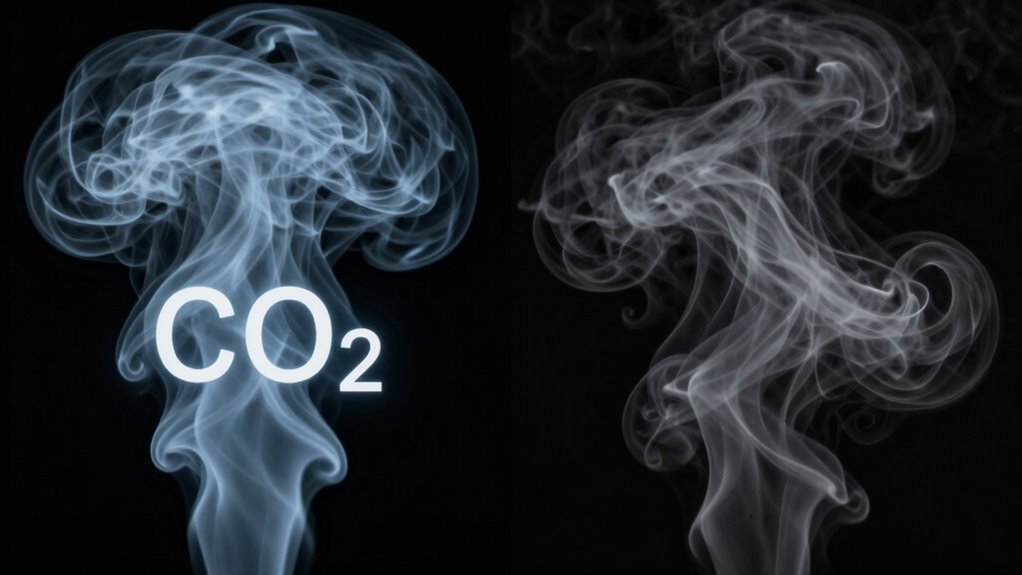

CO₂ and carbon monoxide (CO) are often confused, but they have very different dangers. CO₂ is naturally present in the air and builds up slowly, causing symptoms like dizziness and headaches over time. CO, on the other hand, is a toxic gas produced by incomplete combustion and can cause rapid symptoms like dizziness, confusion, or even death within minutes. Knowing these differences helps you stay safe—continue exploring to understand how to protect yourself effectively.
Key Takeaways
- CO is highly toxic, causing rapid symptoms like dizziness and unconsciousness within minutes; CO₂ is less immediately dangerous.
- CO binds to hemoglobin, blocking oxygen transport; CO₂ primarily affects breathing and causes symptoms gradually at high levels.
- Detection methods differ: electrochemical sensors for CO, NDIR sensors for CO₂; proper monitoring is crucial.
- CO exposure is fast-acting and life-threatening, while CO₂ buildup causes gradual symptoms like headaches and fatigue.
- Recognizing quick onset of CO poisoning can prevent fatalities; CO₂ symptoms develop more slowly and are less immediately hazardous.
The Chemical Composition and Sources of CO₂ and CO

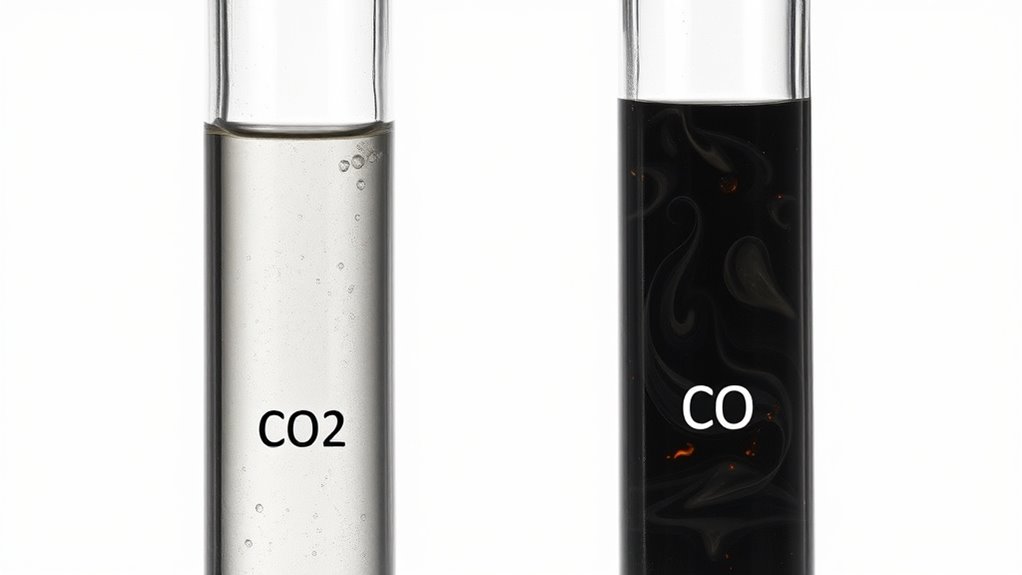
Carbon dioxide (CO₂) and carbon monoxide (CO) are both colorless gases containing carbon, but their chemical compositions differ markedly. CO₂ consists of one carbon atom bonded to two oxygen atoms, forming a stable, linear molecule. It’s primarily produced by natural processes like respiration, volcanic eruptions, and decay, as well as human activities such as burning fossil fuels and deforestation. In contrast, CO contains one carbon atom bonded to a single oxygen atom, creating a highly reactive, toxic molecule. Its main sources include incomplete combustion of carbon-based fuels, vehicle emissions, and industrial processes. While CO₂ is a natural part of Earth’s carbon cycle, CO is mainly a byproduct of combustion that doesn’t fully oxidize carbon. The reactivity of CO makes it particularly dangerous to humans because it binds to hemoglobin more effectively than oxygen, leading to poisoning even in small concentrations. This difference in reactivity also affects how each gas interacts with the environment and living organisms.
How CO₂ and CO Affect Human Health Differently
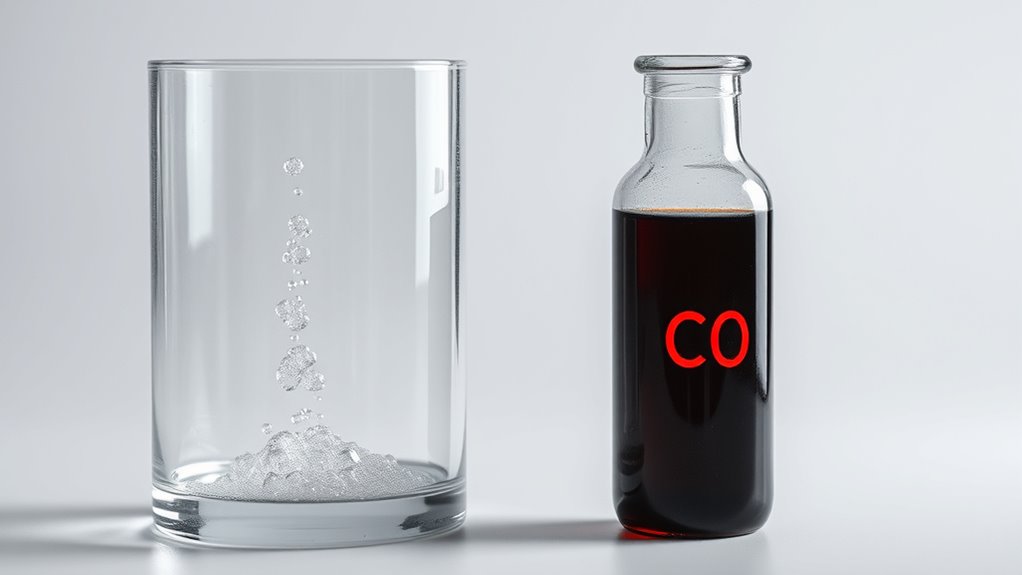
While both CO₂ and CO are gases that contain carbon, their effects on human health are very different. Carbon dioxide is a natural part of the air you breathe; in small amounts, it helps regulate your breathing. Elevated CO₂ levels can cause dizziness, shortness of breath, or headaches if it accumulates in enclosed spaces. However, CO₂ is not immediately deadly at typical levels. In contrast, carbon monoxide is a dangerous poison that binds quickly to your blood’s hemoglobin, preventing oxygen from reaching your tissues. Even small amounts of CO can lead to dizziness, confusion, and loss of consciousness. High exposure can be fatal within minutes. Unlike CO₂, CO acts rapidly and requires immediate medical attention to prevent serious health consequences. Understanding ventilation and safety measures is essential for recognizing the importance of proper ventilation and safety measures in enclosed environments. Proper air quality control can help prevent dangerous CO buildup in confined spaces. Additionally, awareness of toxic gas detection devices can be critical for early warning and prevention of CO poisoning.
Recognizing the Symptoms of Overexposure to Each Gas
Recognizing the symptoms of overexposure to CO₂ and CO is essential for your safety. If you breathe in too much CO₂, you might feel headaches, dizziness, shortness of breath, confusion, or fatigue. You could also experience a rapid heartbeat and sweating. These signs often develop gradually but can worsen quickly if exposure continues. In contrast, overexposure to carbon monoxide often causes headaches, nausea, weakness, confusion, and dizziness, but these symptoms can be subtle and easily mistaken for other illnesses. As CO builds up in your bloodstream, it prevents oxygen from reaching your organs, leading to confusion or loss of consciousness in severe cases. Recognizing these symptoms early is vital so you can seek immediate medical attention and fresh air before the situation becomes dangerous. Understanding the dangers of gas buildup is crucial for preventing serious health effects in enclosed spaces. Additionally, being aware of gas detection methods can help you identify dangerous levels before symptoms appear. Regularly checking gas levels with detectors can provide an early warning and help protect your health.
Detecting and Monitoring These Gases in Indoor Environments

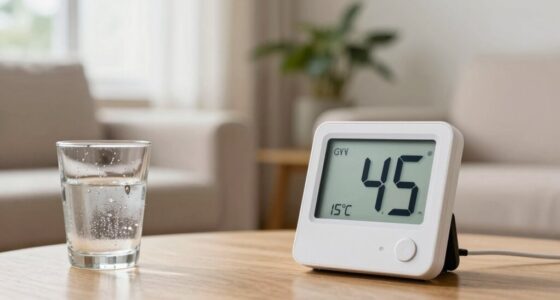
You need reliable gas detection technologies to keep indoor air safe. Monitoring devices can alert you quickly if CO2 or carbon monoxide levels escalate unexpectedly. Proper device selection is crucial for accurate detection and effective response. Understanding gas detection technologies helps in choosing the most suitable system for your environment. Additionally, selecting devices with real-time data reporting can enhance monitoring accuracy and facilitate immediate action when necessary. Incorporating sensor calibration ensures consistent performance and reliable readings over time. Employing appropriate placement of sensors throughout your space improves overall detection coverage and early warning capabilities.
Gas Detection Technologies
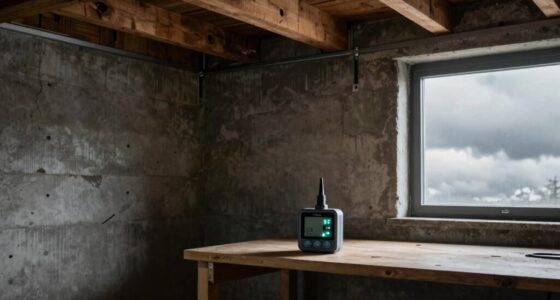
Effective gas detection technologies are essential for monitoring CO2 and carbon monoxide levels in indoor environments, ensuring occupant safety and air quality. You can rely on various sensors and devices designed specifically for these gases. For CO2, nondispersive infrared (NDIR) sensors are common, providing accurate, real-time measurements. For carbon monoxide, electrochemical sensors are widely used because of their sensitivity and quick response. These detectors often feature digital displays, alarms, and connectivity options for remote monitoring. Portable and fixed systems enable continuous surveillance, alerting you immediately if dangerous levels are detected. Advances in sensor technology have made detection more reliable, affordable, and easy to integrate into building management systems. Proper use of these technologies helps prevent exposure and safeguards indoor air quality effectively. Additionally, understanding gas detection principles enhances the effectiveness of monitoring systems and ensures the safety of occupants.
Monitoring Indoor Safety
Monitoring indoor safety involves continuously tracking levels of gases like CO2 and carbon monoxide to prevent health risks. Using reliable detectors helps you identify dangerous concentrations early. For example, a CO2 monitor can alert you when indoor air quality drops, while a carbon monoxide detector warns of lethal buildup. Here’s a quick comparison:
| Gas | Detection Method | Safety Tip |
|---|---|---|
| CO2 | Infrared sensors | Ventilate if levels are high |
| Carbon Monoxide | Electrochemical sensors | Install alarms in key areas |
| Monitoring Goal | Continuous or periodic checks | Keep devices maintained |
Regular monitoring guarantees you act swiftly, preventing potential poisoning or health issues. Proper detection methods are essential for maintaining a safe indoor environment. Staying aware of air quality indicators helps you respond promptly to any threats. Stay vigilant and keep your indoor environment safe.
Immediate Risks Versus Long-Term Effects of CO and CO₂
You might notice quick poisoning symptoms like headaches, dizziness, or nausea if exposed to high levels of CO or CO₂. These immediate signs demand urgent attention to prevent severe health consequences. Over time, however, low-level exposure can lead to chronic health issues that develop silently. Free Floating environments can contribute to the accumulation of these gases, increasing the risk of long-term exposure without obvious signs.
Quick Poisoning Symptoms
Although both carbon monoxide (CO) and carbon dioxide (CO₂) can pose health risks, their quick poisoning symptoms differ considerably. CO poisoning occurs rapidly, often within minutes, causing symptoms like headache, dizziness, weakness, nausea, confusion, and shortness of breath. You might feel disoriented or numb before losing consciousness. In contrast, CO₂ poisoning develops more slowly, with symptoms such as rapid breathing, flushed skin, and dizziness. High levels can cause increased heart rate and confusion, but these signs usually come after prolonged exposure. If you notice sudden headaches or dizziness near appliances or vents, get fresh air immediately and seek help. Recognizing these rapid symptoms is vital to prevent severe health consequences and guarantee prompt treatment. Regular awareness of primitive survival techniques can also prepare you to handle emergencies effectively.
Chronic Health Risks
While immediate symptoms of CO and CO₂ exposure can be severe, their long-term health effects differ considerably. With carbon monoxide, prolonged exposure can lead to chronic health problems like persistent headaches, fatigue, memory issues, and cardiovascular issues. Over time, CO binds to hemoglobin, reducing oxygen delivery and stressing your heart and brain. Conversely, long-term exposure to elevated CO₂ levels, often found in poorly ventilated spaces, can cause headaches, dizziness, and impaired cognitive function. While CO’s long-term risks mainly affect your cardiovascular and neurological health, CO₂ mostly impacts your respiratory system and mental clarity. Additionally, the hidden elements in a well-designed space can help improve air quality and reduce some indoor pollutants. Recognizing these differences helps you understand how chronic exposure can silently damage your health, emphasizing the importance of proper ventilation and monitoring indoor air quality.
Safety Measures and Prevention Strategies

To effectively prevent exposure to CO2 and carbon monoxide, implementing safety measures is essential. First, install carbon monoxide detectors in your home, especially near sleeping areas and fuel-burning appliances. Regularly check and maintain these detectors to ensure they work properly. Keep ventilation systems in good condition to allow fresh air circulation and prevent gas buildup. Never ignore warning signs like headaches, dizziness, or strange smells—these could indicate dangerous levels of gases. Use appliances according to manufacturer instructions, avoiding overuse or improper installation. Store fuels and chemicals safely, away from heat sources. Finally, schedule annual inspections of heating systems, chimneys, and ventilation to identify leaks or blockages early. Following these steps helps protect you and your loved ones from the dangers of these gases. Understanding deep-sky imaging techniques can also help you better monitor environmental conditions indoors and outdoors to ensure safety. Regularly checking gas levels with appropriate testing devices is also an important part of an effective safety protocol. Additionally, being aware of pilot gear and safety equipment can enhance your preparedness in case of emergency situations.
Frequently Asked Questions
How Quickly Can CO Poisoning Lead to Unconsciousness or Death?
Carbon monoxide poisoning can cause unconsciousness within minutes and can be fatal in as little as 3 to 4 hours, depending on exposure levels. If you breathe in high concentrations, your body quickly replaces oxygen in your blood, leading to brain hypoxia. You might not realize you’re in danger until symptoms worsen. It’s vital to get fresh air and seek emergency help immediately if you suspect CO poisoning.
Can Co₂ Buildup Cause Health Issues Without Visible Symptoms?
Think of CO₂ buildup as a silent storm inside your lungs. It can cause health issues without obvious symptoms, slowly making you feel dizzy, short of breath, or fatigued. Even if you don’t see any signs, high levels may gradually impair your health. That’s why it’s vital to guarantee proper ventilation and monitor indoor air quality—so you don’t get caught in this unseen cloud of danger.
Are There Any Reliable Home Tests for Detecting Both Gases?
Yes, there are dependable home tests for detecting both gases. For carbon monoxide, you can use a plug-in or battery-operated CO detector, which sounds an alarm if levels get dangerous. For carbon dioxide, you might consider a portable CO2 monitor that provides real-time readings. Make sure to select devices approved by safety standards to guarantee accuracy. Regularly testing your home helps you stay safe from both gases, especially in poorly ventilated areas.
What Industries Are Most at Risk for CO and CO₂ Exposure?
You’re most at risk of CO and CO₂ exposure in industries like manufacturing, welding, and mining, where combustion processes are common. If you work around fuel-burning equipment, you might face dangerous CO buildup. Similarly, in industries such as food processing or carbon capture, CO₂ levels can become hazardous. Always wear proper protective gear, verify adequate ventilation, and monitor gas levels regularly to stay safe.
How Do Ventilation Systems Differ in Preventing CO Versus CO₂ Accumulation?
Think of your ventilation system as a vigilant guardian. To prevent CO buildup, it needs to be tightly sealed with exhaust fans and sensors that detect dangerous levels, acting swiftly like a sentinel. For CO₂, increasing fresh air intake and using proper ventilation helps maintain safe levels, much like opening windows on a breezy day. While both differ slightly, proper airflow and monitoring are key to keeping both gases at bay.
Conclusion
Remember, confusing CO₂ with CO is like mistaking a gentle breeze for a fierce storm—one quietly impacts your health over time, while the other can strike suddenly and deadly. Stay vigilant, monitor your environment, and understand these gases’ differences. Don’t let ignorance be your blind spot; instead, be the vigilant observer. By recognizing their dangers, you safeguard yourself and loved ones—because in this battle of gases, knowledge truly is your best defense.